Real-World Applications of Microcontrollers in Modern Electronics
Expert guide on Real-World Applications of Microcontrollers in Modern Electronics. Technical specs, applications, sourcing tips for engineers and buyers.
Introduction
In the rapidly evolving landscape of modern electronics, microcontrollers have emerged as pivotal components that drive innovation and functionality. These compact yet powerful devices are the brains behind a myriad of applications, from consumer electronics to industrial automation. As the semiconductor industry continues to grow, with a projected revenue of $595.2 billion by 2026, the role of microcontrollers becomes increasingly significant. Understanding their specifications, applications, and design considerations is crucial for engineers and designers aiming to leverage these components effectively in their projects.
Technical Overview
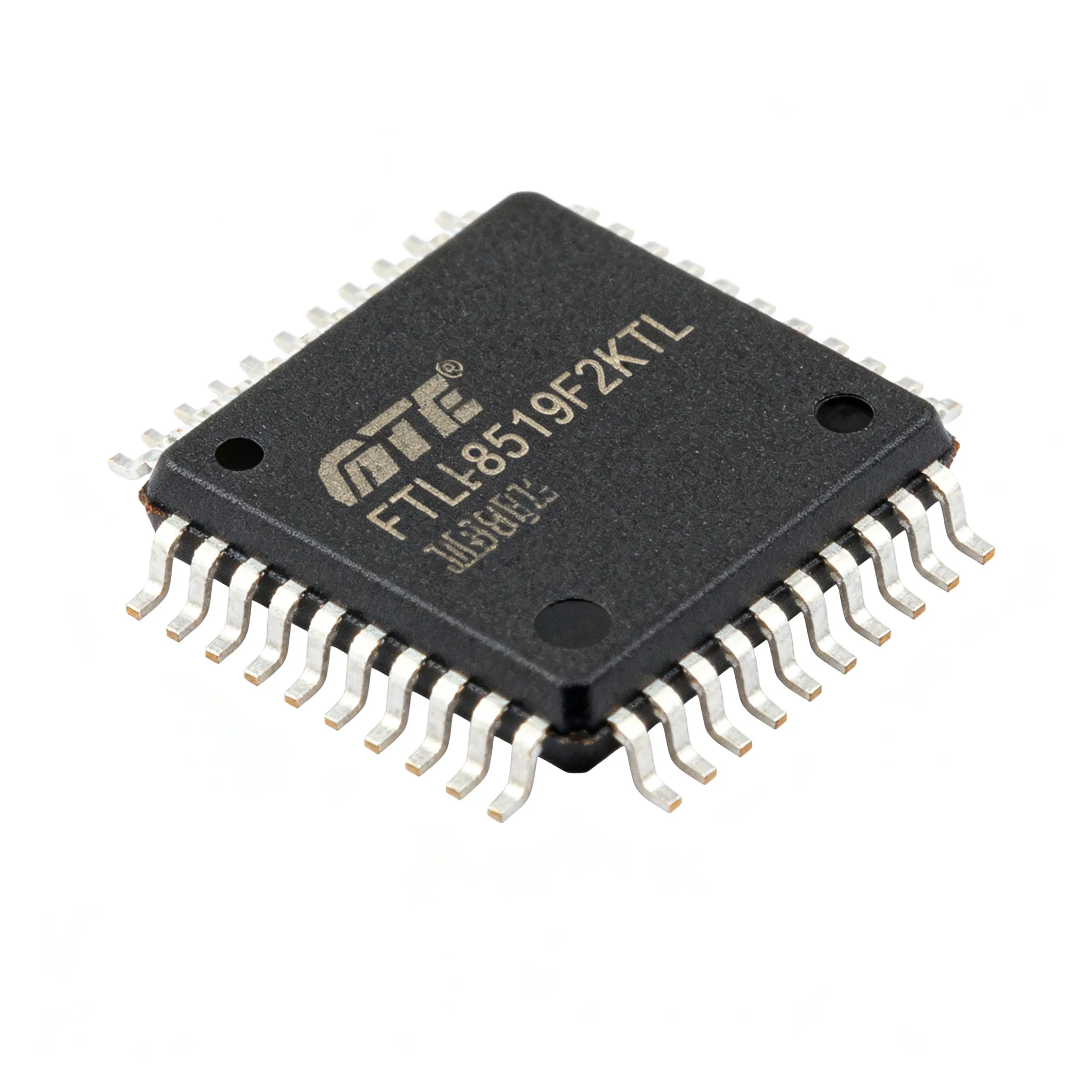
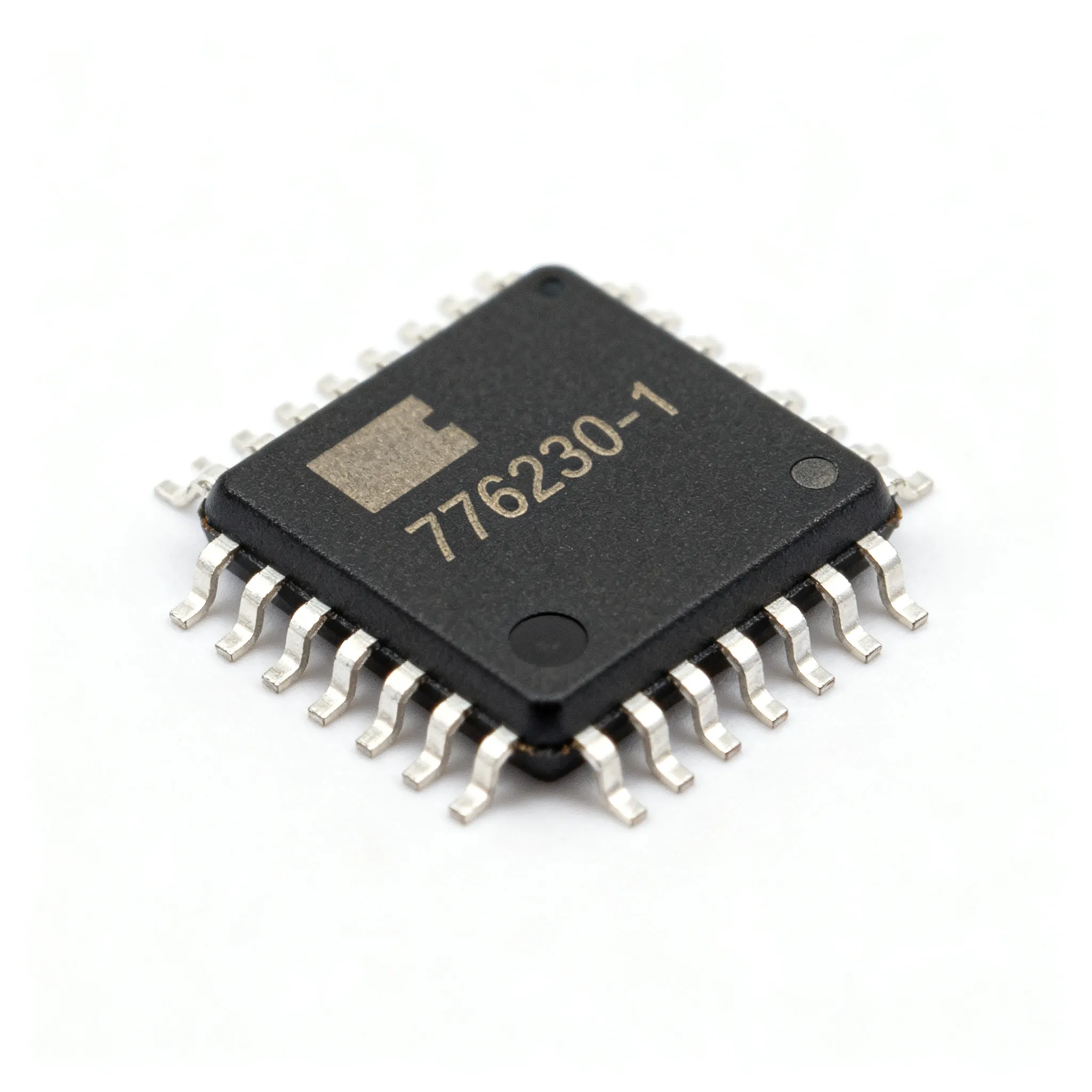
Microcontrollers are essentially compact integrated circuits designed to perform specific tasks within an embedded system. They typically encompass a processor, memory, and input/output peripherals on a single chip. This integration allows them to control a wide array of devices, ranging from simple sensors to complex machinery. The core architecture of microcontrollers can vary, with popular options including ARM Cortex, AVR, and PIC, each offering distinct advantages in terms of processing power, energy efficiency, and peripheral support. Understanding the core principles of microcontroller operation is essential for selecting the right component for your application and optimizing its performance.
Detailed Specifications
| Parameter | Specification | Units | Notes |
|---|---|---|---|
| Operating Voltage | 1.8 - 5.5 | V | Common range for microcontrollers |
| CPU Frequency | 48 | MHz | Determines processing speed |
| Flash Memory | 256 | KB | For program storage |
| SRAM | 32 | KB | Volatile memory for data |
| EEPROM | 4 | KB | Non-volatile data storage |
| GPIO Pins | 32 | Pins | General-purpose input/output |
| ADC Resolution | 12 | Bits | Higher resolution for precision |
| PWM Channels | 6 | Channels | For motor control and signal generation |
| UART Interfaces | 3 | Interfaces | For serial communication |
| I2C Interfaces | 2 | Interfaces | For peripheral connectivity |
| SPI Interfaces | 2 | Interfaces | For high-speed data transfer |
| Parameter | Specification | Units | Notes |
|---|---|---|---|
| Operating Temperature | -40 to 85 | °C | Industrial standard range |
| Storage Temperature | -65 to 150 | °C | Ensures component longevity |
| Thermal Resistance (Junction to Ambient) | 25 | °C/W | Critical for heat dissipation |
| Package Type | LQFP-64 | - | Low-profile quad flat package |
| Package Dimensions | 10x10 | mm | Compact size |
| Weight | 0.5 | g | Lightweight design |
| Moisture Sensitivity Level | 3 | - | Standard level for electronics |
| Lead Finish | Matte Tin | - | RoHS compliant |
| Application | Microcontroller | Features | Notes |
|---|---|---|---|
| Home Automation | ATmega328P | Low power, high I/O | Ideal for smart home devices |
| Industrial Control | STM32F407 | High processing power | Suitable for complex control systems |
| Wearable Devices | ESP32 | Wi-Fi & Bluetooth | Perfect for IoT applications |
| Automotive | XC866 | Robust, high temperature | Designed for automotive environment |
| Consumer Electronics | MSP430 | Ultra-low power | Great for battery-operated devices |
The detailed specifications of microcontrollers play a crucial role in determining their suitability for specific applications. Electrical specifications such as operating voltage, CPU frequency, and memory capacity are fundamental in assessing the microcontroller's capabilities. Additionally, thermal and mechanical specifications like operating temperature and package type influence the reliability and adaptability of the microcontroller in various environments. By comparing application-specific microcontrollers, designers can make informed decisions that align with their project requirements.
Design Considerations
When designing with microcontrollers, several critical considerations must be addressed to ensure optimal performance and functionality. Firstly, selecting the appropriate microcontroller involves evaluating its processing power, memory capacity, and peripheral compatibility relative to the application's demands. Power consumption is another vital aspect, particularly for battery-operated devices, where ultra-low-power microcontrollers like the MSP430 are preferred. Additionally, the choice of communication interfaces, such as UART, I2C, and SPI, impacts the microcontroller's ability to interface with other components and systems.
The thermal management of microcontrollers is essential to maintain reliability and prevent overheating. Proper heat dissipation techniques, including the use of heat sinks and thermal pads, should be considered in designs where high processing power leads to significant heat generation. Furthermore, the mechanical integration of the microcontroller, including its package type and pin configuration, affects the ease of assembly and the overall footprint of the design.
Security is becoming increasingly important in microcontroller applications, especially in IoT and connected devices. Implementing secure boot protocols, encryption, and authentication mechanisms can protect against unauthorized access and data breaches. Finally, firmware development and debugging tools are crucial for efficient programming and troubleshooting. Utilizing integrated development environments (IDEs) and hardware debuggers can streamline the development process and enhance the reliability of the final product.
Step-by-Step Guide
Designing a project with a microcontroller involves several key steps that ensure the successful implementation of the desired functionality. The following guide outlines a typical process for integrating a microcontroller into an electronics application:
- Define Application Requirements: Begin by clearly defining the requirements and objectives of your application. Identify the specific tasks the microcontroller needs to perform and any constraints related to power, size, and cost.
- Select the Microcontroller: Use resources like DigiKey to search for microcontrollers that meet your requirements. Consider factors such as processing power, memory, peripheral support, and power consumption.
- Design the Circuit: Create a schematic that integrates the microcontroller with other components in your system. Ensure proper connections to power, ground, and communication interfaces like I2C or SPI.
- Develop the Firmware: Write the firmware that will control the microcontroller's operation. Use an IDE compatible with your chosen microcontroller, such as Atmel Studio for AVR or Keil for ARM-based devices.
- Prototype and Test: Assemble a prototype of your design and test its functionality. Use debugging tools to troubleshoot any issues and refine the firmware as necessary.
- Optimize for Production: Once the prototype is validated, optimize the design for production. Consider factors like cost reduction, component availability, and manufacturability.
- Implement Security Measures: Integrate security features to protect your system from unauthorized access and data breaches. This may include secure boot, encryption, and authentication protocols.
- Finalize and Document: Complete the design process by finalizing the documentation, including schematics, firmware, and a bill of materials (BOM). These documents are crucial for production and future maintenance.
Common Issues & Solutions
While working with microcontrollers, engineers often encounter several common issues that can hinder the performance and reliability of their designs. Here are some typical problems and their solutions:
- Power Supply Noise: Noise in the power supply can lead to erratic behavior. Implement proper decoupling capacitors close to the microcontroller's power pins to filter out noise.
- Incorrect Clock Settings: Incorrect configuration of the clock source can cause timing issues. Verify the clock settings in the firmware and ensure the correct external crystal or oscillator is used.
- Overheating: Microcontrollers may overheat if not properly managed. Use heat sinks or thermal pads and ensure adequate ventilation in the enclosure.
- Communication Errors: Errors in communication protocols like I2C or SPI can disrupt data transfer. Check the wiring, verify the protocol configuration, and use pull-up resistors where necessary.
- Programming Failures: Programming failures may occur due to incorrect connections or faulty programming tools. Double-check the connections and consider using a reliable programmer or debugger.
- Firmware Bugs: Bugs in the firmware can lead to unexpected behavior. Use debugging tools to identify and fix issues, and implement thorough testing to ensure reliability.
Applications & Use Cases
Microcontrollers find applications across a wide range of industries, each leveraging their unique capabilities to enhance functionality and efficiency. In home automation, microcontrollers like the ATmega328P enable smart home devices to communicate and automate tasks seamlessly. In the industrial sector, powerful microcontrollers such as the STM32F407 are used for complex control systems that require high processing power and reliability.
Wearable devices benefit from the connectivity features of microcontrollers like the ESP32, which support Wi-Fi and Bluetooth for IoT applications. In the automotive industry, robust microcontrollers such as the XC866 are designed to withstand high temperatures and harsh conditions. Consumer electronics, including battery-operated devices, often utilize ultra-low-power microcontrollers like the MSP430 to extend battery life while maintaining performance.
Selection & Sourcing Guide
Selecting the right microcontroller for your application involves balancing performance, cost, and availability. Utilize resources like IC Online to access a wide range of components, compare specifications, and source components with competitive pricing and fast delivery. Ensure that the chosen microcontroller aligns with your project's requirements and is supported by adequate documentation and development tools.
FAQ
Here are some frequently asked questions regarding microcontrollers:
- What is the primary difference between a microcontroller and a microprocessor? Microcontrollers integrate a processor, memory, and peripherals on a single chip, whereas microprocessors require external components for memory and I/O functions.
- How do I choose the right microcontroller for my project? Consider factors such as processing power, memory, peripheral support, power consumption, and cost relative to your application requirements.
- What is the role of an IDE in microcontroller development? An Integrated Development Environment (IDE) provides tools for coding, debugging, and compiling firmware for microcontrollers, facilitating efficient development.
- Can microcontrollers be used in high-temperature environments? Yes, certain microcontrollers, like the XC866, are designed to operate reliably in high-temperature conditions, suitable for automotive and industrial applications.
- What is the significance of low-power microcontrollers? Low-power microcontrollers, such as the MSP430, are essential for battery-operated devices, as they extend battery life while maintaining functionality.
- How can I ensure secure communication in my microcontroller-based project? Implement encryption, secure boot protocols, and authentication mechanisms to protect data and prevent unauthorized access.
- What are the common communication interfaces used in microcontrollers? Common interfaces include UART, I2C, and SPI, each serving different purposes in data transfer and peripheral communication.
- How do I manage heat in microcontroller applications? Use heat sinks, thermal pads, and ensure proper ventilation to manage heat dissipation and prevent overheating.
- What development tools are essential for microcontroller projects? Essential tools include an IDE, programming/debugging hardware, and simulation software for testing and validation.
- Where can I find detailed datasheets for microcontrollers? Datasheets can be accessed through component distributors like DigiKey or manufacturer websites.
Conclusion
Microcontrollers are indispensable components in modern electronics, offering versatile solutions for a wide range of applications. By understanding their specifications, design considerations, and potential issues, engineers can effectively integrate microcontrollers into their projects, driving innovation and enhancing functionality. With the right selection and sourcing strategies, microcontrollers will continue to play a pivotal role in the advancement of technology.