Real-World Applications of Microcontrollers in Modern Electronics Design
Expert guide on Real-World Applications of Microcontrollers in Modern Electronics Design. Technical specs, applications, sourcing tips for engineers and buyers.
Introduction
Microcontrollers (MCUs) are at the heart of almost every modern electronic device, from household appliances to sophisticated industrial systems. The rapid advancements in technology have propelled the growth and application of microcontrollers, making them indispensable in the design and implementation of electronic systems. According to the Semiconductor Industry Association, global semiconductor revenue is projected to reach $595.2 billion by 2026, highlighting the significance and growth potential of components like microcontrollers. This article delves into the real-world applications of microcontrollers, focusing on their specifications, datasheets, and application circuits, providing a comprehensive guide for engineers and designers.
Technical Overview
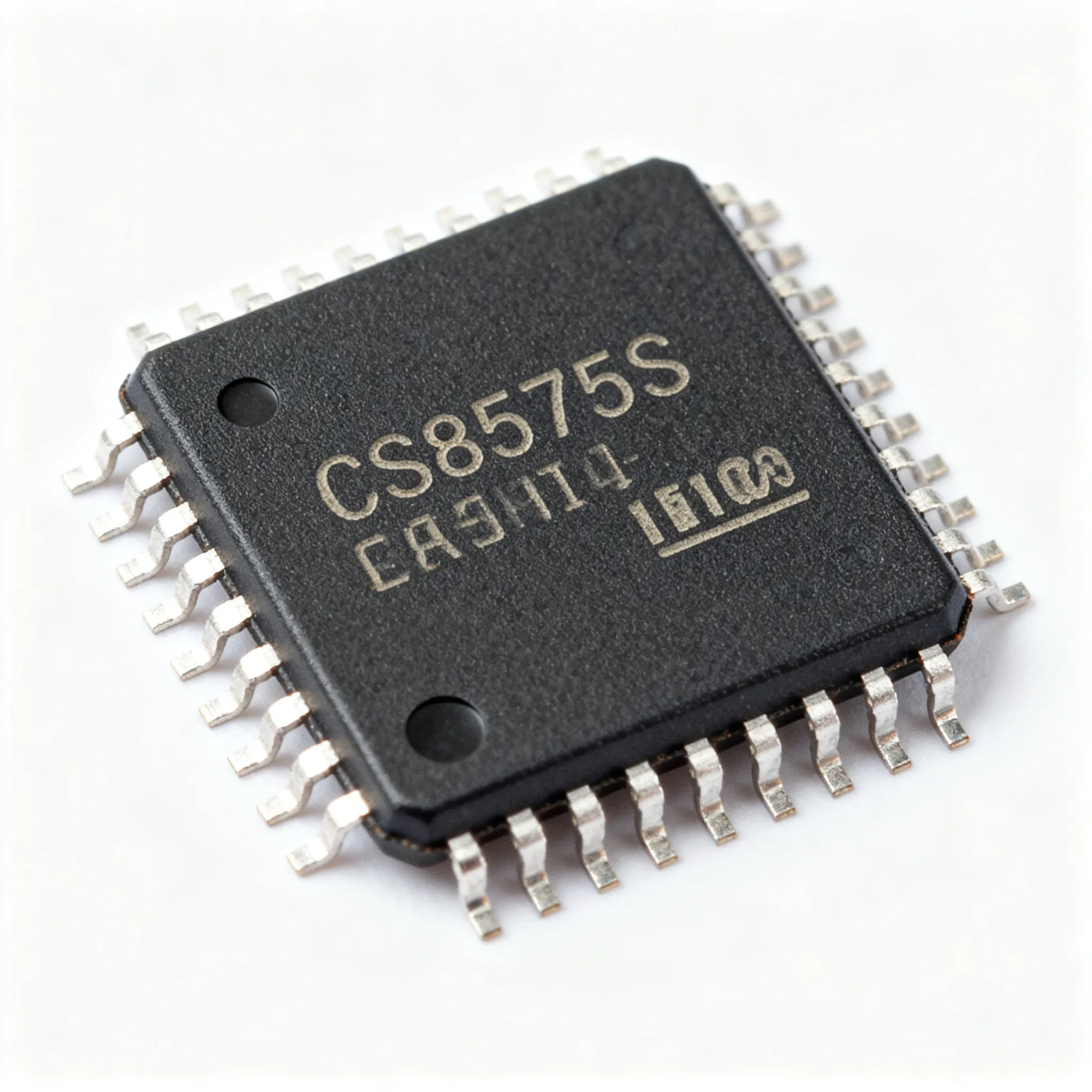
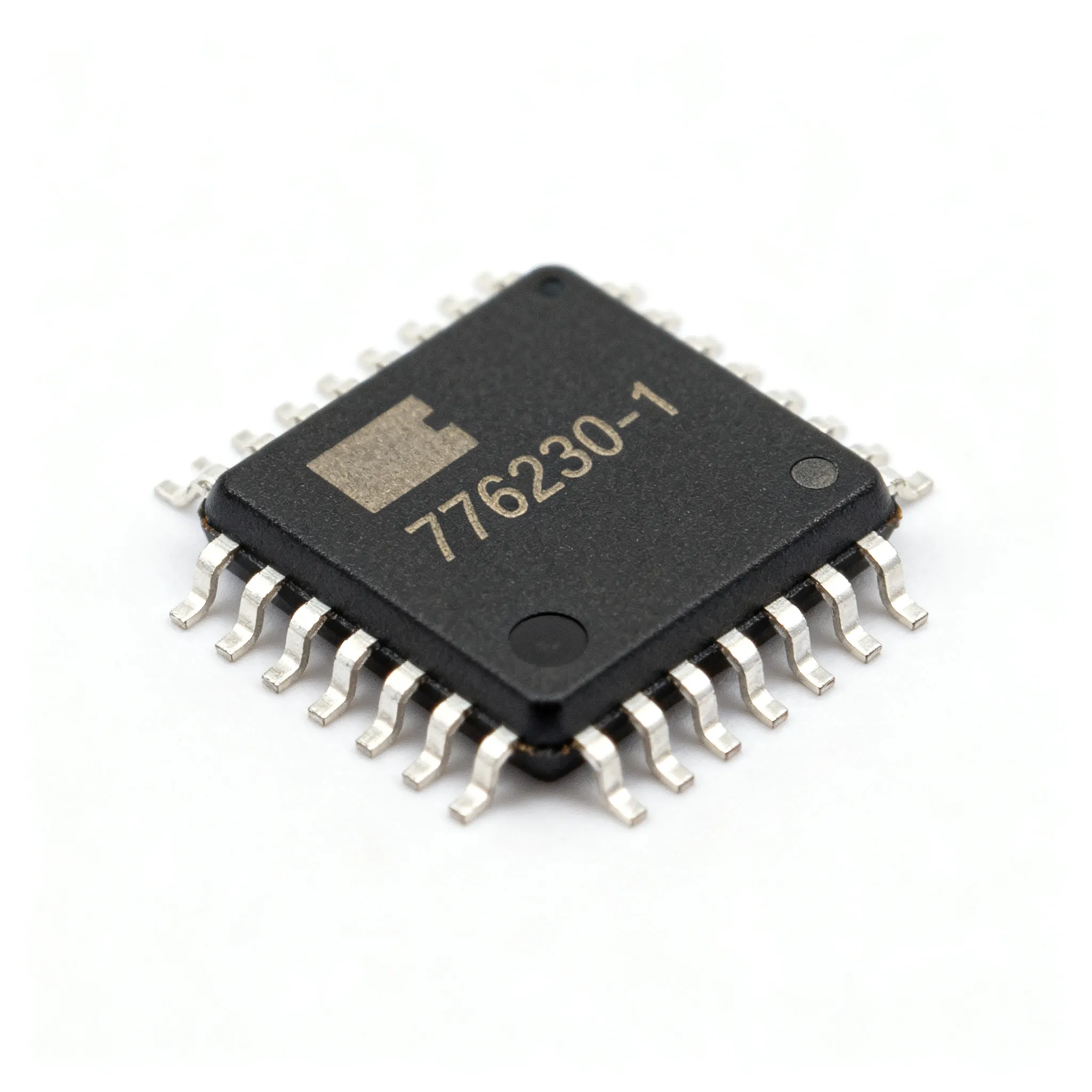
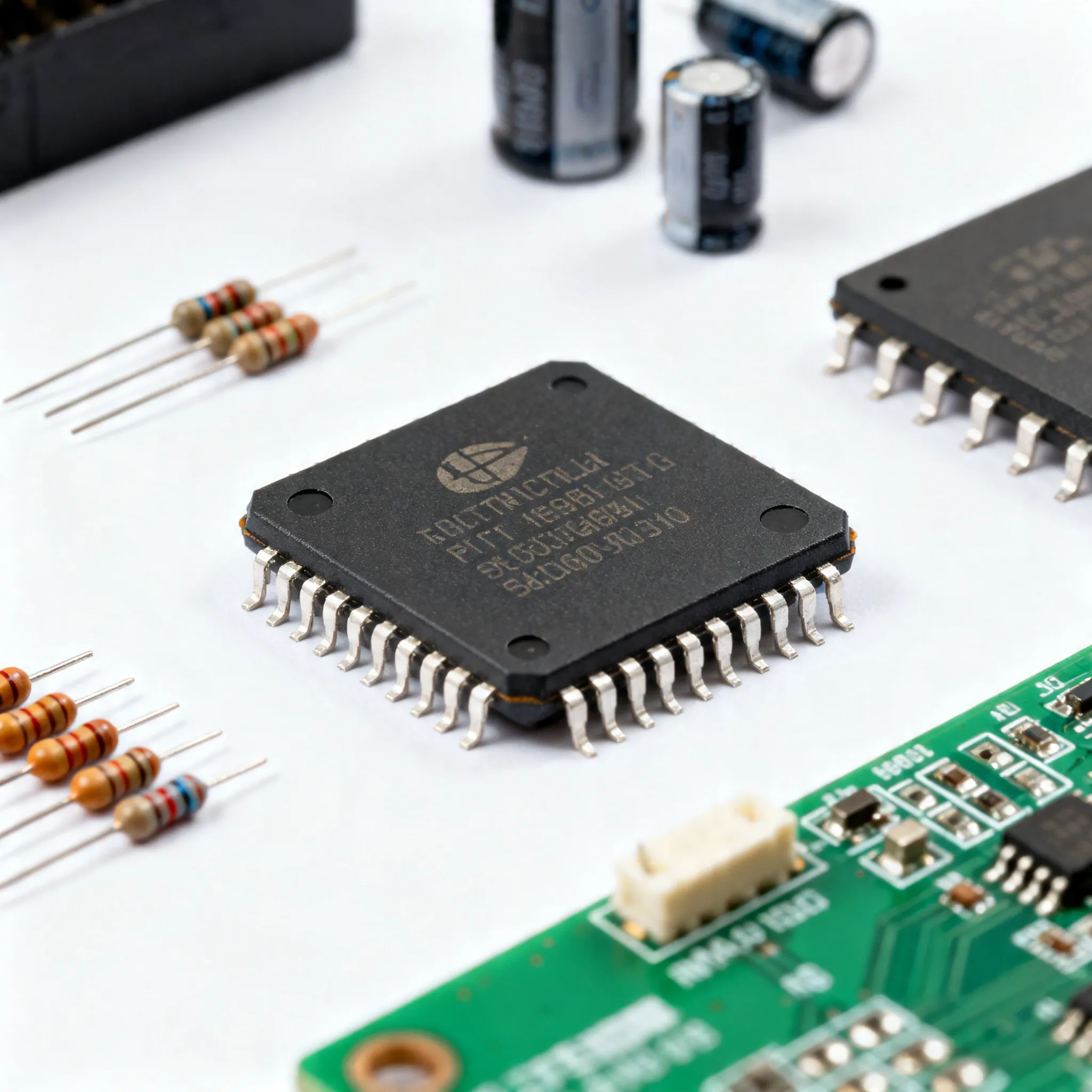
Microcontrollers are compact integrated circuits designed to govern specific operations in an embedded system. They typically include a processor, memory, and input/output peripherals on a single chip. The core of a microcontroller is its central processing unit (CPU), which executes instructions from the program stored in its memory. Microcontrollers are distinguished by their ability to perform tasks with minimal external components, making them ideal for applications where space and power are limited.
The architecture of microcontrollers varies across different families and manufacturers, but they generally fall into two categories: 8-bit and 32-bit. 8-bit microcontrollers, such as the ATmega328P, are used in simpler applications like small appliances and toys. In contrast, 32-bit microcontrollers, like the STM32F103CBT6, are preferred for more complex applications requiring greater processing power and memory, such as automotive systems and advanced consumer electronics.
Modern microcontrollers are equipped with various peripherals to enhance functionality, including analog-to-digital converters (ADCs), digital-to-analog converters (DACs), timers, and communication interfaces like I2C, SPI, and UART. These features make microcontrollers versatile and adaptable to a wide range of applications, from simple control tasks to complex data processing.
Detailed Specifications
Table 1: Electrical Specifications
| Parameter | Description | Value | Units | Notes |
|---|---|---|---|---|
| Operating Voltage | Supply voltage range | 1.8 - 5.5 | V | Typical for 8-bit MCUs |
| CPU Frequency | Maximum clock speed | 72 | MHz | STM32F103CBT6 |
| Flash Memory | Program storage capacity | 256 | KB | Internal flash |
| SRAM | Data memory capacity | 64 | KB | Static RAM |
| EEPROM | Non-volatile memory | 4 | KB | For data retention |
| GPIO Pins | Number of general-purpose I/O pins | 48 | Pins | Configurable |
| ADC Resolution | Analog-to-digital converter resolution | 12 | Bits | High precision |
| DAC Channels | Number of DAC channels | 2 | Channels | For analog output |
| I2C Interface | Number of I2C interfaces | 3 | Interfaces | For communication |
| SPI Interface | Number of SPI interfaces | 2 | Interfaces | Serial Peripheral Interface |
| UART Interface | Number of UART interfaces | 4 | Interfaces | Universal Asynchronous Receiver-Transmitter |
Table 2: Thermal & Mechanical Specs
| Parameter | Description | Value | Units | Notes |
|---|---|---|---|---|
| Operating Temperature | Temperature range for operation | -40 to 85 | °C | Industrial grade |
| Storage Temperature | Temperature range for storage | -65 to 150 | °C | Non-operational |
| Package Type | Physical package format | LQFP | - | Low-profile quad flat package |
| Package Dimensions | Size of the package | 10x10 | mm | Standard size |
| Thermal Resistance | Junction-to-ambient thermal resistance | 35 | °C/W | Depends on PCB design |
| Weight | Weight of the package | 0.5 | g | Approximate |
| Pin Count | Total number of pins | 64 | Pins | Includes GPIO and power pins |
| Lead Finish | Material finish of the leads | Matte Tin | - | RoHS compliant |
| Soldering Temperature | Maximum temperature for soldering | 260 | °C | Reflow soldering |
Table 3: Application Comparison
| Application | MCU Model | Core Features | Advantages | Notes |
|---|---|---|---|---|
| Home Automation | ESP32-S3 | Wi-Fi, Bluetooth | Wireless connectivity | Supports IoT applications |
| Industrial Control | STM32F103CBT6 | High-speed processing | Reliability in harsh environments | Wide temperature range |
| Consumer Electronics | ATmega328P | Low power consumption | Ideal for battery-operated devices | Common in Arduino projects |
| Automotive | STM32F446RE | Advanced peripherals | Real-time performance | Compliance with automotive standards |
| Medical Devices | MSP430G2553 | Ultra-low power | Extended battery life | Used in portable medical devices |
| Wearable Technology | nRF52832 | Bluetooth Low Energy | Seamless connectivity | Compact design for wearables |
Design Considerations
Designing with microcontrollers involves careful consideration of several factors to ensure optimal performance and reliability. Selecting the right microcontroller requires a thorough understanding of the application requirements, such as processing power, memory size, and peripheral interfaces. The choice between 8-bit and 32-bit microcontrollers depends on the complexity and performance needs of the application. For instance, applications requiring simple control tasks and low power consumption can benefit from 8-bit microcontrollers like the ATmega328P, while more demanding applications may require the capabilities of 32-bit microcontrollers such as the STM32F103CBT6.
Power management is a critical aspect of microcontroller design, especially for battery-powered applications. Designers must consider the power consumption of the microcontroller in different modes, including active, sleep, and deep sleep modes. Utilizing low-power features and optimizing firmware can significantly extend battery life in portable devices.
The integration of peripherals is another important consideration. Microcontrollers with built-in peripherals such as ADCs, DACs, and communication interfaces can reduce the need for additional components, simplifying the design and reducing costs. However, designers must ensure that the microcontroller’s peripherals meet the specific requirements of the application, such as resolution and sampling rate for ADCs.
Thermal management is crucial for maintaining the reliability and longevity of microcontrollers. Designers should consider the thermal resistance of the package and implement appropriate cooling solutions if necessary. Ensuring adequate heat dissipation through proper PCB design and layout can prevent overheating and thermal degradation.
Step-by-Step Guide
- Define Application Requirements: Begin by clearly defining the application requirements, including processing power, memory, peripherals, and power consumption. This will guide the selection of the appropriate microcontroller.
- Select the Microcontroller: Use the defined requirements to select a microcontroller that meets the application's needs. Consider factors such as CPU architecture, memory size, peripheral interfaces, and power management features.
- Design the Circuit: Create a schematic diagram of the circuit, incorporating the selected microcontroller and any necessary external components. Ensure that the power supply, clock source, and reset circuitry are properly configured.
- Develop the Firmware: Write the firmware to control the microcontroller and perform the required tasks. Utilize development tools and IDEs provided by the microcontroller manufacturer to simplify the coding process.
- Prototype the Design: Build a prototype of the circuit on a breadboard or PCB to test the functionality and performance of the design. Verify the operation of the microcontroller and peripherals.
- Test and Debug: Thoroughly test the prototype to identify any issues or bugs. Use debugging tools to analyze the operation of the microcontroller and make necessary adjustments to the firmware and hardware.
- Optimize the Design: Optimize the design for production by refining the circuit layout, minimizing power consumption, and ensuring compliance with relevant standards. Consider factors such as cost, size, and manufacturability.
- Finalize the Product: Once the design is optimized and tested, finalize the product for mass production. Prepare the necessary documentation, including schematics, PCB layouts, and firmware, for manufacturing.
Common Issues & Solutions
Designing with microcontrollers can present several challenges, but understanding common issues and their solutions can help engineers overcome these obstacles.
-
Issue: Insufficient Memory
Solution: Optimize the code to reduce memory usage. Consider using external memory if the on-chip memory is insufficient. -
Issue: Overheating
Solution: Improve thermal management by enhancing heat dissipation through proper PCB design and using heat sinks if necessary. -
Issue: Communication Errors
Solution: Ensure proper configuration of communication interfaces and check for signal integrity issues. Use error-checking protocols to improve reliability. -
Issue: Power Supply Noise
Solution: Implement proper power supply filtering and decoupling techniques to minimize noise and ensure stable operation. -
Issue: Firmware Bugs
Solution: Use debugging tools to identify and resolve firmware issues. Implement thorough testing and validation procedures. -
Issue: Peripheral Conflicts
Solution: Carefully manage the configuration and usage of peripherals to avoid conflicts and ensure proper operation.
Applications & Use Cases
Microcontrollers find applications in a wide range of industries due to their versatility and adaptability. In the automotive sector, microcontrollers like the STM32F446RE are used to control engine functions, manage infotainment systems, and enhance safety features. In the medical field, microcontrollers such as the MSP430G2553 enable the development of portable medical devices with extended battery life. Consumer electronics benefit from microcontrollers like the ESP32-S3, which provide wireless connectivity for smart home devices and wearables. Industrial automation relies on robust microcontrollers like the STM32F103CBT6 for reliable control and monitoring of machinery and processes.
Selection & Sourcing Guide
Selecting the right microcontroller for a specific application involves evaluating various factors such as performance, power consumption, and peripheral integration. Engineers can explore a wide range of microcontrollers and related components on platforms like IC Online. This authorized distributor offers competitive pricing and fast delivery, making it a reliable source for electronic components.
FAQ
-
What is a microcontroller?
A microcontroller is a compact integrated circuit designed to govern specific operations in an embedded system, typically including a processor, memory, and input/output peripherals. -
What are the main differences between 8-bit and 32-bit microcontrollers?
8-bit microcontrollers are used for simpler applications with lower processing requirements, while 32-bit microcontrollers offer higher processing power and are suited for more complex applications. -
How do I choose the right microcontroller for my application?
Consider factors such as processing power, memory, peripherals, power consumption, and application requirements to select the appropriate microcontroller. -
What is the role of peripherals in microcontrollers?
Peripherals enhance the functionality of microcontrollers by providing additional capabilities such as ADCs, DACs, and communication interfaces. -
How can I manage power consumption in microcontroller designs?
Utilize low-power features, optimize firmware, and select microcontrollers with efficient power management to