The Evolution of Autonomous Driving Solutions: From ADAS to Full Autonomy
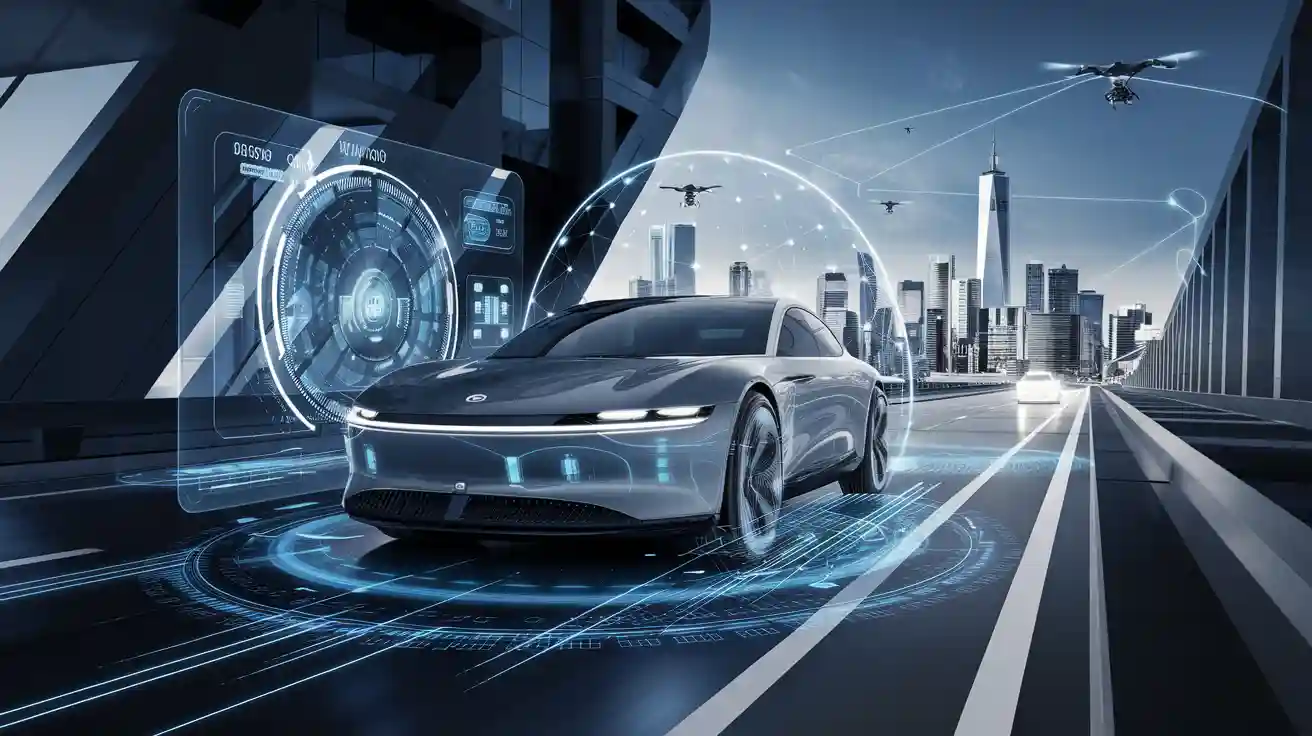
You’ve probably noticed cars with smart features like cruise control. Some also help keep the car in its lane. These tools are called ADAS and are the start of autonomous driving solutions. They make driving safer by cutting down on mistakes. Self-driving cars could change how we travel. They might make getting around easier and faster. As they improve, these cars could change cities and transportation.
You’ve probably noticed cars with smart features like cruise control. Some also help keep the car in its lane. These tools are called ADAS and are the start of autonomous driving solutions. They make driving safer by cutting down on mistakes. Self-driving cars could change how we travel. They might make getting around easier and faster. As they improve, these cars could change cities and transportation.
Key Takeaways
-
ADAS features like auto braking and lane help make driving safer.
-
Learning about SAE J3016 levels shows how cars go from basic help to fully driving themselves.
-
Tools like AI, combining sensors, and car-to-car talk are key for making smarter, safer self-driving cars.
-
Teamwork between companies and scientists speeds up self-driving progress and sets worldwide safety rules.
-
The future has self-driving cars that boost safety, help more people, and improve cities, making travel simple for all.
ADAS and the Levels of Driving Automation
What is ADAS and Why is it Important?
Advanced Driver Assistance Systems (ADAS) are tools that help make driving safer. You might have seen features like emergency braking or lane warnings in cars. These systems aim to lower accidents caused by human mistakes, which happen a lot.
ADAS is a big step toward self-driving cars. It includes safety features like spotting pedestrians, parking help, and checking if drivers are tired. These tools connect regular driving with fully self-driving cars.
ADAS not only makes cars safer but also prepares them for full autonomy. It lets cars do tasks that drivers used to handle, moving closer to self-driving systems.
SAE J3016: Explaining Driving Automation Levels
The Society of Automotive Engineers (SAE) created a guide called SAE J3016. This guide explains the five levels of self-driving cars, from basic help to full autonomy.
Here’s a simple breakdown:
|
Level of Automation |
What It Does |
|---|---|
|
Level 1 |
Basic Driver Help |
|
Level 2 |
Some Driver Assistance |
|
Level 3 |
Conditional Self-Driving |
|
Level 4 |
Almost Fully Self-Driving |
|
Level 5 |
Fully Self-Driving |
SAE J3016 helps people understand each level. For example, Levels 3-5 focus on cars doing most or all driving tasks. Groups like the National Highway Traffic Safety Administration (NHTSA) use this guide to make rules for self-driving cars.
Moving from Level 1 to Level 5 Automation
Getting from Level 1 to Level 5 needs big tech improvements. At Level 1, cars have simple features like cruise control. At Level 2, cars can steer and speed up at the same time, but you still need to watch the road.
At Level 3, cars can drive themselves in certain situations, like on highways. Level 4 means cars can drive alone in most cases. Level 5 is full self-driving, where no human help is needed.
Some key steps in this journey include:
-
Advanced Sensor Suite: Tools like LiDAR, radar, and cameras help cars "see" their surroundings.
-
Artificial Intelligence (AI): AI helps cars quickly understand data and make decisions.
-
Vehicle-to-Everything (V2X) Communication: Cars share info about roads and dangers with each other.
-
High-Definition (HD) Maps: Detailed maps help cars navigate and avoid obstacles.
Level 5 self-driving could change how we travel. It might help people with disabilities and older adults get around more easily, making transportation fairer for everyone.
Technological Foundations of Autonomous Driving Solutions
Sensor Technologies: Cameras, LIDAR, RADAR, and Ultrasonics
Sensors act like the car's eyes and ears. They help cars notice things around them and decide what to do. Cameras take clear pictures, which help spot road signs and people. But they don’t work well in the dark or bad weather. LIDAR creates detailed 3D maps, even at night, but it costs a lot and struggles in rain or fog. RADAR can find faraway objects and works in bad weather, but its images aren’t very clear. Ultrasonic sensors are great for parking but have trouble with soft or tiny objects.
Using all these sensors together, called sensor fusion, makes cars smarter. By mixing data from different tools, cars can understand their surroundings better. This improves safety and makes driving more reliable.
Artificial Intelligence and Machine Learning in Autonomous Vehicles
Artificial intelligence (AI) and machine learning are like the car’s brain. They use sensor data to make quick decisions while driving. For example, Tesla collects data from its cars to improve its self-driving features. AI also lets cars practice driving in virtual worlds before going on real roads. These tools help cars recognize road signs faster than people can.
AI technology has become cheaper, so more car companies can use it. This helps speed up the creation of safer driving systems and fully self-driving cars. It brings us closer to a future where cars drive themselves.
Human-Machine Interfaces and Driver Interaction
Human-machine interfaces (HMIs) help you and the car work together. Modern HMIs are easy to use and make driving safer. For example, some cars use sensors to check your mood and adjust settings to make you comfortable. But people in different cultures may understand signals differently, which can cause confusion.
HiSilicon creates advanced HMI designs that focus on safety and ease of use. Their technology improves how you interact with self-driving cars. To learn more, visit HiSilicon Solution.
Regulatory and Safety Challenges in ADAS and Beyond
As ADAS features become more common, safety rules are needed. Making these rules is tricky because technology changes so fast. Governments and groups worldwide are trying to keep up, but there are still problems.
One big problem is the lack of shared rules. Different countries have their own laws for ADAS and emergency braking systems. This makes it hard for carmakers to meet global standards. For instance, Germany uses crash data to study ADAS safety. In the U.S., studies focus on how ADAS can lower crashes and injuries. These examples show why global rules are important.
Testing these systems is another challenge. ADAS uses tools like driver monitoring and emergency braking to avoid accidents. But how can we be sure they work in all situations? Extreme weather or odd road conditions make testing tough. Switzerland has looked into how automated cars can help teach drivers. Better training might help people trust these systems more.
AI-powered monitoring systems also bring up privacy concerns. These tools watch drivers to keep them alert but collect personal data. Regulators must find a balance between safety and privacy.
Here’s a quick look at some key ADAS safety studies:
|
Study Description |
Location |
Findings |
|---|---|---|
|
ADAS safety effects through crash studies |
Various |
Shows how ADAS can improve safety using crash data. |
|
Fahrerassistenzsysteme |
Germany |
|
|
Crash reduction potential of ADAS |
USA |
Explores how ADAS can lower crashes and injuries. |
|
Automated vehicles in driver training |
Switzerland |
Looks at how automated cars can improve driver education. |
To move forward, clear and fair rules are needed. These rules should make ADAS safer while protecting your privacy.
Transitioning to Higher Levels of Autonomy
Level 3 and Level 4: Conditional and High Automation
Cars are getting smarter with Level 3 and Level 4 automation. At Level 3, the car drives itself in certain situations. You still need to be ready to take over. For example, it might drive on highways but need help in construction zones.
Level 4 cars go further. They can drive alone in most places, like cities or special lanes. But they struggle with bad weather or unknown roads.
Studies show these levels change how you interact with the car. Research says people trust the system more and pay less attention. This makes it harder to take control when needed. Clear communication between you and the car is very important during these changes.
|
Evidence Type |
Findings |
Implications |
|---|---|---|
|
Driver Engagement |
Shows less readiness for manual control during automation. |
|
|
Authority Allocation |
Drivers trusted the system more in automated cases. |
Better transitions improve safety and control. |
|
Performance Metrics |
Cars stayed in lanes better with driver-system teamwork. |
Driver focus helps improve car performance. |
Car makers are adding tools to keep you safe. For example, countdown timers remind you to take control when needed. These features make moving to Level 4 safer and easier for you.
Key Innovations: V2X Communication and HD Mapping
Two new technologies, V2X communication and HD mapping, are helping cars become smarter. V2X lets cars share info with other cars, traffic lights, and even people. This helps cars "see" dangers that sensors might miss. For example, V2X helps cars adjust speeds to avoid traffic jams and stay safe.
HD mapping works with V2X by giving cars detailed maps. These maps show road shapes, lane lines, and signs. Companies like TomTom and Mitsubishi Electric are making these maps better. BMW uses HD maps in its 7 Series cars to improve Level 3 driving.
-
V2X helps cars plan and react better to dangers.
-
It lets cars gather info beyond what sensors can see.
-
HD maps give cars the data they need to drive safely.
-
Groups like ZF are working to make digital maps standard for all cars.
These tools are key for smarter cars. They help cars handle tricky roads while keeping you safe.
Addressing Challenges: Edge Cases, Weather, and Ethical Dilemmas
Even with new tech, self-driving cars face tough problems. Strange road layouts or unexpected actions by people can confuse cars. Bad weather, like heavy rain or snow, makes it hard for sensors to work.
Ethical problems make things even harder. Imagine a car choosing between protecting you or avoiding harm to someone else. Cars use computer programs to decide, but these choices can be unfair. People who buy self-driving cars often want systems that keep them safe first. This raises questions about fairness for everyone.
To solve these problems:
-
Engineers create programs that focus on fair outcomes for all.
-
Testing low-risk situations helps build trust in self-driving cars.
-
Rules are being made to ensure decisions match public values.
-
Ethical choices matter for people thinking about buying self-driving cars.
-
Many want cars that protect them first, but this creates fairness issues.
-
Solving these problems is key for making self-driving cars widely accepted.
By fixing these challenges, self-driving cars can become a safe and fair part of your life.
Industry Collaboration in Advancing Autonomous Vehicles
Leading Companies in Autonomous Driving Solutions
Some companies are leading the way in self-driving technology. Mobileye has made tools to help drivers in over 125 million cars. In 2023, Guidehouse Insights and ABI Research called it a top company in this field. Waymo is another important company. It tests self-driving electric cars and runs ride-hailing services in Phoenix and San Francisco. Waymo also got a permit from California to charge for driverless rides.
These companies are making self-driving systems safer and better. Their work on ADAS technology helps move toward fully self-driving cars.
|
Company |
Contributions |
Recognition |
|---|---|---|
|
Mobileye |
Created driver assistance tools for over 125 million cars. |
Named a leader in self-driving tech by Guidehouse Insights and ABI Research in 2023. |
|
Waymo |
Tests self-driving EVs and runs ride-hailing in Phoenix and San Francisco. |
Got a permit from California to charge for driverless rides. |
Partnerships and Alliances Driving Innovation
Teamwork is key to improving self-driving technology. Volvo Car Group works with partners to create new ideas and tools. These partnerships helped Volvo switch from older systems to faster, modular platforms. This change makes it easier to develop and use new technology.
Working together shows how sharing knowledge can solve problems. Partnerships help companies build smarter ADAS systems faster.
-
Volvo Car Group’s teamwork creates new ideas and tools.
-
Partnerships help switch to faster, modular platforms.
-
Teamwork speeds up progress in self-driving technology.
Global Collaborations and Standardization Efforts
Worldwide teamwork is needed to solve tough self-driving challenges. Mcity, a research center, works with companies to fix mobility problems. Their teamwork has led to strong research and new technology. For example, Mcity focuses on connected cars and self-driving vehicles, using new tools to stay ahead.
Another example is the MARS dataset, made by NYU Tandon and May Mobility. This dataset helps cars see better and stay safer. These projects show how shared rules and data help everyone move forward.
|
Collaboration |
Key Outcomes |
|---|---|
|
NYU Tandon & May Mobility |
Created the MARS dataset to improve safety and car awareness. |
|
Mcity & Industry Partners |
Solved mobility problems and made progress through teamwork. |
By working together, companies and researchers make better solutions. These efforts ensure self-driving cars are safe and meet global standards.
The Future of Mobility with Autonomous Vehicles
Full Autonomy: The Vision for Level 5
Picture cars driving themselves without any help from people. This is the goal for Level 5 vehicles, the highest level of self-driving technology. These cars could handle all types of roads, from busy cities to quiet countryside, without needing a steering wheel or pedals.
But reaching full autonomy is very challenging. Experts say fully self-driving cars might not be ready until 2035. Right now, most work focuses on Level 4 cars, which operate in controlled areas like robo-taxi zones. Level 5 cars face tough problems, like handling unexpected situations and using advanced tools to make quick decisions.
Even though it’s hard to achieve, Level 5 cars could bring big benefits. They might change transportation by making it safer and more efficient for everyone.
Societal Impacts: Safety, Accessibility, and Urban Development
Self-driving cars offer more than just convenience; they could improve society in big ways. By removing human mistakes, these cars aim to make roads safer. Studies show people support self-driving cars more when they learn about their safety benefits.
Another benefit is better access to transportation. Fully self-driving cars could help older adults, people with disabilities, and those with less money. These cars could provide cheaper, more comfortable, and reliable travel options, making it easier for everyone to get around.
Cities might also change. With fewer crashes and smoother traffic, urban areas could focus more on walking paths and parks. Self-driving cars could help create safer, greener, and smarter cities.
|
Aspect |
Findings |
|---|---|
|
Initial Support for AVs |
26.4% (95% CI 24.0–29.0) |
|
Support after Benefits |
Increased to majority support |
|
Target Groups for AVs |
Older adults, low-income individuals, vision-impaired individuals |
Integration with Smart Cities and IoT Ecosystems
The future of transportation isn’t just about self-driving cars. It’s also about how they connect with smart cities and IoT systems. Imagine cars talking to traffic lights, parking lots, and even your phone. This connection helps cars avoid dangers, plan routes, and handle traffic better.
Smart cities with IoT tools can make self-driving cars even smarter. Sensors in roads and buildings can send live updates to cars, helping them make better choices. For example, a smart city could warn a car about a closed road, so it can quickly find another way.
This teamwork could make travel easier and cleaner. It might cut down traffic jams, improve air quality, and make city life more efficient. Self-driving cars and IoT systems together could change how cities work and how you move around them.
The shift from ADAS to fully self-driving cars has been amazing. Cars have gone from simple tools like anti-lock brakes to systems that can partly drive themselves. In 2013, Level 1 automation brought basic driver help. By 2023, Level 2 systems added more advanced features. By 2030, Level 3 cars might make up 15% of all sales, offering full autonomy.
New ideas have been key to this progress. Lighter materials, cleaner air standards, and stronger parts have made cars safer and better. Teamwork between industries has sped up these changes, helping meet worldwide rules.
In the future, self-driving cars could make roads safer and cities smarter. These cars will connect with IoT systems to improve travel. They’ll make getting around easier, greener, and fairer for everyone.
|
Year |
Automation Level |
Features and Progress |
|---|---|---|
|
2013 |
Level 1 |
Anti-lock brakes and cruise control |
|
2023 |
Level 2 |
Advanced driver aids, moving toward Level 3 |
|
2030 |
Level 3 |
Partial self-driving, 15% of car sales |
|
Innovation Focus |
Details |
|---|---|
|
ADAS |
Protecting sensors with lightweight materials to block interference. |
|
Lightweight Materials |
Using composites to make cars lighter and stronger. |
|
Air Quality Standards |
Creating cleaner materials for car interiors. |
|
Durability |
Making car parts last longer with scratch-resistant coatings. |
|
Lower VOCs |
Using colorants instead of paint to cut emissions and costs. |
FAQ
What is the difference between ADAS and autonomous driving?
ADAS helps drivers with safety tools like lane-keeping and braking. Autonomous driving lets cars drive themselves, depending on their level. ADAS is an early step toward fully self-driving cars.
How do self-driving cars handle bad weather?
Self-driving cars use tools like RADAR and LIDAR to spot things. But heavy rain or snow can make these tools less accurate. Engineers are improving sensors and software to handle bad weather better.
Are self-driving cars safe?
Self-driving cars aim to lower crashes caused by human mistakes. They use smart sensors, AI, and go through strict testing. While not perfect yet, they are getting safer as technology improves.
When will fully autonomous cars be available?
Experts think fully self-driving cars (Level 5) may arrive by 2035. Right now, work focuses on Level 4 cars in controlled areas. Progress depends on fixing tech and rule-making challenges.
Can self-driving cars communicate with each other?
Yes, they use V2X communication to share traffic and road info. This helps cars "see" dangers and plan better, making driving safer and smoother.