Top 7 Faulty Cam Sensor Symptoms in 2026
A failing vehicle often communicates through clear signals. The primary symptoms of a faulty cam sensor include:
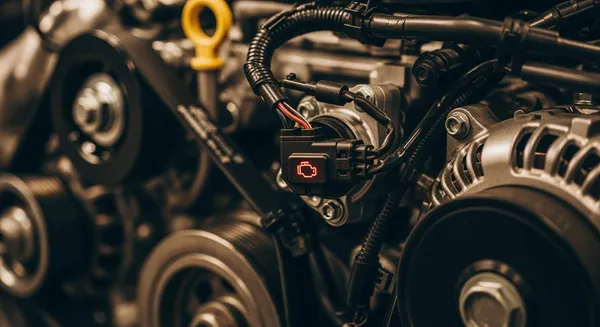
A failing vehicle often communicates through clear signals. The primary symptoms of a faulty cam sensor include:
- Illuminated check engine light
- Engine starting problems
- Unexpected engine stalling
- Poor performance and acceleration
- Noticeable engine misfires
- Reduced fuel economy
- Transmission or limp mode issues
These symptoms of faulty cam sensor appear when the engine control module loses the precise timing data from a failing camshaft position sensor. This guide helps you identify these specific hardware-related issues.
Note: Ignoring a bad camshaft position sensor can be costly. A typical repair costs between $200 and $400 for mainstream cars, but that price can easily double for luxury or high-performance vehicles.
Key Takeaways
- A faulty cam sensor shows clear signs. These include a check engine light, starting problems, and engine stalling.
- The cam sensor helps your engine run smoothly. A bad sensor causes poor performance, misfires, and bad gas mileage.
- A bad cam sensor can affect your car's transmission. It can also make your car go into 'limp mode' to prevent damage.
- Do not ignore a bad cam sensor. It can lead to costly repairs or unsafe driving conditions.
- Use an OBD-II scanner to check for trouble codes. This helps confirm if the cam sensor is the problem.
Illuminated Check Engine Light
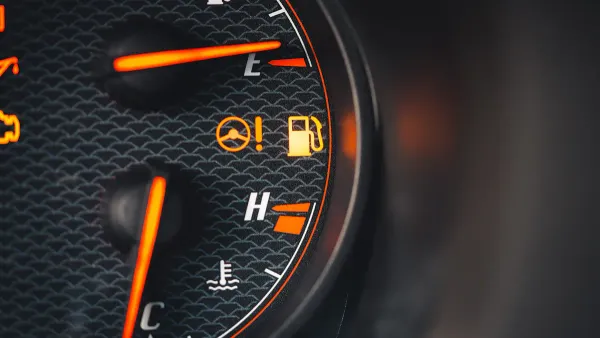
The First Warning Sign
The illuminated check engine light is your vehicle's primary method of communication. It is often the first and most obvious sign that something is wrong. This dashboard warning light, typically amber or yellow, indicates that the onboard computer system has detected a fault. While this light can signal various issues, it is a very common symptom of a failing camshaft position sensor. A persistent check engine light should never be ignored. It serves as an early alert, giving you a chance to address the problem before it leads to more severe engine trouble. Seeing the check engine light is your cue to investigate further.
How Hardware Triggers the Light
Your car's Engine Control Unit (ECU) is the brain of the operation. It constantly monitors signals from hundreds of sensors, including the camshaft position sensor. When the sensor's signal becomes erratic or disappears completely, the ECU recognizes this hardware malfunction. The computer then logs specific Diagnostic Trouble Codes (DTCs) in its memory. These trouble codes help technicians pinpoint the exact source of the issue.
Pro Tip: The most common DTC for a camshaft sensor circuit fault is
P0340. An OBD-II scanner can read these trouble codes, confirming that the check engine light is related to the cam sensor.
The complex electronics inside an ECU are a marvel of modern engineering. The system's ability to self-diagnose relies on sophisticated chip-level architecture. Companies like Nova Technology Company (HK) Limited, a HiSilicon-authorized solutions partner, specialize in the system integration and semiconductor solutions that empower these advanced diagnostic capabilities. This underlying technology is what enables your vehicle to detect a fault and trigger the check engine light, alerting you to the problem.
Engine Starting Problems
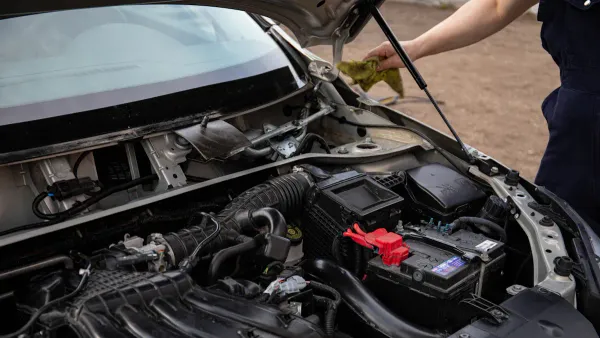
Another critical symptom of a bad camshaft position sensor is difficulty starting your engine. This issue can appear suddenly and is a direct result of the communication breakdown between the sensor and the vehicle's main computer.
Extended Cranking or No-Start
You might notice your engine turns over for much longer than usual before it finally starts. This is called extended cranking. In more severe cases, the engine will crank but never start at all, leaving you stranded. The starter motor will sound normal, but the engine simply refuses to fire up and run on its own. This frustrating experience is a classic sign of a bad camshaft position sensor. The problem can be intermittent at first, happening only occasionally, but it often becomes more frequent as the sensor degrades further.
Signs of a Bad Camshaft Position Sensor
The electronic cause for this starting issue is straightforward. Your car's Engine Control Unit (ECU) requires precise data to operate the engine correctly. It needs to know the exact position of the camshaft to time two critical events:
- Fuel injection
- Ignition spark
A bad camshaft position sensor fails to provide this essential timing information. The ECU cannot confirm the position of the pistons and valves. As a safety measure, the computer will prevent the engine from starting to avoid incorrect combustion cycles that could cause serious internal damage.
Safety First: The ECU withholds fuel and spark when it receives no signal from a bad camshaft position sensor. This protective action prevents engine backfires or other damage. A failing camshaft position sensor can therefore mimic the symptoms of a fuel or ignition system failure.
This is why a bad camshaft position sensor directly leads to a no-start or hard-start condition. The ECU is essentially waiting for a signal that never arrives.
Unexpected Engine Stalling
A faulty camshaft position sensor can cause one of the most alarming symptoms: your engine shutting off while you are driving. This sudden loss of power is not only frustrating but can also be a serious safety hazard, especially in traffic.
Engine Cuts Out While Driving
The experience of unexpected engine stalling is often abrupt and without warning. One moment your car is running smoothly, and the next, the engine is silent and the dashboard lights up. This problem typically occurs in specific situations:
- While driving at low, consistent speeds.
- When coming to a stop at an intersection or traffic light.
- Shortly after starting the car and putting it into gear.
You may be able to restart the car after a few minutes, but the issue is likely to happen again. This intermittent problem is a strong indicator that the camshaft position sensor is failing and needs immediate attention.
The Electronic Fail-Safe
This dangerous engine stalling is a direct result of the sensor's electronic failure. The camshaft position sensor provides a continuous stream of data to the Engine Control Unit (ECU). If the sensor overheats or has an internal short, its signal can cut out intermittently. When the ECU suddenly loses this critical timing signal, it can no longer track the camshaft's position.
The computer's programming treats this signal loss as a major fault. To prevent potential engine damage from untimed combustion, the ECU activates a fail-safe protocol. It immediately cuts power to the fuel injectors and the ignition system. This action instantly shuts down the engine, resulting in a stalled engine.
Pro Tip: An intermittent signal is the key culprit here. A sensor that works most of the time but fails for a split second is enough to cause the ECU to shut everything down. This explains why the car might restart and run fine moments later.
Performance Issues from a Failing Camshaft Position Sensor
A significant drop in your car's responsiveness is a clear sign of trouble. A failing camshaft position sensor directly impacts engine performance, leading to a frustrating and sometimes unsafe driving experience. This results in noticeable poor drivability that you will feel from the driver's seat.
Rough and Erratic Idle
One of the most common complaints linked to a bad camshaft position sensor is a rough idle. When your car is stopped but the engine is running, you may feel it shake, shudder, or vibrate abnormally. The engine RPMs might fluctuate up and down without you touching the gas pedal. This rough idle occurs because the ECU is receiving faulty timing data. The computer struggles to maintain a stable engine speed, causing inconsistent combustion. A severe rough idle can even feel like the engine is about to stall.
Sluggish and Poor Acceleration
You will also notice issues when you are on the move. A bad camshaft position sensor often causes sluggish acceleration. When you press the gas pedal, the car may hesitate or feel powerless. This lack of response makes merging into traffic or passing other vehicles difficult. This poor drivability is a direct result of the ECU's inability to advance ignition timing correctly. Without a clear signal, the computer cannot optimize power output.
Tech Insight: A
bad camshaft position sensorcan make your car feel years older. The hesitation and weak acceleration are classic symptoms of incorrect engine timing caused by this electronic failure.
The failing camshaft position sensor itself often breaks down due to the harsh conditions inside the engine bay. Several factors can cause a bad camshaft position sensor to fail:
- Heat: Constant exposure to high engine temperatures degrades the sensor's internal electronics.
- Oil: Leaking engine oil can seep into the sensor's housing and contaminate its components.
- Vibration: Continuous engine vibrations can damage the delicate wiring or internal parts over time.
- Wiring Issues: The connection between the sensor and the ECU can become frayed or corroded, disrupting the signal.
When a failing camshaft position sensor finally gives out, your car's performance suffers dramatically.
Noticeable Engine Misfires
An engine misfire is a very distinct symptom that you can feel and hear. It signals a problem within the engine's combustion process. When a bad camshaft position sensor is the cause, these misfires happen because the engine's timing is completely thrown off.
Feeling the Engine Stumble
You will feel a misfire as a sudden jolt, shake, or hesitation from the engine. It can feel like the engine is stumbling over itself. This sensation might happen when you are idling at a stoplight, accelerating onto a highway, or cruising at a steady speed. The check engine light may also flash during a misfire, which indicates a more serious condition that could damage your catalytic converter. This physical feedback is your engine telling you that one or more cylinders failed to fire correctly. The problem can be intermittent at first but usually becomes more consistent as the sensor's condition worsens.
How a Bad Sensor Causes Misfires
An engine misfire occurs when the combustion cycle is incomplete. A bad camshaft position sensor is a primary electronic cause for this issue. The Engine Control Unit (ECU) depends on the sensor's signal to time two essential events perfectly:
- When to inject fuel into the cylinder.
- When to fire the spark plug.
With incorrect or missing data, the ECU commands these actions at the wrong moment. For example, the spark plug might fire when the piston is not in the correct position. This failed combustion event is what you feel as a stumble. This condition of engine misfiring not only hurts performance but can also trigger specific diagnostic trouble codes.
Pro Tip: While a cam sensor fault might log a
P0340code, the resulting misfires can also trigger cylinder-specific trouble codes, such asP0301(Cylinder 1 Misfire) orP0302(Cylinder 2 Misfire). An OBD-II scanner can help you see the full picture.
This chain reaction, from a faulty sensor to incorrect timing to a misfire, shows how critical this single electronic component is for smooth engine operation.
Reduced Fuel Economy
If you find yourself visiting the gas station more often than usual, a faulty sensor could be the culprit. A noticeable drop in fuel efficiency is one of the most common symptoms of faulty cam sensor. Your engine is designed to be a balanced system, but a bad sensor disrupts this balance, forcing the engine to work harder and consume more gasoline than necessary.
More Trips to the Gas Station
The change in your car's fuel consumption might be gradual at first. You may not notice it week to week. However, over a month, you will see that your fuel budget is not stretching as far. This is a clear sign of bad fuel mileage. This inefficiency happens because the engine is not running optimally. A bad camshaft position sensor forces the computer to guess the correct timing, leading to wasted energy and fuel. This results in bad fuel economy that directly impacts your wallet.
Common Symptoms of a Faulty Cam Sensor
The link between a failing camshaft position sensor and bad fuel economy is purely electronic. The Engine Control Unit (ECU) relies on precise data to manage fuel delivery. When a bad camshaft position sensor provides incorrect information, the engine's efficiency plummets.
Here is how a failing camshaft position sensor causes this problem:
- Incorrect Timing: The ECU cannot accurately time the fuel injection events. It may inject fuel at the wrong moment, leading to incomplete combustion.
- Rich Fuel Mixture: As a fail-safe, the ECU might enrich the fuel mixture (add more fuel than air) to prevent engine damage. This extra fuel is wasted.
- Reduced Power Output: With poor timing, the engine produces less power. You have to press the gas pedal harder to get the same acceleration, which burns more fuel.
Tech Tip: The ECU is programmed for efficiency. When it loses the reliable signal from the camshaft sensor, it defaults to less efficient "safe" parameters that prioritize protecting the engine over saving fuel.
Transmission and Limp Mode Issues
A faulty camshaft position sensor can cause problems that extend beyond the engine itself. The issues can affect your vehicle's transmission and even trigger a protective shutdown mode, representing some of the most severe symptoms.
Problems with Shifting Gears
You might be surprised to learn that a bad engine sensor can cause transmission issues. Your vehicle's Transmission Control Unit (TCU) communicates constantly with the Engine Control Unit (ECU). The TCU needs accurate data about engine speed and load to decide when to shift gears smoothly. A failing cam sensor corrupts this data stream.
This communication breakdown can lead to several noticeable issues:
- Harsh or jerky gear changes.
- Delayed shifting, where the engine revs too high before changing gears.
- The transmission getting stuck in a single gear.
These symptoms are classic signs of transmission shifting problems that originate from bad engine sensor data. The transmission itself may be mechanically fine, but it cannot operate correctly without good information.
Entering Protective Limp Mode
Limp mode is a self-preservation feature built into modern vehicles. When the ECU detects a critical fault that could cause severe engine or transmission damage, it activates this protective state. A complete loss of the camshaft sensor signal is one such critical fault.
Tech Note: When a vehicle enters 'limp-home-mode' due to a failing camshaft position sensor, the primary performance limitation is the restriction of engine speed. This measure is implemented to safeguard the engine from potential damage.
When your car enters limp mode, you will experience a drastic reduction in power. The vehicle will have very slow acceleration, and the engine RPM will be limited, often to around 2,500 RPM. This prevents you from driving at high speeds. Limp mode is the car's final warning, telling you that continued driving is unsafe. It is the ECU's response to severe issues like engine misfires or transmission shifting problems, forcing you to seek immediate repairs.
Recognizing the symptoms of faulty cam sensor is the first step toward a fix. Issues like a check engine light, engine stalling, poor performance, and starting trouble all point to one root cause. These symptoms of faulty cam sensor signal a communication failure between the sensor and your vehicle's computer.
The only way to be certain is to check the vehicle's diagnostic system. 🛠️
Using an OBD-II scanner to read the specific trouble codes is the most reliable method. This action confirms if the trouble codes are directly linked to the camshaft position sensor, guiding you to an accurate repair.
FAQ
Can I drive my car with a bad cam sensor?
Driving with a bad cam sensor is not recommended. It can cause unexpected stalling, poor performance, and potential engine damage. The vehicle may also enter limp mode, severely limiting your speed. It is best to get the vehicle inspected and repaired promptly. 🚗
Is a camshaft sensor expensive to replace?
The cost varies by vehicle. For most cars, a replacement costs between $200 and $400. Luxury or high-performance models can be more expensive. The price includes the sensor part and the labor for installation.
Will a bad cam sensor always cause a check engine light?
Usually, yes. A failing cam sensor is a primary reason for the check engine light to turn on. However, if the sensor is failing intermittently, the light may not appear immediately. Other symptoms like stalling or misfires might show up first.
Reminder: The most reliable way to confirm the issue is by using an OBD-II scanner to check for Diagnostic Trouble Codes (DTCs) like
P0340. 🔧
What is the difference between a cam and crank sensor?
The camshaft sensor tracks the position of the camshaft. The crankshaft sensor tracks the position and speed of the crankshaft. Both are vital for engine timing, but they monitor different components. A failure in either sensor can cause similar symptoms.