Troubleshooting Common Issues with Power Management ICs in Your Designs
Expert guide on Troubleshooting Common Issues with Power Management ICs in Your Designs. Technical specs, applications, sourcing tips for engineers and buyers.
Introduction
Power Management Integrated Circuits (PMICs) are crucial components in modern electronic designs, responsible for managing the power requirements of various circuits. As the demand for efficient and reliable power management grows, understanding the specifications and troubleshooting common issues becomes imperative for electronics engineers. The global semiconductor market has seen significant growth, as highlighted by the Semiconductor Industry Association, indicating the increasing complexity and importance of power management solutions. In this article, we delve into the technical specifications, common issues, and practical guidelines for effectively utilizing PMICs in your designs.
Technical Overview
Power Management ICs are designed to manage the distribution and regulation of power in electronic devices. They perform functions such as voltage regulation, power sequencing, and fault protection. The core principles involve converting and regulating input power to meet the specific requirements of the load. PMICs can integrate multiple functionalities, including DC-DC converters, linear regulators, battery management, and more, into a single package, making them versatile for various applications.
Key features of PMICs include high efficiency, low noise, and thermal management capabilities. These ICs are essential in reducing power consumption and extending battery life in portable devices. Understanding the datasheet specifications, such as input voltage range, output current, and efficiency, is critical for selecting the right PMIC for your application. Additionally, application circuits provided in datasheets offer valuable insights into the optimal use of these components.
Detailed Specifications
| Parameter | Value | Units | Notes |
|---|---|---|---|
| Input Voltage Range | 2.7 - 5.5 | V | Typical range for portable devices |
| Output Voltage | 1.2 - 3.3 | V | Adjustable via external resistors |
| Output Current | 500 | mA | Maximum continuous current |
| Quiescent Current | 50 | µA | Low power consumption in standby |
| Efficiency | 95 | % | Measured at full load |
| Switching Frequency | 1.5 | MHz | High-frequency operation |
| Output Ripple Voltage | 30 | mV | Peak-to-peak voltage |
| Load Regulation | 0.1 | % | Stable output under varying load |
| Line Regulation | 0.05 | % | Stable output with input voltage changes |
| Thermal Shutdown | 150 | °C | Protection against overheating |
| Parameter | Value | Units | Notes |
|---|---|---|---|
| Operating Temperature Range | -40 to 125 | °C | Suitable for harsh environments |
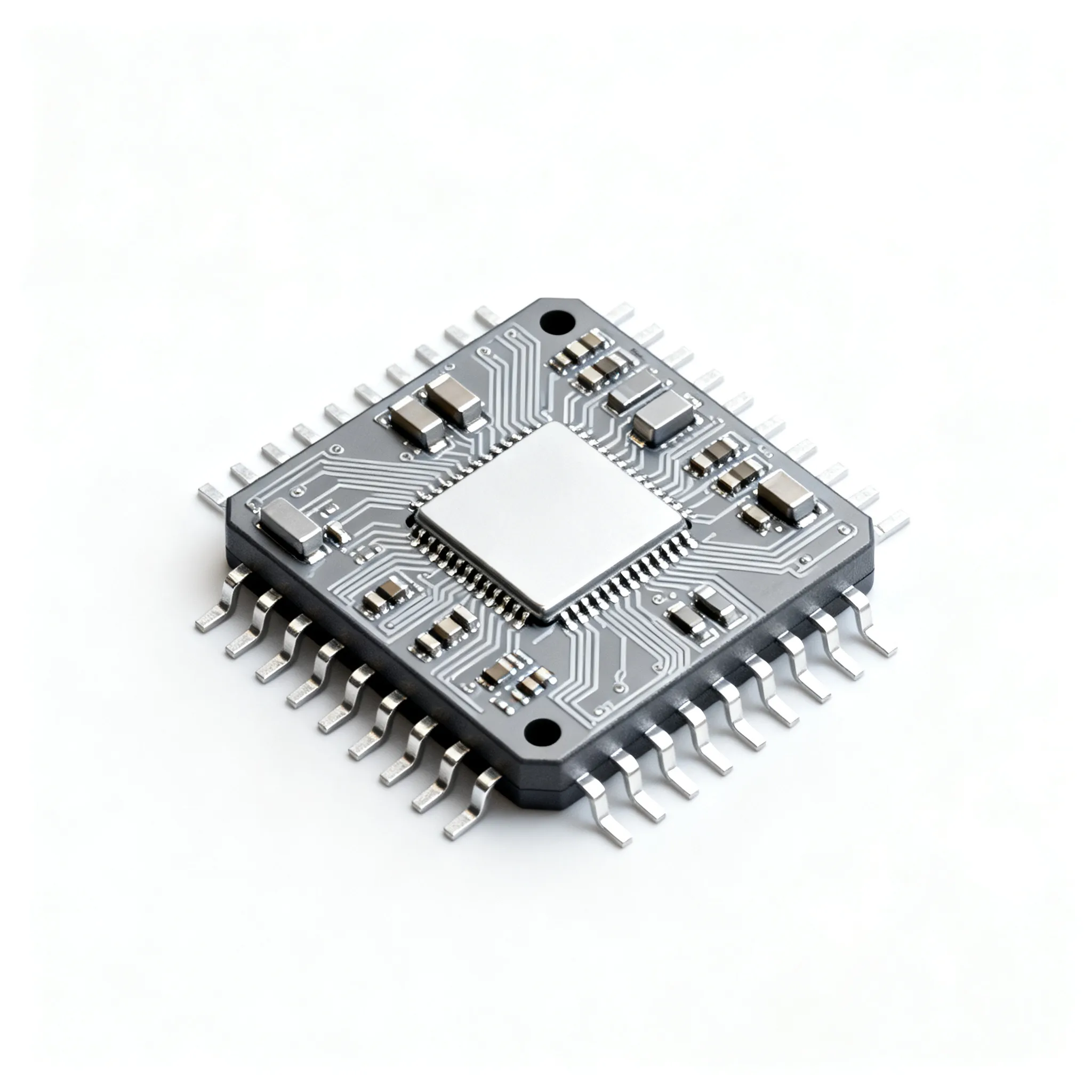
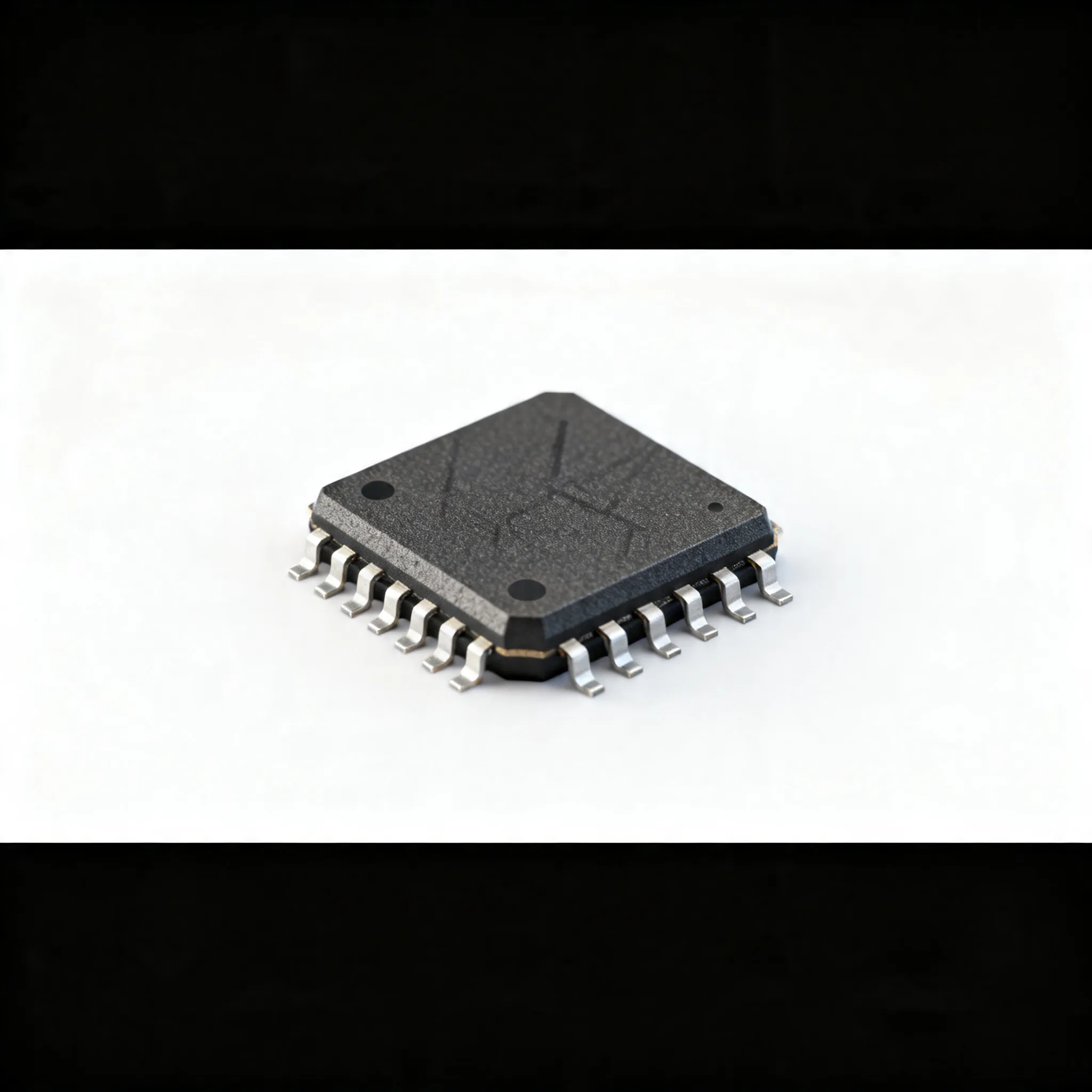
| Package Type | QFN | - | Quad Flat No-leads |
| Package Size | 3x3 | mm | Compact design |
| Thermal Resistance (Junction to Ambient) | 40 | °C/W | Efficient heat dissipation |
| Thermal Resistance (Junction to Case) | 15 | °C/W | Improved thermal management |
| Weight | 0.05 | g | Lightweight component |
| Lead Finish | Matte Tin | - | RoHS compliant |
| Mounting Style | Surface Mount | - | For automated assembly |
The tables above provide a comprehensive overview of the electrical, thermal, and mechanical specifications of a typical PMIC. These parameters are critical in ensuring that the device operates efficiently within its intended application. The electrical specifications focus on input/output voltages, current handling, and efficiency, while the thermal and mechanical specs highlight the component's ability to withstand environmental stresses and its physical attributes. Understanding these specifications is vital for selecting the right PMIC and designing application circuits that maximize performance and reliability.
Design Considerations
When incorporating PMICs into your design, several key considerations must be addressed to ensure optimal performance. First, consider the input voltage range of the PMIC relative to the power supply in your application. The PMIC should accommodate the entire range of input voltages without compromising performance. Additionally, the output voltage and current specifications should match the requirements of the load, taking into account any potential variations in power demand.
Thermal management is another critical aspect. PMICs can generate significant heat, especially under high load conditions. Proper heat dissipation techniques, such as using thermal vias, heat sinks, or appropriate PCB layout strategies, can prevent thermal shutdown and ensure reliable operation. The thermal resistance parameters from the datasheet provide insights into the component's heat management capabilities.
Efficiency is paramount in battery-powered applications. The PMIC's efficiency rating, typically expressed as a percentage, indicates how effectively it converts input power to output power. Higher efficiency translates to longer battery life and reduced heat generation. It's essential to evaluate the efficiency curve across the expected load range to ensure that the PMIC performs optimally under all operating conditions.
Lastly, consider the PMIC's protection features, such as overcurrent, overvoltage, and thermal shutdown protection. These features safeguard both the PMIC and the load from damage due to abnormal conditions. Reviewing the application circuits provided in the datasheet can offer valuable insights into how to implement these protection mechanisms effectively.
Step-by-Step Guide
- Define Requirements: Begin by clearly defining the power requirements of your application. Identify the input voltage range, output voltage, and current needs. Consider any transient conditions that may affect the power supply.
- Select the PMIC: Use a component database like DigiKey Electronics to search for PMICs that meet your specifications. Pay attention to part numbers and ensure they are suitable for your application. For example, TPS62130 is a popular PMIC for portable devices.
- Review the Datasheet: Thoroughly review the selected PMIC's datasheet. Pay attention to electrical, thermal, and mechanical specifications. Note any special requirements or recommendations for using the PMIC effectively.
- Design the Circuit: Use the application circuit provided in the datasheet as a reference. Customize the circuit to meet your specific requirements, ensuring that all components are rated appropriately for the intended application.
- Prototype and Test: Build a prototype of your design and conduct thorough testing. Evaluate the PMIC's performance under various load conditions and verify that it meets the design specifications.
- Optimize for Efficiency: Analyze the efficiency of the PMIC in your application. Make any necessary adjustments to the circuit or component selection to maximize efficiency, especially in battery-powered designs.
- Implement Thermal Management: Ensure that your design includes adequate thermal management solutions. Use thermal vias, heat sinks, or other techniques to dissipate heat effectively and prevent thermal shutdown.
- Finalize the Design: Once testing is complete and any necessary optimizations have been made, finalize the design for production. Ensure that all components, including the PMIC, are sourced from reliable suppliers like IC Online.
Common Issues & Solutions
Despite careful design and implementation, issues can still arise with PMICs. Here are some common problems and their solutions:
- Overheating: This can occur if the PMIC is not adequately cooled. Ensure proper thermal management techniques are used, such as adding heat sinks or improving airflow.
- Output Voltage Instability: Instability can result from incorrect component values or poor layout practices. Double-check the application circuit and ensure that capacitors and inductors are correctly sized and placed.
- High Output Ripple: Excessive ripple can affect sensitive circuits. Use low ESR capacitors and follow the recommended layout guidelines from the datasheet to minimize ripple.
- Efficiency Drops: If efficiency is lower than expected, it may be due to incorrect component selection or suboptimal operating conditions. Re-evaluate the PMIC's efficiency curve and make necessary adjustments.
- Protection Circuit Tripping: If the PMIC's protection features are triggering unnecessarily, verify that the load is within the specified limits and that there are no transient conditions causing false triggers.
Applications & Use Cases
PMICs find applications in a wide range of electronic devices, from consumer electronics to industrial systems. In smartphones, PMICs manage power distribution to various subsystems, ensuring efficient operation and extended battery life. In automotive applications, PMICs are used to regulate power for infotainment systems, sensors, and control modules. Additionally, PMICs are crucial in IoT devices, where low power consumption and efficient energy management are vital for prolonged operation.
For instance, the TPS62130 is widely used in portable devices due to its high efficiency and compact size, making it ideal for battery-operated applications. Its versatility and robust protection features make it suitable for a variety of use cases, ensuring reliable performance across different environments.
Selection & Sourcing Guide
When selecting and sourcing PMICs, it's essential to use reliable distributors that offer a wide range of components and competitive pricing. IC Online is an authorized distributor of electronic components, providing access to a vast selection of PMICs and related components. Ensure that the components you select are in stock and meet your design specifications. Additionally, consider factors such as lead time, pricing, and supplier reliability when choosing your components.
FAQ
- Q: What is a PMIC?
A: A Power Management Integrated Circuit (PMIC) is a semiconductor device that manages the power requirements of a system, including voltage regulation and power distribution. - Q: How do I choose the right PMIC for my application?
A: Consider the input and output voltage requirements, current handling, efficiency, and protection features. Use component databases like DigiKey Electronics to search for suitable PMICs. - Q: What is the importance of thermal management in PMICs?
A: Thermal management is crucial to prevent overheating, which can lead to thermal shutdown and damage to the PMIC and other components. - Q: What are some common issues with PMICs?
A: Common issues include overheating, output voltage instability, high output ripple, efficiency drops, and protection circuit tripping. - Q: Can PMICs be used in automotive applications?
A: Yes, PMICs are widely used in automotive applications for power regulation in infotainment systems, sensors, and control modules. - Q: How can I improve the efficiency of my PMIC circuit?
A: Evaluate the PMIC's efficiency curve and optimize component selection and operating conditions to maximize efficiency. - Q: What is the role of a datasheet in PMIC selection?
A: A datasheet provides detailed specifications, application circuits, and guidelines for using the PMIC effectively and ensuring compatibility with your design. - Q: Where can I source PMICs for my design?
A: You can source PMICs from authorized distributors like IC Online, which offer a wide range of components and competitive pricing.
Conclusion
Power Management ICs are integral to the efficient operation of modern electronic devices. Understanding their specifications, design considerations, and common issues is essential for optimizing performance and reliability. By following the guidelines outlined in this article and utilizing resources like datasheets and component databases, engineers can effectively troubleshoot and implement PMICs in their designs, ensuring robust and efficient power management solutions.