Understanding Capacitor Polarity and Key Differences
Do capacitors have polarity? Yes, some capacitors need you to connect them with the correct polarity. Electrolytic and tanta
Do capacitors have polarity? Yes, some capacitors need you to connect them with the correct polarity. Electrolytic and tantalum capacitor types are polarized, while ceramic and film capacitors are nonpolar. The importance of observing capacitor polarity protects circuits from failure and hazards. You should learn how to determine the polarity of a capacitor.
Incorrect capacitor polarity can lead to explosions or leakage, causing safety risks and damaging electronic components. You must know how to determine the polarity of a capacitor to prevent device failure and extend lifespan.
Key Takeaways
- Polarized capacitors must be connected with the correct polarity to avoid damage. Always check the markings before installation.
- Non-polarized capacitors can be used in any direction, making them versatile for both AC and DC circuits.
- Choosing the right capacitor type based on your circuit's needs helps ensure safety and reliability in electronic projects.
Do Capacitors Have Polarity?
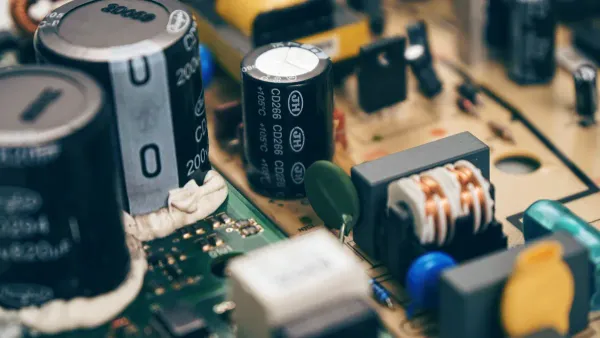
When you work with electronic components, you often ask, "do capacitors have polarity?" The answer depends on the type of capacitor you choose. Some capacitors require you to connect them with the correct polarity, while others do not. Understanding this difference helps you avoid mistakes and keeps your circuits safe.
Polar Capacitors Explained
Polar capacitors need you to pay close attention to polarity. You must connect these capacitors with the correct polarity, or you risk damaging your circuit. The most common polar capacitors include electrolytic and tantalum types. These capacitors use special materials and construction to achieve high capacitance values.
Here is a table showing which capacitors are classified as polarized and which are nonpolarized:
| Type | Examples |
|---|---|
| Polarized Capacitors | Aluminum electrolytic, Tantalum |
| Non-Polarized Capacitors | Ceramic, Film, Glass, Paper |
Polar capacitors use electrolytes as a dielectric. This design allows them to store more charge, but it also means they have a positive and negative terminal. You must install them in the correct direction on a printed circuit board. If you reverse the polarity, you can cause the capacitor to fail. Sometimes, this failure leads to leakage, loss of capacitance, or even small explosions.
Tip: Always check the markings on polar capacitors. The longer lead usually marks the positive terminal, and the shorter lead marks the negative terminal.
Polarized capacitors have strict installation requirements. You must place them with the correct orientation. If you install them backward, you risk stripping the dielectric layer or causing internal pressure. This can lead to catastrophic failures.
| Component Type | Installation Requirement |
|---|---|
| Polarized Capacitors | Must be installed with correct orientation |
You often use polar capacitors in DC circuits. They work well for filtering, energy storage, and power supply applications. You should never use them in AC circuits unless the design specifically allows it.
Nonpolar Capacitors Overview
Nonpolar capacitors do not have polarity. You can connect them in any direction, which makes them easy to use in many applications. Nonpolar capacitors include ceramic, film, glass, and paper types. These capacitors use materials like ceramic or plastic film as the dielectric, so they do not have a fixed positive or negative terminal.
| Type | Examples |
|---|---|
| Non-Polarized Capacitors | Safety, Supercapacitors, Film |
Nonpolar capacitors offer great versatility. You can use them in both AC and DC circuits. They work well for coupling, filtering, and timing applications. You do not need to worry about the correct polarity when you install these capacitors.
Here is a table showing the characteristics of common nonpolar capacitors:
| Capacitor Type | Dielectric Material | Capacitance Range | Voltage Rating | Temperature Stability | Typical Applications |
|---|---|---|---|---|---|
| Ceramic Capacitors | Ceramic | Picofarads to Microfarads | Low to Medium | Moderate | High-frequency coupling, filtering |
| Film Capacitors | Polypropylene, etc. | Picofarads to Microfarads | Medium to High | Good | Audio, power electronics, timing |
| Non-Polarized Electrolytic | Electrolytic | Microfarads to Millifarads | Medium | Moderate | Audio signal coupling, power |
Nonpolar capacitors are valued for their ability to operate with either AC or DC signals. You often find them in filtering and coupling circuits. Their construction allows you to use them without worrying about orientation.
If you use a polarized capacitor in a circuit designed for nonpolar capacitors, you risk damage and leakage. Polarized capacitors are made for DC applications and must be connected with the correct polarity. Nonpolar capacitors can replace polarized ones if they have the same ratings, but you must check the specifications.
Note: Reversing the polarity of a polar capacitor can cause failure or damage. Always follow the installation guidelines for safe operation.
When you select a capacitor for your project, you must consider whether you need a polar or nonpolar type. Think about the circuit requirements, voltage ratings, and application. Choosing the right capacitor helps you build reliable and safe electronic devices.
Polarized vs Non-Polarized Capacitor: Key Differences
Construction and Materials
You will notice that polarized capacitors and non-polarized capacitors have different structures and materials. Polarized capacitors, such as aluminum electrolytic capacitors and tantalum types, use electrolytic materials as their dielectric. This design lets you achieve high capacitance in a small package. Non-polarized capacitors, including ceramic and film types, use materials like ceramic, polypropylene, or polyester. These materials do not require a specific polarity.
Here is a table comparing the main features of polarized vs non-polarized capacitor types:
| Feature | Polarized Capacitors | Nonpolarized Capacitors |
|---|---|---|
| Shape | Typically round or square | Various shapes (tube, rectangle, sheet, etc.) |
| Dielectric Material | Often uses electrolytic materials | Can use a variety of dielectric materials |
| Voltage Direction | Can only be used in one voltage direction | Can be used in both voltage directions |
| Capacity | Generally larger capacity with smaller size | Larger size for the same capacity |
| Application | Suitable for DC applications | Suitable for both AC and DC applications |
When you look at the dielectric materials, you see that they affect how capacitors work. Here are some ways dielectric materials influence electrical properties:
- Electronic polarization happens in all atoms when you apply an electric field.
- Ionic polarization occurs in ionic solids, where ions shift and create high dielectric constants.
- Dipole polarization appears in materials with permanent dipoles, which rotate in the direction of the electric field.
- Space charge polarization arises from extra charges in ceramics, changing how the capacitor responds to voltage.
You should choose the right dielectric material based on your circuit needs. The material affects the performance and stability of both polarized and non-polarized capacitors.
Polarity Restrictions
Polarity is a key difference between polarized capacitors and non-polarized capacitors. You must connect polarized capacitors with the correct polarity. If you reverse the polarity, you risk damaging the capacitor and your circuit. Non-polarized capacitors do not have polarity restrictions, so you can install them in any direction.
You can identify the correct polarity using markings on capacitors. Here are some common polarity markings on capacitors:
- Electrolytic capacitors have a longer lead for the positive terminal and a shorter lead for the negative terminal.
- The casing often has a stripe or band to show the negative terminal.
- The color of the housing can also indicate polarity. Black or green usually marks the anode, while gray or black marks the cathode.
To connect a polarized capacitor correctly, follow these steps:
- Find the longer lead. This is the positive pole.
- Find the shorter lead. This is the negative pole.
- Check the color of the housing for extra clues.
You must always check the polarity markings on capacitors before installation. If you ignore the correct polarity, you may see the effects of reversing the polarity, such as leakage, overheating, or even explosions.
Capacitance and Voltage Ratings
Capacitance and voltage ratings help you choose between polarized and non-polarized capacitors. Polarized capacitors, like aluminum electrolytic capacitors, offer high capacitance in a compact size. Non-polarized capacitors need a larger size for the same capacitance.
Here is a table showing typical voltage ratings for polarized vs non-polarized capacitor types:
| Capacitor Type | Voltage Rating Range | Notes |
|---|---|---|
| Polarized | About 125 V | Low voltage tolerance, limited transient reverse voltage tolerance. |
| Polarized | About 100 V | Explodes under excessive voltage or reverse voltage conditions. |
You must use capacitors with a working voltage at least 50% higher than the highest voltage in your circuit. If you use a capacitor beyond its voltage rating, you risk overheating and failure. Dielectric leakage can happen if the dielectric material gets damaged by too much voltage.
You can connect capacitors in series to get higher voltage ratings. The total voltage rating is the sum of each capacitor’s rating. This setup helps you build circuits that need high voltage capacity but still want a compact design.
Applications in DC and AC Circuits
You will find polarized capacitors and non-polarized capacitors in different types of circuits. Polarized capacitors work best in DC circuits. You use them in power supplies, audio circuits, signal processing, voltage ripple smoothing, and decoupling. Non-polarized capacitors are more flexible. You can use them in both AC and DC circuits. Common applications of polarized and non-polarized capacitors include coupling, bypassing, and timing.
Here is a list of common applications for each type:
-
Polarized capacitors in DC circuits:
- Power supplies
- Audio circuits
- Signal processing
- Voltage ripple smoothing
- Decoupling
-
Non-polarized capacitors in AC circuits:
- Coupling
- Bypassing
- Timing
When you choose between a polarized capacitor and a non-polarized capacitor, you need to consider several factors. Here is a table to help you decide:
| Factor | Polarized Capacitors | Nonpolarized Capacitors |
|---|---|---|
| Voltage Rating | Limited to certain voltage ratings | Can handle higher voltage ratings |
| Size and Cost | More compact and affordable at higher values | Generally larger and more expensive |
| Reversal Tolerance | Not tolerant to reverse polarity | Can handle reverse polarity |
| Application Suitability | Suitable for DC applications with polarization | Suitable for AC applications and circuits |
Above a certain value and voltage rating, polarized capacitors are often the only affordable and compact choice. If you use a polarized capacitor in a circuit without correct polarity, you may see distortion or failure. Non-polarized capacitors can handle reverse polarity and work well in AC circuits.
You should follow industry guidelines when selecting capacitors for your project:
- Application: Choose the type based on your circuit’s purpose. High-frequency circuits often need ceramic capacitors.
- Capacitance: Pick the value that matches your circuit’s needs.
- Tolerance: Lower tolerance is better, but check how it affects performance.
- Voltage Rating: Always select a capacitor with a voltage rating higher than your circuit’s maximum voltage.
- Size and Cost: Make sure the capacitor fits your project and budget.
You must understand the differences between polarized vs non-polarized capacitor types. This knowledge helps you select the right component for safe and effective circuit design.
You learned how capacitor polarity affects electronic circuits. Polarized capacitors need careful installation, while non-polarized capacitors offer flexible use. Always check capacitor polarity markings and select capacitors with proper ratings. Correct identification of polarized and non-polarized capacitors helps you avoid failures and keeps your projects safe and reliable.
FAQ
What happens if you connect polarized capacitors backward?
You risk damaging polarized capacitors if you connect them backward. The capacitor may leak, overheat, or even explode. Always check the markings before installation.
Can you use non-polarized capacitors instead of polarized capacitors?
You can use non-polarized capacitors in place of polarized capacitors only if the circuit allows it. Non-polarized capacitors work in both AC and DC circuits.
How do you identify the polarity of polarized capacitors?
You can identify the polarity of polarized capacitors by looking for a longer lead or a stripe on the body. The longer lead marks the positive terminal.