What an Integrated Circuit Does and Its Applications Across Industries and Devices
An integrated circuit is like a tiny city. It has thousands or even billions of electronic parts. These parts work together to process information. They also store data or control devices.
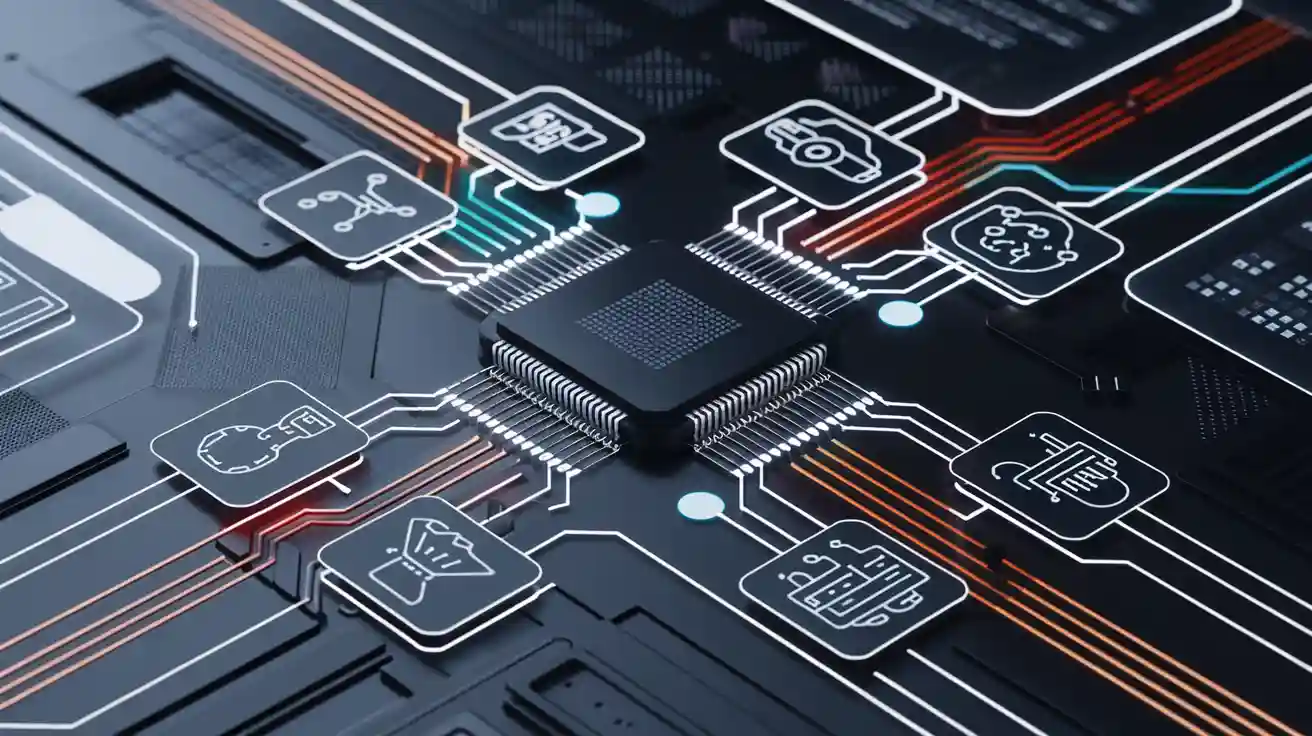
An integrated circuit is like a tiny city. It has thousands or even billions of electronic parts. These parts work together to process information. They also store data or control devices. Integrated circuits are found in almost every modern electronic device. You can find them in things like smartphones and cars.
> The number of transistors in an integrated circuit has grown a lot. In 1971, there were just over 2,000. By 2014, there were more than 5 billion. This shows how much technology has improved.
-
Integrated circuits are used in PCs, cellphones, and tablets. They are also in automotive systems and IoT devices.
-
Logic and memory ICs are important for data processing and storage.
-
Automotive ICs help with advanced features. These include self-driving and checking the health of vehicles.
Key Takeaways
-
Integrated circuits are small chips. They help control, process, and store information. Almost all modern electronic devices use them.
-
There are different types of integrated circuits. These include analog, digital, mixed-signal, and application-specific. Each type is made for a special job.
-
Integrated circuits help make devices smaller and faster. They also use less energy. This helps many industries like electronics, cars, healthcare, and aerospace.
-
Chips in cars help keep people safe. They add features like crash prevention and secure data. Medical devices use chips to watch health and help with treatment.
-
Integrated circuits have some problems too. Making them is hard. They can get hot and affect the environment. These problems push people to keep improving them.
Integrated Circuit Basics
What Is an Integrated Circuit
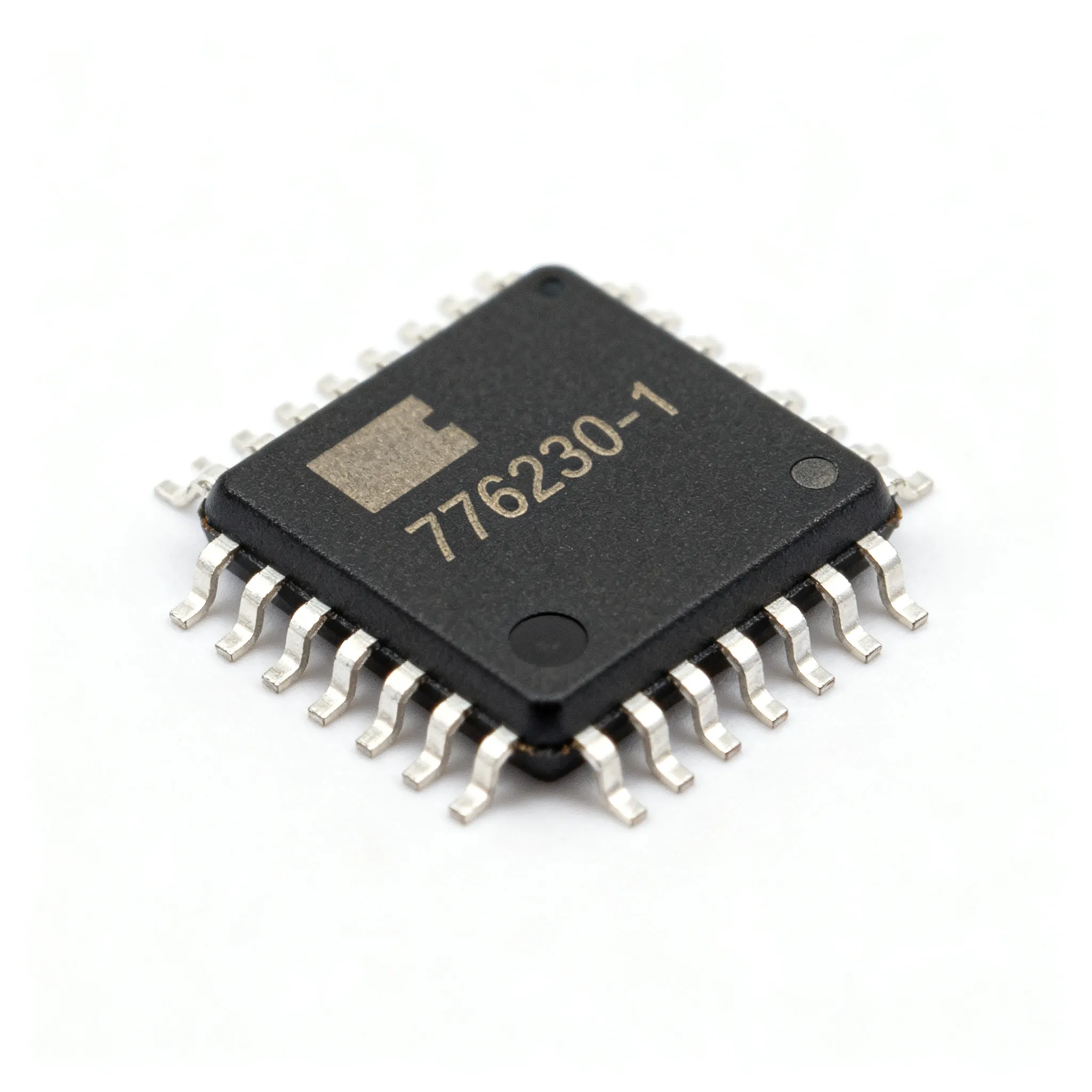
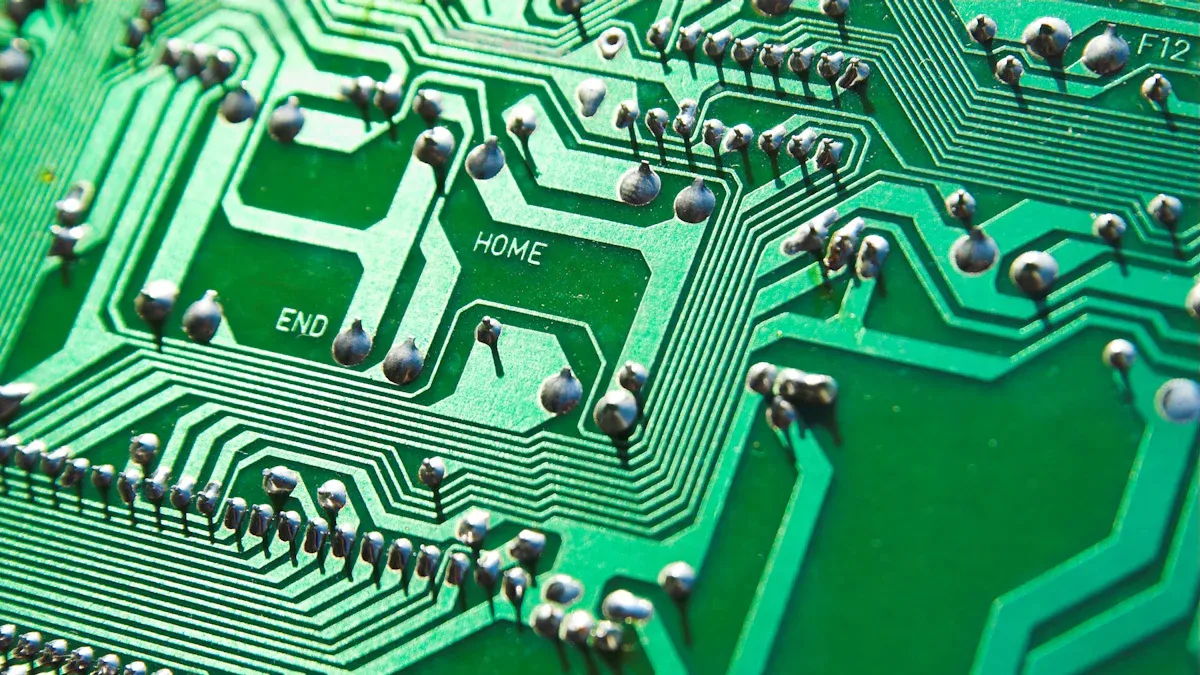
An integrated circuit is a tiny device in electronics. People call it a chip or microchip. This small part has many pieces inside, like transistors, resistors, and capacitors. Engineers put these parts on a thin silicon base. The way an integrated circuit is built helps it do hard jobs fast.
A chip can go inside a phone, computer, or toy. Each chip is made for a special job. Some chips keep information safe. Others help with data or control signals. Microchips make devices smaller and faster. They also make them work better. Integrated circuits have changed how people use technology every day.
Note: One chip can have millions or billions of tiny parts. This lets devices do more things in less space.
How ICs Work
How do ICs work? Each integrated circuit has a special design. This design tells it how to use electrical signals. When a device turns on, the chip gets power. The chip sends signals through its small parts. These signals can turn things on or off. They can also store data or send messages.
Engineers make different designs for different jobs. For example, one chip can control sound in a speaker. Another chip can help a car’s engine work well. Microchips can also connect to other chips. They share information this way. In real life, ICs follow built-in instructions. This helps each device do its job.
A table below shows some common uses for integrated circuits:
|
Device Type |
Example Chip Use |
|---|---|
|
Smartphone |
Touchscreen control |
|
Car |
Engine management |
|
Computer |
Memory storage |
|
Medical Device |
Heart rate monitoring |
Types of Integrated Circuits
Integrated circuits come in different types. Each type does a special job in electronics. The main types are analog IC, digital IC, mixed-signal IC, and application-specific IC. Engineers pick the chip that fits the job. How a chip is built changes how it works in a device.
Analog IC
Analog ICs work with signals that change smoothly. These signals can be things like sound or temperature. These chips use real-world signals and do not turn them into numbers. Audio amplifiers and sensor circuits often use analog ICs. They are very accurate and respond quickly. Analog ICs also use less power and need less space. The Common-Mode Rejection Ratio (CMRR) helps block noise. This is important for medical and industrial devices.
Analog ICs give clear sound and little distortion. This makes them great for audio and sensor uses.
|
Performance Metric |
Description |
|---|---|
|
Low Power Dissipation |
Uses less power, no clock needed. |
|
Higher Precision |
Processes signals with great accuracy. |
|
Quick Response |
Responds fast to changes. |
|
Smaller Dimension |
Needs fewer parts, saves space. |
|
High Fidelity |
Keeps noise and distortion low. |
|
CMRR |
Blocks unwanted noise, keeps signals clear. |
Digital IC
Digital ICs use binary signals. These signals are only on or off. These chips are the main part of computers, logic gates, and memory ICs. Digital ICs help store and process data in devices like smartphones and tablets. Their design lets them do fast math and keep data safe. Memory ICs like RAM and flash help devices remember things even when off.
Mixed-Signal IC
Mixed-signal ICs have both analog and digital parts. These chips can change real signals into digital data and back. Devices like smartphones and smartwatches use mixed-signal ICs. They help sensors and processors work together. Mixed-signal ICs let devices handle sound and data at once.
Application-Specific IC
Application-specific ICs, or ASICs, are made for one job. Engineers design these chips for things like graphics, networking, or medical devices. ASICs can have whole signal systems on one chip. This makes them strong and efficient. For example, in optical communication, ASICs help with data and fix errors. These chips cost more to design but save money when making many.
|
Aspect |
Details / Examples |
|---|---|
|
ASIC Categories |
ASSPs, USICs |
|
ASSP Examples |
Graphics accelerators, smart card chips, wireless LAN |
|
USIC Examples |
Apple A4 SoC, audio processors for hearing aids |
|
Application Domains |
Cryptography, signal processing, networking, optical transmission |
|
Benefits |
High performance, energy efficiency, miniaturization, reliability |
The table below shows how integrated circuits have become more complex over time.
|
IC Type |
Year Introduced |
Transistor Count Range |
Logic Gate Count Range |
|---|---|---|---|
|
SSI |
1964 |
1 to 10 |
1 to 12 |
|
MSI |
1968 |
10 to 500 |
13 to 99 |
|
LSI |
1971 |
500 to 20,000 |
100 to 9,999 |
|
VLSI |
1980 |
20,000 to 1,000,000 |
10,000 to 99,999 |
|
ULSI |
1984 |
1,000,000 and more |
100,000 and more |
These types of integrated circuits help engineers make smaller and faster devices. The right chip design gives better performance and new features in electronics.
Integrated Circuit Applications
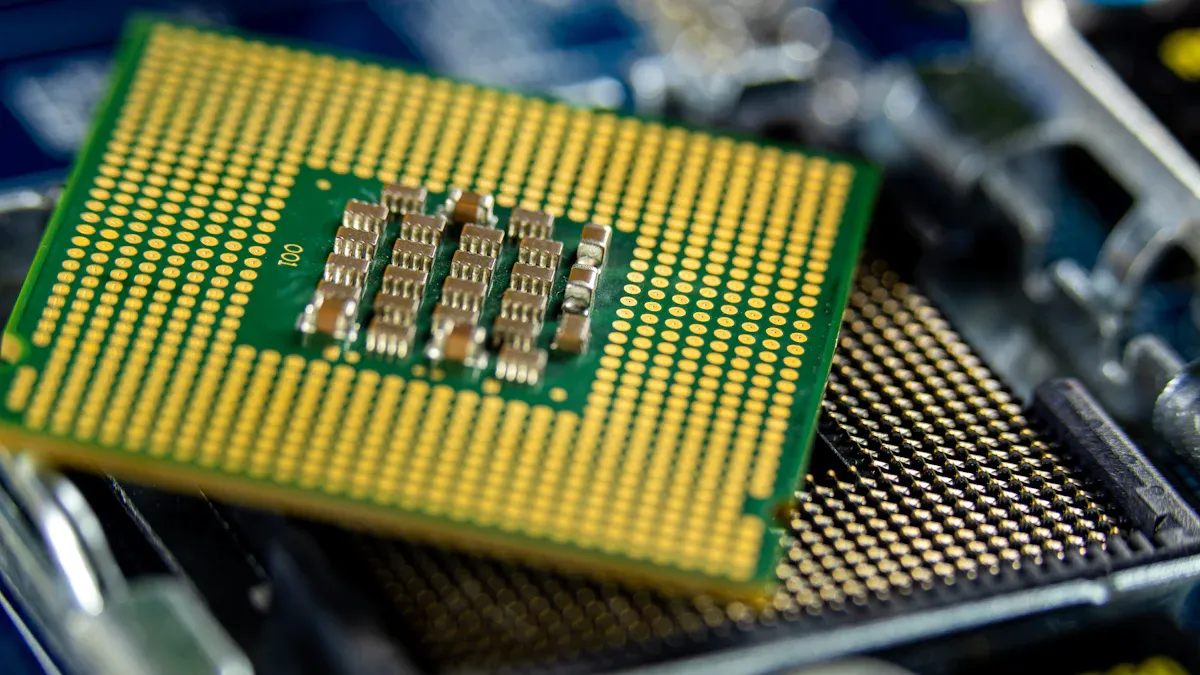
Integrated circuits are found in almost every device today. They are small and work very well. This makes them important in many fields. The next sections explain how integrated circuits help in daily life and new technology.
Consumer Electronics
Consumer electronics need integrated circuits for speed and smart features. Devices like smartphones and tablets use chips to process data and save power. These chips also help connect to the internet. Each year, devices get smaller and stronger because of these chips. For example, smartphones use system-on-chip (SoC) solutions. These chips do many jobs at once. This means phones work fast, last longer, and have cool features like face unlock.
More than 5 billion people use devices with multimedia. Over 90% of people use smartphones every day. About 70% use tablets daily.
|
Metric / Category |
Statistic / Value |
|---|---|
|
Global User Base |
Over 5 billion users worldwide |
|
Smartphone Daily Usage Rate |
Over 90% of users engage daily |
|
Tablet Daily Usage Rate |
Around 70% daily usage |
|
Annual Production Volume |
Over 10 billion integrated circuit units produced annually |
|
Consumer Electronics Market Share |
72.6% of multimedia IC market |
|
Market Size (2024) |
USD 55.2 billion |
|
Projected Market Size (2034) |
USD 152.55 billion |
Consumer electronics are getting smaller and use less energy. Companies use mixed-signal ICs and 3D ICs to make this happen. AI and machine learning in phones need special chips. These changes show how important integrated circuits are in our lives.
-
System-on-Chip (SoC) puts many parts in one chip for phones and watches.
-
Mixed-signal ICs let devices use both analog and digital signals.
-
3D ICs help make devices thinner and faster.
-
New materials like gallium nitride make chips better and smaller.
Phones, tablets, and smart home devices all use these new chips. As technology grows, integrated circuits are used in more ways.
Automotive
Cars are safer and smarter because of integrated circuits. Modern cars use chips for engines, safety, and entertainment. Advanced Driver Assistance Systems (ADAS) use chips to read cameras and sensors. These systems help drivers avoid crashes and keep cars safe.
Automotive ICs must be safe and secure. They go through tests like Hazard Analysis and Risk Assessment (HARA). Chips use AES-256-bit encryption to keep car data safe. Cars that use more software need strong chips for music, power, and talking to other cars.
-
Software-defined cars need more chips for memory and control.
-
Car chips must pass hard tests for safety.
-
Encryption and virtualization keep car data safe and allow updates.
-
Cars are getting more complex, so they need safe and secure chips.
Chips in cars help with lane-keeping, crash prevention, and smart maps. These uses show how integrated circuits make cars better and safer.
Healthcare
Healthcare uses integrated circuits for medical devices. Chips in medical tools check heart rates and run insulin pumps. They also help with imaging machines. Integrated circuits make these devices smaller and easier to carry.
Medical devices use analog and mixed-signal ICs to read body signals. Wearable health monitors use chips to track health and send data to doctors. Portable ultrasound machines use chips for pictures and saving data. Integrated circuits help doctors find and treat problems faster.
-
Medical devices use chips for checking, testing, and treatment.
-
Integrated circuits make devices smaller and easy to use at home.
-
Chips help medical devices last longer and give better data.
More medical devices use integrated circuits every year. These chips help doctors care for patients and check health from far away.
Industrial
Factories use integrated circuits to run machines and save energy. Programmable Logic Controllers (PLCs) and custom controls use chips for fast work and control. Integrated circuits let machines talk to each other and react quickly.
Reports show Application Specific Integrated Circuits (ASICs) are important in factories. Custom controls with chips work better and are safer than regular PLCs. These controls can be programmed and connect to IT systems and IoT devices.
-
Chips in PLCs and custom controls help with automation.
-
Chips let factories use AI, machine learning, and SCADA systems.
Integrated circuits help factories save power, work better, and make good products. As technology gets better, factories will use even more integrated circuits.
Communications
Communication networks need integrated circuits for speed and trust. Chips in routers and data centers move lots of data every second. Photonic integrated circuits (PICs) use light to send data far and fast. These chips help with fast internet, 5G, and cloud computing.
|
Evidence Category |
Details |
|---|---|
|
Market Growth Statistics |
Projected CAGR of 26.5% from 2023 to 2032; market size growing from USD 3.1 billion in 2023 to USD 26.1 billion in 2032 |
|
Key Components of PICs |
Modulators, detectors, transceivers, attenuators, multiplexers/demultiplexers, and optical amplifiers |
|
Integration Techniques |
Monolithic, hybrid, and module integration improve performance and cost-effectiveness |
|
Application Areas |
Optical communications, data centers, 5G infrastructure, sensing, and biophotonics |
|
Regional Trends |
North America leads in silicon photonics for data centers; Asia-Pacific dominates 5G applications |
|
Industry Investments & R&D |
Major companies like Intel and Cisco invest in PIC research centers |
Integrated circuits make networks faster and more stable. Chips let devices connect, stream, and share data right away. These chips help build smart cities and connect the world.
Aerospace
Aerospace needs the safest and most reliable integrated circuits. Chips in planes, satellites, and spacecraft control flying, talking, and safety. These chips must work in tough places, like high heat or radiation.
Aerospace engineers use rules like IEC61508 and ISO26262 to keep chips safe. Features like Error Correction Code (ECC) and Built-in Self Test (BIST) help find and fix problems. The Mars Rotorcraft Ingenuity used advanced chips to fly on Mars. These examples show how integrated circuits help with safety and new space missions.
-
Aerospace chips must find and fix problems to keep missions safe.
-
Integrated circuits help with flying, talking, and control in planes and spacecraft.
-
Using integrated circuits in aerospace helps reach new goals in safety and space.
Integrated circuits are used everywhere in modern life. From phones and cars to medical tools and space, their uses keep growing. Each chip helps bring new ideas and progress.
IC Advantages and Limitations
Benefits of ICs
Integrated circuits have many good points in technology today. They help make devices smaller and lighter. Devices also become more powerful with these chips. Companies use integrated circuits to build faster and more reliable products. Here are some main advantages:
-
Miniaturization: ICs let engineers put many functions in a small space. This helps make smartphones, laptops, and wearables.
-
Low Cost: Making lots of chips at once lowers the price. More devices use these cheap parts, so the integrated circuit market grows.
-
High Reliability: ICs have fewer parts that can break. Devices last longer and do not need much fixing.
-
Energy Efficiency: ICs use less power than old circuits. This saves energy and keeps devices from getting too hot.
-
Performance: ICs handle data fast. They help products have new and advanced features.
The integrated circuit market gets bigger as new devices come out each year. This shows why ICs are used in almost every industry.
Challenges
Even with many good things, there are some problems with integrated circuits. These challenges affect how companies make and use chips. Here are some common issues:
-
Complex Manufacturing: Making ICs needs special tools and very clean rooms. This makes new factories cost more money.
-
Heat Management: Smaller ICs can get too hot. Engineers must find ways to keep them cool.
-
Limited Flexibility: After making an IC, you cannot change what it does. This makes updates or repairs harder.
-
Supply Chain Risks: The integrated circuit market depends on suppliers around the world. Problems with suppliers can slow the market and make prices go up.
-
Environmental Impact: Making ICs uses chemicals and energy. This can cause waste and pollution.
These problems make engineers look for better ways to use integrated circuits. The future of integrated circuits will change how the integrated circuit market grows and meets new needs.
Integrated circuits help make technology better every day. They give power to devices and add new features. These chips help companies build smaller and quicker products. More industries use integrated circuits, so the market grows. People notice these changes in healthcare, cars, and how we talk to each other. When we learn about integrated circuits, we see why technology keeps getting better and why the market grows.
FAQ
What is the main job of an integrated circuit?
An integrated circuit works inside electronic devices. It controls, processes, or stores information. It acts like a brain for gadgets. This helps them work faster and smarter.
Why do devices use integrated circuits instead of separate parts?
Integrated circuits help save space and energy. They also make devices more reliable. Many functions fit into one small chip. This lets products get smaller and lighter.
Can integrated circuits break or wear out?
Yes, integrated circuits can stop working. This can happen if they get too hot or have a power surge. Most chips last a long time. They have no moving parts.
Where can someone find integrated circuits at home?
People can find integrated circuits in many things at home. They are in smartphones, computers, TVs, and kitchen appliances. These chips help control screens, sound, and other features.
How do integrated circuits help save energy?
Integrated circuits use less power than older circuits. They help devices run longer on batteries. They also keep devices from getting too hot. This makes electronics safer and more efficient.