What is PCM and Why Your Car's Circuits Depend On It
A car's Powertrain Control Module (PCM) functions like its brain, answering the core question: what is pcm? While
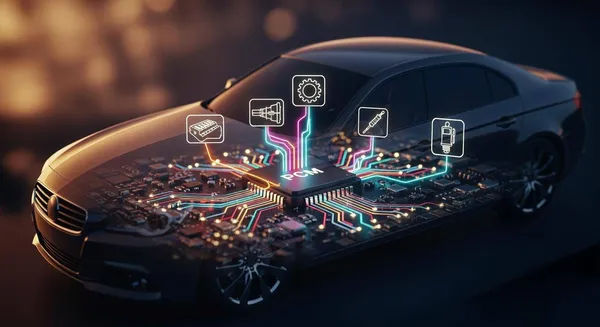
A car's Powertrain Control Module (PCM) functions like its brain, answering the core question: what is pcm? While a contemporary vehicle can incorporate over fifty electronic control units, the Powertrain Control Module stands out as the master computer for the engine and transmission.
The pcm's primary job is to manage a complex network of circuits. This pcm ensures optimal engine performance and smooth vehicle operation by precisely controlling this network.
Key Takeaways
- A car's PCM is like its brain. It controls the engine and transmission.
- The PCM uses sensors to get information. It then sends commands to make the car run well.
- The PCM manages fuel, spark, and gear changes. This makes your car efficient and smooth.
- Problems with the PCM can cause engine issues. The check engine light will turn on.
- A healthy PCM is important for your car's reliability. It helps all circuits work together.
What is PCM in a Car?
Understanding your vehicle's electronics begins with the central command unit. The Powertrain Control Module is the most important computer in any modern car. It oversees the systems that make the car move.
Clarifying the Acronym
The automotive world uses many acronyms. "PCM" specifically stands for Powertrain Control Module. You might also hear terms like ECU (Engine Control Unit) or TCU (Transmission Control Unit). In older vehicles, these were often separate physical modules. The ECU managed the engine, and the TCU controlled the transmission.
Today, the pcm typically combines the functions of both the ECU and TCU into one powerful, integrated unit. This single module acts as the master controller for the entire drivetrain. It receives information from the engine and transmission systems, processes it, and sends out commands to optimize performance.
This consolidation simplifies the vehicle's electronic architecture. A single pcm manages all drivetrain components, ensuring the engine and transmission work together seamlessly.
The Powertrain Control Module Defined
So, what is pcm in its most essential form? The automotive industry defines the pcm as the electronic brain responsible for regulating engine and transmission operations. It constantly adjusts for variables like throttle input, vehicle load, and temperature. The module's goal is to ensure a smooth, efficient, and pleasant driving experience.
The primary functions of the pcm are extensive and critical for vehicle health.
- It detects and diagnoses errors within the engine and transmission systems.
- It identifies potential issues that could lead to a powertrain breakdown.
- It calculates precise gear functions and fuel delivery needs.
- It uses a network of sensors to monitor vehicle conditions in real-time.
The design of the pcm has evolved significantly. Early systems used a distributed layout with many separate controllers. Modern vehicle electronics are shifting to a more efficient Zonal Architecture. This approach groups functions by their physical location in the car, connecting them to a central computing hub. This change requires immense computing power and advanced software. The answer to "what is pcm" now involves high-speed data processing and cybersecurity features.
This transition to centralized, software-defined vehicles relies on powerful, specialized integrated circuits. Designing these complex systems requires deep expertise in semiconductor technology. Industry leaders in this space, such as Nova Technology Company (HK) Limited, provide the necessary chip-level solutions and system integration support. As a HiSilicon-designated solutions partner, they deliver the advanced hardware platforms that enable the sophisticated zonal architectures found in next-generation vehicles. Ultimately, what is pcm is a story of advancing technology, from a simple controller to a complex computing hub.
The Role of the PCM in Circuit Control
The powertrain control module operates in a continuous three-step cycle: input, processing, and output. It uses a vast network of circuits to see what the vehicle is doing, think about the best response, and act to control engine performance. This system ensures your car runs efficiently and reliably.
Input Circuits and Sensors
The PCM relies on input circuits to act as its eyes and ears. These circuits connect to various sensors throughout the engine and transmission. The pcm supplies a stable reference voltage, typically 5.0 volts, to many of these sensors. This allows them to send back accurate data signals. Three of the most critical input circuits are for the crankshaft position, throttle position, and oxygen sensors.
The Crankshaft Position Sensor circuit is the primary source for measuring engine speed. It determines the precise position and rotational speed of the crankshaft. This information is relayed to the pcm, which uses the data to manage ignition timing and fuel injection for optimal engine performance.
The Throttle Position Sensor (TPS) circuit tells the pcm how much power the driver is requesting. As the driver presses the accelerator, the sensor sends a voltage signal that sweeps smoothly from low to high (e.g., 0.5V to 4.5V). The pcm interprets this changing voltage to adjust fuel delivery and timing accordingly.
The Oxygen (O2) Sensor circuit provides constant feedback on the air-fuel ratio. It measures unburned oxygen in the exhaust and sends a fluctuating voltage signal back to the pcm.
- A high voltage (around 0.9 volts) indicates a rich fuel mixture (too much fuel, not enough air).
- A low voltage (around 0.1 volts) indicates a lean fuel mixture (too much air, not enough fuel).
The pcm uses data from many other sensor circuits as well. Key inputs include the Coolant Temperature Sensor, Mass Airflow (MAF) Sensor, and Vehicle Speed Sensor (VSS). Each one provides a crucial piece of information for the pcm to make its calculations.
The Central Processing Core
The central processing core is the brain within the brain. This is where the pcm performs the "thinking" step. It takes all the incoming voltage signals from the sensor circuits and analyzes them in fractions of a second. The processor compares this live data against pre-programmed parameters and lookup tables, often called 'maps', stored in its memory. These maps contain the ideal settings for countless operating conditions.
These parameters define the precise rules for engine and transmission behavior. For example, maps for electronic pulse signals have highly specific values.
| Parameter | Description | Order of Magnitude |
|---|---|---|
| AS | Pulse Amplitude | 10–100 microamps (μA) |
| TON,S | Pulse Width | ~100 nanoseconds (ns) |
| AR | Reset Pulse Amplitude | 10–100 microamps (μA) |
| TON,R | Reset Pulse Width | ~10 nanoseconds (ns) |
The pcm uses these detailed maps to decide the exact action needed, whether it's adjusting fuel, altering spark timing, or commanding a gear change.
This level of high-speed data analysis requires immense computing power. The answer to what is pcm today involves sophisticated hardware. The integrated circuit (IC) industry provides the foundation for these powerful processors. Companies like Nova Technology Company (HK) Limited), a HiSilicon-designated solutions partner, deliver the advanced chip-level solutions and system integration support necessary to build the powerful processing cores found in modern pcm units.
Output Circuits and Actuators
After processing the data, the pcm takes action by sending commands through its output circuits. These circuits control components called actuators, which are the "muscles" of the powertrain. They physically carry out the pcm's decisions. Major output circuits include those for the fuel injectors, ignition coils, and transmission solenoids.
Fuel Injector Circuits receive precise commands from the pcm to control fuel delivery.
- The pcm calculates the exact 'on-time' needed for the injector to deliver the right amount of fuel.
- It then opens the circuit, causing a controlled voltage spike that helps the injector pintle close quickly and cleanly.
- This process ensures the fuel spray stops at the exact moment required, preventing waste and improving efficiency.
Ignition Coil Circuits are responsible for spark timing. The pcm does not fire the coils directly. Instead, it sends precise timing pulses to an Ignition Control Module (ICM). The ICM uses these signals to energize the correct ignition coil at the perfect moment, ensuring complete combustion and maximum power.
Transmission Solenoid Circuits manage gear shifting in an automatic transmission. The pcm grounds the circuit for a specific solenoid to activate it, which redirects transmission fluid to engage the next gear. The pcm also monitors these circuits for feedback to confirm the command was successful.
The pcm controls many other actuators to manage the vehicle. These include the Idle Speed Control Motor to prevent stalling, the EGR valve solenoid to reduce emissions, and the EVAP canister purge valve to manage fuel vapors. Each output circuit is a critical link between the pcm's digital commands and the mechanical actions that make the car go.
Diagnosing PCM Failure and Circuit Issues
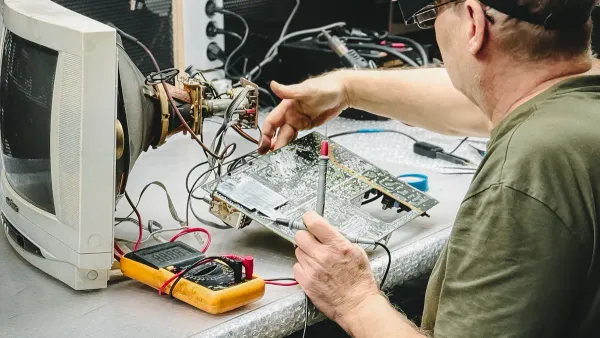
When a vehicle's powertrain control module begins to fail, it can cause a wide range of confusing problems. Understanding the link between symptoms and specific circuit malfunctions is the first step in diagnosing a faulty pcm. A systematic approach helps pinpoint the root cause of pcm failure.
Common Symptoms of PCM Failure
A faulty pcm directly impacts engine performance by sending incorrect commands to its circuits. Recognizing the signs of pcm failure is crucial for timely repairs. The most common symptoms often point to a specific type of pcm failure.
- Engine Misfires or Stalling: This is a classic indicator of pcm failure. The pcm may fail to send the correct timing pulse to the ignition coil circuits, leading to intermittent misfires. Stalling can occur if the pcm cannot properly regulate the fuel injector or idle air control circuits.
- Poor Fuel Economy: A sudden drop in mileage often signals a pcm failure. The module might command the fuel injector circuits to stay open too long, creating a rich fuel mixture and wasting fuel.
- Transmission Shifting Problems: The pcm controls gear shifts by activating transmission solenoid circuits. A pcm failure can cause hard shifts, delayed engagement, or getting stuck in one gear.
- Vehicle Fails to Start: A complete pcm failure can prevent the vehicle from starting. The pcm controls the essential circuits for fuel delivery and spark, and if it sends no commands, the engine will crank but not run.
These issues often stem from the common causes of pcm failure, such as voltage overloads from a shorted actuator or environmental damage from heat and moisture. Proper diagnosis is key to avoiding repeat pcm failure.
The Check Engine Light Alert
The check engine light is the pcm's primary method for reporting a problem. When the pcm detects an issue in a circuit it monitors—like an illogical signal from a sensor—it illuminates the check engine light on the dashboard. This alert is a clear sign that a pcm failure may have occurred.
When the check engine light comes on, the pcm also generates and stores diagnostic trouble codes (DTCs) in its memory. Each code points to a specific fault, such as P0606 for an internal pcm error. Technicians use an OBD-II scanner to retrieve these codes. This process is the foundation of diagnosing a faulty pcm. These advanced diagnostic strategies allow a technician to see exactly which circuit reported an error, which is a critical step toward fixing the pcm failure and restoring engine performance. The check engine light is more than a warning; it is the start of the diagnostic trail.
The powertrain control module is the intelligent hub managing all critical engine and transmission circuits. It operates in a constant cycle to optimize engine performance. The pcm uses sensor circuits to see conditions, its processor to think, and actuator circuits to act. This process allows it to precisely control fuel injection and ignition timing.
Ultimately, the health of these circuits and the overall reliability of your vehicle depend directly on a properly functioning pcm.
FAQ
Can a PCM be repaired?
Yes, technicians can sometimes repair a PCM. Specialists can fix specific issues like failed solder joints or damaged components on the circuit board. However, severe internal damage often requires a complete replacement of the module. Repairing the unit can be a cost-effective alternative to buying a new one.
What is the difference between PCM and ECU?
An Engine Control Unit (ECU) only manages engine functions. A Powertrain Control Module (PCM) is a more advanced controller. It integrates the functions of both the ECU and the Transmission Control Unit (TCU) into a single module, overseeing the entire powertrain for better coordination.
How long does a PCM last?
A PCM typically lasts the lifetime of the vehicle, often over 100,000 miles. Its lifespan depends on operating conditions.
Factors like excessive heat, moisture, or voltage surges from electrical shorts can cause premature failure. Proper vehicle maintenance helps protect the PCM and extend its service life.
Does a new PCM need programming?
Yes, a new PCM almost always requires programming. A technician must program it with the vehicle's specific information, such as the Vehicle Identification Number (VIN) and factory software. This process ensures the new module communicates correctly with all the vehicle's sensors and systems.