What Net Components Mean for Electronic Design in 2026
You shape the future of electronic design every time you select net components for a new project. Net components h
You shape the future of electronic design every time you select net components for a new project. Net components help you organize and connect electronic parts on a circuit board, making sure information flows smoothly between each element. The rise of automation and interconnected devices in 2026 means you need to know how electronic components, such as integrated circuits, sensors, and resistors, work together on a printed circuit board. As more devices rely on health monitoring and wireless communication, you face new design challenges. You must focus on interoperability, energy efficiency, and sharing information across systems. The right choices let you create smarter, more reliable electronic products that move information quickly and support real-world needs in health, safety, and automation.
Key Takeaways
- Net components are essential for connecting and organizing electronic parts on circuit boards, ensuring smooth communication between components.
- Choosing the right electronic components, like sensors and microcontrollers, is crucial for the performance and efficiency of IoT devices.
- Collaboration and automation in design workflows enhance efficiency, allowing teams to work together and reduce errors in electronic circuit design.
- Staying updated on trends like IoT and AI will help you create innovative electronic designs that meet future demands.
- Utilizing advanced design tools can streamline your workflow, improve accuracy, and help you manage complex projects effectively.
Net Components and Electronic Components Defined
What Are Net Components?
You use net components to connect and organize electronic components on a circuit board. These components help you create pathways for signals and power, making sure each part of your design communicates correctly. Net components act as the glue that holds your electronic system together. They define how current flows and how information moves between different parts of your device.
When you design a circuit, you select net components to manage the flow of electricity and data. You might use them to link sensors to microcontrollers or to connect power sources to different modules. Net components play a key role in both simple and complex systems. They help you achieve reliable performance and efficient communication between all electronic components.
You can see the primary functions of some common net components in the table below:
| Component | Function |
|---|---|
| Capacitors | Store and release electrical energy, smooth out voltage fluctuations, filter signals. |
| Inductors | Store energy in a magnetic field, oppose changes in current flow, used in filtering. |
| Diodes | Allow current to flow in one direction, used in rectification and voltage regulation. |
| Transistors | Act as amplifiers or switches, control current flow based on voltage applied to terminals. |
These components help you control how your circuit behaves. You can use capacitors to filter noise, inductors to manage current, diodes to protect sensitive parts, and transistors to switch or amplify signals. Each electronic component in your design has a specific job, but net components make sure they all work together.
Types of Electronic Components
You work with many types of electronic components when you design modern devices. Each component has a unique function, and you must choose the right ones for your application. Some components are passive, meaning they do not need external power to operate. Others are active and require power to function.
Here are the main categories of electronic components you will encounter:
- Resistors
- Capacitors
- Inductors
- Diodes
- LEDs
- Transistors
- Crystals and oscillators
- Electromechanical components (relays and switches)
- Integrated circuits (ICs)
- Connectors
- Microcontroller
- Transformer
- Battery
- Fuse
- Relays
- Switches
- Motors
- Circuit Breakers
Passive components, such as resistors, capacitors, and inductors, help you control current flow, store energy, and condition signals. These components do not need extra power to work. Active components, like transistors and integrated circuits, need power and can amplify signals or perform complex processing.
Note: You must select the right electronic component for each part of your design. The wrong choice can cause your device to fail or perform poorly.
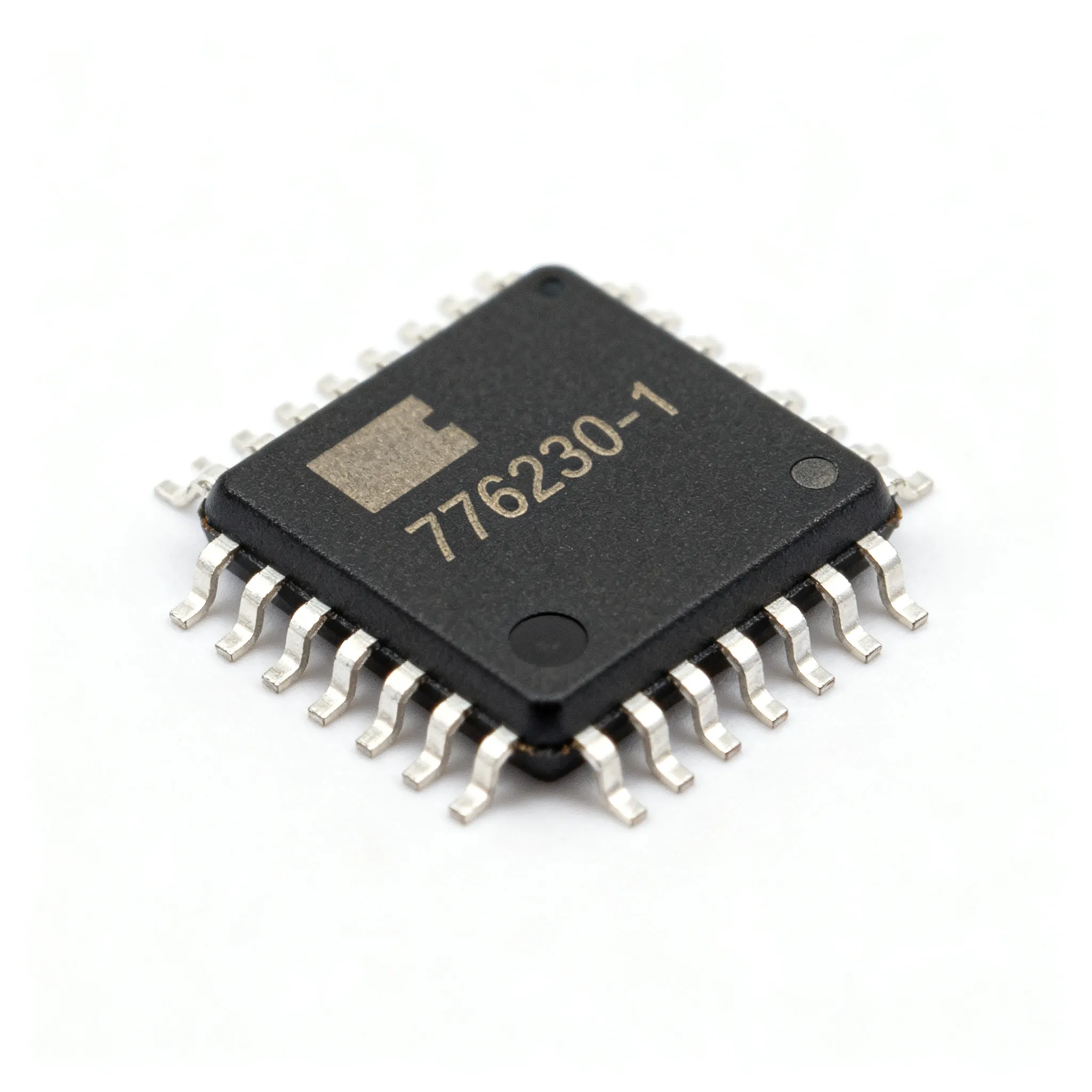
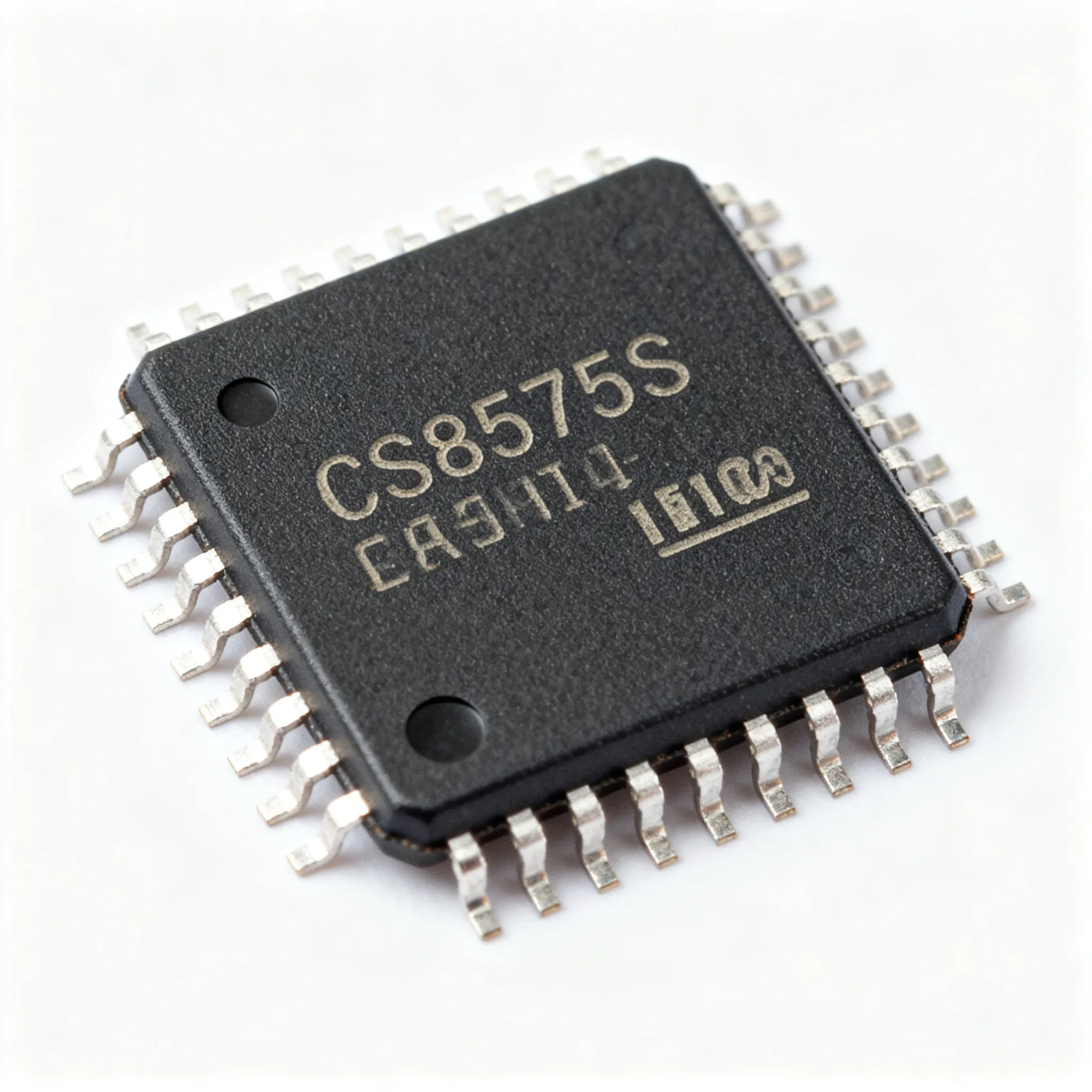
When you design advanced systems, you often use integrated circuits. These components combine many functions into a single chip. Integrated circuits help you save space and improve performance. You also use microcontrollers to add intelligence to your devices. These components let you process data, control other parts, and connect to networks.
Nova Technology Company (HK) Limited stands out as a HiSilicon-designated solutions partner in the integrated circuit industry. You can rely on Nova Technology Company (HK) Limited for professional chip-level solutions, system integration, and support for a wide range of application scenarios. Their expertise helps you source and implement the right electronic components for your projects, especially when you need advanced ICs and system-level integration.
You must understand how each electronic component works and how to combine them. This knowledge lets you build reliable, efficient, and innovative electronic systems. As you move toward 2026, your ability to select and integrate the right components will shape the success of your designs.
Net Components in Modern Electronic Design
Integration in Design Workflows
You play a key role in shaping how net components fit into modern electronic circuit design workflows. Today, you see teams working together more closely than ever. Electrical and mechanical engineers share information and collaborate to make sure every electronic circuit works as intended. This teamwork helps you avoid mistakes and speeds up the design process.
You also benefit from improved automation. Many steps that once required manual work now happen automatically. This change lets you focus on solving complex problems in your electronic circuit instead of repeating simple tasks. You can track every component and its attributes, which helps you place each part accurately and trace data throughout your design.
Here is a table that shows how these features improve your workflow:
| Feature | Description |
|---|---|
| Enhanced Collaboration | Improved teamwork between electrical and mechanical teams for better integration. |
| Improved Automation | Streamlined processes reduce manual steps, enhancing efficiency. |
| Richer Attributes | Better traceability and context for components, aiding in accurate placements. |
You use advanced software tools to manage your electronic circuit projects. These tools help you simulate, visualize, and debug your designs. Some of the most popular tools include:
| Software Tool | Description |
|---|---|
| Altair® PSIM™ | Simulates and designs power electronic systems including motor drives and renewable energy systems. |
| Altair® EEvision™ | Visualizes schematics for circuits and components, enhancing design and debugging processes. |
| Altair® Embed® | Supports model-based firmware development for embedded systems, allowing design and simulation using block diagrams. |
| Altair® PollEx™ | Improves PCB design efficiency with simulation tools for signal integrity and power integrity. |
| OrCAD | Known for advanced simulation capabilities, ideal for signal integrity and power distribution analysis. |
| Allegro PCB Designer | Tailored for high-performance designs, integrates with mechanical CAD tools for complex projects. |
| Fusion 360 | Integrates PCB design with CAD, CAM, and CAE functionalities, suitable for multidisciplinary projects. |
These tools let you handle every step of the electronic circuit design process, from planning to testing.
Trends for 2026
You will see several important trends shaping electronic circuit design in 2026. Digital manufacturing now allows you to create complex electronic circuit layouts with greater precision and speed. Technologies like 3D printing and CNC machining help you build prototypes quickly, so you can test and improve your electronic circuit designs faster.
The rise of iot changes how you think about electronic circuit design. You need to connect more devices and make sure they can share data smoothly. Iot pushes you to design electronic circuits that can handle large amounts of data and communicate with other devices in real time.
Artificial intelligence also plays a bigger role. You use AI to help design smarter electronic circuits and to automate parts of your workflow. Miniaturization lets you build smaller, more powerful electronic circuits for iot devices. Flexible electronics open up new possibilities for wearable technology and medical devices.
You must keep up with these trends to stay competitive. By understanding how net components, iot, and new technologies shape electronic circuit design, you can create better products that meet the needs of tomorrow.
Electronic Components in IoT Devices
Role of Electronic Components in IoT
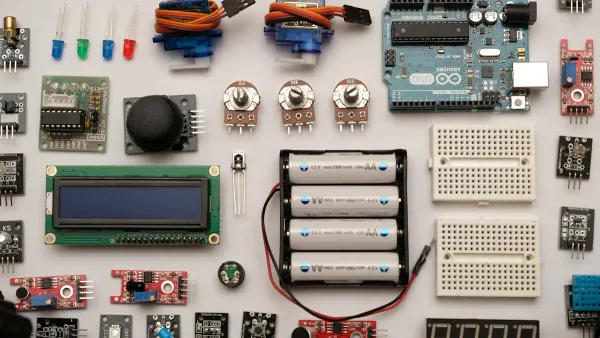
You see electronic components play a key role in iot devices. These devices rely on sensors to collect real-world data from their environment. Sensors detect temperature, humidity, motion, light, and many other changes. You use microcontroller chips to process sensor data and control how devices respond. Microcontroller units manage the flow of data, turning raw sensor readings into useful information.
You also need communication modules in iot devices. These modules let your devices connect to the internet of things and share data with other connected devices. Power management components help your devices run efficiently, making sure they use energy wisely. Storage components keep important data safe, so your devices can work even without a constant connection. Interface components let users interact with iot devices, while actuators perform actions based on microcontroller commands.
- Sensors: Gather real-world data for monitoring and automation.
- Microcontroller: Process sensor data and manage device functions.
- Communication modules: Connect devices to the internet of things.
- Power management: Optimize energy use for longer device life.
- Storage: Save data for real-time and offline use.
- Interface components: Allow users to control devices.
- Actuators: Carry out tasks like opening doors or adjusting lights.
You find that net components enhance connectivity and data processing in iot devices. The table below shows how each layer supports your iot system:
| Component | Description |
|---|---|
| Connectivity (Network Layer) | Local profiles and multi-network steering improve access and availability, while private APN options control traffic. |
| Gateway Layer | Bridges edge devices and higher systems, aggregates data, converts protocols, filters information, and enforces security. |
| Cloud Platforms and Edge Computing | Offer scalable storage and analytics, enable remote management, and apply machine learning to sensor data. |
| Data Processing and Analytics Layer | Transforms sensor data into insights through normalization, aggregation, and analytics, helping you identify trends and optimize device performance. |
Practical IoT Examples
You use iot devices in many areas of daily life. Intelligent thermostats adjust temperature based on sensor readings. Connected doorbells use sensors and microcontroller chips to detect visitors and send real-time alerts. Smart coffee makers start brewing when you wake up, using sensor data and internet of things connectivity. Networked refrigerators monitor food freshness and send updates to your phone. Smart meters track energy use and help you save power. Remote tank monitoring systems use sensors and microcontroller units to check fluid levels and send data to the cloud. Electric vehicle-charging stations, connected lighting, and traffic management systems all rely on iot devices for real-time monitoring and control.
- Intelligent thermostats
- Connected doorbells
- Smart coffee makers
- Networked refrigerators
- Smart meters
- Remote tank monitoring
- Electric vehicle-charging stations
- Connected lighting
- Traffic management systems
- Smart transit systems
- Smart ATMs
- Digital signs and kiosks
You must select and source the right electronic components for iot devices. You balance performance, power efficiency, connectivity, and cost when choosing microcontroller chips and sensors. You also consider project-specific needs and work with your team to make technical and commercial decisions. A reliable sourcing process ensures your iot devices stay stable and efficient from design to production. Nova Technology Company (HK) Limited, a HiSilicon-designated solutions partner, supports you with professional chip-level solutions and system integration for iot devices. Their expertise in the integrated circuit industry helps you meet the demands of advanced iot applications and real-world monitoring scenarios.
Tip: Always match your component choices to your iot device’s requirements. This approach ensures reliable operation and efficient data processing in every application.
Benefits and Challenges of Net Components
Advantages for Designers
You gain many advantages when you use net components in your electronic design process. These components help you manage data more efficiently and improve the reliability of your projects. You can centralize data management, which gives you a single source of truth for all your component information. This approach reduces mistakes and keeps your team on the same page. Automated data verification ensures you always work with the latest information, so you avoid costly errors.
You also benefit from up-to-date supply chain insights. You see which parts are available and get suggestions for alternatives if a component is out of stock. This knowledge helps you make better decisions and keeps your projects moving forward. Net components support a collaborative environment, allowing you and your team to share data and speed up product releases. You can track compliance and risk, making sure your designs meet industry standards and avoid production delays.
| Feature | Benefit |
|---|---|
| Centralized Data Management | Provides a single source of truth for component data, enhancing accuracy across the organization. |
| Up-To-Date Supply Chain Insights | Offers detailed parts availability and alternative suggestions, improving decision-making. |
| Automated Data Verification | Ensures engineers have consistently updated information, reducing errors in design. |
| Collaborative Environment | Facilitates teamwork between engineering and procurement, speeding up product releases. |
| Risk Mitigation | Proactively tracks supply chain issues, minimizing disruptions in production. |
| Compliance Tracking | Helps meet regulatory requirements by identifying compliant components. |
| Cost Optimization | Enables informed, cost-effective decisions on components, enhancing budget management. |
| Library Management | Allows for easy editing or creation of components, streamlining the design process. |
Common Issues and Solutions
You may face challenges when integrating net components into your workflow. Sometimes, you encounter issues with data consistency or errors in multi-board designs. You can address these problems by using advanced tools that support real-time validation and simulation. For example, Altium’s Multi-Board Assembly Editor lets you define board relationships logically and physically, making it easier to manage complex projects. Real-time validation checks your design for errors as you work, so you can fix problems right away.
You also need to ensure seamless collaboration between electronic and mechanical teams. MCAD co-design tools help you keep changes accurate across both domains. Comprehensive harness design tools let you document wiring and connections, which boosts reliability. Advanced simulation tools allow you to detect power integrity issues early, so you can optimize performance before manufacturing.
Tip: Always keep your data organized and use tools that support real-time updates. This practice helps you avoid common mistakes and ensures your net components work as intended.
As the electronic components market grows rapidly, you must adapt to new sourcing challenges. Flexible contracting, ethical sourcing, and resilient supply ecosystems become more important each year. By focusing on these areas, you can ensure your data remains accurate and your designs stay competitive.
You shape the future of electronic design by choosing the right net components. These parts support energy efficiency, signal integrity, and reliable device performance. In IoT and real-world applications, you help users manage energy and improve their experience. To stay ahead, you should:
- Integrate up-to-date component data and use cloud-based solutions for collaboration.
- Connect directly to supplier inventories for real-time updates.
- Keep learning about new technologies and design tools.
- Use electronic design automation and AI tools to optimize your workflow.
Stay informed about market trends and adapt your sourcing strategies to meet new challenges.
FAQ
What are net components, and why do you need them?
Net components help you connect and organize electronic parts on a circuit board. You use them to control how signals and power move through your design. They make your circuits work reliably.
How do you choose the right electronic components for IoT devices?
You look at your device’s needs. You check power use, size, and how well parts work together. You pick sensors, microcontrollers, and communication modules that fit your project.
What tools help you manage net components in your workflow?
You use design software like OrCAD, Altair® EEvision™, or Fusion 360. These tools let you track, simulate, and test your components. They help you spot errors early.
What challenges do you face when sourcing electronic components?
You may find parts out of stock or face long delivery times. You need to check for reliable suppliers and keep your data updated. Using supply chain tools helps you avoid delays.
Can you reuse net components in different projects?
Yes! You can save time by reusing net components from past designs. You just need to check that they match your new project’s needs and update any details as needed.