Why the AC Capacitor Function Is Vital for Your Cooling System
A small part like the ac capacitor can decide if your home stays cool or turns uncomfortable. When you know how a capacitor
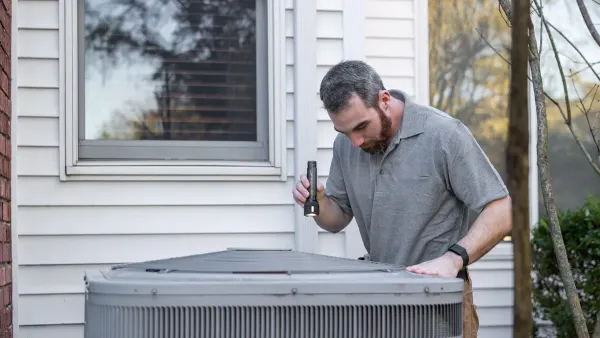
A small part like the ac capacitor can decide if your home stays cool or turns uncomfortable. When you know how a capacitor works in your hvac or air conditioning, you spot problems before they grow. If you notice your hvac system struggles to start or your bills rise, the capacitor could be the cause. Learning about ac capacitor function helps you act quickly, avoid bigger repairs, and keep your hvac running well.
Key Takeaways
- The AC capacitor helps start and run your air conditioner's motors by giving them the power boost they need.
- A working capacitor keeps your HVAC system efficient, lowers energy bills, and prevents motor damage.
- The capacitor stabilizes voltage to protect your system from power surges and drops.
- Watch for signs like humming noises, slow starts, or warm air to spot capacitor problems early.
- Always call a professional to replace a faulty capacitor to stay safe and avoid costly repairs.
AC Capacitor Function
Starting the Motors
When you turn on your hvac, the ac capacitor gives the compressor and fan motors the energy they need to start. Your home's wiring alone cannot provide the quick burst of power needed for these motors. The capacitor stores electrical energy and then releases it in a strong surge. This surge helps the motors overcome resistance and begin spinning. Without this boost, the motors may not start at all, or they might need a push to get going. The ac capacitor function is especially important for the compressor, which faces a heavy load at startup. If the capacitor fails, your hvac system may hum or click, but the fan or compressor will not run. This can lead to poor cooling performance and even damage other parts of your air conditioning.
Tip: If your hvac makes a humming sound but does not start, the capacitor could be the problem.
Running the Motors
After the motors start, the ac capacitor continues to play a key role. It supplies a steady flow of energy to keep the compressor and fan motors running smoothly. This ongoing support helps the motors maintain the right speed and prevents them from overheating. The ac capacitor function acts like a small battery, storing and releasing energy as needed. This keeps your hvac running efficiently and reduces wear on the motors. When the capacitor works well, your hvac system uses less electricity and lasts longer. If the capacitor wears out, the motors may run unevenly, draw too much current, or even stop working. This can cause your energy bills to rise and lead to more frequent repairs.
- The run capacitor provides a continuous charge to stabilize the power supply.
- It helps the motors run at the correct speed, which is vital for proper airflow and temperature control.
- A healthy capacitor means fewer breakdowns and longer motor life.
Stabilizing Voltage
The ac capacitor function also protects your hvac by stabilizing voltage. Power from the grid can sometimes surge or drop. These changes can harm sensitive parts like the compressor, motors, and circuit boards. The capacitor acts as a buffer, absorbing sudden spikes and filling in dips. This keeps the voltage steady and prevents damage. When voltage stays stable, your hvac system runs safely and efficiently. If the capacitor fails, voltage can swing up and down, causing the motors to overheat or burn out. This not only shortens the life of your hvac but can also lead to expensive repairs.
- Voltage stabilization prevents electrical surges and drops.
- It protects the compressor, fan motors, and other components from damage.
- Stable voltage means your air conditioning works better and lasts longer.
Note: Regular maintenance and timely replacement of the capacitor help prevent voltage problems and keep your hvac system reliable.
The ac capacitor function is vital for every part of your hvac. It starts the motors, keeps them running, and protects the system from voltage swings. By understanding how the capacitor works, you can spot problems early and keep your home cool and comfortable.
What Is an AC Capacitor?
Basic Definition
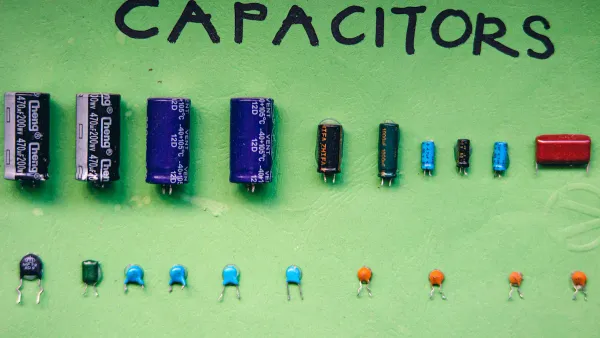
You may wonder what makes your hvac work so smoothly. The answer often lies in a small but powerful part called the ac capacitor. This device stores and releases electrical energy to help your air conditioner start and run. In your hvac system, the capacitor supports the compressor and fan motors. It gives them the power they need to begin working and keeps them running without strain. The air conditioner capacitor regulates the flow of electricity, making sure your system operates safely and efficiently.
The ac capacitor is designed for use in alternating current circuits. It handles constant charging and discharging as the power changes direction. Most capacitors in hvac units are non-polarized, so you can connect them in either direction. The main technical features include capacitance, measured in microfarads, and voltage rating, which shows how much current the capacitor can handle. These ratings help your hvac system perform well and last longer.
Tip: Always check the voltage and capacitance ratings when replacing a capacitor. Using the wrong type can damage your hvac.
How It Works
The ac capacitor works by storing energy between two metal plates separated by a dielectric material. When you turn on your hvac, the capacitor absorbs electrical energy from the main supply. It then releases a quick burst of power to start the compressor and fan motors. After startup, the capacitor continues to supply steady energy, helping the motors run smoothly throughout the cooling cycle.
Here is how the capacitor functions in your air conditioner:
- It stores electrical energy using two conductive plates and a dielectric layer.
- It provides an initial jolt to start the compressor and fan motors.
- It maintains a constant flow of power for efficient motor operation.
- It helps keep voltage and current steady, protecting your hvac from damage.
You will find different types of capacitors in cooling systems. Motor run capacitors use metallized polypropylene and work continuously. Motor start capacitors use electrolytic materials and provide short bursts of power. The table below shows common types and their features:
| Capacitor Type | Dielectric Material | Capacitance Range | Voltage Rating (AC) | Usage Duration |
|---|---|---|---|---|
| Motor Run Capacitors | Metallized polypropylene | 2 µF - 80 µF | 250V - 440V | Continuous |
| Motor Start Capacitors | Electrolytic | 50 µF - 600 µF | 110V - 330V | Short-term |
| HVAC Dual Run Capacitors | Metallized polypropylene | 5/5 µF - 50/10 µF | 370V - 440V | Continuous |
The capacitor does not work alone. It supports other parts by transferring energy within the circuit. When you understand how the ac capacitor works, you can spot problems early and keep your hvac system running at its best.
AC Capacitor Types
When you look inside your hvac, you will find two main types of capacitors. Each type plays a special role in keeping your ac capacitor working and your home cool.
Start Capacitor
The start capacitor gives your hvac the boost it needs to get moving. When you turn on your air conditioner, this capacitor sends a strong surge of energy to the compressor motor. This surge helps the motor overcome resistance and start spinning. You only need the start capacitor for a short time. Once the motor reaches about 75% of its speed, the start capacitor disconnects from the circuit.
- Start capacitors have higher capacitance than run capacitors.
- They provide the torque needed to start the motor.
- If the start capacitor fails, your motor may not start at all.
Tip: If your hvac system hums but does not start, you may have a faulty start capacitor.
The right start capacitor helps your hvac system start quickly and safely. Using the wrong type or size can cause the motor to struggle, overheat, or fail.
Run Capacitor
The run capacitor keeps your hvac running smoothly after startup. This capacitor stays connected while the motor operates. It supplies a steady flow of energy, which helps the motor maintain speed and efficiency. The run capacitor also smooths out voltage fluctuations, protecting your ac capacitor and other parts from damage.
| Aspect | Start Capacitor | Run Capacitor |
|---|---|---|
| Function | Initial energy surge to start motor | Maintains steady current during operation |
| Operation Duration | Brief, until motor reaches speed | Continuous, while motor runs |
| Purpose | Supplies starting torque | Improves efficiency, smooths voltage |
| Application | Used only at startup | Used throughout operation |
| Circuit Connection | Disconnected after startup | Stays connected |
If the run capacitor fails, your motor may run unevenly, overheat, or make loud noises. You might notice higher energy bills or poor cooling. The run capacitor must match the motor’s voltage and capacitance ratings. Using the wrong capacitor can shorten its life and reduce your hvac’s efficiency.
Note: Some hvac units use a dual capacitor, which combines both start and run functions in one part. This saves space and cost.
Choosing the right ac capacitor type keeps your hvac working efficiently. Quality capacitors last longer and help prevent breakdowns. Heat, voltage, and time affect how long a capacitor lasts. Always use the correct type for your hvac system to avoid damage and keep your home comfortable.
AC Capacitor Failure Signs

Warning Signs
You can spot trouble with your ac capacitor by watching for a few clear warning signs. Your hvac system may show these symptoms when the capacitor starts to fail. If you notice any of these, you should act quickly to prevent bigger problems.
- The air conditioner does not turn on, even though the thermostat works.
- You hear a humming noise from the outdoor unit, but the fan does not spin.
- Air from the vents feels warmer than usual or does not cool your home.
- The system starts and stops too quickly, which is called short cycling.
- The unit takes longer than normal to start after you power it on.
- Your energy bills go up, even though you use the hvac the same way.
- Sometimes, you smell something burning near the outdoor unit.
If your hvac system shows several of these signs at once, the capacitor may be the problem. Performance can drop quickly after these symptoms appear. Motors may run poorly or stop working, and your air conditioner may shut off without warning. Running the system with a bad capacitor can cause more damage, so you should get help right away.
Common Causes
Many things can lead to capacitor failure in your hvac system. Knowing these causes helps you protect your air conditioner and avoid costly repairs.
- Overheating: High temperatures and direct sunlight can make the capacitor overheat. If your hvac runs hard during hot days, the stress can shorten the life of the ac capacitor.
- Power Surges or Overload: Sudden spikes in electricity, like lightning strikes or changes in the power supply, can burn out the capacitor. Problems with fan motors or using the wrong size capacitor also cause overload.
- Worn Out or Damaged Parts: Capacitors wear out over time, usually lasting up to 20 years. Damage to other parts, such as fan motors or relay switches, can make the capacitor fail sooner.
- Environmental Exposure: Heat, humidity, and dust can damage the inside of the capacitor. Moisture causes corrosion and short circuits, while high temperatures break down insulation. These factors make the ac capacitor lose its ability to store energy and work properly.
| Cause | How It Affects the Capacitor |
|---|---|
| Overheating | Speeds up wear and shortens lifespan |
| Power Surges | Burns out or overloads the capacitor |
| Age | Reduces ability to store energy |
| Environmental Stress | Causes corrosion and insulation loss |
You can help your hvac last longer by keeping the outdoor unit shaded, using surge protectors, and scheduling regular maintenance. When you understand what causes capacitor failure, you can take steps to keep your cooling system running smoothly.
What to Do If the AC Capacitor Fails
Safety First
When your ac capacitor fails, your first step should always be safety. You might think about fixing the problem yourself, but this can be very risky. The capacitor in your hvac system stores high-voltage electricity, even after you turn off the power. Touching the terminals without proper training can cause a dangerous shock. Some capacitors also contain hazardous materials that can harm your health if they leak or break.
⚠️ Never try to replace a capacitor on your own. Even if the system is off, the capacitor may still hold a charge.
Here are some reasons why DIY replacement is unsafe:
- Capacitors can shock you with stored electricity, even when the power is off.
- Using the wrong size or making a bad connection can damage your hvac or cause a fire.
- Capacitors often sit in tight spaces, making safe removal hard without the right tools.
- Handling a leaking or damaged capacitor can expose you to harmful chemicals.
If you notice signs of capacitor failure, such as your hvac not starting or making strange noises, turn off the system and stay clear of the unit. Do not try to test or touch the capacitor.
Call a Professional
You should always call a licensed hvac technician for ac repair when you suspect a capacitor problem. Professionals have the right tools and training to handle high-voltage parts safely. They know how to test and replace the ac capacitor without risking injury or damaging your system.
A technician will:
- Check the exact microfarad rating needed for your hvac motor.
- Replace the capacitor with the correct part, preventing strain on other components.
- Inspect your system for related issues, helping you avoid future breakdowns.
Delaying ac repair can lead to bigger problems. If you wait, your hvac may use more electricity, and other parts like the compressor or fan motor can fail. This can turn a simple fix into a costly repair. Timely replacement of a faulty capacitor keeps your system running smoothly and extends its life.
| Aspect | Immediate AC Repair | Delayed Repair |
|---|---|---|
| Cost | $100 - $250 | $750 - $2,000+ |
| System Efficiency | Restored | Reduced, higher bills |
| Risk of Damage | Low | High, may harm other parts |
| Comfort | Maintained | Poor cooling, discomfort |
🛠️ Quick action saves money and keeps your home comfortable. Regular maintenance and fast ac repair help your hvac last longer and work better.
The ac capacitor plays a key role in starting, running, and protecting your cooling system. You can keep your air conditioning reliable by learning to spot failure signs and acting quickly. Regular air conditioner maintenance helps prevent costly breakdowns and keeps your system efficient.
- Schedule professional inspections at least once a year.
- Keep the area around your unit clean and replace filters often.
- Install surge protectors and address unusual noises right away.
A little knowledge about your capacitor goes a long way toward comfort and peace of mind.
FAQ
What happens if you ignore a faulty AC capacitor?
If you ignore a faulty capacitor, your AC may stop cooling. Motors can overheat or burn out. You risk higher repair costs and shorter system life. Quick action helps you avoid bigger problems.
How often should you check your AC capacitor?
You should check your AC capacitor once a year during routine maintenance. Regular checks help you spot wear early. This keeps your cooling system reliable and efficient.
Can you replace an AC capacitor yourself?
⚠️ You should not replace an AC capacitor yourself. The part stores high-voltage electricity. Touching it can cause serious injury. Always call a licensed technician for safe replacement.
What causes an AC capacitor to fail?
| Cause | Effect on Capacitor |
|---|---|
| Heat | Speeds up wear |
| Power surges | Damages internal parts |
| Age | Reduces performance |
| Moisture | Causes corrosion |
You can prevent failure with regular maintenance and surge protection.