

Oscillators61 Products
| Image | Part Number | Manufacturer | Description | Actions | |
|---|---|---|---|---|---|
 PDF | MP06043 | Golledge Electronics Ltd | 32.7680KHZ GAO-3201/AI SM OSCILL | MOQ: 1 Hover to quote | |
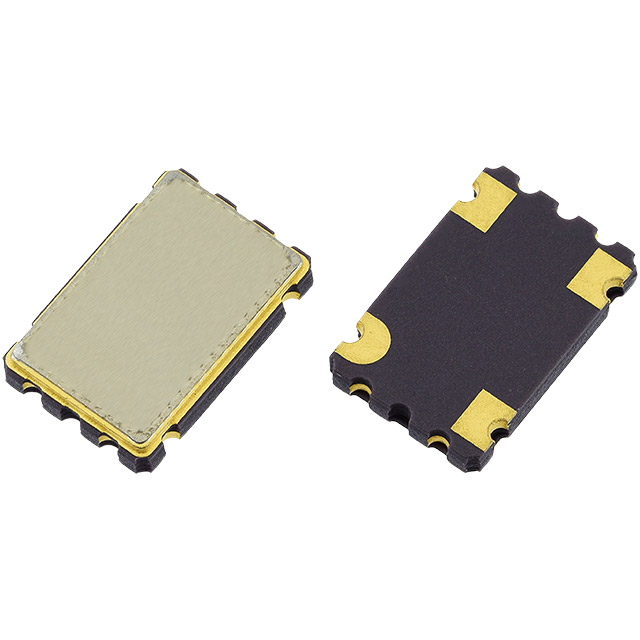 PDF | MP07724 | Golledge Electronics Ltd | 49.1520 MHz GXO-7506L/A Ultra-Lo | MOQ: 1 Hover to quote | |
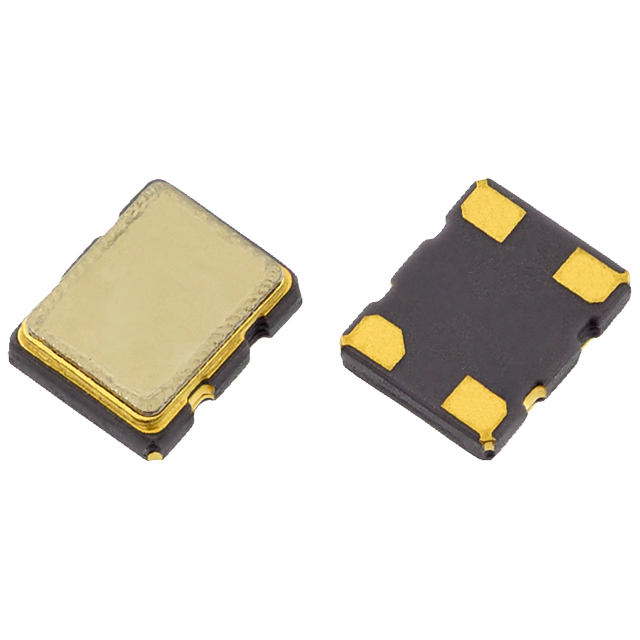 PDF | MP12535 | Golledge Electronics Ltd | 40.0MHZ GTXO-253T/ES SM TCXO +3. | MOQ: 1 Hover to quote | |
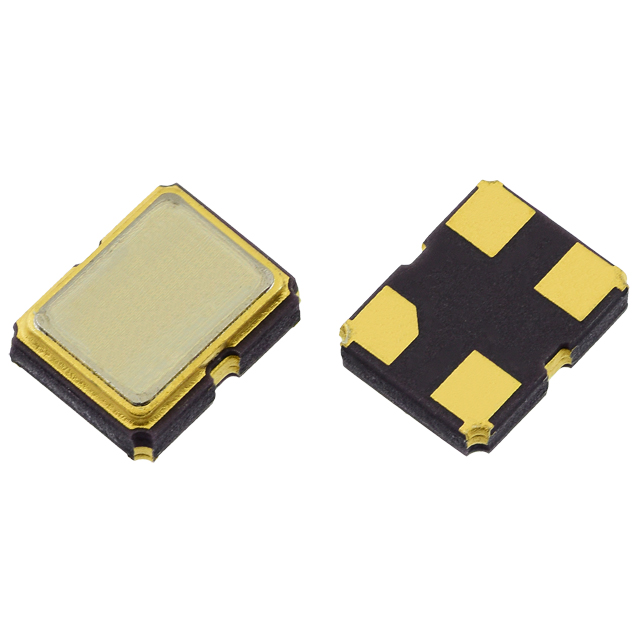 PDF | MP11162 | Golledge Electronics Ltd | 48.0 MHz GXO-3306L/B Ultra-Low J | MOQ: 1 Hover to quote | |
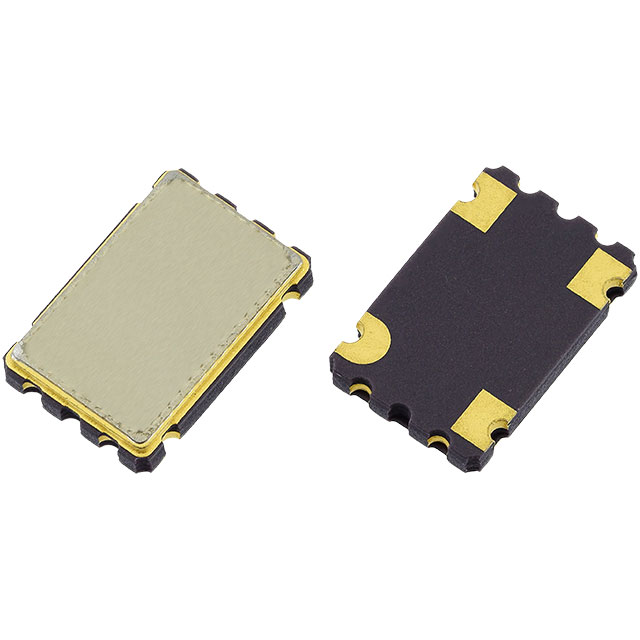 PDF | MS09175 | Golledge Electronics Ltd | 4.91520MHz GXO-U108H SM Oscillat | MOQ: 1 Hover to quote | |
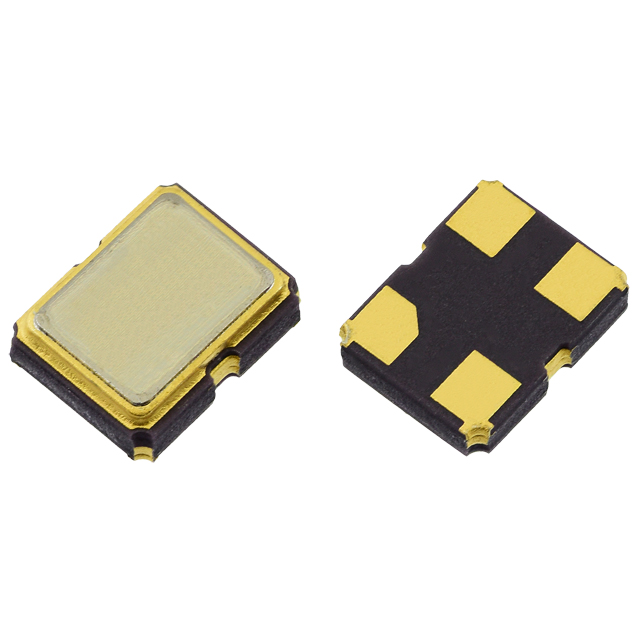 PDF | MP07787 | Golledge Electronics Ltd | 24.5760 MHz GXO-3306L/A Ultra-Lo | MOQ: 1 Hover to quote | |
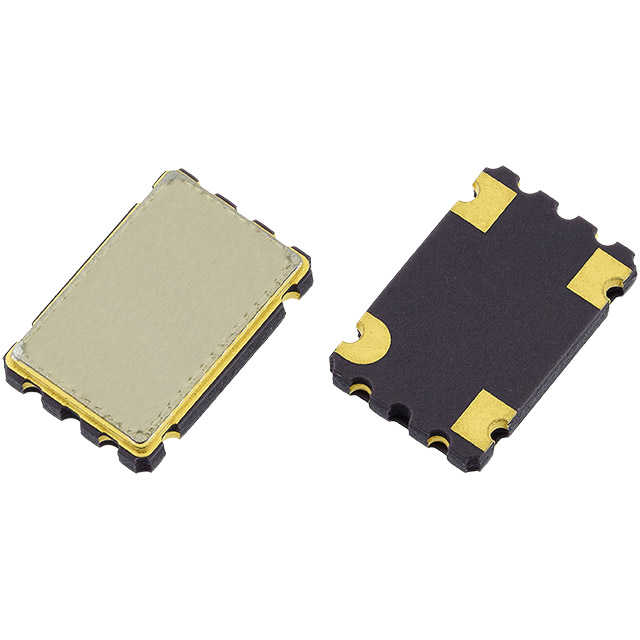 PDF | MP08012 | Golledge Electronics Ltd | 24.0 MHZ GXO-7506L/A | MOQ: 1 Hover to quote | |
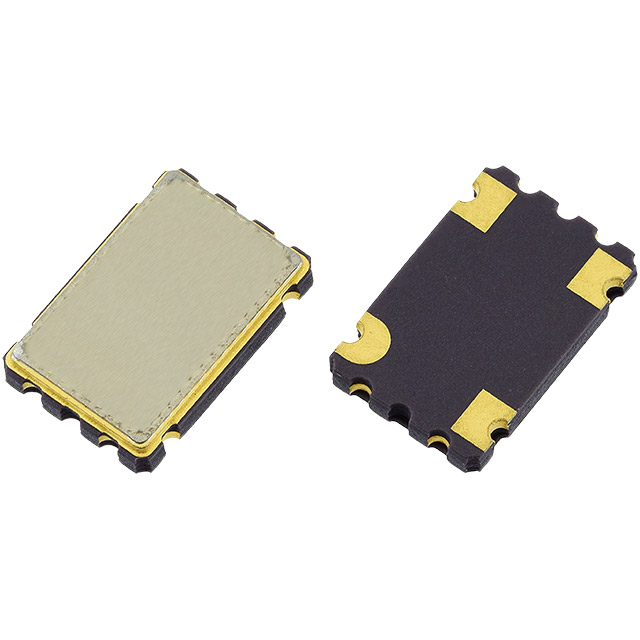 PDF | MP07693 | Golledge Electronics Ltd | 50.0 MHz GXO-7506L/A Ultra-Low J | MOQ: 1 Hover to quote | |
PDF | MA08824 | Golledge Electronics Ltd | 18.4320MHz GXO-U108L/BI SM Oscil | MOQ: 1 Hover to quote | |
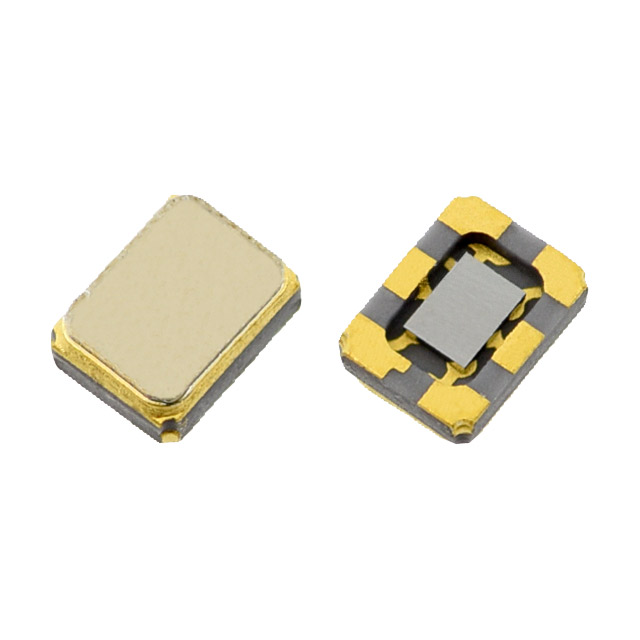 PDF | MP11443 | Golledge Electronics Ltd | 32.0 MHz GTXO-163T/ES TCXO | MOQ: 1 Hover to quote | |
PDF | MP11635 | Golledge Electronics Ltd | 50.0 MHz GXO-3306L/A Ultra-Low J | MOQ: 1 Hover to quote | |
PDF | MP12534 | Golledge Electronics Ltd | 38.40MHZ GTXO-253T/ES SM TCXO +1 | MOQ: 1 Hover to quote | |
PDF | MS05962 | Golledge Electronics Ltd | 25.0MHz GXO-U108L/B SM Oscillato | MOQ: 1 Hover to quote | |
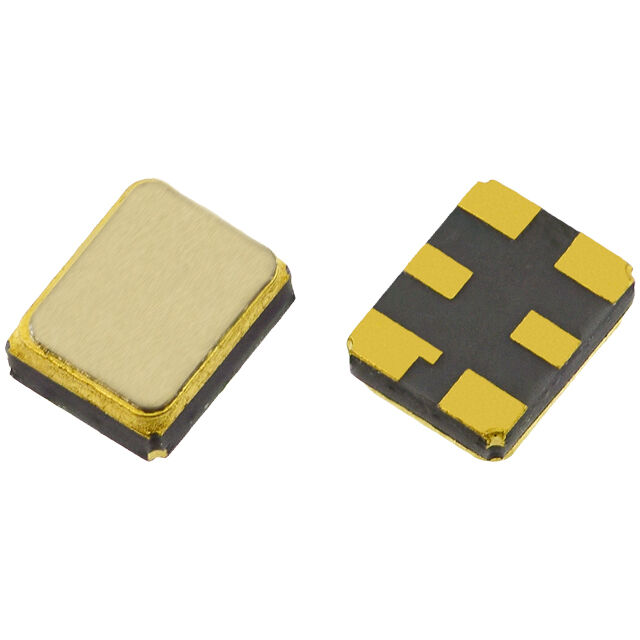 PDF | MP07688 | Golledge Electronics Ltd | 38.40MHZ GTXO-203T/ES SM TCXO +1 | MOQ: 1 Hover to quote | |
PDF | MP11636 | Golledge Electronics Ltd | 48.0 MHz GXO-7506L/B Ultra-Low J | MOQ: 1 Hover to quote | |
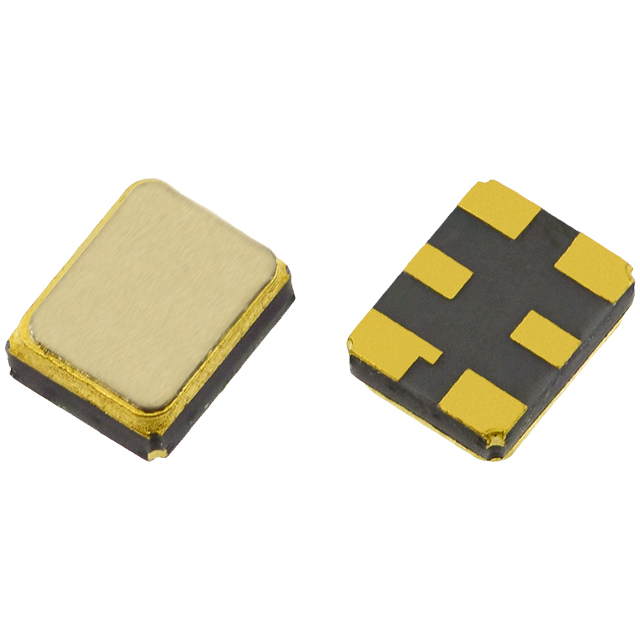 PDF | MP12537 | Golledge Electronics Ltd | 26.0MHZ GTXO-203T/ES SM TCXO +3. | MOQ: 1 Hover to quote | |
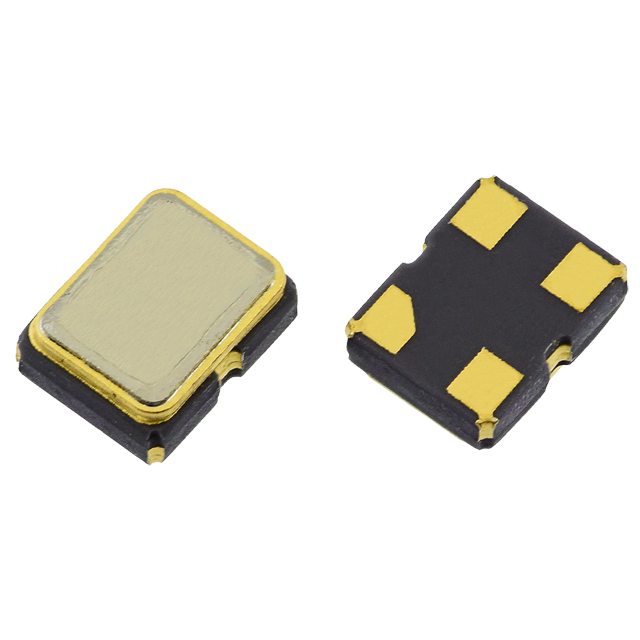 PDF | MP10672 | Golledge Electronics Ltd | XTAL OSC 24.0000MHZ LVCMOS SMD | MOQ: 1 Hover to quote | |
PDF | MA01553 | Golledge Electronics Ltd | 50.0MHz GXO-U108L/BI | MOQ: 1 Hover to quote | |
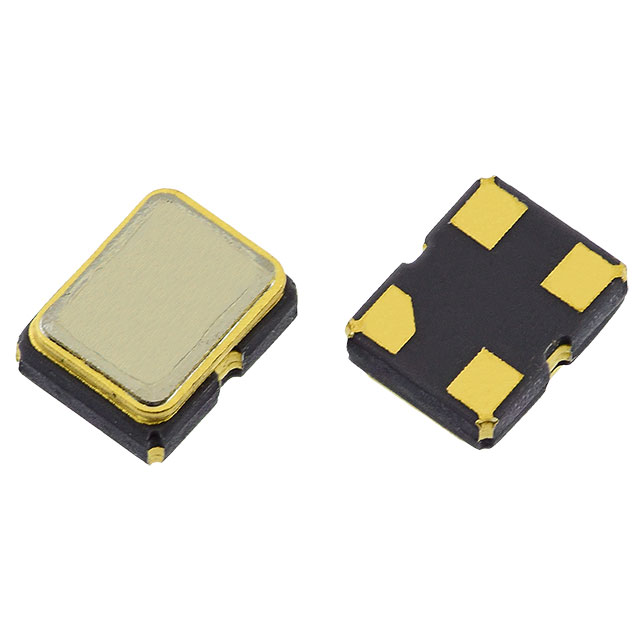 PDF | MP01639 | Golledge Electronics Ltd | XTAL OSC 20.0000MHZ CMOS SMD | MOQ: 1 Hover to quote | |
PDF | MP07692 | Golledge Electronics Ltd | 24.5760 MHz GXO-7506L/A Ultra-Lo | MOQ: 1 Hover to quote |
Crystals, Oscillators, and Resonators serve as critical components in frequency control applications, each offering unique characteristics that make them suitable for different electronic design requirements. Crystals, typically crafted from precision-cut quartz, represent the foundational frequency-generating element, providing stability and precise frequency references with low aging rates and minimal temperature drift. Unlike standalone components, crystals require external oscillator circuitry to generate a usable clock signal, which can be both an advantage and limitation in circuit design. Oscillators build upon crystal technology by integrating the crystal with supporting circuitry, creating a self-contained frequency source that eliminates the need for additional external components. This integration offers advantages in complexity reduction and reliability. Advanced oscillator variants like TCXOs (Temperature-Compensated Crystal Oscillators) and VCXO (Voltage Controlled Crystal Oscillator) further enhance frequency stability through temperature compensation mechanisms, making them ideal for high-precision applications such as telecommunications, GPS systems, and network timing infrastructure. Resonators, in contrast, represent a more cost-effective alternative, typically manufactured from ceramic or Surface Acoustic Wave (SAW) materials. While inherently less precise than quartz crystals, resonators excel in applications prioritizing size, cost, and durability over extreme frequency accuracy. Their compact form factor and design make them particularly attractive for consumer electronics, automotive systems, and microcontroller-based designs where moderate frequency stability is acceptable. Resonators typically offer frequency tolerances in the range of ±0.5% to ±0.1%, compared to crystals' remarkable ±0.005% to ±0.05% precision. The selection between these components ultimately depends on a nuanced evaluation of application-specific requirements. Designers must carefully balance factors including frequency accuracy, temperature stability, power consumption, physical size, environmental resilience, and total system cost. For mission-critical systems demanding exceptional precision, quartz crystals and high-grade oscillators remain irreplaceable. Conversely, for cost-sensitive, less demanding applications, ceramic resonators provide an elegant and economical solution. For questions and further information on Crystals, Oscillators, or Resonators visit the Tech Forum. Some common frequencies are: 32.768 kHz – Used in real-time clocks (RTCs) and low-power timing applications. 32768Hz is 215 Hz. Allows binary division for 1 second intervals. 1.8432 MHz – Common for UART baud rate communication in microcontrollers. 1.8342MHz can be divided easily to create standard rates: 115,200 = 1843200/16, 57,600 =1843200/32, etc 16.000 MHz – Frequently used with microcontrollers such as the ATmega328P (Arduino), Zigbee, and Bluetooth BLE. 19.200 MHz – Found in wireless communication devices, such as mobile phones. Used as a reference clock for CDMA/GSM 23.104 MHz – Used for a reference clock for some GPS systems.