

Rotary Potentiometers, Rheostats2,533 Products
| Image | Part Number | Manufacturer | Description | Actions | |
|---|---|---|---|---|---|
 PDF | PDB241-GTR11-253A2 | Bourns Inc. | PANEL CONTROL - 24MM-ST-CARBON | MOQ: 5000 Hover to quote | |
PDF | PDB241-GTR14-504A2 | Bourns Inc. | PANEL CONTROL - 24MM-ST-CARBON | MOQ: 5000 Hover to quote | |
PDF | PDB241-GTR12-105C2 | Bourns Inc. | PANEL CONTROL - 24MM-ST-CARBON | MOQ: 5000 Hover to quote | |
PDF | PDB241-GTR12-104B0 | Bourns Inc. | PANEL CONTROL - 24MM-ST-CARBON | MOQ: 5000 Hover to quote | |
PDF | PDB241-GTR12-503A2 | Bourns Inc. | PANEL CONTROL - 24MM-ST-CARBON | MOQ: 5000 Hover to quote | |
PDF | PDB241-GTR12-253A2 | Bourns Inc. | PANEL CONTROL - 24MM-ST-CARBON | MOQ: 5000 Hover to quote | |
| PTD902-1020F-A103 | Bourns Inc. | CAP | MOQ: 1 Hover to quote | |
PDF | PTV111-4215A-B103 | Bourns Inc. | CAP | MOQ: 1 Hover to quote | |
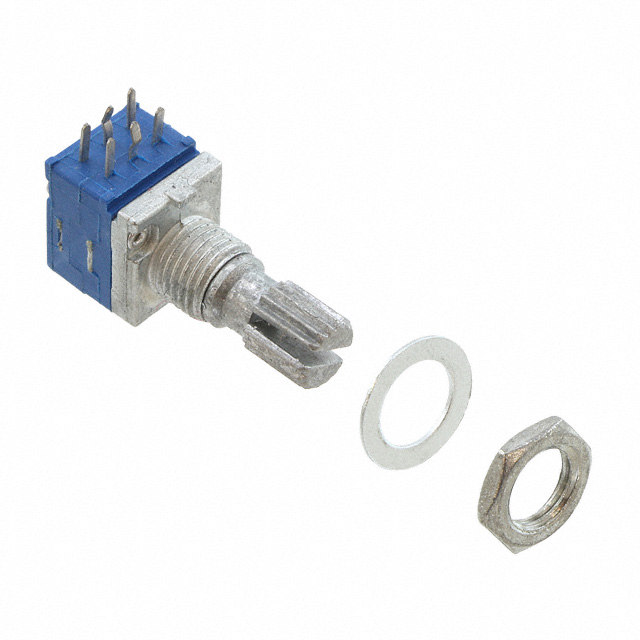 PDF | PTD902-2015K-B503 | Bourns Inc. | POT 50K OHM 1/20W CARBON LINEAR | MOQ: 1 Hover to quote | |
PDF | PTD902-2215K-B203 | Bourns Inc. | POT 20K OHM 1/20W CARBON LINEAR | MOQ: 1 Hover to quote | |
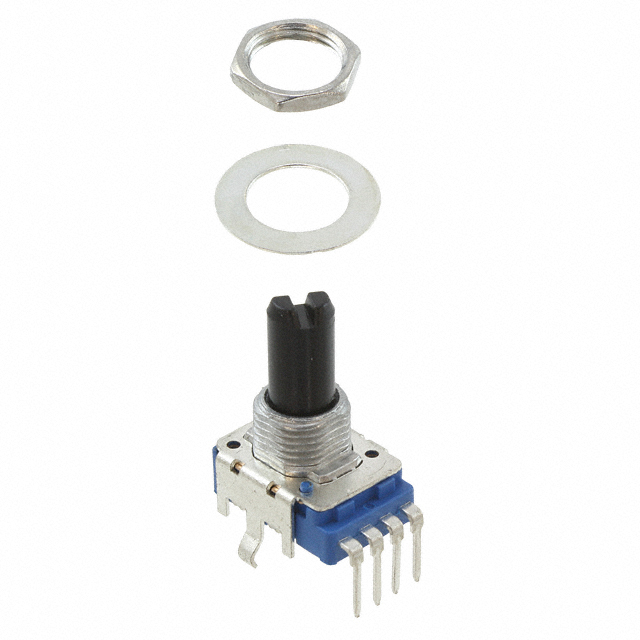 PDF | PTV111-3415A-B503 | Bourns Inc. | POT 50K OHM 1/20W CARBON LINEAR | MOQ: 1 Hover to quote | |
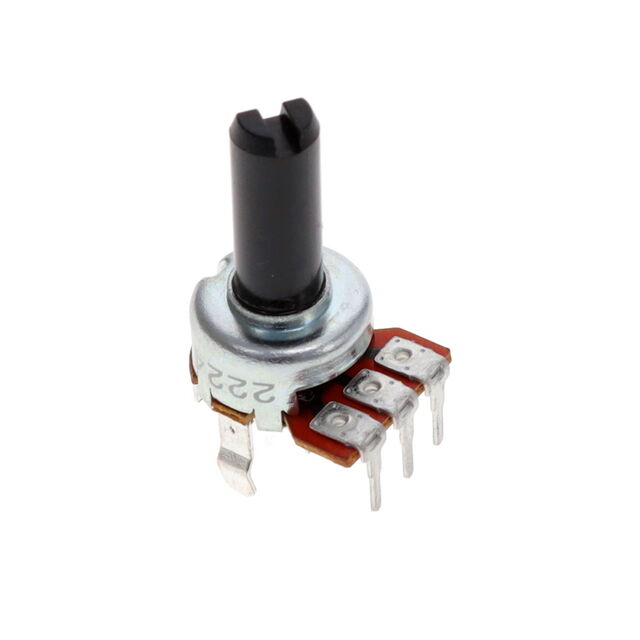 PDF | PDB12-H2251-102BF | Bourns Inc. | POT 1K OHM 0.08W CARBON LINEAR | MOQ: 1 Hover to quote | |
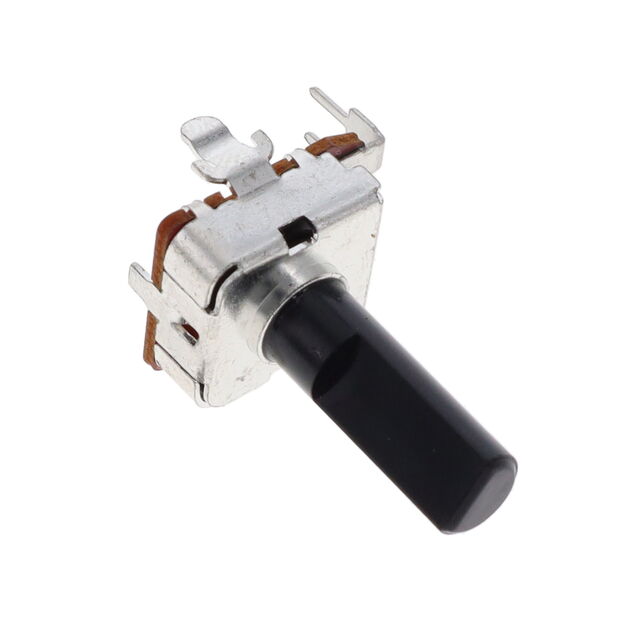 PDF | PDB12-M4251-104BF | Bourns Inc. | POT 100K OHM 0.08W CARBON LINEAR | MOQ: 1 Hover to quote | |
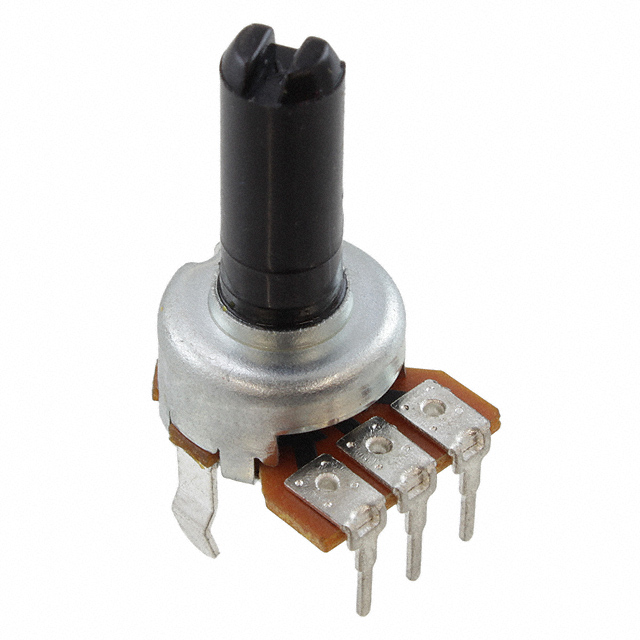 PDF | PDB12-H4251-103BF | Bourns Inc. | POT 10K OHM 0.08W CARBON LINEAR | MOQ: 1 Hover to quote | |
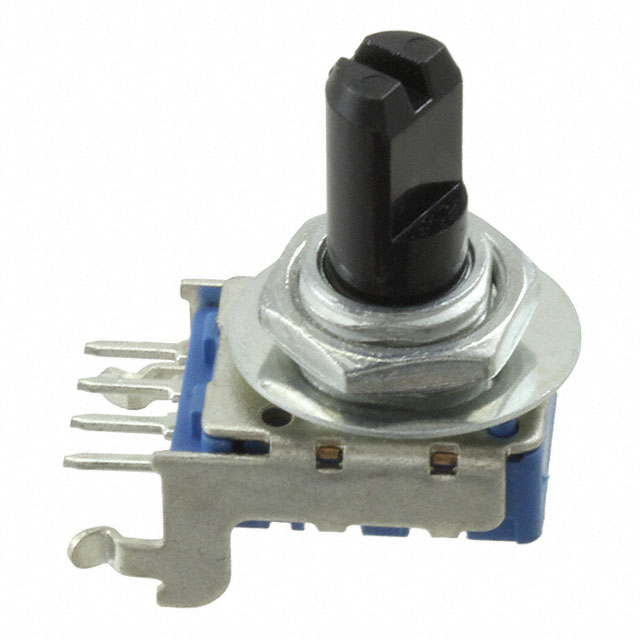 PDF | PTV111-1415A-B203 | Bourns Inc. | POT 20K OHM 1/20W CARBON LINEAR | MOQ: 1 Hover to quote | |
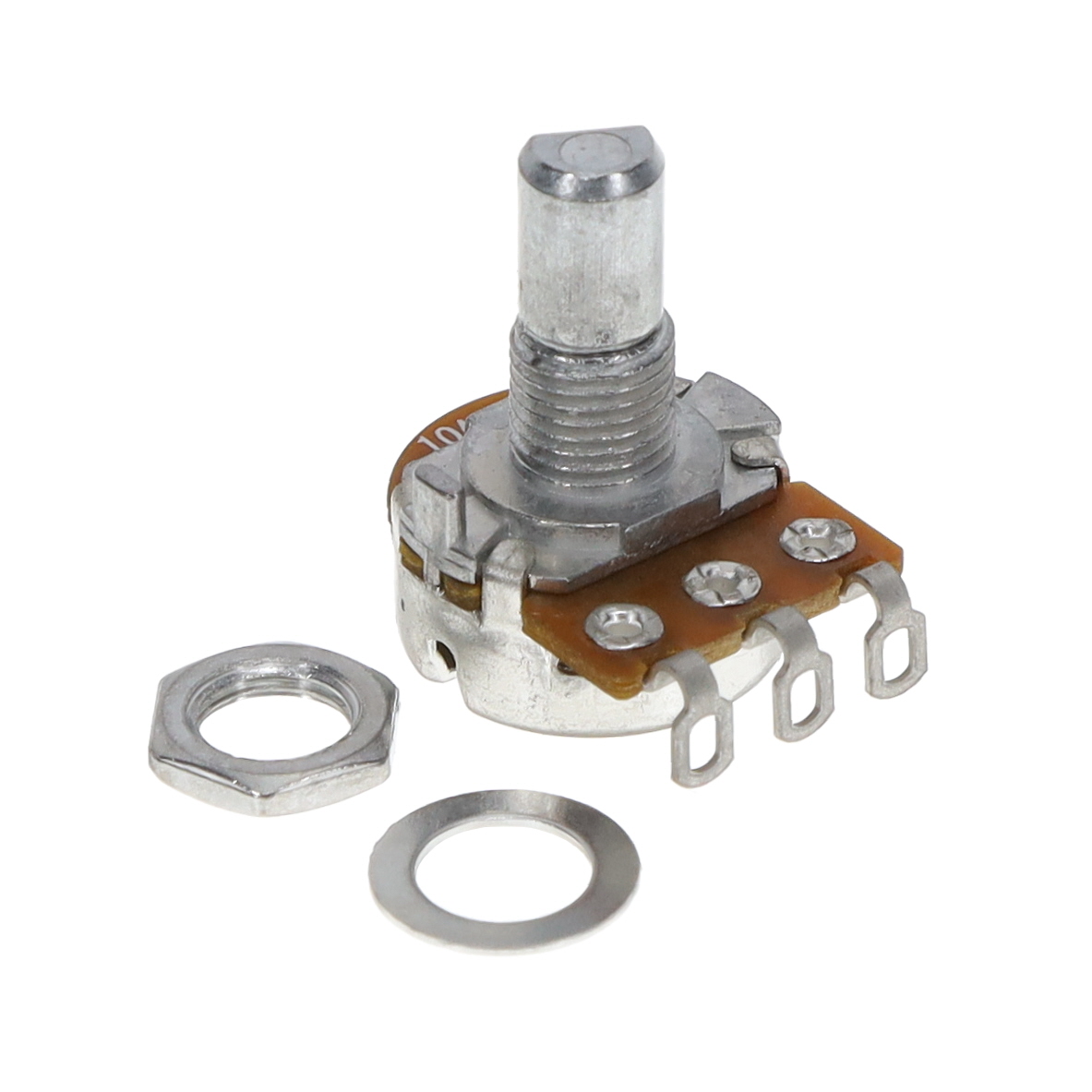 PDF | PDB181-E415F-504A2 | Bourns Inc. | POT 500K OHM 1/10W CARBON LOG | MOQ: 1 Hover to quote | |
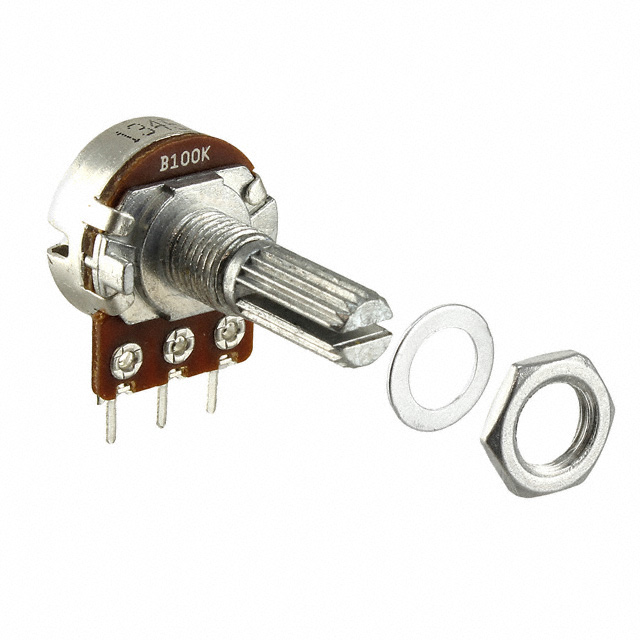 PDF | PDB181-E420K-504B | Bourns Inc. | POT 500K OHM 1/5W CARBON LINEAR | MOQ: 1 Hover to quote | |
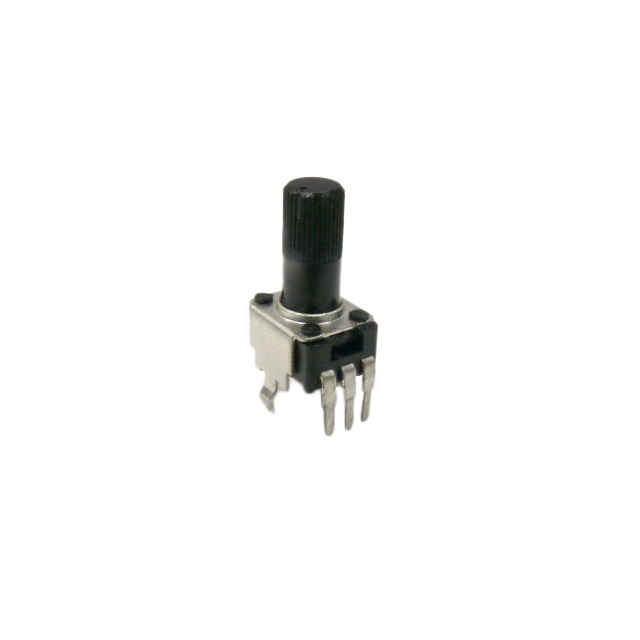 PDF | PTV09A-4030F-A102 | Bourns Inc. | POT 1K OHM 1/20W CARBON LOG | MOQ: 1 Hover to quote | |
PDF | PDB181-K220K-102B | Bourns Inc. | POT 1K OHM 1/5W CARBON LINEAR | MOQ: 1 Hover to quote | |
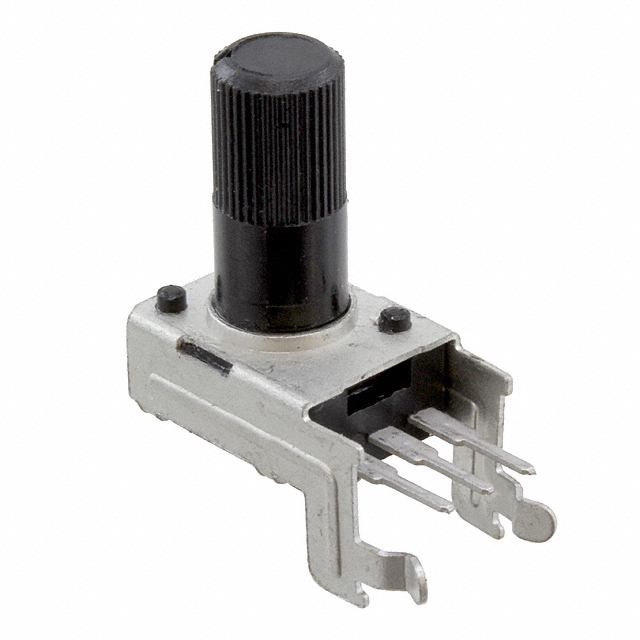 PDF | PTV09A-2015U-B103 | Bourns Inc. | POT 10K OHM 1/20W CARBON LINEAR | MOQ: 1 Hover to quote |
A rheostat is a type of adjustable resistor used to control current flow in an electrical circuit by varying resistance. Often referred to as a variable resistor, a rheostat is typically constructed using a wire-wound resistive element—usually made of materials like nichrome or another high-resistivity alloy—wrapped around a ceramic or insulating core. A sliding contact called a wiper moves along the resistive wire to change the effective resistance between two terminals, allowing more or less current to flow. Rheostats are commonly rotary or linear in design and are manually adjusted using a shaft or slider. Though similar in appearance to a potentiometer, a rheostat is typically used with just two terminals to control current (not voltage division), making it better suited for high-power applications like motor speed control or dimming incandescent lamps. When selecting a rheostat, key factors include resistance range (measured in ohms), power rating (in watts), adjustment type (rotary or linear), and mechanical durability. For high-current applications, look for wire-wound models that can dissipate significant heat. Rheostats are generally used in AC and DC circuits, but they must be rated appropriately for the type and magnitude of the voltage and current involved. It’s important to note that rheostats are not as precise or compact as digital alternatives, and their mechanical nature makes them less suited to automated or embedded systems. However, they remain useful for hands-on control, adjustment during prototyping, and high-power load variation where fine-tuned analog control is necessary. When comparing to potentiometers, remember: all rheostats are variable resistors, but not all variable resistors are rheostats—potentiometers usually act as voltage dividers, while rheostats typically control current directly.