Arduino RF Module Procurement: Cost-Saving Sourcing Strategies and BOM Optimization Tips
Expert guide on Arduino RF Module Procurement: Cost-Saving Sourcing Strategies and BOM Optimization Tips. Technical specs, applications, sourcing tips for engineers and buyers.
Arduino RF Module Procurement: Cost-Saving Sourcing Strategies and BOM Optimization Tips
Why Arduino RF Module Costs Are Under Pressure Right Now
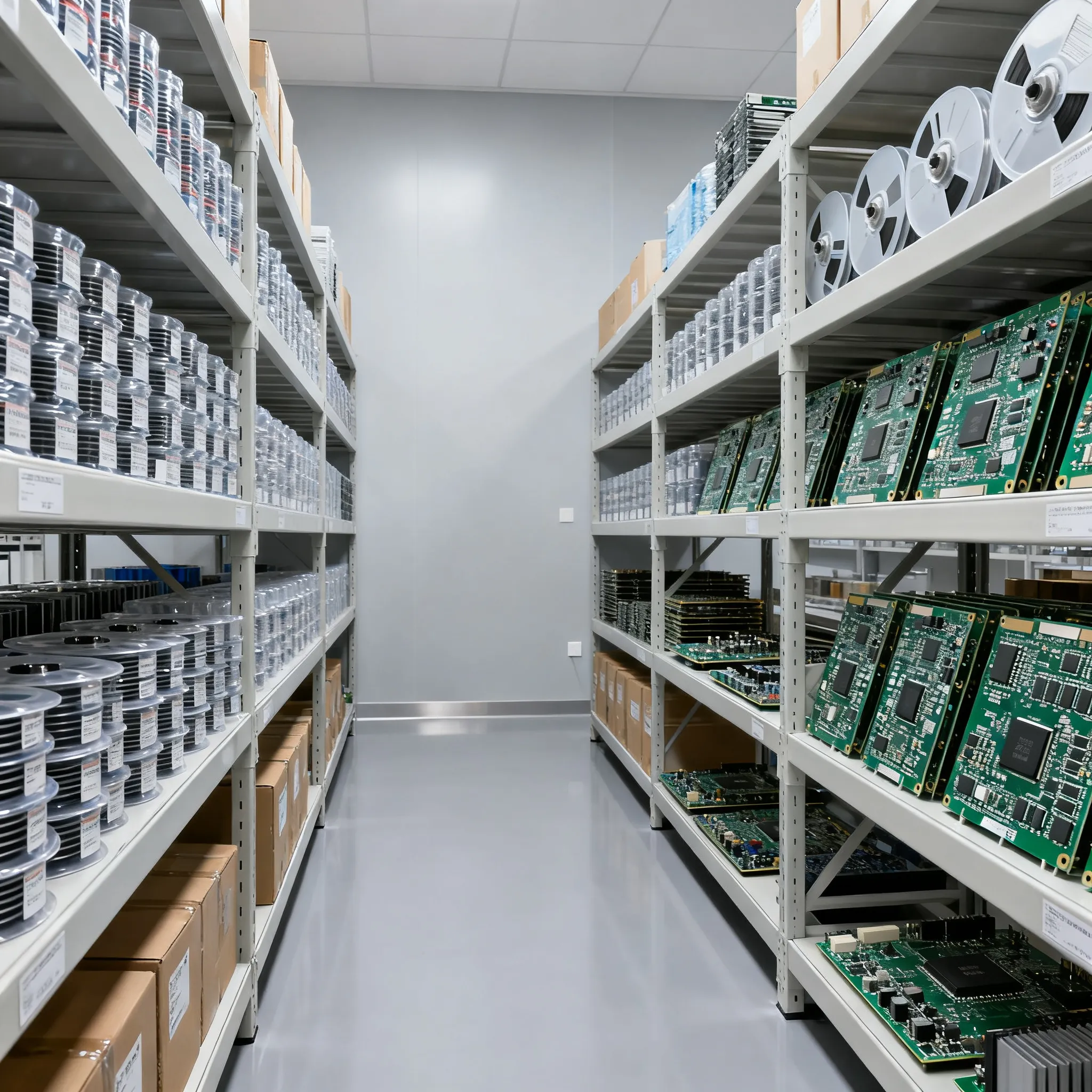
Arduino-compatible RF modules have never been a static commodity, but the last 18 months have rewritten the rulebook for procurement teams. The same forces that squeezed microcontroller and analog IC availability—extended semiconductor fab allocation, substrate shortages, and logistics bottlenecks—are now reshaping how engineers source nRF24, LoRa, Wi‑Fi, and sub‑GHz modules. As EE Times has documented, the industry-wide chip shortage has forced OEMs and prototyping houses to compete for wafer starts that were once taken for granted, pushing lead times for popular RF transceivers out to 26 weeks or more.
On the demand side, the explosion of IoT prototyping—driven by smart agriculture, Industry 4.0 sensor networks, and edge AI—has multiplied the number of Arduino‑based RF designs entering production. What used to be a 1,000‑unit pilot run is now a 50,000‑unit annual requirement, and the procurement approach that worked for a lab bench no longer scales. You’re now balancing allocation risk, counterfeit infiltration, and the hidden costs of pre‑certified modules against the pressure to keep your BOM lean.
Below, we break down the key drivers that are inflating RF module costs and reshaping sourcing strategies.
| Driver | Mechanism | Procurement Impact |
|---|---|---|
| Fab capacity allocation | Mature-node (40–180 nm) foundries prioritize high‑volume automotive and industrial contracts over small‑batch RF transceivers. | Lead times for nRF24L01+ and CC1101 bare die stretch beyond 20 weeks; module assemblers pass on expedite fees. |
| IoT prototyping surge | Arduino and ESP32 ecosystems lower the barrier to connected product development, creating millions of new RF module BOM lines annually. | Spot shortages on popular modules (ESP32‑WROOM, nRF24L01+ PA/LNA) force buyers to pay premiums on the open market or accept non‑cancellable orders. |
| Counterfeit and gray‑market risk | Scarcity of genuine Nordic, Semtech, and TI chips invites remarked, underperforming silicon into the supply chain. | Incoming inspection costs rise; field failures from counterfeit modules erode margin and brand trust. |
| Pre‑certification demand | Startups and mid‑size OEMs increasingly opt for FCC/CE‑certified modules to avoid $15k–$30k intentional radiator testing. | Pre‑certified modules command a 20–40% unit premium, but that premium is offset by eliminated lab fees and faster time‑to‑market. |
| Raw material and substrate costs | Copper, laminate, and specialty ceramics used in RF substrates and antennas have seen double‑digit price increases. | Module PCB and antenna costs creep up, particularly for designs requiring impedance‑controlled substrates or ceramic chip antennas. |
These pressures aren’t temporary blips. Even as foundry capacity expands, the structural shift toward connected devices means RF module procurement will remain a strategic discipline, not a clerical task. The next section decodes the specifications that directly determine what you pay—and where you can trim without compromising performance.
Decoding RF Module Specs That Drive Your BOM Cost
Every line item on an RF module datasheet has a cost signature. Understanding how frequency band, output power, sensitivity, protocol stack, antenna integration, and certification status interact with your BOM is the first step to intelligent sourcing. Here’s what matters most.
Frequency band. Sub‑1 GHz modules (315/433/868/915 MHz) typically use simpler PCB trace antennas and lower‑cost front‑end components, but they demand larger antenna keep‑out areas and may require external matching networks if the layout isn’t ideal. 2.4 GHz modules (nRF24, Wi‑Fi, BLE) benefit from compact chip antennas and mature, high‑volume manufacturing, but they suffer from crowded spectrum and shorter range for a given power level. The band you choose dictates the entire RF bill of materials: a 433 MHz module might cost 15–25% less than a comparable 2.4 GHz module, but you’ll spend more on board area and possibly an external antenna.
Output power and PA/LNA variants. A basic nRF24L01+ module without a power amplifier (0 dBm output) costs around $1–2 in volume, while the PA/LNA version (+20 dBm) can run $3–5. That 2–3× multiplier buys you 10× the range in open air, but it also increases current consumption and may require a dedicated LDO. If your product only needs 30 meters indoors, paying for a PA is a waste. Conversely, under‑specifying output power leads to costly redesigns when field tests reveal dead zones.
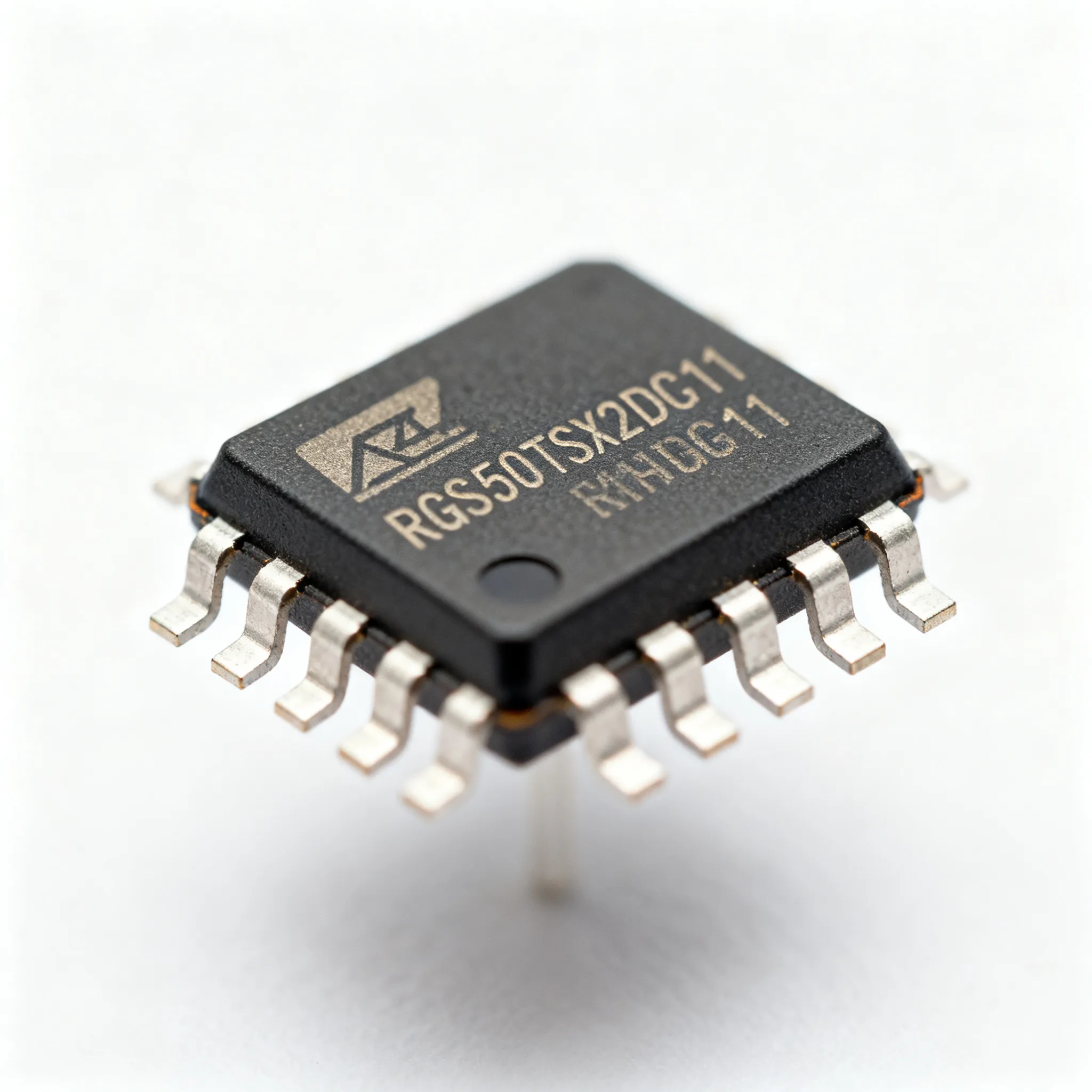
Receiver sensitivity. A module rated at –96 dBm versus –104 dBm might look similar on paper, but that 8 dB difference can halve or double your effective range. Modules using genuine Nordic or Semtech silicon consistently hit datasheet sensitivity numbers; gray‑market clones often fall 4–6 dB short, which translates to intermittent connectivity and elevated support costs. Sensitivity isn’t just a performance metric—it’s a procurement quality gate.
Protocol and stack maturity. nRF24L01+ modules rely on a proprietary 2.4 GHz protocol with a vast Arduino library ecosystem, keeping integration costs low. LoRa modules (SX127x) offer kilometer‑range at sub‑1 GHz but require a more complex MAC layer and regional parameter configuration. Wi‑Fi modules (ESP8266/ESP32) bundle a full TCP/IP stack and microcontroller, which can eliminate a separate host MCU from your BOM—a powerful consolidation play. The protocol choice ripples through firmware development time, certification scope, and long‑term supply stability.
Antenna integration. Modules with a built‑in chip or PCB antenna eliminate the need for an external antenna, connector, and matching network, trimming the BOM by $0.50–$1.50 per unit. However, a u.FL connector gives you the flexibility to swap antennas for range optimization or to use a single qualified antenna across multiple products. The cost‑optimal choice depends on whether your supply chain already stocks qualified external antennas and whether your enclosure can accommodate an internal antenna without detuning.
Pre‑certification status. A module that ships with FCC, CE, and IC modular approvals can save $20,000–$40,000 in intentional radiator testing and 8–12 weeks of lab time. The unit premium—often $1–$3 over a non‑certified equivalent—is almost always justified for volumes under 50,000 units. Above that threshold, a discrete design with in‑house certification may yield a lower total cost, provided your team can manage the RF engineering and compliance process.
These parameters don’t exist in isolation. A LoRa module with a u.FL connector and +20 dBm output might cost $12, while a basic nRF24 PCB‑antenna module costs $1.50. The art of BOM optimization lies in matching the spec to the actual use case, not the datasheet headline.
Comparing RF Module Options: nRF24, LoRa, Wi‑Fi, and Beyond
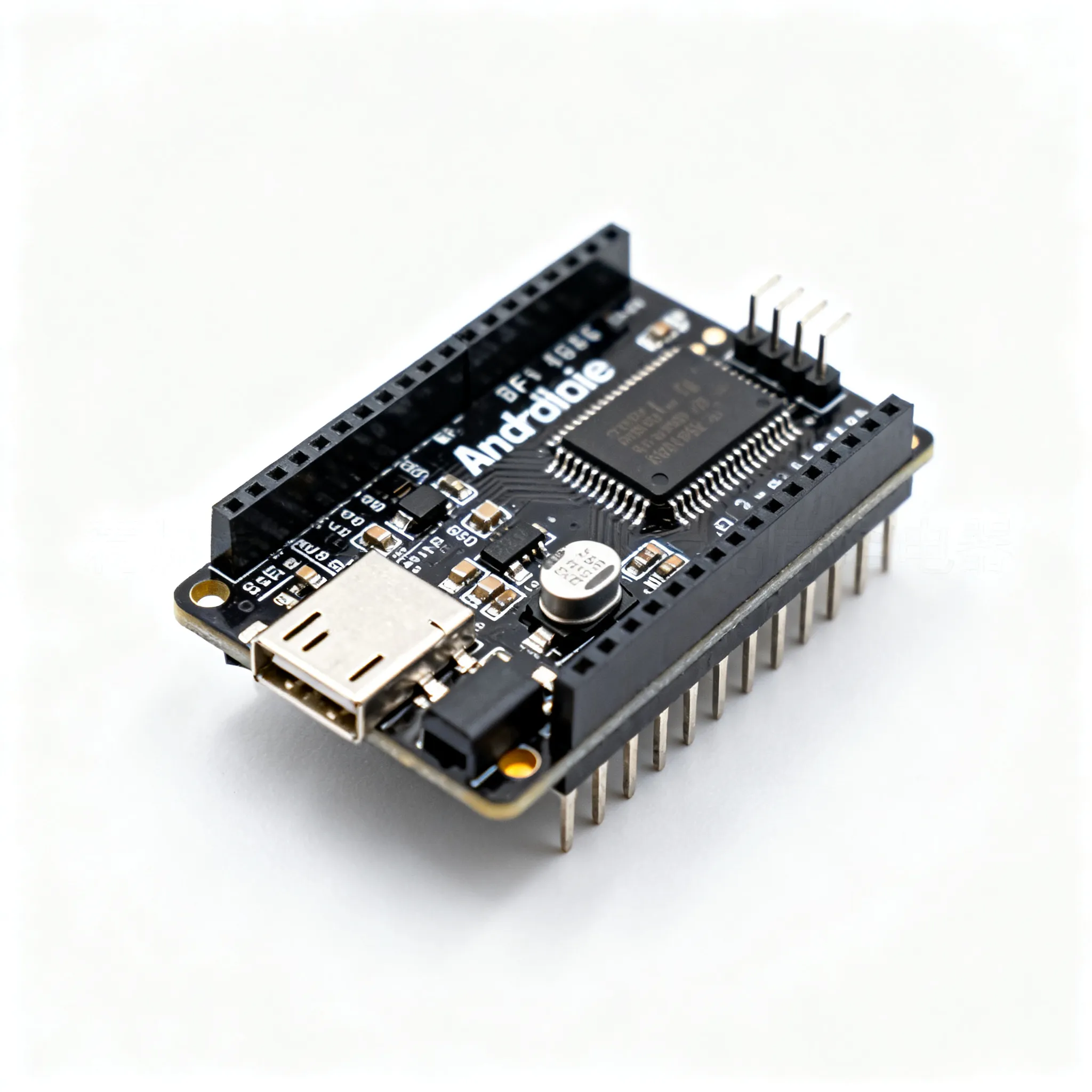
The Arduino ecosystem supports dozens of RF modules, but four families dominate procurement volumes. The table below compares them across cost, performance, and sourcing characteristics, highlighting the trade‑offs that affect your total cost of ownership.
| Module Option | Effect on BOM & Performance | Sourcing & Risk Notes |
|---|---|---|
| nRF24L01+ (basic, 0 dBm) | Lowest unit cost ($1–2); short range (30–50 m indoors); simple Arduino library; no MCU, so requires external host. | Widely available from multiple assemblers, but counterfeit silicon is rampant. Insist on genuine Nordic markings and sample‑test RF output. |
| nRF24L01+ PA/LNA (+20 dBm) | 3–5× unit cost vs. basic; 10× range improvement; higher current draw demands robust power supply. | Fewer sources; often single‑sourced by module house. Buffer stock critical. Pin‑compatible Si24R1 clones exist but may degrade sensitivity. |
| ESP8266 / ESP32 (Wi‑Fi + MCU) | Integrates 32‑bit MCU and Wi‑Fi stack; can eliminate host MCU, saving $1–3 BOM cost. Higher unit price ($2–6) but total system cost often lower. | Espressif is primary chip supplier; module variants from Ai‑Thinker, Wemos, and others. Lead times volatile; consider non‑cancellable orders to secure allocation. |
| LoRa SX127x (sub‑1 GHz) | Highest range (2–15 km line‑of‑sight); excellent sensitivity (–137 dBm at low data rates); requires external MCU and careful antenna matching. | Semtech is sole chip source; modules from HopeRF, NiceRF, and others. Higher unit cost ($5–15) but ideal for long‑range sensor networks. Pre‑certified modules reduce compliance burden. |
| CC1101 (sub‑1 GHz, proprietary) | Low‑cost sub‑1 GHz option ($2–4); good range and low power; mature TI stack but less Arduino community support than nRF24. | TI chip supply historically stable; multiple module manufacturers. Suitable for industrial remote controls and simple telemetry where LoRa is overkill. |
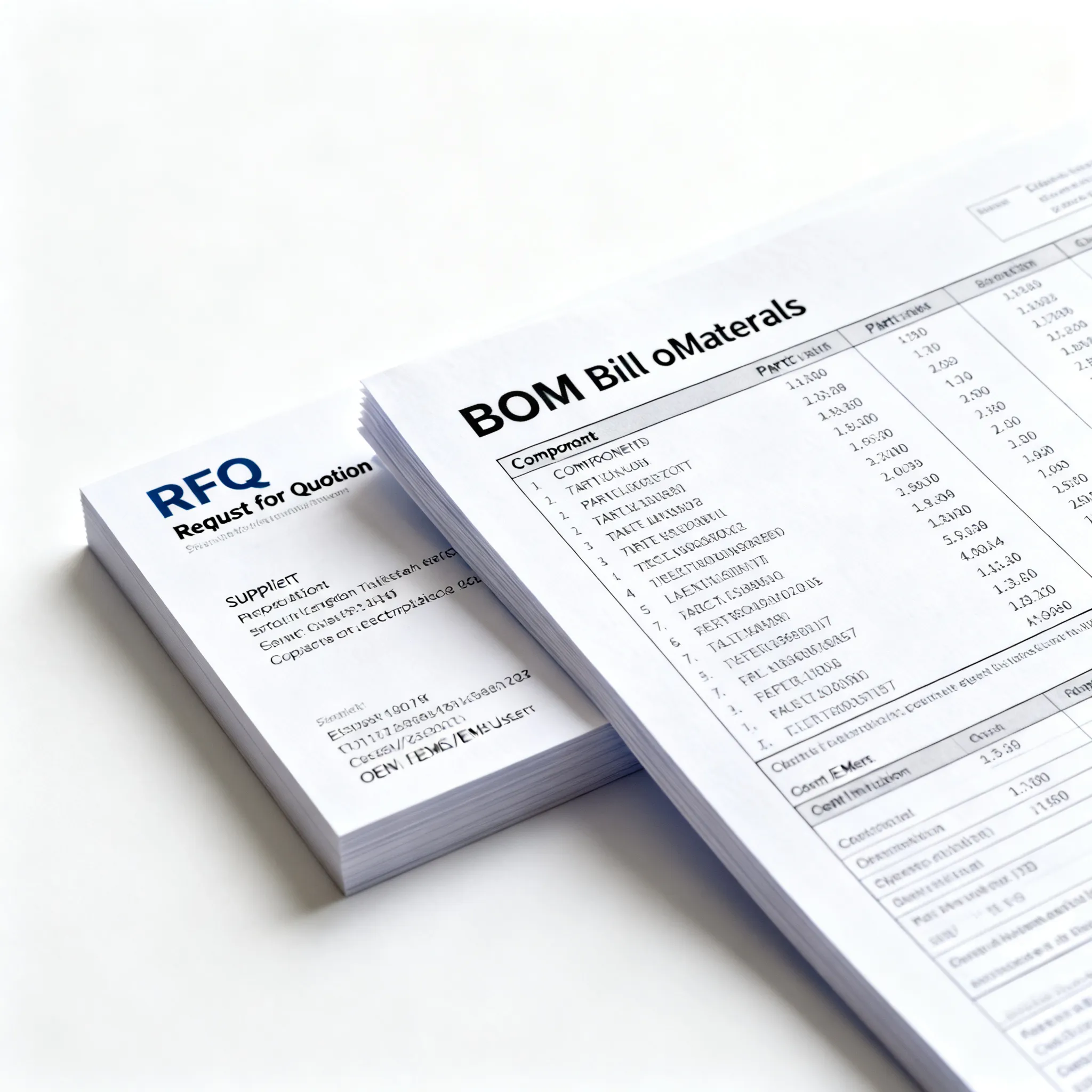
When comparing these options, don’t stop at the module price. A $1.50 nRF24 module that requires an external MCU, antenna matching, and compliance testing may end up costing more than a $4 ESP32 module that integrates everything and ships with modular certification. The sourcing channel also matters: authorized distributors like Digi‑Key and Mouser offer traceability and warranty, while direct‑from‑manufacturer purchases on platforms like Alibaba can slash unit cost by 30–50% but demand rigorous incoming inspection. Gray‑market modules often carry remarked chips that fail sensitivity tests, turning a procurement “win” into a field‑failure disaster.
Practical Sourcing Plays to Cut RF Module Spend Without Sacrificing Quality
Cost reduction in RF module procurement isn’t about squeezing the last penny out of a supplier—it’s about aligning your sourcing strategy with the real technical requirements and supply‑chain realities. The following actions have been proven to lower total acquisition cost while maintaining or improving quality.
| Action | When to Use | Trade‑off |
|---|---|---|
| Qualify an alternate source with sample testing | When your primary module supplier hits allocation or raises prices beyond target. | Requires engineering time to validate RF performance and firmware compatibility; may uncover counterfeit issues early. |
| Consolidate BOM lines with pre‑certified modules | When you have multiple SKUs using discrete RF designs or non‑certified modules. | Higher unit cost but eliminates redundant compliance testing and reduces design spins; may constrain PCB layout. |
| Negotiate volume pricing through distributor partnerships | When annual volumes exceed 10k units and you can commit to 12‑month forecasts. | Locks in pricing and allocation but reduces flexibility; non‑cancellable orders require accurate demand planning. |
| Implement IPC‑A‑610 incoming inspection | For every batch from a new or non‑authorized source, and periodically for established suppliers. | Adds 1–2 days to receiving and requires trained inspectors, but catches counterfeit modules and assembly defects before production. |
| Adopt pin‑compatible backup modules | When a single‑source RF chip (e.g., nRF24L01+) is critical to your design. | Si24R1 or other clones may have slightly different RF characteristics; validate thoroughly and maintain buffer stock of the primary module. |
Qualify alternates early. Don’t wait for a shortage to discover that the Si24R1‑based module you bought on a spot market can’t hold a link beyond 20 meters. Build a second‑source qualification into your NPI process. Order samples from at least two module assemblers, run them through a standardized range and throughput test, and compare PCB workmanship against IPC‑A‑610 Class 2 or 3 criteria. Look for tombstoned components, insufficient solder fillets, and inconsistent PCB laminate—all red flags that signal future reliability problems.
Leverage pre‑certified modules strategically. If your product family spans multiple RF bands, consider standardizing on a single pre‑certified module that covers the most demanding use case. The unit premium is often recovered after the first avoided FCC test cycle. For volumes above 50k, run the math: a discrete design with in‑house certification may break even, but only if your team has RF layout expertise and access to a pre‑compliance lab. Many mid‑size companies underestimate the cost of failed EMC tests and design respins, making the pre‑certified route the safer bet.
Incoming inspection isn’t optional. When modules arrive from a new source—especially one that isn’t an authorized franchised distributor—subject them to a visual inspection per IPC‑A‑610 and a quick functional test. Measure output power with a spectrum analyzer (even a low‑cost USB model) and compare against the datasheet. A module that delivers –10 dBm instead of 0 dBm is almost certainly carrying a counterfeit or damaged chip. Reject the lot before it reaches your SMT line. The modest investment in inspection equipment and training pays for itself the first time you avoid a field recall.
Buffer stock and allocation management. For single‑source RF chips like the Semtech SX1276 or Nordic nRF52840, work with your distributor to secure non‑cancellable, non‑returnable (NCNR) orders that guarantee allocation. Maintain a rolling buffer of 4–8 weeks of module inventory based on lead‑time forecasts. When lead times stretch, that buffer is your insurance against line‑down situations.
RF Module Procurement FAQs for Engineering and Supply Chain Leads
Q: How can I verify if a low‑cost nRF24L01+ module is genuine?
A: Start with a visual inspection under magnification. Genuine Nordic Semiconductor chips have consistent laser markings, a specific font, and a known date‑code format. The module PCB should exhibit clean solder joints with proper fillets as defined in IPC‑A‑610 Class 2. Next, measure RF output power and receiver sensitivity. A genuine nRF24L01+ at 0 dBm setting should deliver approximately 0 dBm ±2 dB into a 50‑ohm load; a counterfeit often outputs –5 dBm or less. Sensitivity can be checked with a packet error rate test at known signal levels. Large deviations from the datasheet—especially sensitivity worse than –82 dBm at 2 Mbps—strongly indicate remarked or defective silicon.
Q: What are the hidden costs when switching from a discrete RF design to a pre‑certified module?
A: The obvious cost is the higher unit price of the module—typically $1–$3 more than the bare chip plus passives. Hidden costs include the potential need to redesign your PCB layout to accommodate the module’s footprint and keep‑out zones, which can add board area and layers. You may also face higher minimum order quantities (MOQs) from module vendors, tying up cash in inventory. Firmware re‑validation is another hidden line item: the module’s RF stack and antenna characteristics differ from your discrete design, so you’ll need to re‑characterize range, throughput, and coexistence. However, these costs are usually dwarfed by the $20k–$40k you save on intentional radiator testing and the 8–12 weeks of schedule you recover.
Q: Should I buy modules with built‑in antennas or u.FL connectors for cost optimization?
A: Built‑in chip or PCB antennas reduce BOM cost by eliminating the connector, external antenna, and associated assembly step—saving $0.50–$1.50 per unit. They also simplify industrial design and make the product more robust. However, if your product family spans multiple enclosures or deployment scenarios, a u.FL connector lets you qualify a single module SKU and swap antennas for range or form‑factor optimization. This can reduce per‑unit cost if you already purchase external antennas in volume for other products. The decision should be based on total system cost, not just module price. For a single‑SKU product with a known enclosure, built‑in antenna is almost always cheaper. For a platform approach, u.FL provides flexibility that can lower overall procurement complexity.
Q: How do I manage BOM risk when a single‑source RF chip goes on allocation?
A: First, identify pin‑compatible alternatives early in the design phase. For the nRF24L01+, the Si24R1 is a common clone that can serve as a second source, but it requires validation of RF performance and register compatibility. For LoRa, there is no pin‑compatible alternative to Semtech’s SX127x series, so your mitigation must be at the module level: qualify a second module supplier that uses the same chip but has different wafer allocation. Maintain buffer stock equivalent to 4–8 weeks of demand, and negotiate non‑cancellable orders with your primary supplier to lock in allocation. If the chip is truly single‑source and allocation is severe, consider redesigning to a different protocol (e.g., moving from nRF24 to ESP32‑based Wi‑Fi) as a long‑term hedge.
Q: What IPC workmanship class should I require for assembled modules in industrial Arduino applications?
A: For commercial and light industrial environments, IPC‑A‑610 Class 2 is the typical acceptance standard. However, if your module will experience vibration, thermal cycling from –40°C to +85°C, or an expected service life beyond 5 years, specify Class 3 criteria. Class 3 demands more stringent solder joint requirements—such as minimum barrel fill for through‑hole vias and tighter fillet dimensions—which reduce the risk of intermittent connections under stress. The procurement premium for Class 3 modules is modest (often 5–10% higher unit cost) but the reduction in field failures and warranty claims can deliver a net savings. Work with your module supplier to define the acceptance criteria in the purchase specification and include periodic audits to ensure compliance.
References & Further Reading
- EE Times — Electronics Engineering News and Analysis
- IPC Standards — IPC‑A‑610 Acceptability of Electronic Assemblies
- Nordic Semiconductor nRF24 Series
- Espressif Wi‑Fi and Bluetooth Modules
- Semtech SX1276 LoRa Transceiver
- Texas Instruments CC1101 Sub‑1 GHz RF Transceiver
- Digi‑Key RF Transceiver Modules and Modems
- Mouser Wireless & RF Modules
For mixed BOM procurement and flexible MOQ support across these RF module families, visit IC-Online, a platform that connects engineering buyers with verified suppliers and helps you navigate allocation without sacrificing traceability.