Actuators in Electronics What They Are and How They Work
Whats an actuator? It's a device in electronics that converts energy into motion, enabling precise control and automation in electronic products.
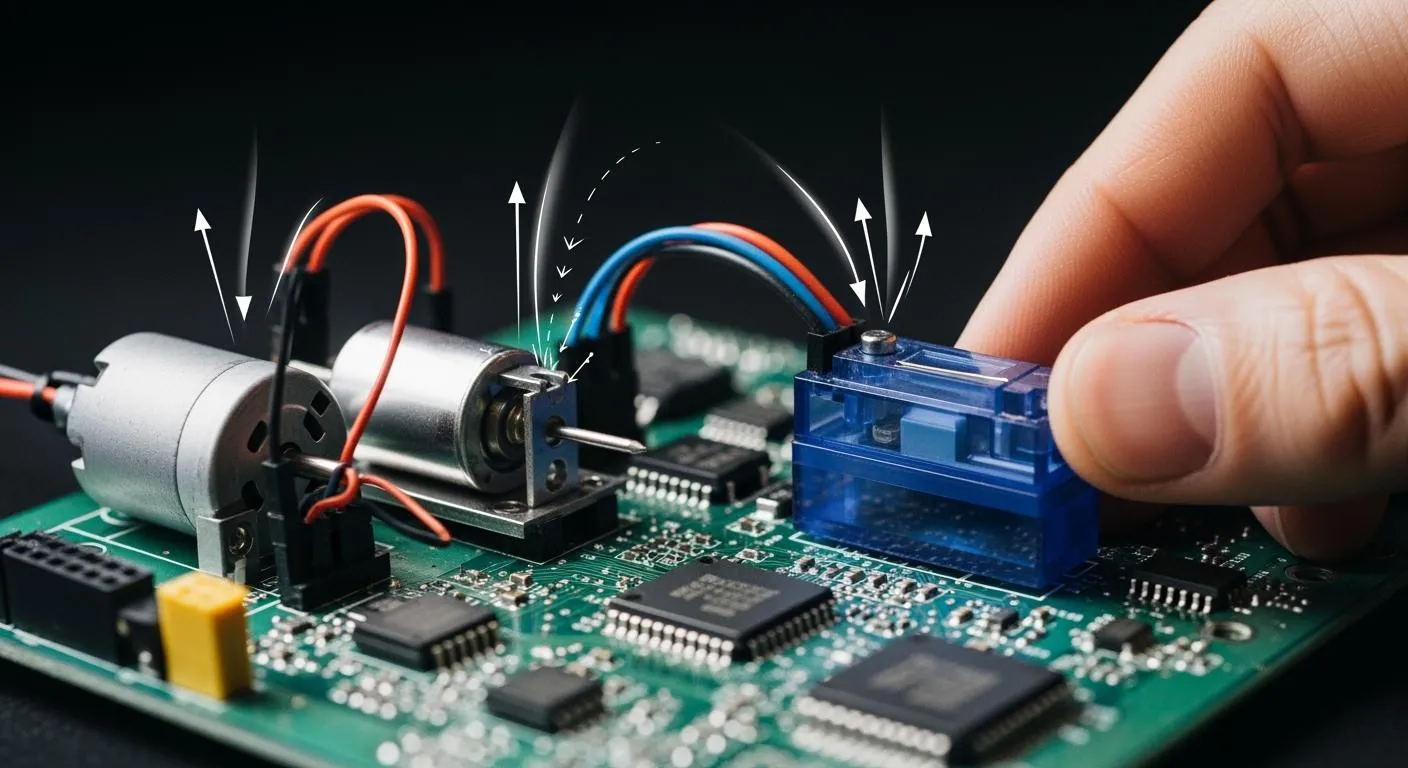
When you ask, "whats an actuator" in electronics, you get a device that turns electrical, hydraulic, or pneumatic energy into motion. You use an actuator to move or control a mechanism. If you wonder, "whats an actuator" for precision, consider electric actuators. They deliver unmatched accuracy and repeatability, often better than 0.1mm. You find that an actuator can stop at any point, making fine adjustments possible. With programmable controls and feedback, you achieve exact movements. When you ask, "whats an actuator" for reliability, you see that modern automation depends on them for consistent performance.
- whats an actuator creates motion from energy.
- whats an actuator ensures precise, repeatable tasks.
- whats an actuator allows for fine control and reliability.
Key Takeaways
- Actuators convert energy into motion, enabling automation in various electronic systems.
- Electric actuators provide high precision and repeatability, making them ideal for tasks requiring accuracy.
- Choosing the right actuator depends on application needs, including motion type, force, and control requirements.
- Understanding actuator types—electric, hydraulic, pneumatic, and piezoelectric—helps in selecting the best fit for specific tasks.
- Always consider environmental factors and integration with control systems to ensure optimal actuator performance.
What Is an Actuator
Definition in Electronics
When you explore what is an actuator in electronics, you discover a device that transforms energy into mechanical motion. The Institute of Electrical and Electronics Engineers (IEEE) defines an actuator as the controlled process by which an energy source is converted into mechanical motion to perform physical work within a system. You use actuators to translate control signals into real movement, which is essential for automation and robotics.
You find actuators in many electronic systems. They play a key role in devices that need to move, adjust, or position parts with accuracy. For example, you see actuators in robotic arms, camera lenses, and automated valves. These devices respond to electrical signals and create precise movements. You rely on actuators to make machines interactive and responsive.
Actuators in electronics differ from those in purely mechanical systems in several ways:
- Electric actuators provide smoother modulation and richer data delivery than pneumatic systems.
- Electronic actuators convert electrical energy into mechanical motion, while mechanical actuators often use physical mechanisms like lead screws or ball screws.
- Electric actuators use motors powered by electricity, making them ideal where air supply is not practical.
- Pneumatic actuators operate with compressed air and require solenoid valves, which can add complexity.
- Mechanical actuators may include features like wrap spring brakes to hold loads without power, a feature not common in electronic actuators.
- The main difference between electric and pneumatic actuators is their power source: electricity versus compressed air.
You choose the right actuator based on the needs of your system and the type of energy available.
Core Function and Energy Conversion
The core function of an actuator is to convert energy into motion. You see this process in many forms, depending on the actuator type. In electronic systems, actuators often use electrical energy, but you also find hydraulic, pneumatic, magnetic, and thermal actuators. Each type uses a different energy source and method to create movement.
Here is a table that shows the main types of actuators and how they convert energy:
| Actuator Type | Energy Source | Description |
|---|---|---|
| Hydraulic Actuators | Fluid Pressure | Use fluid pressure to generate motion, typically with cylinders or pistons. |
| Pneumatic Actuators | Compressed Air | Utilize compressed air to produce motion, often with cylinders or rotary actuators. |
| Electric Actuators | Electrical Energy | Operate using electrical energy, compatible with AC or DC power supplies. |
| Magnetic Actuators | Magnetic Fields | Generate force through magnetic fields. |
| Thermal Actuators | Temperature Changes | Use material expansion or contraction in response to temperature variations. |
You measure the efficiency of energy conversion to understand how well an actuator performs. Electric actuators usually have an efficiency rate between 50% and 65%. Hydraulic actuators range from 30% to 40%. Pneumatic actuators have lower efficiency, which is not always specified. You select the actuator type that matches your application's needs for speed, force, and control.
Tip: When you design electronic systems, always consider the energy source and efficiency of the actuator. This choice affects the performance, reliability, and cost of your final product.
You see that actuators are essential for turning control signals into real-world actions. They allow you to automate processes, improve precision, and create smarter electronic devices.
How Actuators Work
Electrical Signal to Motion
You often wonder how an actuator transforms an electrical signal into real motion. The process starts when the control system sends an electrical signal to the actuator’s control electronics. These electronics process the signal and deliver power to the electric motor. When the motor receives current, it begins to rotate. This rotational motion travels through a transmission system, such as a screw, nut, or belt. The transmission system converts the rotation into linear motion, which moves a part or mechanism.
Here are the typical steps you see in this process:
- The control system sends an electrical signal to the actuator.
- The actuator’s electronics process the signal and power the motor.
- The motor converts electrical energy into rotational motion.
- The gear mechanism adjusts speed and torque for the application.
- The lead screw or ball screw changes rotational motion into linear displacement.
- Position sensors provide feedback for precise control.
- Limit switches stop motion at set points to prevent damage.
You rely on these steps to achieve accurate and repeatable motion in electronic devices. When you ask, "how does it work," you see that each actuator uses these steps to turn electrical signals into controlled movement.
Key Mechanisms
You find that actuators use different mechanisms to produce motion. Linear actuators create straight-line motion, often using belts, pulleys, or rack and pinion systems. Rotary actuators generate circular motion, which is essential for devices that need rotation. Hydraulic actuators use cylinders and pistons to move heavy loads. Pneumatic actuators employ compressed air in cylinders for quick motion. Electric actuators rely on AC or DC motors to generate motion in many applications. Magnetic actuators use magnetic fields, while thermal actuators depend on material expansion or contraction from temperature changes.
Here is a table that shows common actuator types and their mechanisms:
| Type of Actuator | Mechanism Used | Description |
|---|---|---|
| Linear Actuators | Belt, Pulley, Rack and Pinion | Produce linear motion for automation and handling tasks. |
| Rotary Actuators | Shafts | Create rotary motion for machinery with rotating parts. |
| Hydraulic Actuators | Cylinders, Pistons | Use fluid pressure for heavy-duty motion. |
| Pneumatic Actuators | Cylinders | Employ compressed air for fast motion. |
| Electric Actuators | AC or DC Motors | Use electrical energy for versatile motion. |
| Magnetic Actuators | Magnetic Fields | Generate force for motion in specialized devices. |
| Thermal Actuators | Temperature Changes | Rely on expansion or contraction for motion. |
You select the actuator mechanism based on the type of motion you need. Linear actuators suit tasks that require straight movement, while rotary actuators fit applications needing rotation. You see that each mechanism offers unique advantages for electronic systems.
Tip: Always match the actuator mechanism to your application’s motion requirements for best performance.
Different Types of Actuators

You encounter many different types of actuators in electronic systems. Each actuator type has unique characteristics and serves specific roles. You can classify actuators by their energy source, motion type, or application. The main classification of actuators includes electric actuators, hydraulic actuators, pneumatic actuators, and piezoelectric actuators. You also find mechanical and electromechanical actuators in some systems.
Classification of Actuators by Motion
You can divide actuators into two main categories based on the type of motion they produce:
| Type of Motion | Description | Applications |
|---|---|---|
| Linear | Converts energy into linear motion, allowing push and pull movements. | Used in automation, robotics, and material handling. |
| Rotary | Converts energy into rotary motion through a shaft. | Ideal for machinery with rotating parts, such as valves and cranes. |
Linear actuators move objects in a straight line. Rotary actuators create circular movement. You select the type based on your system’s needs.
Electric Actuators
Electric actuators use electrical energy to create motion. You find them in both linear and rotary designs. They use electric motors to convert electrical signals into mechanical movement. You can control electric actuators with high precision, which makes them ideal for automation, robotics, and manufacturing.
Key characteristics of electric actuators:
- Precise control and positioning
- Easy integration with electronic systems
- Low maintenance and high reliability
- Clean operation, no oil or air required
You often see electric actuators in TV lifts, standing desks, motorized window shutters, and automated kitchen appliances. In industrial settings, you use them for robotic arms, conveyor systems, and process automation. Electric actuators can stop at any point, allowing for fine adjustments and repeatable tasks. Sensors inside electric actuators provide real-time feedback, which helps you monitor and optimize processes.
Advantages and Disadvantages of Electric Actuators:
| Advantages | Disadvantages |
|---|---|
| Easy integration | Higher initial equipment cost |
| Exceptional precision | Non-explosion proof |
| Safety and convenience | Sensitive to vibrations |
| Cost efficiency | Higher thrust leads to less speed |
| Higher speed leads to less thrust | |
| More complex technology |
You choose electric actuators when you need accuracy, safety, and easy maintenance. They work well in cleanrooms and food processing because they do not use oil or air.
Hydraulic Actuators
Hydraulic actuators use pressurized fluid to generate motion. You find them in both linear and rotary forms. These actuators use cylinders or pistons to move heavy loads. You rely on hydraulic actuators for applications that require significant power, such as construction machinery, marine propulsion, and transportation systems.
Key characteristics of hydraulic actuators:
- High force output for heavy-duty tasks
- Reliable operation in demanding environments
- Suitable for large-scale industrial equipment
You see hydraulic actuators in excavators, bulldozers, forklifts, and aircraft landing gear. They handle tasks that need strong, steady force. However, hydraulic actuators have some limitations in precision electronic devices. You may notice low-speed operation challenges, stick-slip effects, and internal leakage. These issues can affect accuracy and stability.
| Functionality | Applications |
|---|---|
| Operate with compressed fluid to control movement | Heavy-duty work in construction machinery, marine propulsion, cargo handling, military weapons, and transportation systems |
| Ideal for applications requiring significant power | Common in exercise equipment and various industrial applications |
You select hydraulic actuators when you need to move large loads or operate in harsh conditions.
Pneumatic Actuators
Pneumatic actuators use compressed air to create motion. You find them in both linear and rotary designs. These actuators are popular for their speed, durability, and simple construction. You use pneumatic actuators in packaging, assembly lines, and systems that need quick response.
Key characteristics of pneumatic actuators:
| Feature | Description |
|---|---|
| Speed | Quick cycle times boost productivity, especially in packaging and assembly applications. |
| Durability | Robust construction allows operation in harsh or extreme conditions, ensuring long service life. |
| Force Output | Adjustable force through air pressure makes these actuators suitable for moderate loads. |
| Compact Design | Space-saving and lightweight, which helps with easy integration and portability. |
| Energy Efficiency | Reliable operation without overheating, even during long production runs. |
| Easy Maintenance | Modular parts allow for fast repairs and minimal downtime. |
You choose pneumatic actuators for tasks that require fast movement and moderate force. They work well in environments where electricity is not safe or practical. Pneumatic actuators respond quickly because compressed air moves fast. However, they do not offer the same precision as electric actuators. You may notice some hysteresis, which can affect accuracy.
Note: Pneumatic actuators excel in speed but may not match the control accuracy of electric actuators.
Piezoelectric Actuators
Piezoelectric actuators use special materials that change shape when exposed to an electric field. This effect is called the inverse piezoelectric effect. You use piezoelectric actuators for applications that need extremely precise and rapid linear motion. When you apply voltage, the material expands or contracts by tiny amounts. This allows for fine positioning in electronic devices.
Key characteristics of piezoelectric actuators:
- Extremely fast response time
- High force relative to size
- Reliable operation in harsh environments
- Excellent for high-precision tasks
You find piezoelectric actuators in scanning probe microscopy, nanomanufacturing, precision optics, and semiconductor inspection equipment. These actuators help you achieve nanometer-level accuracy, which is essential for advanced electronics and scientific instruments.
Mechanical and Electromechanical Actuators
Mechanical actuators use external forces, such as levers or gears, to create motion. Electromechanical actuators combine electric motors with mechanical components. You use these actuators in simple, rugged applications or when you need to convert electric energy into linear or rotary motion with added mechanical advantage.
You see mechanical and electromechanical actuators in basic automation, safety devices, and backup systems. They provide reliable movement where electronic control is not always necessary.
Tip: Always match the actuator type and motion (linear or rotary) to your application’s requirements for best results.
By understanding the different types of actuators and their classification, you can select the right solution for your electronic system. Each actuator type offers unique characteristics that suit specific tasks, from heavy lifting to nanometer precision.
Actuator Application in Electronics

You see actuators everywhere in modern electronics. They play a key role in automation and help you achieve precise control in many applications. When you look at robotics and camera systems, you notice that actuators enable complex movements and tasks. In manufacturing, you use actuators for assembly lines, material handling, and pick-and-place operations. These devices also help with welding and painting robots. In medical devices, actuators allow for delicate adjustments and reliable performance. Consumer electronics, such as automated doors and adjustable furniture, rely on actuators for smooth operation.
Precision Devices (Robots, Cameras)
You use actuators in robots to perform tasks like gripping, moving, and positioning objects. In camera systems, actuators adjust lenses and focus mechanisms. These applications require high accuracy and repeatability. For example, you see actuators in robotic arms that pick and place components on circuit boards. In advanced cameras, actuators control zoom and aperture settings for clear images. You also find actuators in devices that open and close covers or extend and bend tube ends. These actions improve user experience and device functionality.
Common applications include:
- Automated door openers for accessibility
- Adjustable countertops and sinks for different users
- Cabinet and drawer mechanisms for easy access
- Solar tracking systems that boost energy efficiency by adjusting panel angles
You notice that pneumatic actuators provide fast movement in robots, while electric actuators offer precise control in cameras. Hydraulic actuators handle heavy loads in industrial robots.
High-Precision Machinery
In high-precision machinery, you rely on actuators for tasks that demand sub-millimeter accuracy. Electric actuators achieve this level of precision with advanced feedback systems like encoders and sensors. These actuators minimize backlash, which improves positioning and repeatability. You use them in electronics manufacturing for tasks such as soldering, inspection, and micro-assembly.
| Benefit | Description |
|---|---|
| Precision | Electric actuators deliver higher accuracy than traditional fluid systems. |
| Reliability | They ensure consistent performance in demanding applications. |
| Efficiency | Electric actuators reduce downtime and prevent leaks, enhancing system efficiency. |
| Flexibility | They support quick product changeovers in manufacturing. |
| Force | Some models provide up to 180 kN for various applications. |
You see integrated electric linear actuators simplify machine design by combining the actuator and servo motor. This reduces the number of parts and increases reliability. Pneumatic actuators and hydraulic actuators also play roles in high-force or rapid-motion applications.
Nova Technology Company (HK) Limited stands out as a HiSilicon-designated solutions partner. You benefit from their expertise in chip-level solutions, system integration, and advanced application scenarios in the integrated circuit industry. Their support helps you implement actuators in complex electronic systems with confidence.
Tip: When you select actuators for your application, consider the type of motion, force, and control you need. This ensures the best performance in your electronic products.
Choosing the Right Actuator
When you want to select the right actuator for your electronic system, you need to determine application requirements first. This means you should look at what kind of motion, force, and control your project needs. You may need linear motion for pushing or pulling, or rotational motion for turning parts. Each actuator has unique characteristics, so you must match these to your goals.
Selection Factors (Force, Speed, Control)
You should consider several important factors before you choose an actuator:
- Torque and force requirements: Think about how much load the actuator must move. Undersizing can cause failure under heavy loads.
- Speed of operation: Fast actuators work well for rapid tasks, while slower ones give you precise control.
- Accuracy and resolution: High positioning accuracy is important for tasks that need exact movement.
- Environmental conditions: Check if the actuator can handle temperature, humidity, dust, or vibration in your workspace.
- Power supply and efficiency: Make sure the actuator matches your available power and can work during emergencies.
- Integration with control systems: The actuator must work with your existing control protocols, such as MODBUS or Ethernet/IP.
- Cost and maintenance: Balance the initial price with long-term maintenance and reliability.
Here is a table to help you compare how force, speed, and control affect actuator selection:
| Requirement | Description |
|---|---|
| Speed | High-speed actuators suit rapid motion, while low speed helps with precise control. |
| Force | High force often means lower speed. You must balance these needs. |
| Control | Applications needing precise control require sensors and advanced controllers. |
You should also consider feedback needs. Actuators with position sensors give real-time data, which helps you avoid errors and improve performance.
Tip: Over 70% of automation failures come from poor integration. Always check if your actuator works with your control system.
Matching Actuator to Application
To determine application requirements, start by listing the tasks your actuator must perform. Ask yourself if you need high force, high speed, or both. Sometimes, using several smaller actuators is better than one large unit. Explore different actuator technologies, such as belt-driven or ball screw mechanisms, to find the best fit.
Environmental factors matter. For example, pneumatic actuators can handle temperatures from -4 to 174°F, while electric actuators work from -40 to 150°F. If your system faces dust or vibration, choose an actuator designed for those conditions. Ignoring these factors can lead to actuator degradation or failure.
Common mistakes include poor mounting, ignoring thermal limits, and choosing actuators that do not match the environment or control needs. These errors can cause overheating, misalignment, or inconsistent performance.
When you need help with actuator selection for advanced electronics, Nova Technology Company (HK) Limited can support you. As a HiSilicon-designated solutions partner, Nova Technology specializes in chip-level solutions, system integration, and application scenarios in the integrated circuit industry. Their expertise ensures you get the right actuator characteristics for your project, especially when you need precise control and reliable system performance.
Remember: Always match actuator characteristics to your application for the best results.
You have learned that an actuator converts energy into motion, making it essential for automation and control in electronics. Actuators drive systems in industries like automotive, where a single car can use over 100 actuators for safety and comfort. Understanding actuator types helps you match the right device to your needs. As technology advances, smart and electric actuators are becoming more common.
Before you choose an actuator, review your application’s requirements and compare options.
- For more insights, explore articles on linear actuators, robotics, and electric motion control.
FAQ
What is the main purpose of an actuator in electronics?
You use an actuator to turn energy into motion. This lets your electronic device move parts, open covers, or adjust positions with precision.
How do you control an actuator?
You send electrical signals from a controller. The actuator receives these signals and moves as needed. Many actuators use sensors for feedback and better accuracy.
Which actuator type should you choose for high precision?
You should choose electric or piezoelectric actuators. These types give you fine control and repeatable movements, which are important for robotics and camera systems.
Can actuators work in harsh environments?
Yes, you can use hydraulic or pneumatic actuators in tough conditions. These types handle dust, moisture, and temperature changes better than most electric actuators.
Do actuators need regular maintenance?
Most electric actuators need little maintenance. Pneumatic and hydraulic actuators may need checks for leaks or worn parts. Always follow the manufacturer’s guidelines.