Discovering the Basics of Actuators and Their Purpose
You use devices powered by actuators every day, even if you don’t realize it. An actuator is a device that turns e
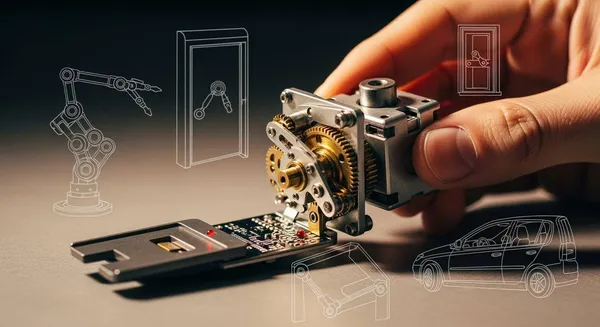
You use devices powered by actuators every day, even if you don’t realize it. An actuator is a device that turns energy into movement, so machines can do things like open doors or move robot arms. Understanding actuator meaning helps you see how these clever devices power the world around you.
Key Takeaways
- Actuators are devices that convert energy into movement, making machines perform tasks like opening doors or moving robotic arms.
- There are three main types of actuators: electric, hydraulic, and pneumatic, each suited for different applications based on their energy source and motion type.
- Actuators play a crucial role in automation, found in everyday items like automatic doors and adjustable beds, making life easier and industries more efficient.
Actuator Meaning and Function
What Is an Actuator?
You might wonder what the term actuator meaning really covers. An actuator is a device that takes energy and turns it into motion. You see this in action every time a machine moves, whether it’s a door opening or a robot arm lifting something. Actuators come in many shapes and sizes, but they all share one job: making things move.
When you look at how actuators work, you’ll notice they use different types of energy. Here are some common forms:
- Electric energy: Used in electric actuators, which rely on motors.
- Pneumatic energy: Used in pneumatic actuators, powered by compressed air.
- Hydraulic energy: Used in hydraulic actuators, which use fluid pressure.
Actuators can create two main types of motion:
- Linear motion: Moves in a straight line, like sliding a drawer or opening a gate.
- Rotary motion: Spins or turns, like twisting a knob or rotating a wheel.
You can think of actuators as the muscles of machines. They take instructions and turn them into movement, making everyday tasks easier.
How Actuators Work
Actuators play a huge role in automation. You see them everywhere, from factories to your home. When you press a button to open a garage door, an actuator springs into action. It receives an energy signal and converts it into movement, so the door opens smoothly.
Here’s how actuators help machines perform tasks:
- They turn energy into mechanical motion, allowing machines to do things like lift, push, or turn.
- They provide both straight-line and spinning movement, which is essential for many systems.
- They respond to signals—electric, pneumatic, or hydraulic—and translate them into precise actions.
You find actuators in robotics, where they move arms and wheels. In automation, they open valves, adjust sensors, and control conveyor belts. The market for actuators keeps growing, with billions of dollars invested every year. This growth shows how important actuators are for making machines smarter and more efficient.
Electric actuators stand out for their reliability and efficiency. They use power only when moving, which saves energy and reduces costs. You don’t need much maintenance, so they’re a popular choice in modern automation systems.
If you look around, you’ll spot actuators in many places. They help open windows, adjust seats, and even move camera lenses. You rely on them more than you think, and they make life easier by handling tasks you’d rather not do yourself.
Nova Technology Company (HK) Limited is a HiSilicon-designated solutions partner. The company specializes in chip-level solutions and system integration, serving the integrated circuit industry with advanced expertise. You’ll find their work in applications ranging from smart devices to industrial automation, where precise actuator control is key.
Types of Actuators
Main Types Explained
You see actuators everywhere, but not all of them work the same way. Let’s break down the main types you’ll encounter:
| Category | Description |
|---|---|
| Electric Actuators | Use electric motors to generate motion. |
| Hydraulic Actuators | Rely on pressurized hydraulic fluids to create force. |
| Pneumatic Actuators | Utilize compressed air or gas to produce movement. |
Electric actuators convert electrical energy into motion. You get precise control and versatility, which makes them perfect for tasks that need accuracy. Hydraulic actuators use fluid pressure to deliver powerful force, so you often find them in heavy-duty applications. Pneumatic actuators rely on compressed air, giving you quick response times and simple operation. Each actuator type fits different applications based on speed, force, and control.
Tip: Electric actuators are low maintenance and environmentally friendly. Pneumatic actuators are cost-effective and fast. Hydraulic actuators handle tough jobs but need more upkeep.
Everyday Uses
You probably interact with actuators more than you realize. Here are some common applications:
- Automatic doors at stores use electric actuators for smooth opening.
- Adjustable bed frames and kitchen appliance lifts rely on electric actuators for easy movement.
- Excavator arms and RV slide-outs use hydraulic actuators to handle heavy loads.
- Pneumatic actuators power assembly tools and conveyor belts in factories.
- Food packaging lines and sorting gates in warehouses depend on pneumatic actuators for speed and reliability.
| Industry | Applications |
|---|---|
| Industrial Manufacturing | Automation in production, conveyor systems, packaging machinery, quality control systems. |
| Process Control | Valve control in chemical plants, refineries, food processing, and pharmaceuticals. |
| Robotics | Actuation in robotic arms, mobile robots, and collaborative robots. |
| Automotive | Control of windows, locks, seats, and advanced systems like active suspension. |
| Medical Equipment | Adjustments in hospital beds, surgical tables, and specialized medical devices. |
You find actuators in everything from washing machines to robotics. They make daily life easier and keep industries running smoothly. When you look around, you’ll spot actuators powering many applications, from simple household devices to complex industrial systems.
You now know actuator meaning covers how these devices turn signals into movement, making machines work for you. Actuators help with comfort, safety, and efficiency at home and in industry. Next time you see a moving door or adjustable bed, remember the actuator making life easier.
FAQ
What does an actuator do in simple terms?
An actuator makes things move. You press a button, and it turns energy into motion, like opening a door or lifting a window.
Where do you see actuators in daily life?
You spot actuators in automatic doors, adjustable chairs, and even in your car’s windows. They help machines work for you every day.
Are actuators important for automation?
Yes! Actuators let machines perform tasks without your help. They make automation possible in factories, homes, and many other places.