Key Indicators of a Malfunctioning Camshaft Sensor
Common symptoms of bad camshaft sensor include engine stalling, rough idling, hard starting, poor acceleration, and check engine light warnings.
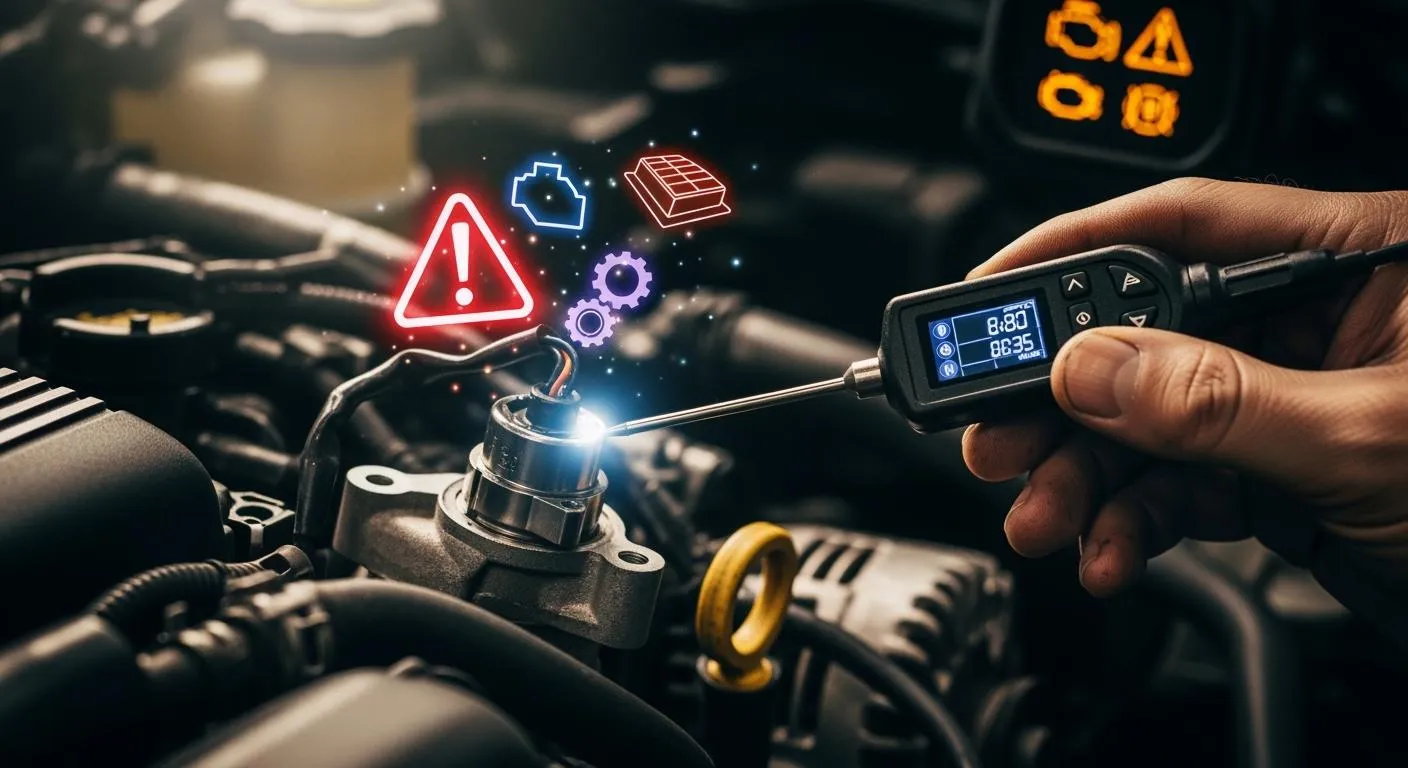
If you experience engine stalling, rough idling, hard starting, or see the check engine light come on, these are all symptoms of bad camshaft sensor issues. Other symptoms of bad camshaft sensor include poor acceleration, decreased fuel efficiency, and backfiring. Identifying these symptoms of bad camshaft sensor early can help you prevent expensive repairs down the road.
Key Takeaways
- Watch for symptoms like engine stalling, rough idling, and check engine light. These signs indicate a malfunctioning camshaft sensor.
- Address hard starting or poor acceleration immediately. Ignoring these issues can lead to costly repairs and unsafe driving conditions.
- Regular maintenance and early detection of camshaft sensor problems can save you time and money. Schedule inspections if you notice any warning signs.
Symptoms of Bad Camshaft Sensor

When your camshaft sensor starts to fail, your vehicle will show several warning signs. Recognizing these symptoms of bad camshaft sensor early can help you avoid bigger problems and keep your car running smoothly. Below, you will find the most common camshaft sensor symptoms, what they mean, and why you should not ignore them.
Check Engine Light
The check engine light is often the first sign you will notice. When the camshaft sensor sends incorrect data to your car’s computer, the system detects a problem and turns on the warning light. You might see this light even if your car seems to run fine at first. Do not ignore it. The check engine light can signal many issues, but it is one of the most common symptoms of bad camshaft sensor. If you see this light, you should have your vehicle checked as soon as possible.
Tip: Many auto parts stores offer free code scans. This can help you find out if the camshaft sensor is the cause.
Hard Starting or No Start
If your car struggles to start or will not start at all, a faulty camshaft sensor could be the reason. The sensor works with the crankshaft sensor to control fuel injection and ignition timing. When it fails, your engine may crank for a long time before starting, or it may not start at all. This is called engine failing to start. Other sensors can also cause starting problems, but a bad camshaft sensor is a frequent culprit. If you experience this, you should address it right away because it can leave you stranded.
Engine Stalling and Misfires
Engine stalling and misfires are serious symptoms of bad camshaft sensor. If your engine suddenly shuts off while driving, you face a dangerous situation. Vehicle stalling can happen at stoplights, in traffic, or even while turning. Misfires make your engine run unevenly and can damage other parts over time. Both issues mean your engine is not getting the right information to run smoothly. You should treat these symptoms as urgent and seek repairs quickly.
Rough Idling and Hesitation
A malfunctioning camshaft sensor often causes rough idling. You might feel your car shaking or vibrating when stopped. Hesitation happens when you press the gas pedal and the car does not respond right away. These camshaft sensor symptoms make driving uncomfortable and can signal that your engine is not firing correctly. If you notice rough idling or hesitation, you should not ignore it, as it can lead to more severe engine problems.
Poor Acceleration and Power Loss
If your car feels sluggish or does not accelerate like it used to, you may have a bad camshaft sensor. Many drivers report a lack of power during acceleration and a general feeling that the vehicle is unresponsive. This happens because the sensor is not sending the right signals for fuel injection and ignition timing. Poor acceleration and power loss are common symptoms of bad camshaft sensor and can make merging onto highways or passing other cars unsafe.
Running Rich or Backfiring
A failing camshaft sensor can cause your engine to run rich, which means it uses too much fuel. You might notice black smoke from the exhaust or a strong fuel smell. Sometimes, the engine may backfire, making a loud popping noise. These symptoms of bad camshaft sensor show that your engine is not burning fuel efficiently. Running rich can damage your catalytic converter and increase emissions.
Reduced Fuel Efficiency
If you find yourself filling up the gas tank more often, your camshaft sensor could be to blame. Reduced fuel efficiency is a common result of poor timing and fuel delivery. When the sensor fails, your engine burns more fuel than necessary. This not only costs you more money but also increases pollution. Watch for sudden drops in miles per gallon as a sign of camshaft sensor symptoms.
Urgent Symptoms to Watch For:
- Hard starting or no start
- Engine stalling and misfires
- Poor acceleration and power loss
These issues can affect your safety and should be fixed immediately.
By paying attention to these symptoms of bad camshaft sensor, you can catch problems early and avoid costly repairs. If you notice any of these camshaft sensor symptoms, schedule a checkup with a trusted mechanic.
Causes and Diagnosis of Bad Camshaft Position Sensor

Why Camshaft Sensors Fail
You might wonder why a camshaft sensor stops working. Several common causes can lead to a bad camshaft position sensor:
- Heat and vibration inside the engine can wear out the sensor’s parts.
- Dirt, oil leaks, or metal shavings can contaminate the sensor and block its readings.
- Wiring or connector problems can interrupt the signal between the sensor and your car’s computer.
- Mechanical damage from moving engine parts or incorrect installation can break the sensor.
The table below shows how contamination and wiring issues affect sensor performance:
| Cause | Effect on Sensor Performance |
|---|---|
| Sensor Contamination | Oil leaks or metal shavings interfere with accurate position detection. |
| Wiring Issues | Frayed wires or poor connections cause erratic engine behavior and inconsistent signals. |
How to Diagnose Camshaft Sensor Symptoms
You can start diagnosing a bad camshaft position sensor with some basic tools. Many drivers use a scan tool or a multimeter to check for problems. A scan tool lets you read error codes and see live data from the sensor. A multimeter helps you measure voltage and resistance in the sensor’s circuit.
| Diagnostic Tool | Steps to Use |
|---|---|
| Scan Tool | 1. Plug in and read codes. 2. Check live cam speed data. 3. Monitor for sync errors. |
| Multimeter | 1. Disconnect sensor. 2. Measure resistance. 3. Check for shorts. 4. Measure AC voltage while cranking. |
Note: DIY methods can help, but professional diagnostics use advanced tools for more reliable results. Mistakes in DIY testing can lead to wrong conclusions.
Testing a Bad Camshaft Sensor
You can follow these steps to test a bad camshaft position sensor at home:
- Use your car’s handbook to find the power, ground, and signal wires.
- Set your multimeter to DC volts mode.
- Ask someone to turn the ignition key to the "on" position.
- Connect the black probe to ground and the red probe to the power wire. Check the reading against the handbook.
- Have your helper crank or start the engine.
- Touch the black probe to ground and the red probe to the signal wire. Compare the reading to the handbook. A low voltage signal often means a bad camshaft position sensor.
- Remove the sensor and check for dirt, oil, or physical damage.
If you feel unsure, a professional mechanic can confirm your results and fix the problem.
What to Do About a Bad Camshaft Sensor
Repair or Replace the Sensor
You have two main options when dealing with a bad camshaft sensor: repair or replacement. Many drivers choose to replace the sensor because it is often more reliable and cost-effective. If you have basic mechanical skills and the sensor is easy to reach, you can try a DIY replacement. This can save money, but mistakes like improper installation or misdiagnosis can cause engine damage. Professional service costs more but ensures correct installation and diagnosis, which helps prevent further issues.
Here is a quick look at average costs for different vehicle types:
| Item | Budget Range | Mid-Range | Premium |
|---|---|---|---|
| Sensor Part Only | $30–$60 | $60–$100 | $100–$150 |
| Labor (0.5–2 hours) | $75–$150 | $100–$200 | $150–$250 |
| Total | $105–$210 | $160–$300 | $250–$400 |
Tip: Always compare the cost of DIY and professional repair before making a decision.
When to Seek Professional Help
You should seek help from a certified mechanic if you notice any of these warning signs:
- Frequent engine stalling
- Sudden increase in exhaust emissions
- Longer cranking times or trouble starting the engine
A professional can use advanced tools to diagnose and fix the problem, reducing the risk of further engine damage.
Preventing Future Camshaft Sensor Issues
You can prevent most camshaft sensor problems with regular maintenance. Early detection of issues helps you avoid serious engine trouble. Watch for performance changes, strange sounds, or warning lights. Schedule immediate inspections if you notice these symptoms. Regular checks save time, money, and stress in the long run.
You should watch for these camshaft sensor symptoms: check engine light, rough idling, engine misfires, hard starting, and power loss. Ignoring these signs can lead to reduced engine power, increased emissions, and costly repairs. Early action keeps your vehicle reliable and helps you avoid expensive engine damage.
FAQ
What happens if I ignore a bad camshaft sensor?
You risk engine stalling, poor performance, and higher repair costs. Address sensor issues quickly to keep your vehicle safe and reliable.
Can I drive with a faulty camshaft sensor?
You can drive for a short time, but you may experience stalling or power loss. Schedule repairs soon to avoid getting stranded.
How often should I check my camshaft sensor?
Check your camshaft sensor during regular maintenance or if you notice symptoms. Early detection helps prevent major engine problems.