Actuator definition Everything you should know
An actuator is a device that converts energy into motion or force, enabling machines and systems to perform tasks efficiently. What is actuator explained.
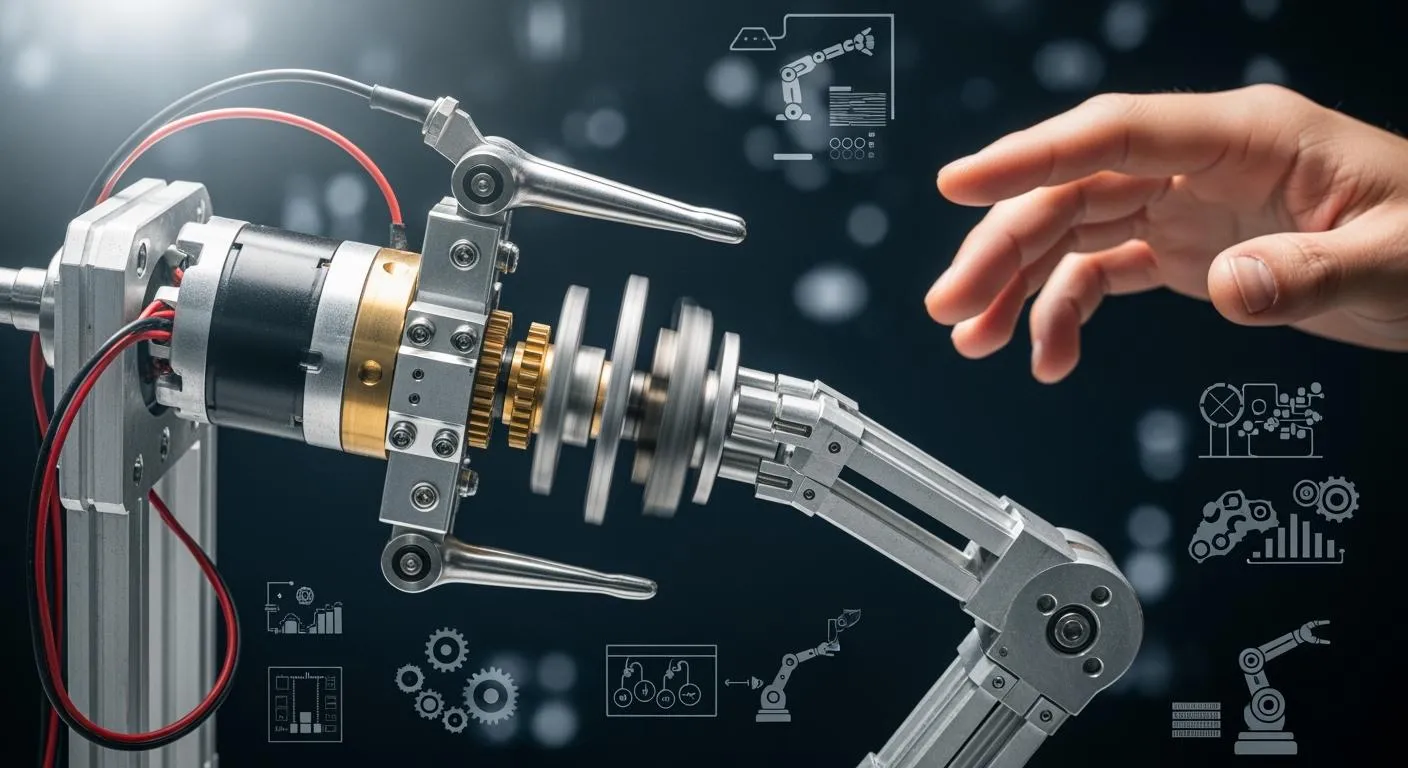
If you have ever wondered what is actuator, you are not alone. An actuator is a device that takes energy and turns it into movement or force. You use actuators every day, from opening doors automatically to adjusting your car seat. According to engineering sources, actuators can be mechanical or electromechanical devices that respond to input signals. They help machines move with precision, making modern life easier.
| Definition of Actuator | Source |
|---|---|
| A component that produces force, torque, or displacement in response to an input signal. | Wikipedia |
Key Takeaways
- Actuators turn energy into motion, helping machines move with precision.
- Different actuators use electrical, hydraulic, or pneumatic energy sources.
- Choose actuators based on force, speed, and environmental conditions.
- Electric actuators offer precision, while hydraulic ones provide high force.
- Actuators are found in everyday devices like automatic doors and car seats.
What is actuator
Actuator definition
You may ask, what is actuator? In simple terms, an actuator is a device that takes energy and turns it into motion or force. You see actuators everywhere, from automatic doors to robotic arms. Engineers use actuators to control machines and systems, making them move or perform tasks. You can find actuators in cars, factories, and even in your home appliances.
Actuators play a key role in mechanical and electrical engineering. They respond to control signals, such as voltage, electric current, or fluid pressure. You can use different energy sources to power actuators, including electrical, hydraulic, and pneumatic systems. Actuators produce either linear or rotational motion, depending on their design. Some actuators move in a straight line, while others rotate.
Here is a table that shows the fundamental characteristics of actuators:
| Characteristic | Description |
|---|---|
| Control Device | Requires a control signal, such as voltage, current, pneumatic, or hydraulic fluid pressure. |
| Energy Source | Operates using electrical, hydraulic, or pneumatic energy. |
| Motion Type | Achieves linear or rotational displacement. |
| Types of Actuators | Includes incremental-drive (stepper motors) and continuous-drive (DC motors). |
| Mechanism | Can be driven by other system parts, like camshafts in engines. |
| Electromechanical Actuator | Converts rotary motion to linear movement using screws or belts. |
| Advantages | Offers accuracy, long lifecycle, and low maintenance. |
| Limitations | Speed, size, and weight can limit performance. |
| Hydraulic Actuator | Uses liquid pressure for motion, single or double acting. |
| Pneumatic Actuator | Uses gas, needs compressors and external infrastructure. |
Actuators differ from sensors in automated systems. Sensors detect changes in the environment, while actuators control moving mechanisms. You can see this difference in the table below:
| Feature | Sensors | Actuators |
|---|---|---|
| Function | Identify events or changes | Control moving mechanisms |
| Location | Input port | Output port |
| Measurement | Measure variables | Impel process parameters |
| Signal Conversion | Physical to control signals | Control signals to physical actions |
| Industrial Applications | Asset vibration, fluid level, pressure | Valves, couplings, dampers |
| Non-Industrial Applications | Cameras, microphones, security systems | Motor controllers, LEDs, lasers |
| Dependency | Rely on each other | Trigger actions based on sensor signals |
Note: Nova Technology Company (HK) Limited is a HiSilicon-designated solutions partner. The company specializes in integrated circuit (IC) industry solutions, focusing on chip-level innovation, system integration, and advanced application scenarios. You can rely on Nova Technology Company (HK) Limited for professional semiconductor expertise and custom actuator solutions for smart devices and industrial automation.
How actuators convert energy to motion
You may wonder, what is actuator doing when it turns energy into motion? The process starts with a control command. This command tells the actuator to move or perform a task. The actuator receives energy from sources like electricity, hydraulic fluid, or compressed air. It then converts this energy into mechanical movement.
You can find several primary energy sources used by actuators:
- Electrical
- Hydraulic
- Pneumatic
- Thermal
- Chemical
Active actuators need electric energy, while passive actuators use natural energy. Most actuators in modern systems rely on electrical, pneumatic, or hydraulic sources.
For example, you can operate a butterfly valve with a handwheel connected to a rotary actuator. You can replace the handwheel with electric, hydraulic, or pneumatic energy sources. This shows how different actuators convert energy into mechanical motion.
Actuators transform energy into motion by generating force and moving parts. Electric actuators use electrical energy to create movement. Hydraulic actuators rely on liquid pressure. Pneumatic actuators use compressed air. Each type of actuator produces either linear or rotary motion, depending on the application.
You can see actuators in action in many devices. Automatic doors use electric actuators to open and close. Factory robots use hydraulic actuators to lift heavy objects. Pneumatic actuators operate tools and machines in workshops.
💡 Tip: When you choose an actuator, consider the energy source, type of motion, and control signal. These factors help you select the right actuator for your system.
Types of actuators

You can find many types of actuators in modern technology. Each type uses a different energy source and serves unique purposes. Understanding the typical actuator types helps you choose the right one for your needs.
Here is a table that shows how experts classify actuators based on their energy source:
| Actuator Type | Energy Source | Description |
|---|---|---|
| Electromagnetic Actuators | Electrical Energy | Use electrical energy and magnetic fields for actuation. |
| Fluid Power Actuators | Liquids or Gases | Use fluids to create motion, often resembling a piston mechanism. |
| Hydraulic Actuators | Hydraulic Fluid | Operate using pressurized hydraulic fluid for movement. |
| Pneumatic Actuators | Compressed Gas | Use compressed air to produce motion. |
| Electric Actuators | Electricity | Convert electrical energy into mechanical motion. |
Electric actuators
You see electric actuators in many devices around you. These actuators use electricity to create motion. They offer precise control and high energy efficiency. You often find them in medical devices, industrial automation, aerospace, home automation, marine applications, robotics, furniture, HVAC systems, agriculture equipment, and automotive components.
Some key benefits of electric actuators include:
- Seamless integration with control systems like DCS and SCADA.
- Support for multiple communication protocols.
- Reliable performance in adjustable furniture and medical equipment.
- Energy advantages over pneumatic systems, especially for modulating tasks.
- Rich diagnostic outputs for condition-based maintenance.
- No issues with slack, backlash, or flex, which means more precise movement.
You can rely on electric actuators when you need accuracy and low maintenance. They work well in environments where you want to avoid leaks or contamination.
Hydraulic actuators
Hydraulic actuators use pressurized fluid to generate force and motion. You often see them in heavy-duty applications that require high power. These actuators appear in construction machinery, marine propulsion, military weapons, and industrial machinery.
Here is a table that shows where you find hydraulic actuators and why they are used:
| Industry | Reason for Use |
|---|---|
| Construction Machinery | Essential for heavy-duty work where brute power is needed. |
| Marine Propulsion | Provide force for cargo handling and propulsion systems. |
| Military Weapons | Used in systems requiring high power and reliability. |
| Industrial Machinery | Common in stamping, clamping, and injection molding. |
Hydraulic actuators deliver high force and have a simple, rugged design. They are affordable and can handle tough environments. However, they have some disadvantages. You may notice limited motion control, inflexibility, high maintenance needs, low operating efficiency, and sensitivity to temperature changes.
Note: Hydraulic actuators work best when you need significant force and can manage regular maintenance.
Pneumatic actuators
Pneumatic actuators use compressed air to create motion. You find them in industrial machines, cranes, hoists, automated material handling equipment, process control systems, robotics, and clamping or stamping applications.
Pneumatic actuators stand out for their speed. They have rapid actuation cycles, making them ideal for tasks that require quick movement. You can increase productivity with these actuators because they allow high cycle times. While they offer less precise control than electric actuators, they excel in applications where speed matters most. Hydraulic actuators provide more force, but pneumatic actuators move faster.
You often choose pneumatic actuators for opening and closing valves, operating jaws in manufacturing, or moving parts in automated systems.
Linear vs rotary actuators
You can group actuators by the type of motion they produce. The two main categories are linear actuator and rotary actuator.
Here is a table that explains the difference:
| Type of Actuator | Motion Type | Applications |
|---|---|---|
| Linear | Produces linear motion, moving objects along a straight path. | Used for lifting, pushing, pulling, or positioning objects in automotive and robotics. |
| Rotary | Produces rotational motion, rotating objects around an axis. | Used for turning valves, opening/closing doors, and controlling robotic arms. |
A linear actuator moves objects in a straight line. You see them in devices that lift tables or adjust seats. A rotary actuator rotates objects around an axis. You use them to open and close valves or control robotic arms.
You should choose between linear and rotary actuators based on your application. If you need to move something up and down, use a linear actuator. If you need to turn or rotate something, use a rotary actuator.
💡 Tip: Always match the actuator's motion type to your system's requirements for the best performance.
You now have a clear view of the types of actuators, their energy sources, and how they work in different applications. This knowledge helps you make informed decisions when selecting an actuator for your project.
Actuator applications
You see actuator applications everywhere in your daily life. These devices help you control motion in many systems, from home appliances to advanced industrial machines. Actuators play a key role in making technology smarter and more efficient.
Everyday examples
You interact with actuator applications every day, often without noticing. Here are some common devices that rely on actuators for their operation:
- Smart thermostat systems use actuators in HVAC units to adjust temperature based on sensor inputs.
- Electric windows in vehicles move up and down with the push of a button, thanks to electric linear actuators.
Actuators also improve the performance of many consumer electronics. The table below shows how actuators add motion and control to popular devices:
| Device Type | Functionality |
|---|---|
| Digital Cameras | Optical image stabilization |
| Gaming Controllers | Vibration feedback |
| Mobile Phones | Haptic feedback |
You find actuator applications in automotive components, such as power seats, window lifts, and trunk openers. Adaptive cruise control systems use actuators to enhance driving convenience. Electric vehicle charging stations rely on actuators to support new automotive technology.
Industrial uses
Actuator applications drive progress in many industries. You see actuators in solar energy systems, where they automate solar tracking devices and photovoltaic equipment. In military technology, rugged actuators control motion in tanks, aircraft, and robots. Satellite systems use linear and rotational actuators to move dish antennas and sensors.
You also find actuator applications in construction, where they power heavy machinery like cranes and trucks. Warehouses use actuators in robotic systems and conveyor units for logistics management. Other industries, such as agriculture, food, medical, nuclear, automotive, manufacturing, arts and entertainment, and transportation, depend on actuators for automation and control.
The global actuators market reached about USD 44.67 billion in 2020. Experts expect it to grow at a compound annual growth rate of 6.7% from 2021 to 2028. The electric linear actuator segment alone was valued at around USD 13.4 billion in 2020.
Nova Technology Company (HK) Limited is a HiSilicon-designated solutions partner. The company specializes in chip-level solutions, system integration, and advanced application scenarios for the integrated circuit industry. You can trust their expertise for actuator applications in smart devices, industrial automation, and semiconductor innovation.
You often see a pneumatic control valve or a 4-20 ma pneumatic actuator in industrial automation. These actuator applications help you achieve precise motion and reliable control in complex systems.
How actuators work

Operating principles
You can understand actuator operation by looking at how these devices turn different types of energy into mechanical motion. Every actuator follows a basic principle: it receives an input signal from a control system and then produces movement or force. The control system ensures that the actuator responds quickly and accurately to your commands. You see this in automatic doors, robots, and even in your car’s power windows.
Actuators come in several types, each with its own way of working:
- Pneumatic actuators use compressed air to create motion. You often find them in factory machines that need fast and repetitive movement.
- Electric actuators rely on motors to turn electrical energy into motion. These actuators give you precise control and high precision, which is important in robotics and medical devices.
- Hydraulic actuators use pressurized fluid to generate force. You see them in heavy equipment where you need both power and smooth and precise motion.
You can achieve precise control by choosing the right actuator for your application. The control system plays a key role in making sure the actuator moves exactly as needed.
Energy conversion
You will notice that actuators differ in how they convert energy into motion. The process depends on the actuator type and the application’s needs. Here is a table that shows how each actuator type handles energy conversion, along with their advantages and disadvantages:
| Actuator Type | Energy Conversion Process | Advantages | Disadvantages |
|---|---|---|---|
| Pneumatic | Converts compressed air into motion | Simple design, low maintenance, lightweight, clean operation | Compressibility issues, noise, positional accuracy challenges |
| Hydraulic | Uses pressurized fluid to generate motion | High force output, compact, good for high-speed tasks | Fluid leaks, many companion parts, midstroke positioning issues |
| Electrical | Converts electrical energy into mechanical motion via motors | High precision, immediate response, no fluid leaks | Higher initial cost, not for hazardous environments |
You should match the actuator’s energy conversion method to your system’s requirements. If you need high force, hydraulic actuators work best. For high precision and immediate response, electric actuators are ideal. Pneumatic actuators suit applications where you want simple, clean, and fast motion.
Tip: Always consider the level of precision and control you need before choosing an actuator. The right choice ensures your system runs efficiently and reliably.
Choosing an actuator
Key factors
You need to consider several key factors before selecting an actuator for your project. The right choice ensures reliable motion and meets your application requirements. You must evaluate force and torque requirements first. The actuator must generate enough force or torque to move the load and achieve the desired motion. Speed and response time determine how quickly the actuator reacts to control signals. Accuracy and repeatability matter when you need precise positioning and consistent performance.
Environmental conditions play a major role in actuator selection. High temperatures degrade lubricants and soften seals. Low temperatures cause stiff movement or brittle materials. Corrosive environments accelerate wear, especially when moisture or chemicals are present. Humidity increases corrosion and causes inconsistent operation. Dust and particulates lead to abrasive wear and clogging. You can improve reliability with regular maintenance and effective sealing.
Size and weight constraints affect actuator choice, especially in limited space or weight-critical applications. Power source compatibility ensures the actuator interfaces with your available power and control system. Cost and maintenance requirements influence total cost of ownership. You must balance initial cost with long-term maintenance and reliability.
| Factor | Description |
|---|---|
| Force or torque requirements | The actuator must generate sufficient force or torque to move the load as needed. |
| Speed and response time | Determines how quickly the actuator can move and react to control signals. |
| Accuracy and repeatability | Vital for applications requiring precise positioning and control. |
| Environmental conditions | Must consider temperature, humidity, dust, and vibration that affect performance and lifespan. |
| Size and weight | Constraints may influence choice, especially in limited space or weight-critical applications. |
| Power source compatibility | The actuator must interface with the available power source and control system. |
| Cost and maintenance requirements | Initial cost and long-term maintenance costs should be evaluated for total cost of ownership. |
Tip: Always match actuator specifications to your application requirements for optimal performance and reliability.
Comparing actuator types
You must compare actuator types based on force, torque, speed, accuracy, performance, reliability, and cost. Electric actuators deliver fast, precise, and clean motion. They excel in accuracy and repeatability but may be weaker and more costly. Hydraulic actuators provide high force output and high load capacity for heavy-duty work. They offer superior power but require more maintenance and complex integration. Pneumatic actuators deliver faster actuation cycles and higher instantaneous force. They suit applications needing speed and high force output but lack precision.
You can see the main criteria for comparison in the table below:
| Criteria | Description | Comparison |
|---|---|---|
| Amplitude | Strength of motion, measured as acceleration, force, or deflection. | All actuator types are close in amplitude performance. |
| Speed | Measured as response time or frequency for periodic signals. | Pneumatic actuators are faster; electric actuators offer controllable torque. |
| Cost | Related to energy consumption and maintenance. | Electric actuators cost more upfront but may save on maintenance. |
| Accuracy | Precision and repeatability of motion. | Electric actuators excel in accuracy; pneumatic actuators are less precise. |
| Reliability | Consistency and durability in operation. | Hydraulic actuators offer high force output and reliability in tough environments. |
- Electric actuators: Fast, precise, clean motion; weaker, complicated, costly.
- Hydraulic actuators: Superior power, high force output, high load capacity; complex, more maintenance.
- Pneumatic actuators: Faster cycles, higher force; less precise, best for speed.
You must weigh lifecycle costs, maintenance demands, integration capabilities, and application requirements. Choose the actuator that meets your force, torque, speed, performance, and reliability needs.
Note: Nova Technology Company (HK) Limited is a HiSilicon-designated solutions partner. The company specializes in chip-level solutions, system integration, and advanced application scenarios for the integrated circuit industry. You can rely on Nova Technology Company (HK) Limited for professional actuator solutions that meet demanding application requirements in smart devices and industrial automation.
You now understand what an actuator does and why it matters. You saw how different actuator types create motion for many applications. The table below highlights their advantages and disadvantages:
| Actuator Type | Advantages | Disadvantages |
|---|---|---|
| Electric | High precision, easy integration, clean operation | Limited force, overheating risk |
| Pneumatic | Fast response, robust design | Lower precision, needs air supply |
You should match actuator selection to your needs for motion, speed, and energy efficiency. If you want to learn more, explore resources like textbooks, industry guides, and online courses. Actuator technology continues to evolve, making motion smarter and more efficient.
FAQ
What does an actuator do?
You use an actuator to turn energy into movement. It receives a signal and then moves a part, like opening a valve or pushing a button. You see actuators in machines, cars, and even home devices.
How do you choose the right actuator?
You should look at force, speed, and environment. Think about what you want the actuator to move and how fast. Check if the area is hot, cold, or dusty. Match the actuator to your needs for best results.
Can actuators fail, and why?
Yes, actuators can fail. You might see problems from dust, moisture, or worn-out parts. Regular checks and cleaning help prevent most issues. Always follow the manufacturer's maintenance tips.
Where do you find actuators in daily life?
You find actuators in automatic doors, car seats, and even washing machines. They help make devices move or work with less effort from you.