Choosing the Right Integrated Circuit Packaging Service for Your Electronics Project
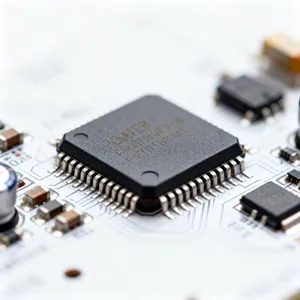
The right integrated circuit packaging can help your electronics work well and last longer. Small changes in ic packaging design or materials can make devices work better or worse for many hours, as tests on integrated circuit models under stress have shown.

The right integrated circuit packaging can help your electronics work well and last longer. Small changes in ic packaging design or materials can make devices work better or worse for many hours, as tests on integrated circuit models under stress have shown. You need to pick the right package for what your electronics project needs.
-
More than 36% of the world’s packaging market now uses active solutions to make things more reliable and save money.
You must think about ic packaging and package selection for every ic in your project.
Key Takeaways
-
Pick an IC package that matches what your project needs. Think about how well it works, its size, how it handles heat, and if it is reliable. - Look at different package types. Some take up less space. Others are better at handling heat or have more pins. - Make a list of what your project needs. Check how much heat and signal it will use. Make sure the package works with your assembly tools. - Choose providers who have the right certifications. They should also have good quality reports. This helps make sure the packaging is reliable and not too expensive. - Design your PCB layout and assembly steps for the package you picked. This helps your device last longer.
Key Factors in Integrated Circuit Packaging
Performance Needs
You should pick an ic package that matches your project’s needs. The right package helps your chip work better and last longer. IC packaging keeps the chip safe from damage, water, and dust. It also helps move heat away and keeps the chip steady. Tests like Early Failure Rate and High Temperature Operating Life show how packaging affects how long the chip works. If you need fast or powerful electronics, pick a package that supports these needs. Some advanced packages, like 3D packaging and system-in-package, can make chips work better and use less power.
Space and Pin Count
Space and pin count are important when picking an ic package. If your project needs lots of connections or must fit in a small space, you need a small package with many pins. The table below shows how different package types fit different needs:
|
Package Type |
Size |
Pin Count |
Space Impact |
Typical Application |
|---|---|---|---|---|
|
PLCC |
Large |
Wide range |
Needs more space |
Automotive, control systems |
|
QFN (LCC) |
Compact |
High |
Saves space |
Mobile, wearables |
|
BGA |
Small |
Very high |
Best for tight spaces |
Processors, memory |
|
QFP |
Medium |
Moderate-high |
Balanced |
|
|
CSP |
Tiny |
Very high |
Extreme miniaturization |
Smartphones |
You should always check the number of pins and the size before you pick a package for your ic.
Heat Management
Heat management is very important for ic packaging. If your chip gets too hot, it might stop working. Some packages, like BGA and QFN, help keep chips cool. Studies show that liquid cooling and special materials can lower chip heat by up to 26%. Good heat management keeps your ic safe and helps it last longer. For powerful chips, look for packages that get rid of heat well.
Cost and Reliability
Cost and reliability matter when you pick an ic package and service. You want a package that fits your budget and keeps your chip safe. Cost includes the price of materials, putting the chip together, and testing. Reliability tests, like thermal cycling and mechanical shock, check if the package can handle stress. Packages like system-in-package and known good die help you save money and get good reliability. Always think about cost, reliability, and performance when you choose an integrated circuit packaging service.
IC Package Types
When you work on an electronics project, you need to know about different ic package types. Each type has its own shape, size, and way to connect the chip to your board. The right ic package helps your chip work well and fit your design. You will see many types, but some are more common in modern electronics.
DIP and SOP
Dual-Inline Package (DIP) is one of the oldest ic package types. You can spot DIP by its two rows of pins. This package is easy to handle and great for testing. You can use DIP for simple projects or when you need to probe pins. However, DIP takes up a lot of space and does not support many pins. As electronics got smaller, Small Outline Package (SOP) became popular. SOP is a type of smd package. It has leads on both sides and fits well with surface mount technology. SOP saves space and works better for automated assembly. You will find SOP in many low pin count chips. While DIP is good for learning and repairs, SOP is better for compact, modern devices.
QFP and BGA
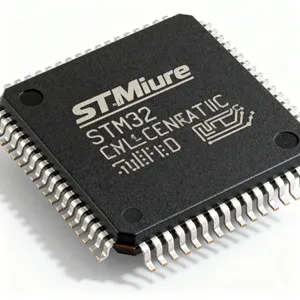
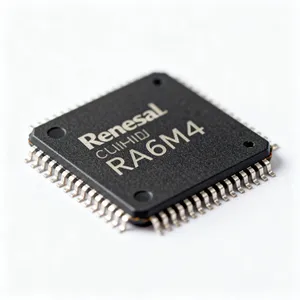
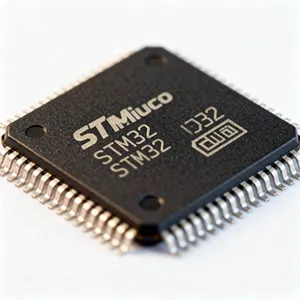
Quad Flat Package (QFP) and Ball Grid Array (BGA) are advanced ic package types. QFP has leads on all four sides. It supports more pins than DIP or SOP and fits well with surface mount devices. QFP is common in microcontrollers and power chips. It is easier to inspect and repair than BGA. BGA uses tiny balls under the chip instead of leads. This package gives you high pin density and great heat management. BGA is perfect for high-speed chips like processors and FPGAs. However, BGA needs special tools for assembly and repair. You cannot see the connections, so you need X-ray inspection.
|
Package Type |
Size Range (mm) |
Pitch (mm) |
Thermal Performance |
Advantages |
Drawbacks |
|
|---|---|---|---|---|---|---|
|
DIP |
6 x 4 to 64 x 14 |
8 to 64 |
2.54 |
Low |
Easy to handle, good for testing |
Large, few pins, not for dense designs |
|
QFP |
4 x 4 to 40 x 40 |
32 to 256 |
0.4 to 1.0 |
Moderate |
Many pins, fits smd, good for SMT |
Harder to solder, needs special tools |
|
BGA |
5 x 5 to 50 x 50 |
100 to 1000+ |
0.5 to 1.27 |
High |
High pin count, great heat control |
Hard to repair, costly, needs X-ray |
Selecting the Right SMD Packages
Selecting the right smd packages is key for your project’s success. SMD stands for surface mount devices. These packages let you place chips directly on the board without drilling holes. You can choose from many smd package types, such as SOIC, QFP, BGA, TSSOP, and QFN. Each smd component package has its own benefits. For example, SOIC is easy to handle and fits standard logic chips. QFP and QFN work well for microcontrollers. BGA is best for high-speed, high-pin-count chips. When you pick an smd package, think about space, pin count, heat, and how easy it is to assemble. Surface mount technology helps you build smaller, faster, and more reliable devices. You should match the ic package to your chip’s needs and your assembly skills.
Tip: Always check if your tools and skills match the smd package you choose. Some types need special machines or careful soldering.
IC Packaging Selection Steps
Picking the right ic package needs good planning. You should follow steps to match your chip and project needs. This helps you find the best ic packaging and service. Here is a guide to help you make smart choices and avoid mistakes.
Define Project Requirements
First, write down what your project needs. Think about the chip type, device size, and power use. Also, think about where you will use your device and what it will face. Use the table below to keep your data organized:
|
Description |
|
|---|---|
|
Power Dissipation |
Does your chip get hot? You may need a package with good heat control. |
|
Size Constraints |
Is your device small? Pick a compact ic package. |
|
Environmental Conditions |
Will your device face heat, cold, or moisture? Choose a strong package. |
|
Mounting Methods |
Will you use through-hole or smd? This affects your package selection. |
|
Signal Integrity |
Does your chip need clean signals? Some packages help reduce noise. |
|
Thermal Performance |
High-power chips need packages with heat sinks or pads. |
|
Availability and Cost |
Can you get the package easily and at a good price? |
|
Reliability and Longevity |
Will your device run for years? Pick a package that lasts. |
|
Interoperability |
Will your chip work with other parts? Make sure the package fits your design. |
Tip: Write down what your device needs before you pick a package. This helps you avoid mistakes that cost money.
Assess Electrical and Thermal Needs
You need to check how your chip handles power and heat. Use tools or tests to see how much heat your chip makes. These tools can show how your chip acts when it is working. They help you see how heat moves in the package. This lets you pick a package that keeps your chip cool.
You should also check if the package keeps signals clean. Some packages help stop noise. If your chip is fast, pick a package that keeps signals strong. For chips that use lots of power, pick packages with pads or heat sinks. This step helps you stop problems like too much heat or weak signals.
Check Manufacturing Compatibility
You must make sure your ic package works with your factory. If you use smd, pick packages for surface mount. If you use through-hole, pick packages with pins. Check if your machines can handle the package size and shape. Some new packages need special tools or skills.
Quality checks like IPC and FAI help you find problems early. IPC lets you spot mistakes during making and fix them fast. FAI gives you a report on the first batch to see if it meets your plan. These checks help your ic packaging stay good and save money.
Note: Always ask your provider for IPC and FAI reports. These reports show your ic package meets high standards.
Evaluate Service Providers
You should check each service provider before you choose. Look for providers who know your chip and package type. Check if they have certifications like IEC, SEMI, JEDEC, or AEC-Q100. These show the provider meets world quality rules for ic packaging.
Customer surveys, like the TechInsights 2022 survey, show top providers score high in uptime, service, and product quality. Awards like 10 BEST and THE BEST show the best providers. Pick a provider with good reviews, awards, and the right certifications.
Tip: Ask if the provider offers turnkey solutions. This means they do everything from design to delivery, which saves you time and money.
Step-by-Step Best Practices for Package Selection
-
Look at ic packages under a magnifier after each step to find defects.
-
Sort defect data to see patterns and main types.
-
Use Pareto analysis to focus on the biggest problems.
-
Draw Ishikawa diagrams to find the main causes of defects.
-
Run tests (like the Taguchi method) to see how changes affect defects.
-
Study results to find the best settings for your package.
-
Work on fixing the main process that causes most defects, like molding.
If you follow these best practices, you can lower defects and make your ic packaging better.
Remember: Picking the right package and checking your provider helps you make strong, low-cost chips that last a long time.
Application and Assembly Considerations
PCB Layout and Mounting
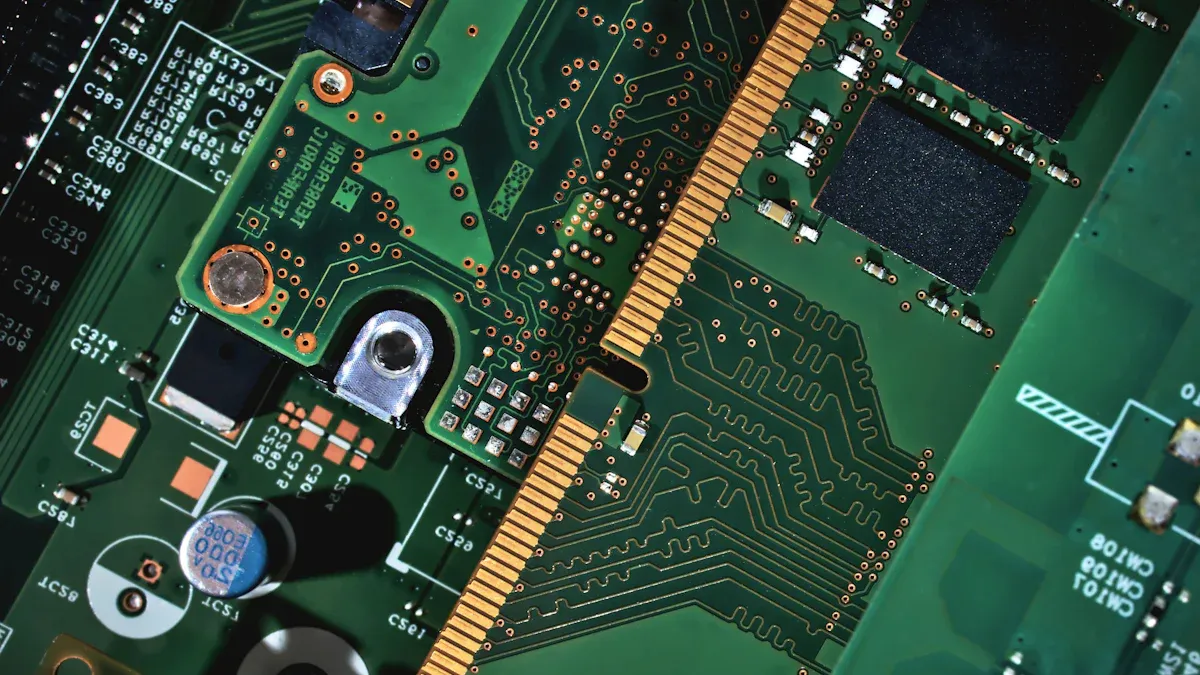
When you design your PCB, you need to think about how the ic package fits. The way you put each chip on the board changes how well your device works. A good PCB layout helps stop signal problems and makes assembly easier.
-
You should check the space between parts, their direction, and which way they face. These steps help you avoid mistakes and make the ic package more reliable.
-
Design for Manufacturability (DFM) checks help you find layout problems that could cause defects or lower quality.
-
Thru-Hole Technology (THT) uses people or machines to place parts and solder them. This affects how strong the solder joints are and how long the ic package lasts.
-
Surface Mount Technology (SMT) uses machines to put on solder paste, place chips, and heat them to solder. This way gives you better results and higher ic package quality.
-
Mixed technology assembly uses both SMT and THT. The order and way you mount parts can change how well the soldering works and how good your ic package is.
If you plan your layout and mounting well, you keep signals strong and help your chip last longer.
Environmental and Mechanical Factors
You also need to think about where your ic package will be used. Designers now check how much each package affects the environment and its carbon footprint. You should pick materials that are easy to recycle and do not pollute much. For example, clear plastics are easier to recycle than black ones.
Mechanical things matter too. If you use 3D-IC packaging, different materials stacked together can cause stress. This stress might make shorts or other problems in your chip. You need to pick the right epoxy molding compound and solder bump setup. These choices change how many voids form and how much stress is on your ic package.
|
Factor/Aspect |
Effect on IC Packaging Performance |
Design Guideline/Empirical Finding |
|---|---|---|
|
Bad EMC causes voids during encapsulation |
Optimize process and mold design to reduce voids |
|
|
Solder bump arrangements |
Changes pressure and stress on chip |
Use full-array bump packages for lower stress |
|
Bump standoff height |
Affects stress and deformation |
Optimize height to reduce stress |
|
Chip thickness |
Changes stress during encapsulation |
Adjust thickness for better reliability |
|
Molding and filling time |
Impacts void formation |
Optimize times for best encapsulation quality |
You should always test your ic package in real situations to make sure it is strong and lasts as long as you need.
Quality and Certification
Quality and certification show that a provider follows high rules for making ic packages. The best companies have ISO 9001:2015 for quality and ISO 14001:2015 for the environment. They also follow JEDEC JESD47 for chip tests and AEC-Q100 for car ic package checks.
-
Suppliers must have ISO 9001:2015 certification.
-
Car part suppliers need IATF 16949:2016 certification.
-
Some companies promise their products will last 10 years and keep checking reliability.
These certifications help you trust your ic package will work for your needs. They also show the provider cares about quality, reliability, and keeping your chip safe.
Picking the right integrated circuit packaging service helps your project do well. First, write down what your project needs. Next, check how much heat and what kind of signals your chip will have. Make sure the package works with your assembly tools. Use this checklist:
-
Write down your project needs
-
Check heat and signal needs
-
Make sure the package fits your tools
-
Look at provider certifications
Tip: Ask experts for help if your project is hard. This can help you avoid big mistakes and keep your project going the right way.
FAQ
What is the most common IC package for beginners?
You will often use DIP (Dual-Inline Package) when you start. DIP is easy to handle and works well for breadboards and simple projects. You can see and touch the pins easily.
How do I know if my PCB supports a specific IC package?
Check your PCB layout and the datasheet for your IC. You will see the package type and pin layout. Make sure the footprint on your board matches the package.
Can I use surface mount packages without special tools?
You can solder some SMD packages by hand with a fine-tip iron and tweezers. For small or complex packages, you need special tools like a hot air station.
Why do some IC packages cost more than others?
Some packages use advanced materials or need special assembly steps. High pin counts, better heat control, and small sizes can raise the price. You pay more for better performance and reliability.
What certifications should I look for in a packaging service provider?
Look for ISO 9001:2015 for quality and ISO 14001:2015 for the environment. If you work on automotive projects, check for IATF 16949:2016. These show the provider meets high standards.