HiSilicon AI SoCs 5 Smart Camera Applications in Action
The AI chip market is expanding rapidly, with a projected growth rate of 31.2%. The AI SoC market itself is set to grow 15.5
The AI chip market is expanding rapidly, with a projected growth rate of 31.2%. The AI SoC market itself is set to grow 15.5% annually from 2026, fueling powerful AI transformations. This growth enables new capabilities in many industries. Key examples include:
- Smart Cities
- Retail Analytics
- Industrial Safety
- Advanced Home Security
- Public Safety
These powerful AI applications demonstrate how HiSilicon AI SoCs drive the edge computing revolution. Each scenario highlights the specific role the AI SoC plays in bringing intelligent analysis directly to the camera at the edge.
Key Takeaways
- HiSilicon AI SoCs make smart cameras powerful. These chips help cameras analyze things right where they are.
- Smart cameras use AI to improve cities. They help manage traffic and keep public places safe.
- AI cameras help stores understand shoppers. They also make factories safer for workers.
- AI SoCs make home security better. They give smart alerts and reduce false alarms.
- These chips allow cameras to process information fast. This means quick decisions without sending data far away.
1. Smart Cities: Powered by HiSilicon AI SoCs

Real-World Scenario:
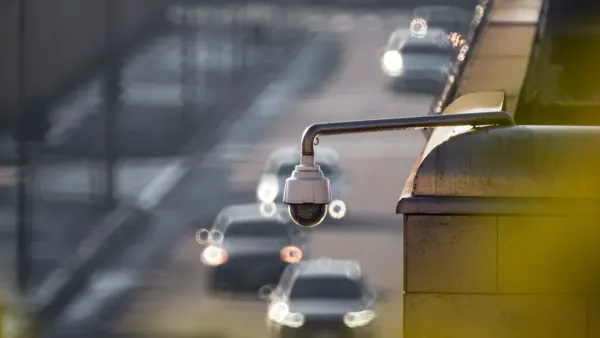
Imagine a bustling city intersection during rush hour. Cars, buses, and pedestrians create a complex flow of movement. Traditional cameras simply record this scene. Smart cameras, however, actively analyze it. These devices perform real-time vehicle counting to adjust traffic light timing dynamically. They use license plate recognition for automated tolling and to identify vehicles of interest. The system can even detect incidents like accidents or stalled cars, automatically alerting emergency services. This intelligent monitoring transforms chaotic traffic into a managed flow, improving safety and efficiency across urban IoT networks. This level of advanced AI is a cornerstone of modern smart city infrastructure.
SoC-Powered Capabilities:
This intelligence does not come from the cloud; it happens directly on the camera at the edge. The power behind this capability is the System on a Chip (SoC), specifically designed for AI tasks. HiSilicon AI SoCs are a prime example, with specific series built for these demanding environments.
- IPC SoC Series: These smart vision chipsets are ideal for traffic management. They feature a powerful combination of CPU, NPU, and GPU for on-device AI.
- NVR SoC Series: This series is also used for managing urban road networks and enforcing traffic rules, sharing the same advanced edge AI compute architecture.
The Neural Processing Unit (NPU) within the domain controller SoC chip is the key. It enables on-device AI inference, which dramatically reduces latency. Instead of sending huge video files to a central server for analysis, the SoC processes data locally. This approach offers several advantages for AI solutions:
- It eliminates the need for a constant, high-bandwidth internet connection.
- It prevents delays caused by sending data to and from a distant server.
- It allows the camera to interpret and respond to events instantly.
This high-speed data processing is essential as 5G rollouts expand, connecting more devices than ever. The NPU allows complex AI models to run smoothly, improving overall AI performance. Effective AI-driven network management ensures these networks remain stable. The domain controller SoC chip makes real-time AI a reality in demanding urban settings.
💡 Deployment Tip: For real-world pilot projects, research highlights the importance of carefully evaluating power consumption and the stability of 5G networks. These factors are critical for ensuring reliable, long-term operation.
2. Retail Analytics with Edge Computing
Retail stores are transforming into intelligent spaces with the help of AI. Smart cameras now do more than just record video for security. They actively analyze customer behavior in real time. This shift is powered by edge computing, which brings powerful AI directly to the store floor.
In-Store Application:
A smart camera in a retail environment acts as a silent analyst. The powerful System on a Chip (SoC) inside the device runs sophisticated AI models. This allows the camera to gather valuable data without sending video to the cloud. The AI can track several key metrics to understand shopper behavior.
- Customer traffic and peak shopping times.
- "Hot spots" or the most popular areas in the store.
- Dwell time, or how long customers look at specific product displays.
- Customer journeys, showing which paths people take through the store.
This on-device processing at the edge provides instant information. Store managers get a clear picture of store performance. They can see which displays attract attention and which aisles are ignored. This level of AI analysis helps optimize the entire shopping experience.
Data-Driven Insights:
The data collected by these cameras provides huge value. Retailers use these AI insights to make smarter business decisions. They can optimize store layouts, adjust staff schedules for busy times, and measure the success of marketing campaigns. These AI solutions lead to significant financial returns. The powerful domain controller soc chip enables this complex AI.
A case study showed that a retail operation achieved a 399% return on investment over five years using AI camera analytics. This return comes from loss prevention, better operational efficiency, and reduced liability.
The HiSilicon AI SoCs enable this advanced AI. The chip's dedicated hardware performs AI inference locally, turning raw video into actionable data. This efficient processing at the edge is the key. It allows retailers to deploy powerful AI solutions that improve both customer experience and profitability. The AI makes the store smarter and more responsive to customer needs.
3. Automated Industrial Safety
Industrial environments like factories and construction sites present many safety challenges. AI-powered cameras are changing how companies approach worker security. This technology enables a proactive approach, identifying risks before accidents happen. The AI provides constant monitoring to enforce safety rules automatically.
Proactive AI Security:
Smart cameras create a new level of worksite security. They use AI to continuously monitor operations and ensure compliance with strict regulations. This AI system can automatically check for adherence to important security protocols. For example, an AI camera can verify that workers follow OSHA standards in several key areas:
- Wearing correct safety gear like helmets and vests.
- Staying within designated safe zones.
- Using proper fall protection on elevated surfaces.
- Following safe operational practices around heavy machinery.
The AI system sends real-time alerts to managers when it detects a violation. This immediate feedback allows for quick correction, greatly improving site security. This constant AI oversight helps prevent accidents and builds a stronger safety culture. The AI acts as a tireless digital safety officer.
On-Device Hazard Detection:
This powerful AI capability runs directly on the camera thanks to the embedded System on a Chip (SoC). The domain controller soc chip contains a dedicated processor for AI tasks. This allows complex AI models to perform AI inference locally. The device can identify environmental hazards like smoke, fire, or abnormal heat patterns without sending video to a remote server. This on-device processing ensures instant alerts and robust data center security for the collected information. The advanced SoC makes this real-time security possible.
💡 Proven Results: Businesses using AI for safety have seen significant improvements. Some companies report a 20% reduction in workplace injuries. Turner Construction, for example, lowered its safety incidents by 30% after implementing AI monitoring. This shows the direct impact of AI on worker security.
This AI technology offers a clear return on investment through enhanced safety and operational efficiency. The AI makes industrial sites safer for everyone.
4. Advanced Home Security

Modern home security systems use artificial intelligence to provide smarter protection. These advanced cameras go beyond simple recording. They analyze events in real time. This capability transforms home security from a passive tool into an active guardian. The core of this technology is a powerful, specialized chip.
The Smart Home Security SoC:
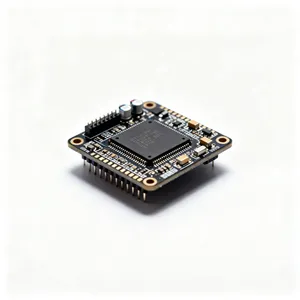
The brain of a smart security camera is its System on a Chip (SoC). The HiSilicon AI SoCs are specifically designed for these devices. This single chip contains all the necessary components to run complex AI models. The domain controller soc chip handles everything from video encoding to AI inference. This design makes the camera a self-contained smart device.
💡 Inside the Chip: A professional SoC for an IP camera includes a powerful intelligent engine. Here are some key specifications for a high-end HiSilicon SoC.
| Feature/Component | Specification |
|---|---|
| Encoding Capabilities | H.264 streams at 1080p@30fps |
| Intelligent Engine | High-performance intelligent acceleration engine |
| ARM Subsystem | [email protected] |
| Security Features | AES/DES/3DES |
| Storage Interfaces | SD/MMC, SPI NOR flash×2 |
This integrated SoC gives the camera the power to process video and run AI tasks without relying on the cloud. This improves both speed and security.
Intelligent Alerts and Automation:
A major benefit of AI in home security is the reduction of false alarms. Traditional cameras often send alerts for any motion, like swaying trees or passing animals. AI cameras are much smarter. The onboard AI uses advanced algorithms to understand what it sees. This AI provides a higher level of security.
- Shape Recognition: The AI identifies the outlines of people and vehicles. It ignores alerts from moving leaves or shadows.
- Behavioral Analysis: The AI learns the difference between a person walking and a pet running, preventing unnecessary notifications.
- Smart Filtering: The AI can distinguish human activity from pets, which greatly reduces false alarms caused by animals.
This intelligent analysis makes the security system far more reliable. AI-powered cameras achieve an accuracy rate of 90% to 98% in detecting real threats. Traditional systems are only 40% to 60% accurate. The AI learns over time, improving its performance and strengthening security protocols. This on-device AI allows the camera to integrate with other smart home IoT devices, creating a truly automated and responsive security ecosystem.
5. Public Safety and Smart IoT Devices
Smart cameras are becoming essential tools for public safety. These devices are part of a larger Internet of Things (IoT) ecosystem that helps authorities protect citizens. The powerful AI inside these cameras provides real-time analysis, turning simple surveillance into an active security measure. This technology is especially useful for managing large crowds and identifying potential threats.
Crowd Monitoring in Action:
Large public gatherings, like festivals and concerts, require careful management to ensure security. AI-powered cameras excel at this task. The embedded System on a Chip (SoC) allows the camera to perform analysis at the edge. This means the device can process video data instantly without sending it to a central server.
For example, authorities in India have used AI cameras to manage massive events. During the Jagannath Rath Yatra, an AI system analyzed crowd density in real time. It sent alerts to prevent dangerous congestion. Officials plan to use a similar AI system with thousands of cameras for the 2025 Maha Kumbh Mela to prevent stampedes. This proactive security is possible because the AI can identify unsafe crowd surges and notify operators immediately. The AI provides a level of oversight that is impossible to achieve with human monitoring alone.
Real-Time Threat Recognition:
Modern AI cameras do more than just count people. They run sophisticated AI models to identify specific security risks. The domain controller soc chip enables complex AI inference on the device itself. This capability supports real-time security enforcement. The AI can detect abandoned packages, identify aggressive behavior, or spot individuals in restricted areas. Fast 5G networks ensure that alerts from these cameras reach security personnel without delay.
Government agencies are increasingly adopting this technology. By 2022, 40% of law enforcement agencies were using digital tools to improve public safety. Recognizing this trend, government bodies are developing guidelines for the responsible use of AI.
- A 2023 U.S. Government Accountability Office (GAO) report highlighted the need for training and policies regarding facial recognition.
- A 2024 Department of Justice (DOJ) report addressed how to use AI in the criminal justice system while protecting civil rights.
These efforts show the growing importance of AI in maintaining public security. The combination of a powerful SoC, advanced AI inference, and reliable 5G networks creates a robust security system. This AI technology helps keep public spaces safer for everyone.
HiSilicon AI SoCs are a key driver in the shift from simple video capture to intelligent AI analysis at the edge. These chips get their power from dedicated NPUs. This hardware enables complex AI tasks like pattern recognition directly on the edge, improving AI performance. The future of AI is expanding beyond security into new industries. This edge computing technology is now entering fields like agriculture and healthcare. The evolving design of NPUs will continue to unlock new on-device AI capabilities across even more sectors.
FAQ
What is an AI SoC?
An AI System on a Chip (SoC) is a single microchip. It combines a CPU, GPU, and a special Neural Processing Unit (NPU). This design allows a device like a camera to run complex AI tasks on its own, without needing the cloud.
Why is edge computing important for smart cameras?
Edge computing allows cameras to analyze video directly on the device. This method provides faster responses and better privacy. It removes the need to send large video files to a server. The camera makes decisions instantly at the "edge" of the network.
What does an NPU do? 🧠
An NPU, or Neural Processing Unit, is a specialized processor. It accelerates artificial intelligence tasks. The NPU handles complex calculations for AI models very efficiently. This makes on-device AI analysis fast and possible, improving overall AI performance.
How do AI cameras reduce false alarms?
AI cameras use object recognition to identify people and vehicles. The system learns to ignore motion from non-threatening sources like pets or moving branches. This intelligent filtering greatly improves accuracy and reduces unwanted notifications from the security system.