How to Choose the Right Integrated Circuit Suppliers for Your Manufacturing Needs
When you pick integrated circuit suppliers, look for ones you can trust. Make sure they have many products to choose from. Check if people say good things about the supplier.

When you pick integrated circuit suppliers, look for ones you can trust. Make sure they have many products to choose from. Check if people say good things about the supplier. See if they give good technical help. Think about the price, but do not pick low quality or bad parts. Find suppliers who show clear prices and help you save money over time. Choose those who help your factory and can grow with you.
Key Takeaways
-
First, understand what your project needs. Know the technical specs and how many parts you need. This helps you find suppliers that match your needs. - Pick suppliers with a good reputation. They should have many products and the right certifications. This makes sure you get good quality and reliable parts. - Check if suppliers have enough stock and deliver fast. This helps you avoid delays and keeps your production on track. - Find suppliers who give quick and clear technical support. They should also have good after-sales service to fix problems fast. - Use tools like decision matrices and risk plans to compare suppliers. These tools help you choose fairly and keep your supply chain safe from surprises.
Define Manufacturing Needs
Technical Requirements
Start by writing down what your project needs. Each integrated circuit board is different. You have to check if each ic works with your printed circuit board. Look at how well it performs. This means checking supply voltage, current use, and top speed. Also, think about input and output voltage levels and how hot or cold it can get. Reliability is important, so see how long it lasts and if it passes tough tests. Use the table below to compare parts for your circuit board:
|
Specification |
Role in IC Boards in Modern Electronics |
Testing Methods |
|---|---|---|
|
Supply Voltage (VCC) |
Safe operation, power, and speed |
Bench power supplies |
|
Current Consumption (IDD) |
Power budgeting for all modes |
Current measurement |
|
Max Operating Frequency |
Speed limits, temperature effects |
Frequency testing |
|
Input/Output Voltage Levels |
Logic compatibility, reliable interfacing |
Voltage threshold tests |
|
Storage Temperature |
Long-term reliability |
Temperature cycling |
|
MTBF |
Predicts reliability |
Statistical reliability data |
Always make sure the ic fits with your printed circuit board and other parts. This helps stop problems.
Volume & Delivery
Figure out how many parts you need for your project. If you need a lot, pick suppliers with big stock and fast shipping. For small projects, find suppliers who can handle small orders. Getting parts on time keeps your work moving. Ask how long it takes to get your order. Make sure the supplier can send all the ic boards you need. Check if they can give you more if you need it later. Good delivery means every integrated circuit board gets the right parts when needed.
Quality Standards
Quality is very important for your project. Set clear rules for all your circuit board parts. Pick suppliers who keep quality high and defects low. Fast delivery and quick help with problems show the supplier cares about quality. Many companies use scorecards to watch these things. These tools help you find issues early and make suppliers better. Using real-time data and AI helps you fix problems fast and keep your printed circuit board assembly working well. Always check that your ic supplier meets your quality needs and works with your integrated circuit board.
Choosing Integrated Circuit Suppliers
Supplier Reputation
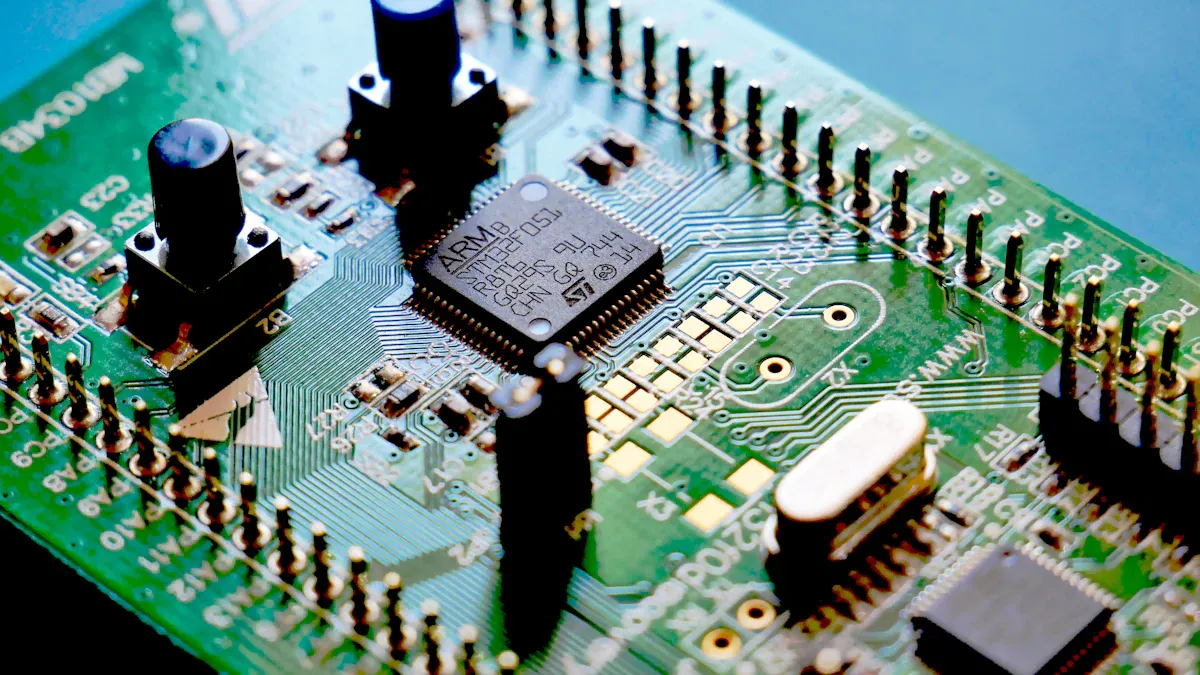
Start by looking at how people see the supplier. Pick companies that have helped many electronics makers for a long time. Read what others say and ask for proof of good work. Good suppliers often work with big brands. They answer questions fast and fix problems quickly. This means they care about doing a good job and making customers happy. If you pick a supplier with a good name, you are less likely to get bad ic or circuit board parts.
Product Range
Having many products helps you find the right ic. The best suppliers have lots of circuit board parts. These include ASICs, ASSPs, and USICs. Each one is good for different jobs:
-
ASICs can be made special for speed, saving power, or being small.
-
ASSPs are great for things like pictures, sound, or wireless work.
-
USICs give companies something special, like chips for hearing aids or phones.
A big choice lets you pick ic that works with your needs. You can choose parts that fit your circuit board and help you reach your goals.
Certifications & Compliance
Certifications show suppliers follow important rules for safety and quality. Look for these main standards:
|
Certification Standard / Compliance Metric |
Description / Relevance to Integrated Circuit Manufacturers |
|---|---|
|
Makes sure products are always good |
|
|
ISO 14001 |
Helps factories be better for the planet |
|
ISO 45001 |
Keeps workers safe |
|
AS 9100 |
Needed for airplane circuit board parts |
|
IATF 16949 |
Needed for car ic |
|
ISO 13485 |
Used for medical device making |
|
FDA 21 CFR Part 11 |
Needed for special markets |
|
FDA Software Validation |
Checks if software is safe in factories |
Suppliers with these show they are reliable and fit what the industry needs.
Our Brand (NOVA) Introduction
ERAI Membership and Industry Recognition
NOVA is different from other suppliers. NOVA is part of ERAI and follows strong anti-counterfeit rules. This helps you trust the ic and circuit board parts you get.
Partnerships with Fortune Global 500 Companies
NOVA works with some of the biggest companies in the world. These partnerships show NOVA is reliable and cares about quality. You can expect high standards and good matches for your needs.
Global Localized Service Network (Japan, Vietnam, France, etc.)
NOVA helps customers all over the world. NOVA has service centers in Japan, Vietnam, France, and more places. This means you get fast help and local support. The global network makes sure you get the right ic and circuit board parts on time, no matter where you are.
IC Supply & Support
Inventory & Lead Time
You need a supplier who can match your schedule. Good inventory management stops delays and shortages. Suppliers track important numbers to show how they handle ic parts. They watch how delivery times change. This helps keep deliveries steady. They also check how fast they react if you change your order. This shows if they can meet your needs. Suppliers who keep quality costs low help you avoid problems. You want to see savings over time. Many companies use scorecards to check these things. If you pick a supplier with strong inventory and lead time, your ic supply stays steady.
Tip: Ask your supplier how long delivery takes and how often they deliver on time.
Technical Support
You might have questions when using new ic parts. A good supplier lets you talk to experts who can help. They answer fast and give clear papers. This support helps you fix problems before they slow you down. Some suppliers give design tips or help with testing. You can also get help picking the right ic for your circuit. Fast and correct support keeps your work moving.
-
Look for suppliers who give:
-
Detailed datasheets
-
Application notes
-
Troubleshooting guides
-
Direct access to engineers
-
After-Sales Service
After you get your ic order, you still need help. Good after-sales service means help with returns, replacements, or warranty claims. Good suppliers fix problems fast and keep you updated. They track quality costs so you do not pay more for bad parts. You can trust suppliers who stand by their ic products and fix issues quickly. This support helps you work with them for a long time and helps your business grow.
Supplier Evaluation

Manufacturing Capability
You need to check if your supplier can handle your production needs. Start by asking about their manufacturing equipment and staff. Find out if they can scale up when your orders grow. Ask for proof of past projects with similar volume. Reliable suppliers show you their production lines and explain how they keep up with demand. This step helps you avoid delays and shortages during the component selection process.
Tip: Visit the supplier’s facility if possible. You can see their machines and talk to their team.
Quality Control
You want every part to meet your standards. Ask your supplier about their quality checks. Good suppliers use strict testing at every stage. They track defects and fix problems fast. You should see reports that show how they keep quality high. Look for suppliers who use automated testing and have a strong record of low defects. This protects your printed circuit board from failures.
|
Quality Control Step |
What to Ask Your Supplier |
|---|---|
|
Incoming Inspection |
How do you check new parts? |
|
In-Process Testing |
What tests do you run during production? |
|
Final Testing |
How do you test finished ICs? |
|
Traceability |
Can you trace each part’s history? |
Samples & Audits
Before you place a big order, ask for samples. Test these parts in your own lab. You can check if they work well with your design. If possible, visit the supplier’s site or request an audit. This lets you see their processes and testing methods up close. You can also review their quality records. These steps help you trust the supplier and avoid costly mistakes.
Note: Always keep records of your sample testing. This helps you solve problems faster if issues come up later.
Final Selection & Agreements
Pricing & Terms
You need to negotiate pricing and terms before you sign any agreement. Ask your supplier for clear quotes. Make sure you understand what is included in the price. Check if the price covers shipping, taxes, and extra fees. You should also talk about payment terms. Some suppliers offer discounts for large orders or early payments. Always ask about warranties and service level agreements (SLAs). These protect you if you get faulty parts or late deliveries. A good agreement helps you control cost and avoid surprises.
Tip: Write down all terms in a contract. This keeps both you and your supplier on the same page.
Risk Mitigation
You must plan for risks in your supply chain. If your main supplier cannot deliver, your production may stop. Always have a second source for critical integrated circuits. This backup keeps your line running if problems come up. You should also check if your supplier has a plan for shortages or delays. Ask how they handle sudden changes in demand. By planning ahead, you can manage cost and keep your business safe.
|
Risk Factor |
What You Should Do |
|---|---|
|
Supplier Failure |
Find a backup supplier |
|
Delivery Delays |
Keep extra stock on hand |
|
Price Increases |
Lock in prices in contracts |
Decision Matrix
A decision matrix helps you choose the best supplier. List your top needs, such as cost, quality, delivery time, and support. Score each supplier on these points. Add up the scores to see which supplier fits you best. This tool makes your choice clear and fair.
Sample Decision Matrix Table:
|
Criteria |
Weight |
Supplier A |
Supplier B |
Supplier C |
|---|---|---|---|---|
|
Cost |
30% |
8 |
9 |
7 |
|
Quality |
30% |
9 |
8 |
8 |
|
Delivery |
20% |
7 |
8 |
9 |
|
Support |
20% |
8 |
7 |
8 |
|
Total |
100% |
8.1 |
8.2 |
7.9 |
Note: Use your own weights and scores to match your project needs.
You can pick the best integrated circuit supplier by using easy steps. First, know what you need and see if the supplier is trusted. Next, look at what products they have and check their certifications. Then, test if they have enough parts, good help, and strong factories. After that, compare prices and what you get for your money. > Always remember, you need to think about cost, quality, and if you can count on them. Good suppliers help you trust your parts and do well for a long time.
FAQ
What should you look for in integrated circuit suppliers?
Check if the supplier has a good reputation. Look at the types of products they sell. Make sure they follow quality rules. See if they give good technical help. Fast delivery is important too. Good suppliers help you avoid delays. They keep your factory working without problems.
How do you verify the quality of ICs before buying?
Ask for samples and test them in your lab. Request reports that show the parts are good. Check if the supplier has industry certifications. Good suppliers give clear papers about their parts. They also let you check how they work.
Why is supplier location important?
Where the supplier is can change delivery speed. Local suppliers can help you faster. If you use global suppliers, you get more choices. This also helps you handle risks better.
Can you switch suppliers easily if problems arise?
You can change suppliers, but you need a plan. Keep a list of backup suppliers. Test their parts before you need them. This stops your factory from stopping if there are problems.