How to Select the Best PCB Assembly Service for Your Project in 2025
To select the best pcb assembly service in 2025, you need to match your project needs with the right provider. The pcb assembly services market will keep growing, driven by new technology, miniaturization, and demand for high-performance devices
To select the best pcb assembly service in 2025, you need to match your project needs with the right provider. The pcb assembly services market will keep growing, driven by new technology, miniaturization, and demand for high-performance devices. You face rising material costs, quick changes in regional production, and supply chain risks. Your project needs strong support and reliable turnaround to succeed. Turnkey solutions, low-volume options, and direct communication help you meet these needs.
-
Market experts point out several key reasons you should match your project needs with the best pcb assembly provider:
-
The global PCB market keeps expanding, which means more competition and higher standards.
-
Southeast Asia leads production growth, so you need providers who adapt quickly.
-
Material prices, like copper and ABF film, are rising, so you must watch costs and turnaround closely.
-
Geopolitical shifts make it critical to work with providers who can support your project through uncertainty.
-
Industry reports stress that you should always align your needs with providers who can ensure reliable turnaround and strong support.
-
Key Takeaways
-
Define your PCB project needs clearly, including complexity, volume, timeline, and special requirements to avoid costly mistakes.
-
Research and compare PCB assembly companies by experience, reputation, certifications, and communication to find the best fit.
-
Choose providers offering turnkey services and prototype support to save time and ensure smooth project progress.
-
Look for companies with strong quality control, certifications like ISO 9001, and thorough testing to guarantee reliable products.
-
Balance cost, turnaround time, and customer support to keep your project on schedule and within budget.
Define Project Needs
Before you choose a pcb assembly service, you need to define your project requirements. This step helps you avoid confusion and costly mistakes later. Every pcb project is unique, so you must understand what makes your project different. Clear project requirements guide your design and help you pick the right partner.
Complexity and Volume
Start by looking at how complex your pcb is. Does your design use many layers or special components? Do you need advanced features like fine-pitch parts or high-speed signals? The more complex your pcb, the more you need a provider with strong technical skills. You should also decide how many boards you need. Some companies focus on large runs, while others offer small batches or prototypes. The size and complexity of your project affect both the cost and the type of provider you should select.
Tip: Make a list of your pcb’s main features and the number of units you need. This list will help you talk clearly with potential partners.
Timeline and Special Requirements
You must also think about your timeline. Do you need your pcb fast, or can you wait for a longer lead time? Tight deadlines can limit your options, so share your schedule early. Some projects need special requirements, such as certain certifications, unique materials, or strict testing. For example, if your pcb must meet medical or automotive standards, you need a provider with experience in those areas.
Industry experts say that early planning and clear documentation of requirements help you avoid delays and extra costs. When you work closely with your assembly partner from the start, you get better results. Good communication about your project requirements leads to faster development and higher quality.
A detailed document that lists all your needs acts as a roadmap for your pcb project. This document should cover functions, environment, and any rules your pcb must follow. Without clear requirements, you risk delays and expensive redesigns.
How to Choose a PCB Assembly Company
Choosing the right pcb assembly company can make your project a success. You need to look at several factors before you decide. This section will help you understand what to check and how to compare different pcb assembly services.
Research and Shortlist
Start by making a list of possible pcb assembly companies. You want to find companies with a strong background in your industry. Look for experience with projects like yours. Some pcb assembly manufacturers focus on consumer electronics, while others work with medical or automotive products. You should match your project with a company that knows your field.
Check the reputation of each pcb assembly company. Read reviews from other customers. Ask for references if you can. Good reviews show that the company delivers quality work and meets deadlines. You can also search for awards or certifications. These show that the company follows high standards.
Tip: Make a table to compare each pcb assembly company. List their experience, services, and customer feedback. This will help you see which ones fit your needs best.
|
Company Name |
Industry Focus |
Years in Business |
Customer Reviews |
Certifications |
|---|---|---|---|---|
|
Company A |
Medical |
15 |
⭐⭐⭐⭐⭐ |
ISO 13485 |
|
Company B |
Consumer |
10 |
⭐⭐⭐⭐ |
ISO 9001 |
|
Company C |
Automotive |
12 |
⭐⭐⭐⭐⭐ |
IATF 16949 |
You should also contact each pcb assembly company directly. Ask questions about their process and how they handle problems. Good communication helps you understand if the company can support your project. You want a partner who answers quickly and explains things clearly.
Turnkey and Prototype Services
When you choose a pcb assembly company, check if they offer turnkey services. Turnkey means the company handles everything from buying parts to final assembly. This saves you time and reduces mistakes. You do not have to manage many suppliers. The best pcb assembly providers offer full turnkey solutions.
If you need to build a prototype or only a few boards, make sure the company can handle low-volume runs. Some pcb assembly services providers only work with large orders. Others can make one or two prototypes for testing. You want a company that can support you from the prototype stage to full production.
Note: Building prototypes helps you test your design before making many boards. You can find problems early and fix them. This step saves money and time.
Ask the pcb assembly company about their process for prototypes. Do they offer fast turnaround? Can they help you improve your design? The best pcb assembly companies work with you at every step. They help you move from prototypes to mass production without delays.
You should also check if the company uses modern equipment and has skilled workers. Advanced machines make the assembly process faster and more accurate. Skilled workers spot problems early and keep quality high.
When you compare pcb assembly manufacturers, look for these key points:
-
Experience with your type of pcb
-
Good reviews and strong reputation
-
Turnkey services for easy project management
-
Ability to build prototypes and handle low-volume orders
-
Fast and clear communication
Choosing the right pcb assembly company takes time, but it helps you avoid problems later. You get better quality, faster delivery, and support when you need it.
Best PCB Assembly Capabilities
Technology and Equipment
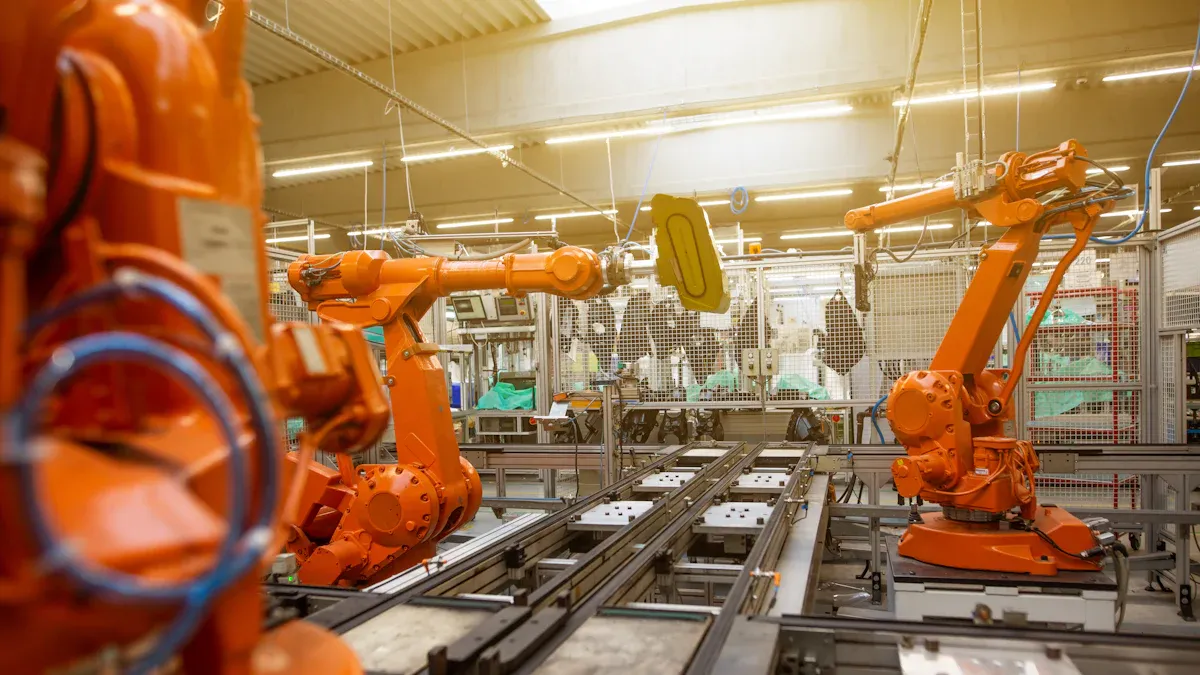
You want your pcb project to succeed. The right provider uses advanced technology and equipment to make this happen. Modern pcb assembly companies invest in automated production lines and high-tech machines. These tools help them build your boards faster and with better quality.
Many top providers use inspection equipment like Automated Optical Inspection (AOI) machines, X-ray systems, and electrical testing tools. These machines find defects early in the pcb assembly process. They check for problems using visual inspection, AOI, X-ray, In-Circuit Testing, and functional testing. This means your boards meet high quality standards before they leave the factory.
A skilled inspection team uses the latest technology to keep your pcb assembly process accurate and consistent. Providers also review inspection results often. This helps them improve their technical capabilities and deliver better results for your project.
Note: Companies like NOVA PCBA work with engineers from Fortune 500 companies. This gives your project strong technical capabilities and expert support at every step.
Long-term partnerships with trusted factories help providers keep quality high. You get reliable results for every pcb, from quick-turn prototypes to large production runs.
Scalability and Flexibility
Your project may start small, but you might need more boards later. The best pcb assembly companies offer rapid prototyping services and one-piece sampling. You can test your design with prototypes and then scale up when you are ready.
Providers with flexible systems handle both low-volume and high-volume orders. They work with experienced factories to expand production as your needs grow. You get a dedicated project manager who guides you through the pcb assembly process. This person helps you solve problems and keeps your project on track.
A one-stop service covers everything from sourcing parts to final assembly. This makes your project more responsive and adaptable. You save time and avoid mistakes because you work with one team from start to finish.
Tip: Choose a provider who can adjust quickly to changes. This helps you manage costs and keep quality high as your project grows.
Product Quality and Certifications
Quality Control
You want to make sure your PCB assembly meets the highest standards. Quality control processes play a key role in every step of production. You can evaluate quality by looking at how a provider manages inspection, testing, and record-keeping. Many companies use automated optical inspection (AOI) to check for defects quickly and accurately. AOI systems use cameras to spot missing parts, soldering errors, and misalignments. X-ray inspection finds hidden problems that you cannot see with your eyes.
Providers store inspection data in traceable databases. This helps you track defect images and statistics. You can use this information to improve production and reduce errors. Quality control processes also include electrical testing and visual checks. These steps help you catch issues like circuit faults or soldering problems before the boards leave the factory.
You should look for companies that use statistical process control (SPC). SPC tracks defect rates and first-pass yield. These quality metrics help you evaluate quality and see if the provider meets your standards. Some providers follow strict audit standards, such as SMT NADCAP AC7120. These audits check personnel skills, equipment care, and process discipline. They also require keeping records for over five years, which ensures traceability.
Tip: Ask your provider about their quality control processes and how they handle corrective actions. This shows their commitment to high quality and continuous improvement.
Certifications and Testing
Certifications show that a provider follows industry standards. The most common is ISO 9001 certification, which proves strong quality management. Some companies also have ISO 13485 for medical devices or IATF 16949 for automotive work. You can evaluate quality by checking which certifications a provider holds.
|
Evaluation Criteria |
Supplier A |
Supplier B |
Supplier C |
|---|---|---|---|
|
ISO 9001 |
ISO 9001 |
ISO 9001, ISO 13485 |
Testing options matter for product quality. Providers use in-circuit testing (ICT) to check if each board works as designed. ICT uses custom fixtures and routines to test every part of the board. Other testing options include flying probe testing, thermal cycling, damp heat, and salt spray tests. These methods check how your boards perform under stress, heat, and humidity.
Testing and inspection steps include AOI, X-ray, and end-of-line checks by IPC-certified inspectors. These quality control processes make sure you get high quality boards. Adequate quality testing gives you confidence that your product will last in real-world conditions.
Note: Always ask about testing options and certifications before you choose a provider. This helps you make sure your project meets all safety and reliability standards.
Compare Cost and Support
Turnaround and Supply Chain
You want your project to move quickly from design to finished product. Turnaround time is a key factor when you choose low cost pcb assembly services. Most standard PCB turnaround times range from two to eight weeks. Some providers offer quick-turn options, delivering simple boards in as little as 24 hours. Fast turnaround helps you meet tight deadlines and keeps your supply chain running smoothly.
Efficient supply chains depend on good inventory control and flexible production. Local manufacturers can offer faster shipping and easier communication, which is helpful for urgent prototypes. Overseas providers often deliver lower costs and competitive 24-hour production, but shipping may take longer. You should look for low cost pcb assembly services that balance speed, quality, and communication. Quick turnaround and strong supply chain management help you avoid delays and keep your project on track.
Tip: Ask about process optimization, inventory management, and how providers handle urgent orders. These factors can make a big difference in your project’s turnaround.
Cost Structure
Understanding the cost structure of low cost pcb assembly services helps you plan your budget. You should compare detailed quotes from different vendors. Look for transparent pricing and clear breakdowns of costs. Factors like board complexity, component types, and order quantity all affect the final price. Automated assembly and efficient workflows can lower labor costs and improve consistency.
You can use PCB assembly cost calculators to estimate your expenses, but always check with vendors for detailed quotes. Many companies offer volume discounts if you consolidate orders. Design for manufacturability and standardized components also help reduce costs. Financial models show that assembly can make up 30% to 60% of your total product cost. Choosing low cost pcb assembly services with proven efficiency and quality ensures you get the best value.
|
Cost Factor |
Impact on Price |
|---|---|
|
Board Complexity |
Higher complexity = higher cost |
|
Component Selection |
Standard parts = lower cost |
|
Order Volume |
Larger orders = discounts |
|
Turnaround Speed |
Faster = may cost more |
Customer Service
Strong customer support makes your experience smoother and more successful. Good customer support includes clear installation instructions, repair help, and after-sale service. Providers who respond quickly and solve problems help you avoid costly delays. High-quality customer support leads to better satisfaction and long-term partnerships.
Studies show that customer support, fast distribution, and product quality all increase customer satisfaction. Satisfied customers are more likely to return and recommend the service. When you choose low cost pcb assembly services, make sure they offer reliable customer support at every stage. This support helps you solve issues, improve your design, and keep your project moving forward.
Note: Customer support is not just about answering questions. It is about building trust and making sure your project succeeds from start to finish.
You can find the best service for your project by following a clear process. Start by matching your needs with provider capabilities. Balance quality, cost, and support for the best results. Look for these signs of success:
-
Certifications like ISO 9001 and strong quality control
-
Reliable testing and inspection routines
-
Responsive customer support and clear communication
-
Flexible assembly options that fit your project scale
Request quotes, ask for samples, or talk with experts. Turnkey solutions and direct contact help your project succeed.
FAQ
What is turnkey PCB assembly?
Turnkey PCB assembly means the provider handles everything for you. They buy parts, make the boards, and assemble them. You do not need to manage different suppliers. This service saves you time and helps you avoid mistakes.
How do you check a PCB assembly company’s quality?
You can check quality by looking for certifications like ISO 9001. Ask about their testing methods, such as AOI or X-ray inspection. Good companies share their quality control process and show you test reports.
Can you order just one prototype PCB?
Yes, many PCB assembly services let you order a single prototype. This helps you test your design before making more boards. You can fix problems early and save money.
What affects the cost of PCB assembly?
Several things change the price. Board size, number of layers, and type of parts matter. Fast turnaround and special testing can also raise costs. You can ask for a detailed quote to see each cost.