Integrated Circuit: From Basic Components to Complex Systems-on-Chip
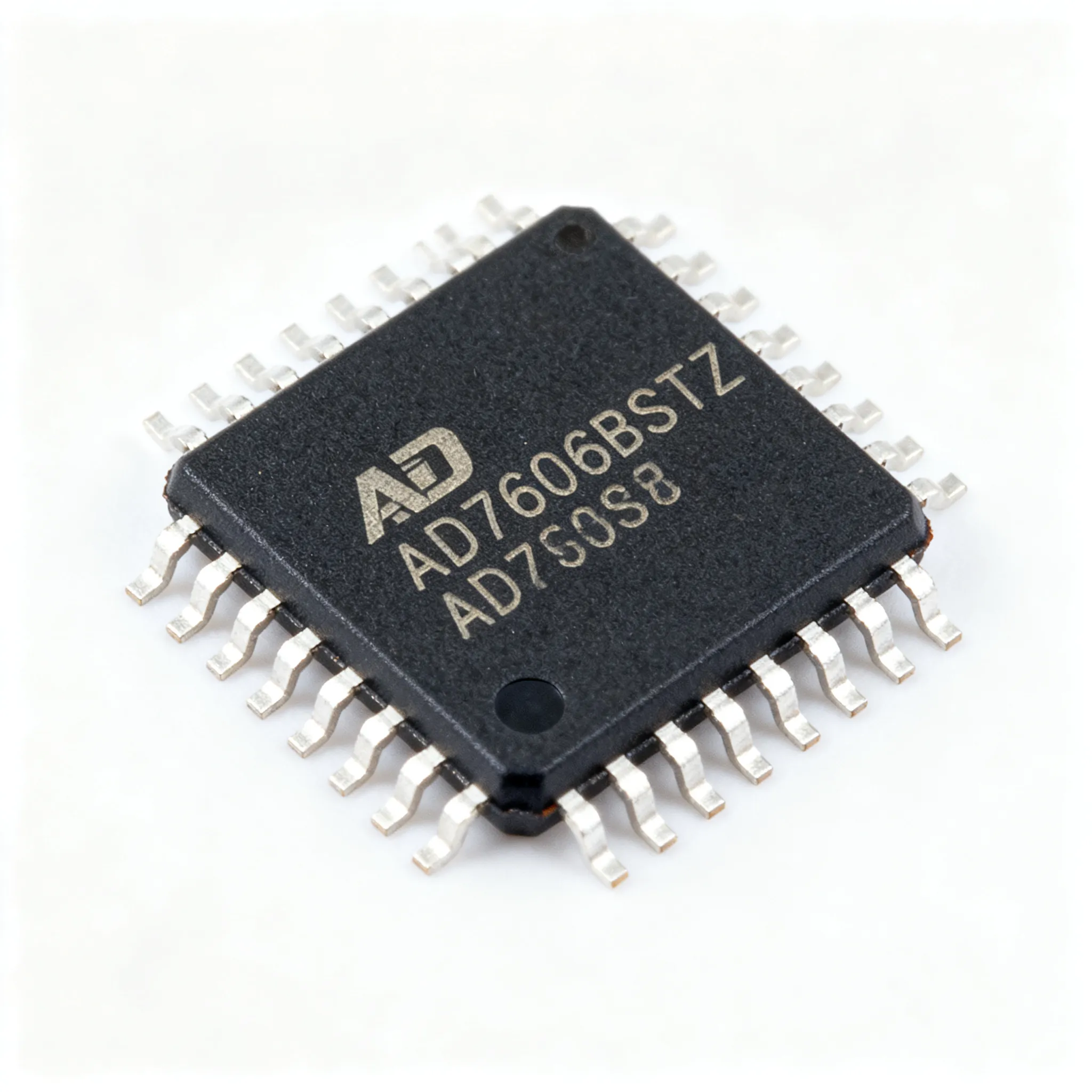
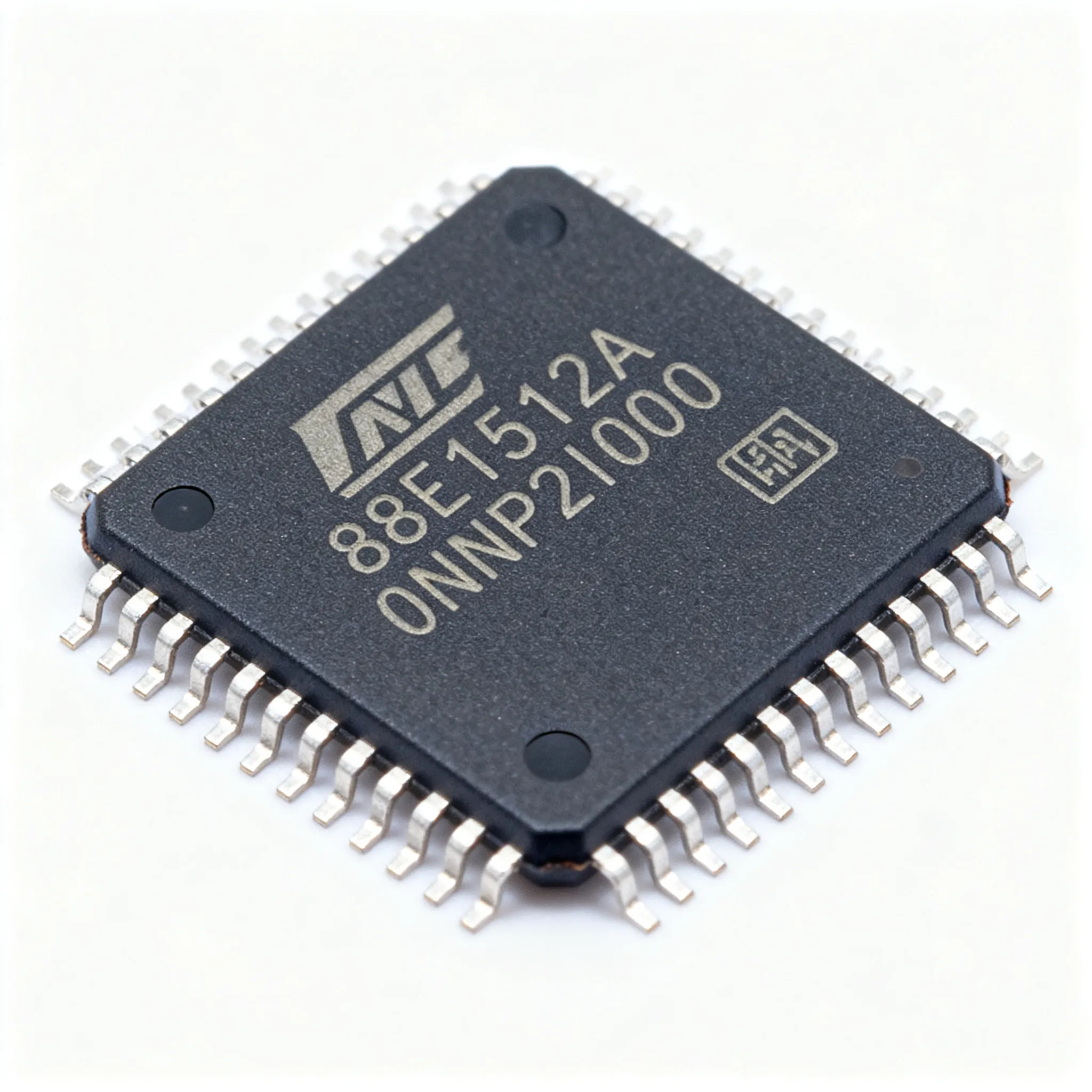
An integrated circuit, or IC, is the base of modern electronics. Engineers put transistors, resistors, and capacitors together on one chip. This makes circuits small and dependable. ICs help devices become smaller, quicker, and use less energy.
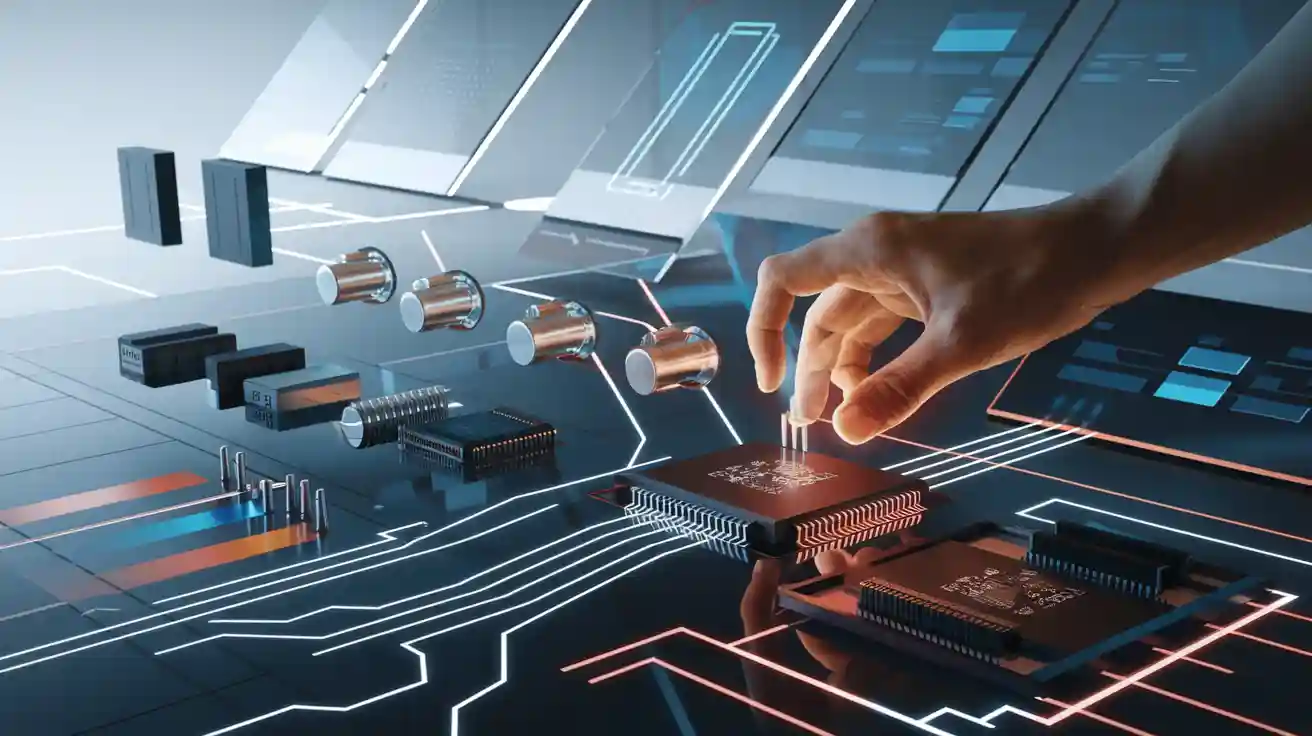
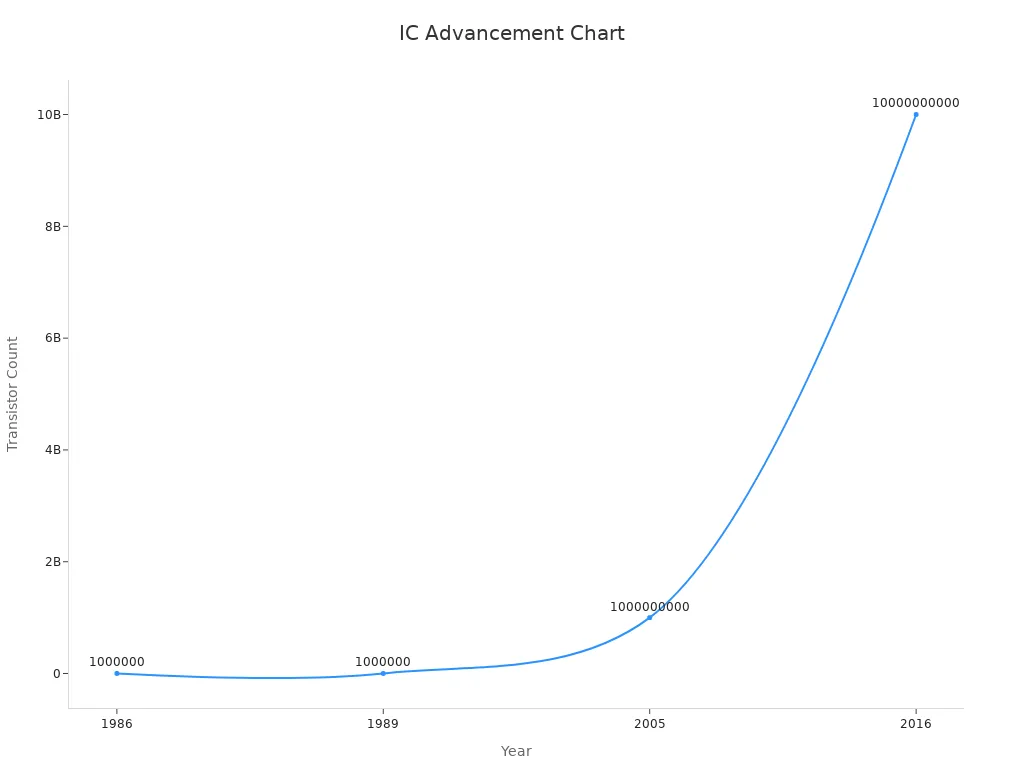
An integrated circuit, or IC, is the base of modern electronics. Engineers put transistors, resistors, and capacitors together on one chip. This makes circuits small and dependable. ICs help devices become smaller, quicker, and use less energy. The Intel 4004 chip was important because it had thousands of transistors. Today’s chips have billions of transistors.
-
Large-scale and very-large-scale integration let ICs run smartphones, medical tools, and machines in factories.
ICs are better because they work well and let us make complex systems in small spaces.
Key Takeaways
-
Integrated circuits put many small parts on one chip. This makes devices smaller. It also makes them faster and more reliable.
-
Important parts like transistors, resistors, and capacitors work together. They help control electricity and signals inside the chips.
-
There are different types of ICs. Some are analog, digital, mixed-signal, or programmable. These chips can be used in many ways.
-
New designs like system-on-chip and 3D stacking add more functions in less space. This helps devices work better and use less energy.
-
ICs are used in everyday electronics. They are also important in medicine and industry. ICs help make new and smarter technology.
Integrated Circuit Overview
What Is an Integrated Circuit?
An integrated circuit is a very small device. It puts many parts together on one chip. Engineers use a special material called silicon as the base. They build transistors, resistors, and capacitors right on this base. Photolithography is a process that prints all the parts at once. This makes the chip small, quick, and dependable.
Integrated circuits can do many jobs. Some chips handle logic. Others work with analog signals. Some chips store memory. Each chip is made for a certain job. The structure of an integrated circuit has layers that link the parts. Isolation methods like p-n junctions and dielectric barriers keep parts apart. This stops them from bothering each other. Designers must think about power, heat, and how parts are placed. This helps the chip work well and last longer.
Making ic manufacturing better means chips now hold billions of parts. Microchips are in computers, cars, and more. Integrated circuits have changed the world. They make electronics smaller and stronger.
Growth and Miniaturization in Integrated Circuits
|
Statistic / Milestone |
Description |
|---|---|
|
Moore's Law (1965) |
Transistor count on ICs doubles about every 18 months. |
|
MOSFET Feature Size (2004) |
Shrunk to 130 nanometers, with even smaller sizes today. |
|
Digital IC Market Size (2024) |
|
|
Digital IC Market Forecast (2037) |
USD 554.17 billion, with a CAGR of 9.2%. |
|
Number of Smartphones Worldwide (2024) |
About 7.2 billion, showing how common microchips have become. |
Key Components in ICs
Integrated circuits have several main parts. Each part has a special job.
-
Transistors: These work like tiny switches. They control electricity and are key for digital circuits.
-
Resistors: These slow down the current in a circuit. They help control voltage and keep other parts safe.
-
Capacitors: These hold and release electrical energy. They help smooth out voltage and keep timing right.
-
Diodes: These let current go only one way. They protect circuits and help change signals.
-
Inductors: These store energy in a magnetic field. They are not used much in ICs but are in some designs.
Engineers must make sure chips are reliable. They check how long a chip works before it fails. This is called Mean Time Between Failures (MTBF). Heat, humidity, and electrical stress can make chips wear out faster. Designers use special layouts and pick good parts. They test chips to make sure they last. Burn-in tests help find weak chips before they are sold.
Good chip making, like careful layout and testing, helps integrated circuits stay strong in many places.
IC Fabrication and Materials
Chip making starts with a pure wafer, usually silicon. Engineers use photolithography to make patterns for each layer. This builds the transistors, resistors, and other parts. Each layer connects with tiny metal lines.
The materials in integrated circuits have changed over time. Early chips used germanium and silicon. Newer chips use materials like gallium arsenide for better speed. The material picked changes how fast and efficient the chip is.
The steps in ic manufacturing are design, making, and packaging. After building the chip, engineers put it in a case. This case keeps the microchip safe and lets it connect to other things. New packaging, like 2.5D and 3D stacking, fits more parts in a small space.
Better chip making lets billions of parts fit on one microchip. This makes modern electronics possible.
Types of Integrated Circuits
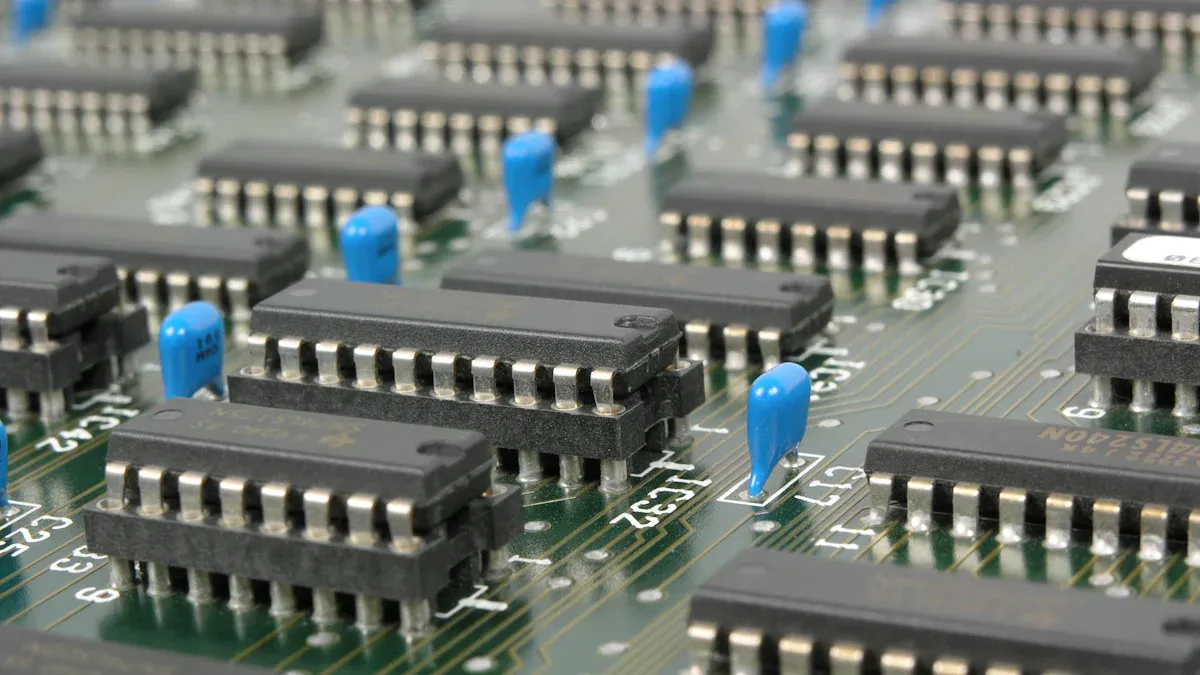
Integrated circuits have many kinds. Each kind helps engineers make different devices. Every type has its own special features and strengths.
Analog ICs
Analog ICs work with signals that change smoothly. These signals can be things like sound or temperature. Cars and factories use these chips a lot. They help with sensors and power management. More battery-powered and smart devices mean more analog ICs are needed. Engineers use math to make analog ICs better. New modeling helps them guess how making changes affects chip quality. This makes analog ICs work better and last longer. These chips are used for power and making signals stronger.
Digital ICs
Digital ICs use signals that are only on or off. These chips are in computers and smartphones. They are in many other electronics too. Digital ICs are the most common because they handle data and memory. Microprocessors are a kind of digital IC. They are fast and save energy. New designs can make digital ICs even faster. For example, mixed-signal designs can make chips quicker and use less energy. Memory ICs, like RAM and flash, store digital data.
|
Metric |
FCU |
BCU |
Mixed-Signal Design |
|---|---|---|---|
|
Accuracy (%) |
86.5 |
88.0 |
- |
|
15 |
12 |
0.75 |
|
|
Power Efficiency |
18.5 |
20.0 |
213 TOPS/W |
Mixed-Signal ICs
Mixed-signal ICs have both analog and digital parts. They can handle real-world signals and digital data. Phones, cars, and medical devices use these chips. Mixed-signal ICs help make devices smaller and better. Engineers use tools to fix noise and keep parts separate. For example, audio systems use special ground planes and shields. This keeps signals clear. Mixed-signal ICs are important for 5G, IoT, and cars.
-
Mixed-signal ICs use both analog and digital parts.
-
They help with data converters, microcontrollers, and system-on-chip designs.
Programmable ICs
Programmable ICs let engineers change how the chip works. This can happen after the chip is made. These chips include complex programmable logic devices and field-programmable gate arrays. Programmable ICs are flexible and can be used in many ways. They are used in factories and medical devices. Engineers can change these chips with lasers or special tools. This helps them fit new needs. Programmable ICs are also used in new fields like integrated photonics. These chips can be reprogrammed for telecom or sensing. Programmable ICs are good for fast-changing technology.
Application-specific integrated circuits do one job. Programmable ICs can do many jobs.
IC Design and Packaging
IC Design Basics
IC design begins with a lot of planning. Engineers use transistor structures like MOSFETs. These are now very tiny, down to 65 nanometers. This small size lets millions fit on one chip. Designers use logic gates and Boolean logic to make digital circuits. They follow steps to avoid making mistakes. Before making the layout, they finish the system design. This helps stop errors later. Feasibility studies check if the project can meet time and cost goals. Designers try to balance performance, cost, and effort. Using regular layouts and modular parts makes things easier. When the whole system is on one chip, it uses less power and works faster. Precision and cleanliness are important because small defects can ruin a chip. For low-power things like wearable sensors, designers use special circuits. These save energy and lower noise.
Good ic design gives high performance and fewer mistakes. Careful planning and testing help chips work well in many devices.
IC Packaging Types
After making the ic, engineers need to protect it. Packaging keeps the chip safe and connects it to other parts. There are many kinds of packaging. Some common ones are:
-
Hermetic packaging: Uses strong materials to keep out air and water. This is used in sensors, LiDAR for cars, and medical devices.
-
System-in-Package (SiP): Puts several chips in one package. This saves space and adds more features.
-
Wafer-level packaging (WLP): Builds the package while the ic is still on the wafer. This makes the process faster and cheaper.
-
Ball Grid Array (BGA): Uses small balls of solder to connect the chip to a board. This type handles many connections and works well for fast chips.
-
3D packaging: Stacks chips on top of each other. This saves space and makes things faster.
Big companies like Samsung and Intel use these methods. New packaging helps with heat, signal speed, and reliability. Automatic systems can now find packaging materials with high accuracy. This makes testing and repairs easier.
Integration and Miniaturization
ICs have changed a lot over the years. Early chips could only hold a few parts. Now, they can hold billions. The table below shows how integration has grown:
|
Decade |
Integration Scale |
Number of Components on a Chip |
|---|---|---|
|
1960s |
SSI, MSI |
Tens to hundreds |
|
1970s |
LSI, VLSI |
Thousands to millions |
|
1980s-1990s |
ULSI |
Millions to billions |
Moore’s Law says the number of transistors on a chip doubles every two years. This means ic devices get smaller, faster, and use less power. 3D stacking and new materials help meet the needs of wearables and smart cars. Miniaturization lets engineers put more features into tiny spaces. This makes modern electronics possible.
System on a Chip and Advanced ICs
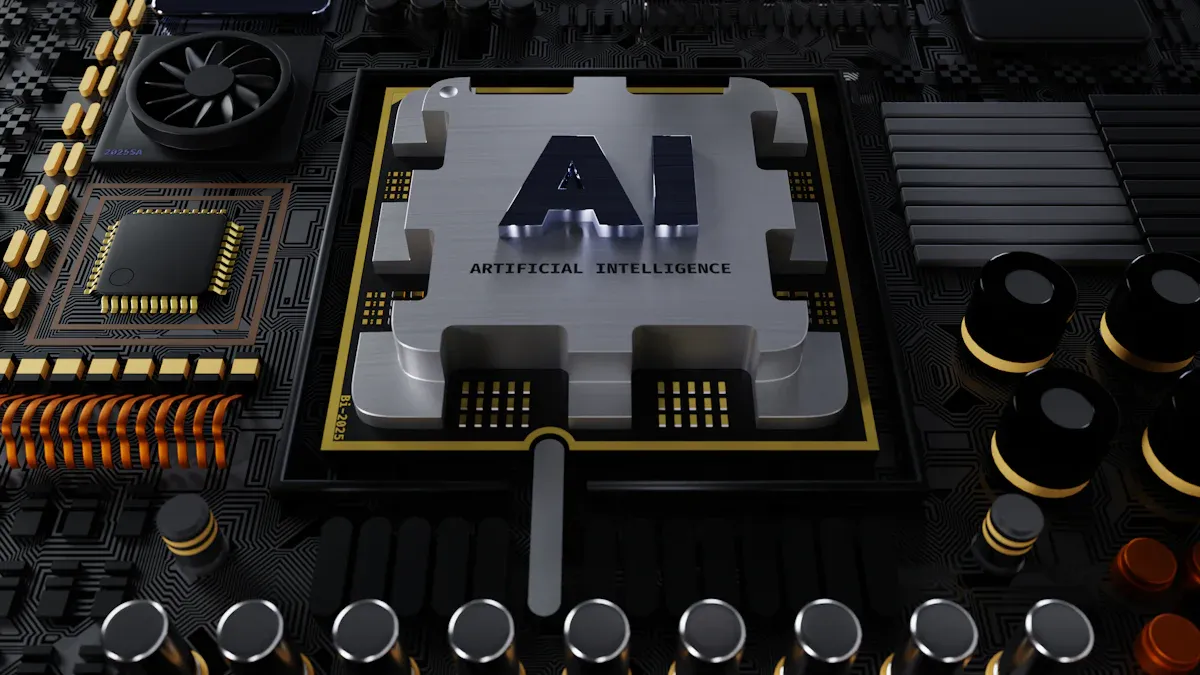
What Is a System on a Chip?
A system on a chip, or SoC, puts many computer parts on one chip. This chip can have a cpu, memory, controls for input and output, and wireless modules. SoCs help things like smartphones and tablets work faster and use less power. When everything is on one chip, it saves space and lowers the cost to make each device. SoCs also make devices more reliable because there are fewer parts to break. These chips use less energy and do not get as hot, which is good for portable electronics. SoCs often have special blocks for things like graphics or security, so they can do many jobs.
-
SoCs put many processor cores and important parts on one chip.
-
They use less power and need less space than systems with many chips.
-
SoCs are made to stay cool and work well, so devices last longer.
SoC vs Traditional ICs
SoCs and traditional integrated circuits are different. Traditional ICs usually do one job, like being a cpu or handling memory. SoCs do many things at once, so devices run faster and use less energy. The way ics are used in microprocessors has changed because SoCs are now common. SoCs use new technology, like silicon-on-insulator, to save power and go faster. This helps them run hard programs and move lots of data. SoCs also help companies make products faster and cheaper by reusing designs and parts.
|
Performance Metric |
SoC Characteristics |
Traditional IC Characteristics |
|---|---|---|
|
Integration Scale |
Very-large-scale, millions to billions of transistors |
Small to large-scale, fewer transistors |
|
Functionality |
Combines cpu, memory, I/O, and more on one chip |
Handles one or a few tasks |
|
Power Consumption |
Lower due to integration and new tech |
Higher due to separate chips |
|
Data Transfer Speed |
Faster, thanks to close connections |
Slower, because of longer wiring |
|
Application Suitability |
Great for complex, high-performance systems |
Good for simple, standard systems |
2.5D and 3D ICs
Engineers have new ways to make chips stronger. 2.5D and 3D integrated circuit technologies stack chips or put them side by side with special links. In 2.5D ICs, a silicon interposer connects different chips, so data moves faster and uses less power. 3D ICs stack chips on top of each other and connect them with tiny wires called through-silicon vias. This makes signals travel a shorter distance, which makes things faster and saves energy. Companies can now stack hundreds of memory layers in one package, so devices are smaller and stronger. The market for these new systems is growing, especially in Asia, where companies lead in chip design. Car makers and tech companies want these chips for electric cars and smart machines because they are strong and handle heat well.
2.5D and 3D ICs let engineers put more features in less space, helping build the next smart systems.
Applications and Trends
ICs in Consumer Electronics
Integrated circuits are inside many things we use daily. Phones, tablets, and wearables need these chips to work fast and save battery. Companies like Analog Devices and NXP Semiconductors work hard to make chips smaller and better. Asia-Pacific is the top place for making electronics, so this area grows quickly. In 2023, consumer electronics made up 38% of analog semiconductor sales. ICs help with sound, power, and smart features in these gadgets. Power management chips can cut energy waste by 30%. This helps devices last longer and work better. More IoT and AI means we need even better chips. These changes show how much we need ICs in our lives.
|
Device Type |
IC Functionality |
Performance Impact |
|---|---|---|
|
Smartphones |
Audio, power, connectivity |
Better efficiency, longer battery |
|
Tablets |
Display, processing, sensors |
Faster response, more features |
|
Wearables |
Health tracking, wireless |
Compact size, energy savings |
ICs in Industry and Medicine
Integrated circuits are very important in factories and hospitals. In medicine, IC devices help doctors watch patients all the time. The MEDBIZ platform uses ICs to collect and send health data for better care. One study checked ECG signals in 2,000 hikers. It found 15.9% had problems, so they got help quickly. Another use connects exercise apps to medical sensors. This helps people with diabetes get stronger muscles. These examples show how ICs help doctors find and treat problems. In factories, ICs control machines, check sensors, and keep things safe. ICs also help hospitals and factories share data fast and safely.
Recent Trends in IC Technology
New trends in IC technology are changing electronics. The market for 3D and 2.5D ICs will grow from $62.1 billion in 2025 to $111.3 billion by 2032. These new chips stack parts to save space and work faster. Photonic integrated circuits are also growing, with the market going over $54 billion by 2035. AI design tools help engineers make better chips by picking the best layout. People want smaller and better chips as cloud computing and smart devices become more popular. These new trends show that ICs keep getting better and help in many new ways.
Integrated circuits have made big changes in our lives and technology. At first, they used only simple parts. Now, they can be complex systems-on-chip.
-
People used to do math by hand or with simple tools. Then, microprocessors made computers much faster.
-
Integrated circuits put whole circuits on one chip. This helped fix problems as things got bigger.
-
Making things smaller made computers quicker, smaller, and more dependable.
|
Metric |
Numerical Data |
Description |
|---|---|---|
|
Every 2 years |
Moore's law trend |
|
|
Transistor size reduction |
10 microns (1970s) → 10 nanometers (2017) |
Higher density |
|
Transistor count progression |
100,000s (1980s) → 10+ billion (2016) |
Growth in integration |
IC design keeps getting better and brings new ideas. Students and anyone interested can learn about electronics. They can see how these small chips change the world.
FAQ
What is the main job of an integrated circuit?
An integrated circuit helps control electricity in a device. It lets the device handle information, save data, or work with signals. Engineers use ICs to make electronics faster and better.
Why do engineers use silicon for most ICs?
Silicon is good because it can take high heat and controls electricity well. It is also easy to get and does not cost much.
How do ICs help make devices smaller?
-
ICs put lots of parts onto one chip.
-
This means circuits need less space.
-
Devices get lighter and are easier to move.
Can one IC do more than one job?
|
IC Type |
Example Jobs |
|---|---|
|
System-on-Chip |
Processing, memory, control |
|
Mixed-Signal IC |
Data conversion, signal work |
Some ICs can do many things at the same time. This lets devices have more features without needing more chips.