Integrated Circuits: Fundamental Components in Modern Electronics and Their Applications
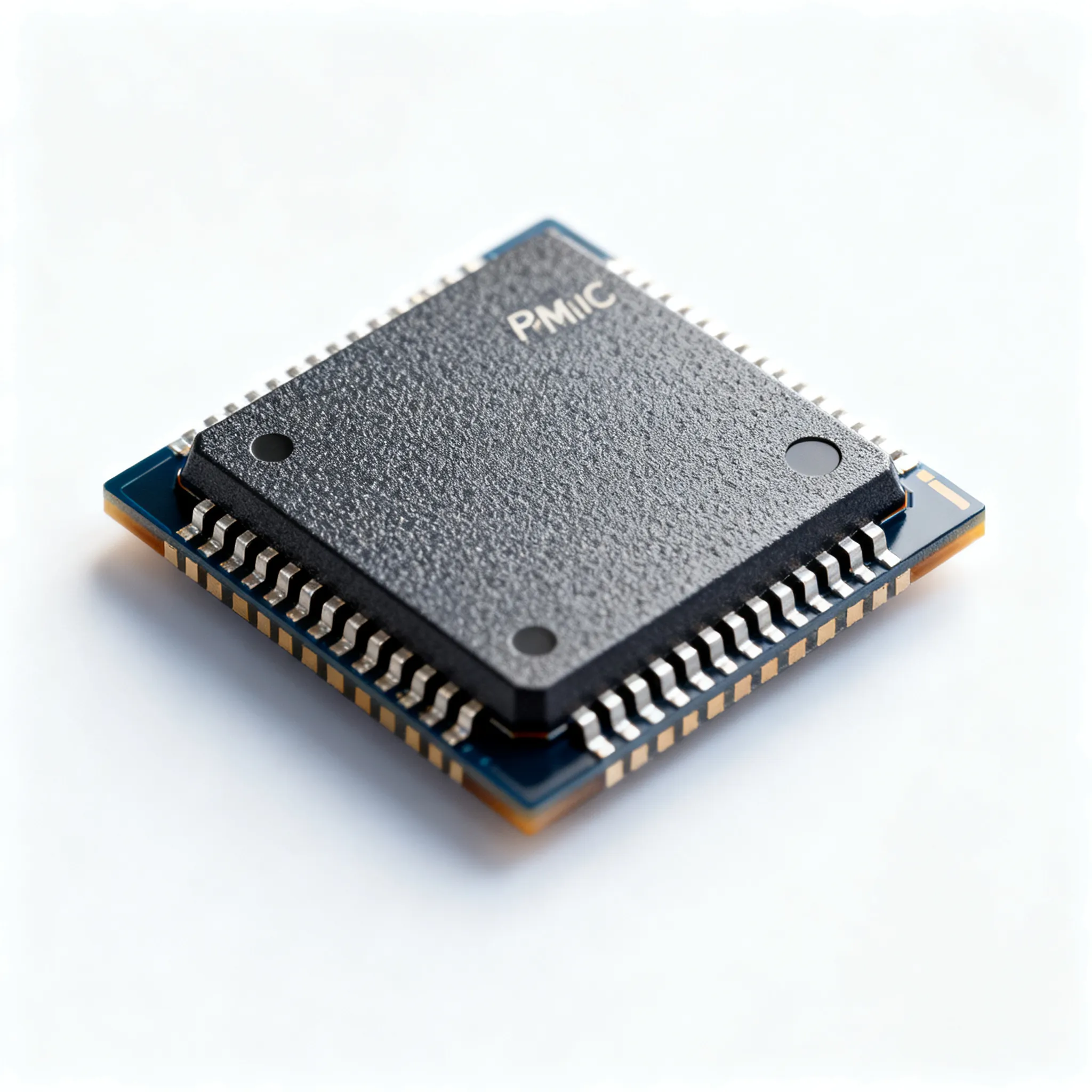
Integrated circuits are key parts of modern electronics. They have changed how devices work and connect. These small chips hold many parts, like transistors and resistors, in one unit. This makes devices smaller and work better. They do more than save space; they also improve how devices perform, from phones to factory machines.
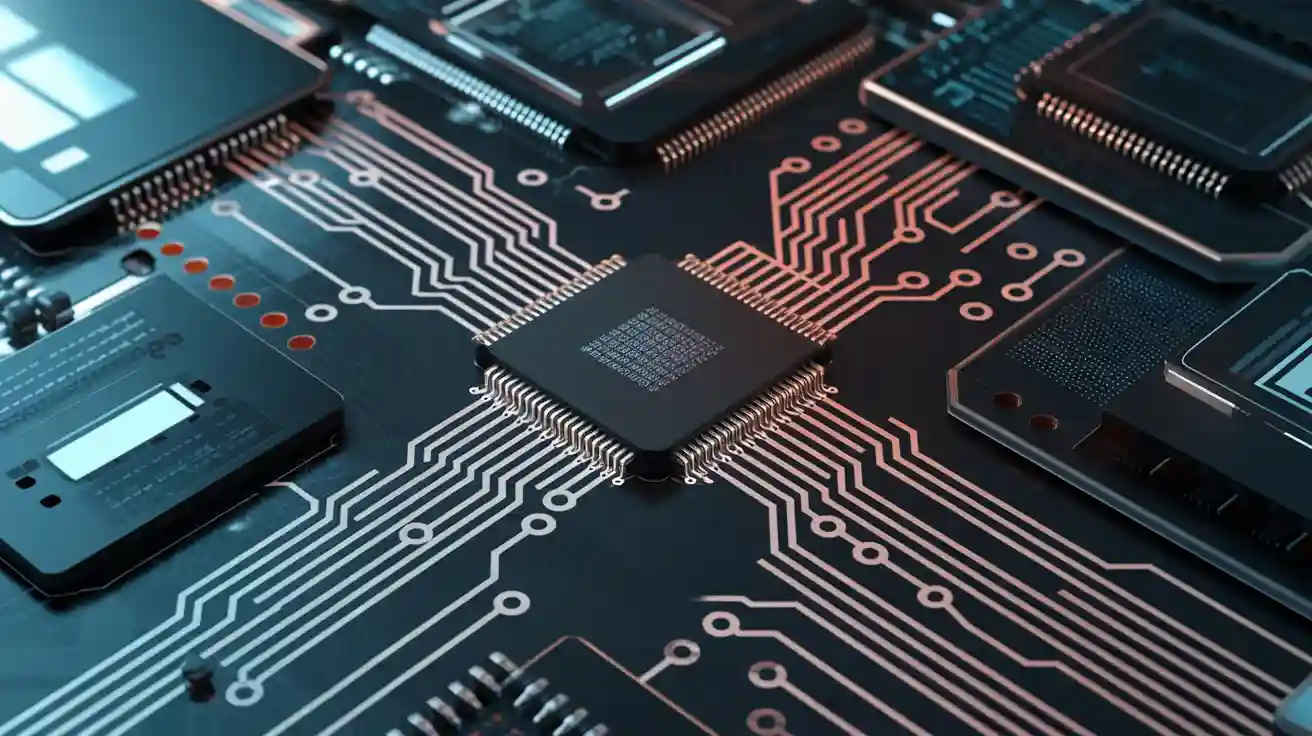
Integrated circuits are key parts of modern electronics. They have changed how devices work and connect. These small chips hold many parts, like transistors and resistors, in one unit. This makes devices smaller and work better. They do more than save space; they also improve how devices perform, from phones to factory machines.
-
The global market for integrated circuits was worth $439.8 billion in 2023. It might grow to $875.6 billion by 2032 because more people need them.
-
Newer integrated circuits help make devices even smaller. For example, markets like Integrated Passive Devices could double in size by 2032.
These improvements make integrated circuits a big part of the technology you use every day.
Key Takeaways
-
Integrated circuits (ICs) are key parts of modern electronics.
-
They help make devices smaller, faster, and use less energy.
-
The IC market is growing fast and may reach $875.6 billion by 2032.
-
ICs save power and cut costs, perfect for smart and portable devices.
-
There are different IC types like digital, analog, and mixed-signal.
-
Each type has a job to improve how devices work.
-
ICs are important in many fields, like cars and home gadgets.
-
They help create new ideas and make technology better.
Understanding Integrated Circuits
What Is an Integrated Circuit?
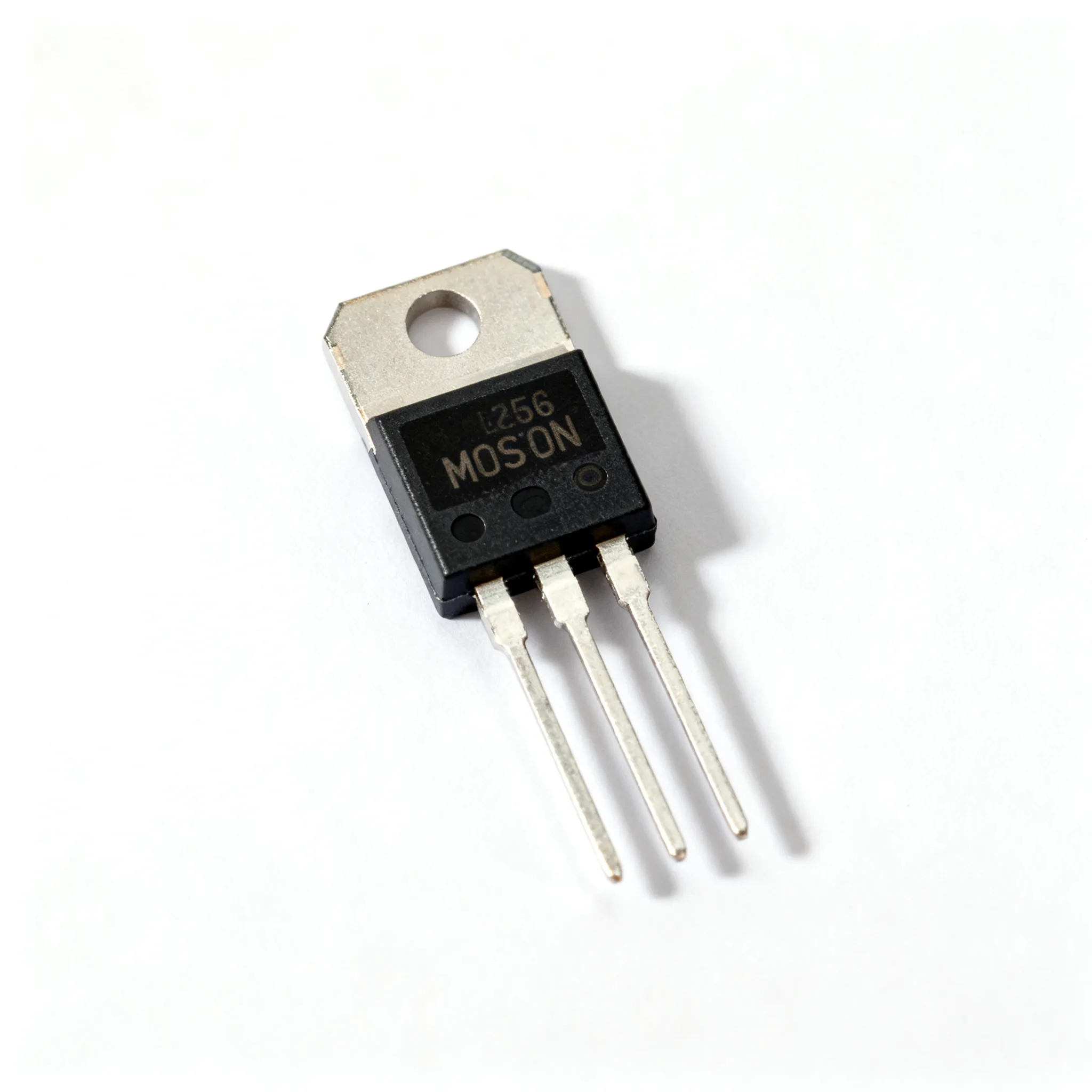
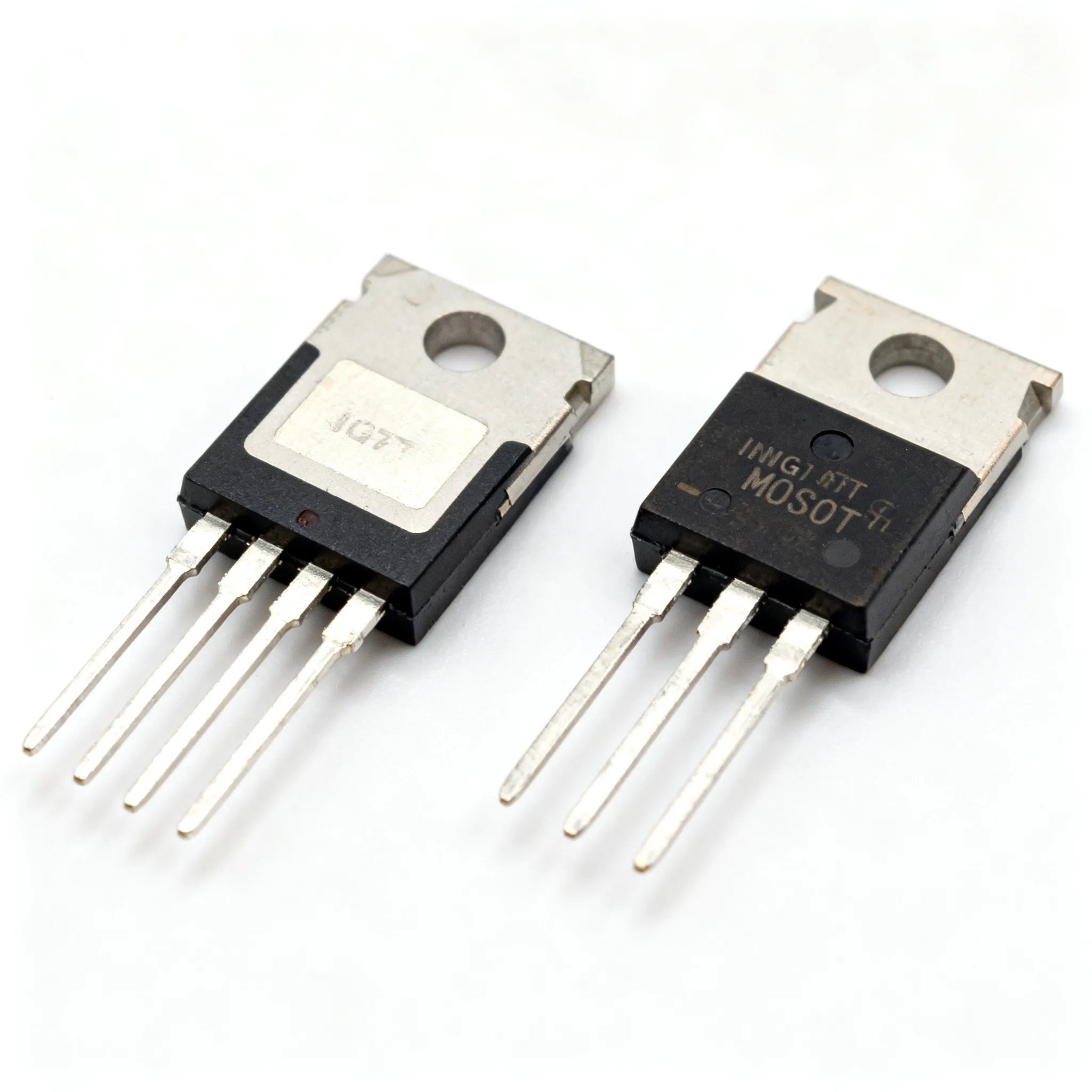
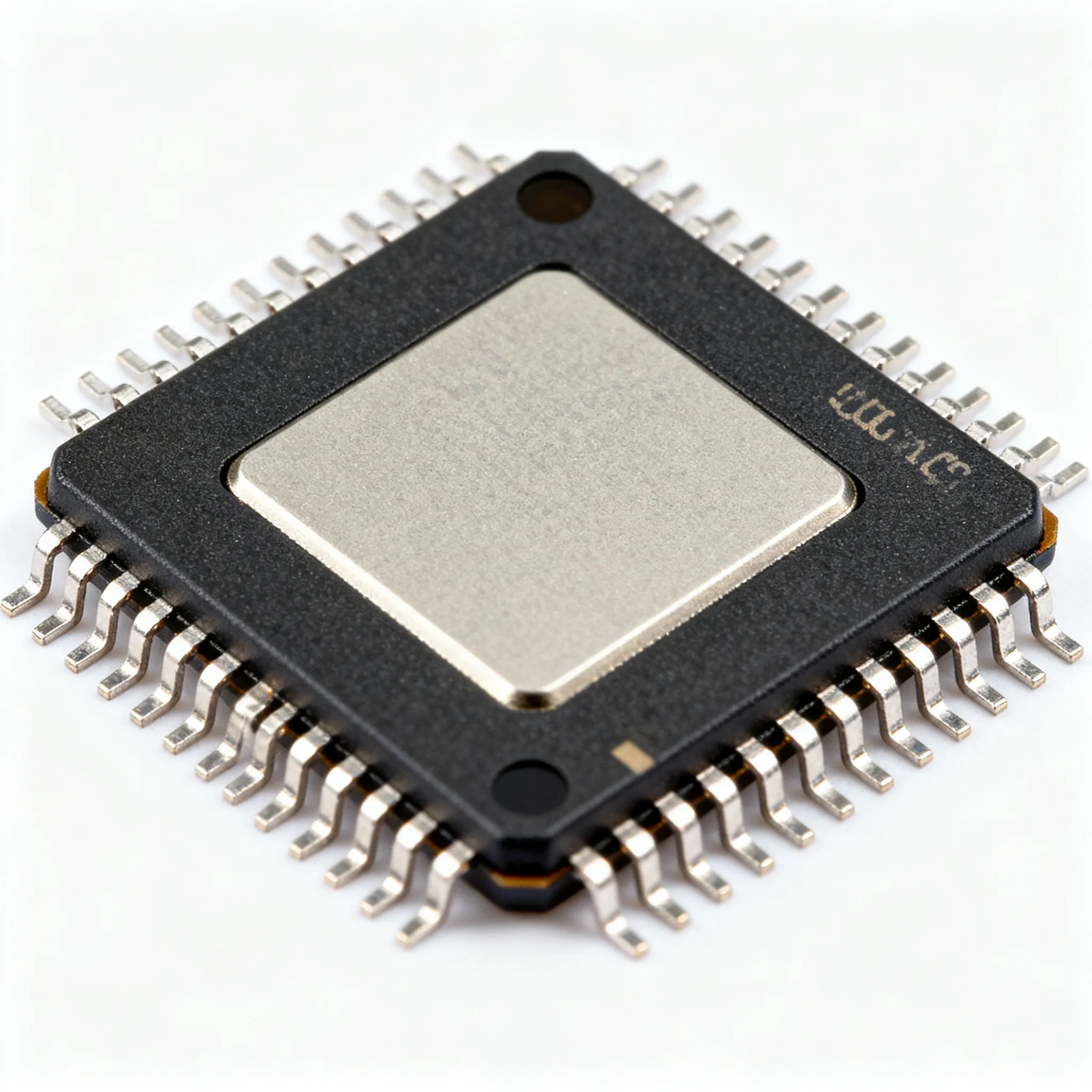
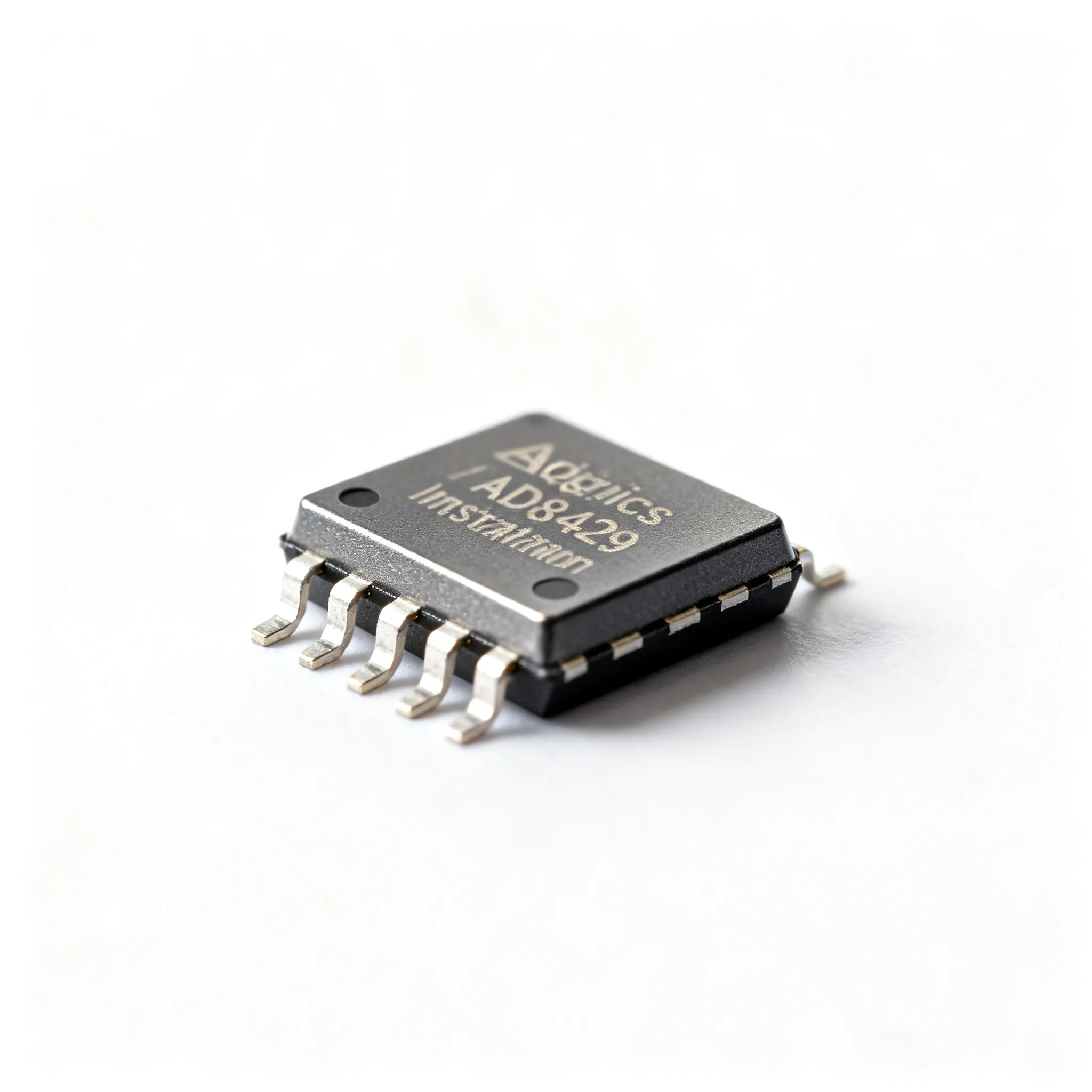
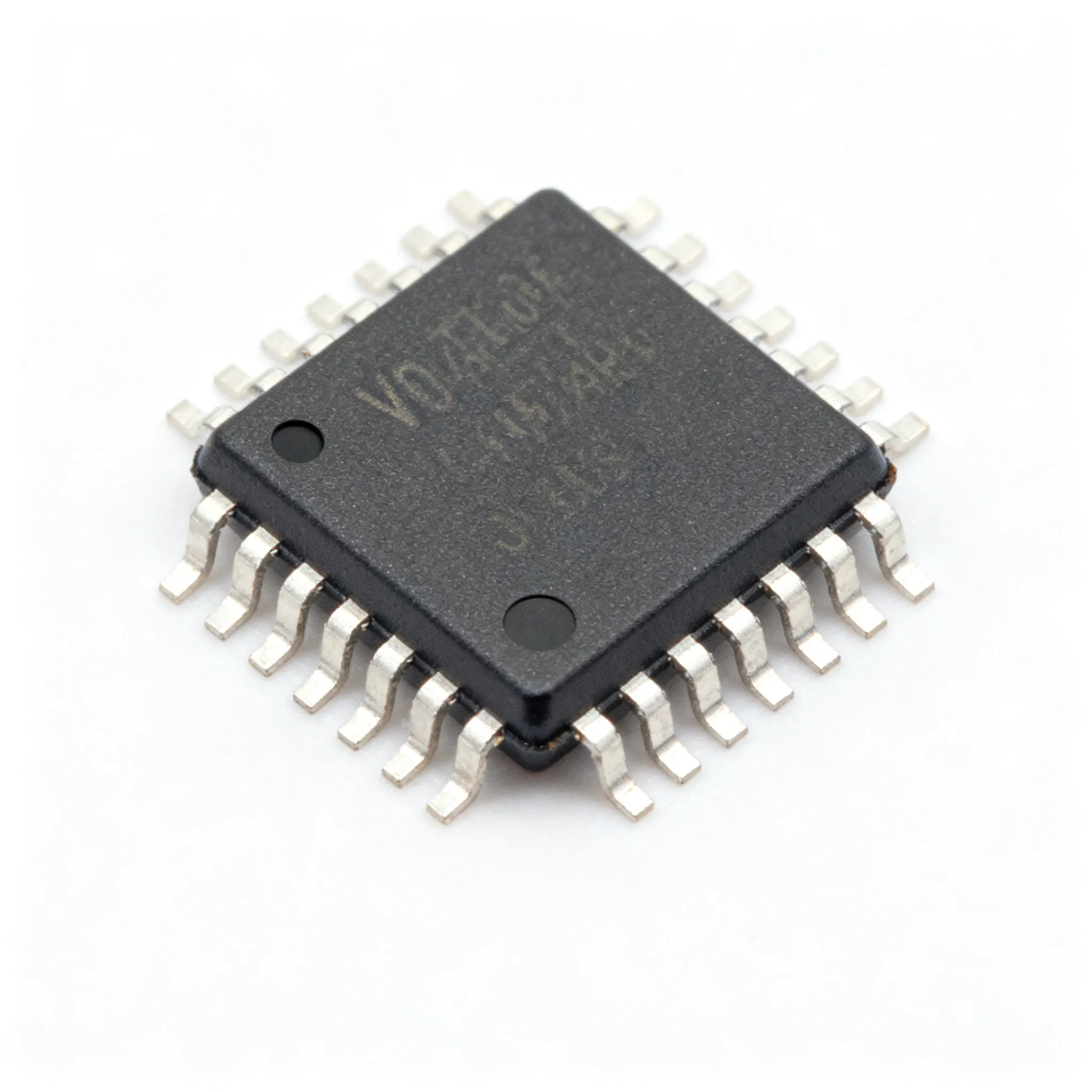
An integrated circuit (IC) is a tiny electronic chip. It combines parts like transistors, diodes, resistors, and capacitors on one silicon base. These parts work together to do tasks like boosting signals, handling data, or saving information. Unlike old vacuum tubes, ICs are small, dependable, and use less energy.
For over 30 years, integrated circuits have changed electronics greatly. But, CMOS (Complementary Metal-Oxide-Semiconductor) technology has been around even longer.
The progress of ICs can be seen in their materials and uses:
|
Generation |
Semiconductor Materials |
Key Innovations and Applications |
|---|---|---|
|
First |
Germanium (Ge), Silicon (Si) |
Used in military tools, basic logic tasks |
|
Second |
Gallium Arsenide (GaAs), Indium Phosphide (InP) |
Helped in communication and radio frequency tech |
|
Third |
Silicon Carbide (SiC), Gallium Nitride (GaN) |
Improved power systems and high-speed uses |
Today, ICs are the heart of modern gadgets, powering phones and factory machines.
How Integrated Circuits Work
Integrated circuits work by linking their parts to do specific jobs. For instance, in a microchip, transistors act like tiny switches for electric signals. Resistors and capacitors control voltage and current, while diodes guide electricity in the right way.
ICs rely on exact measurements for their tasks:
|
Measurement Type |
Description |
|---|---|
|
Gain-Bandwidth Product |
Keeps devices stable, like in operational amplifiers (op-amps). |
|
Noise Performance |
Reduces unwanted noise to keep signals clear. |
|
Accuracy and Linearity |
Ensures steady performance, important for control systems. |
|
Power Consumption |
Checks energy use, key for battery devices and heat control. |
|
Package Type and Thermal Management |
Helps design chips that handle heat well and work efficiently. |
For example, the Intel 4004 chip from 1970 had about 1,000 transistors. By 2022, the Apple M1 Ultra had 114 billion transistors. This growth follows Moore's Law, which says transistor numbers double every two years.
Benefits of Using Integrated Circuits
Integrated circuits have many advantages that make them essential today.
-
Compact Size: ICs pack many parts into one chip, making devices smaller. This has led to portable gadgets like smartphones and tablets.
-
Cost Efficiency: Better manufacturing has made ICs cheaper. Shrinking chip features increases transistor numbers and lowers costs.
-
Energy Savings: Modern ICs use less power. Designs with lower voltages and less switching save energy, especially in battery devices.
-
High Performance: ICs are faster and more reliable than older tech. For example, the Memory Integrated Circuits market is growing due to demand for high-speed, high-capacity solutions.
These benefits make ICs popular in many industries. From home gadgets to cars, ICs are shaping the future of technology.
Components of an Integrated Circuit
Transistors
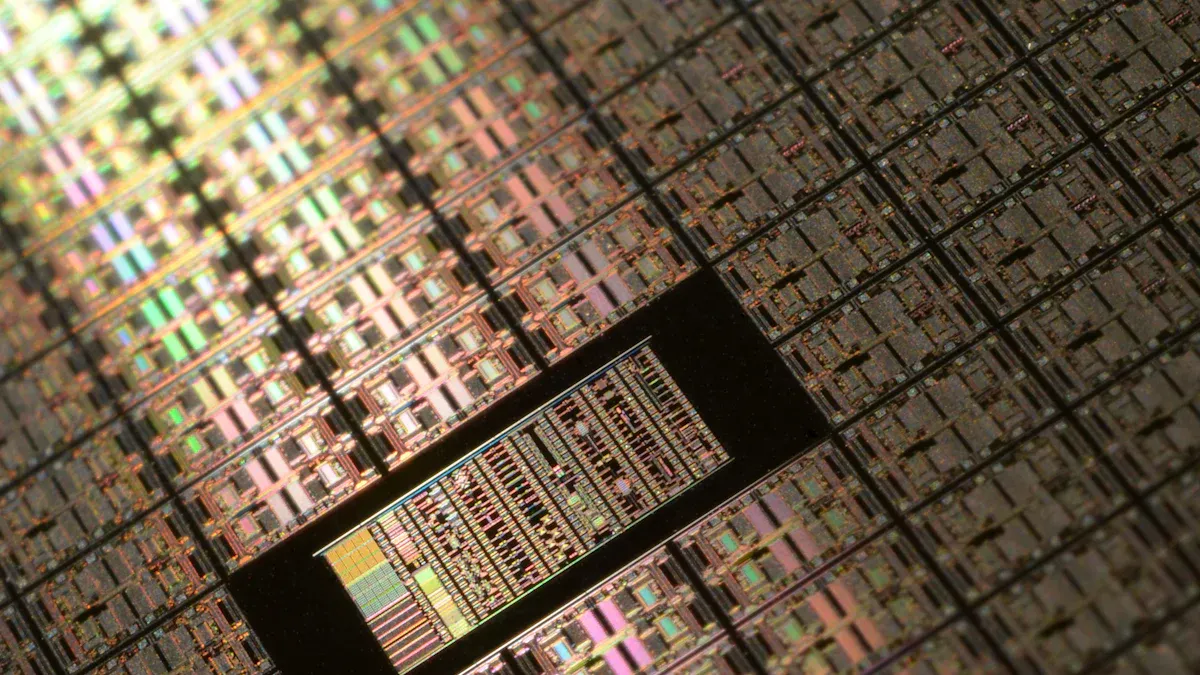
Transistors are key parts of integrated circuits. They work like tiny switches, controlling electric signals. In digital circuits, they turn on and off to show binary data. In analog circuits, they make signals stronger and clearer. Modern transistors use advanced materials for better performance and dependability.
Here’s a simple look at their key features:
|
Parameter |
Value |
|---|---|
|
ON current (Ion) |
up to ∼100 μA |
|
Source-drain voltage (VDS) |
2.5 V |
|
Channel width |
160 μm |
|
On/off current ratio |
108 |
|
Threshold voltage |
1.8 V |
You might ask if they last long. Things like wear and production differences can affect them. Engineers design circuits to last while saving space.
Diodes
Diodes let electricity flow in just one direction. They stop backward flow to protect other parts. Newer diodes are more efficient, with some reaching 76% in special uses. For example, superconducting materials like Josephson junctions work very well. This makes diodes important in advanced systems.
Diodes are used in many ways. They change AC power into DC power and stop voltage spikes. These jobs help devices like power supplies and communication tools work smoothly.
Resistors and Capacitors
Resistors and capacitors manage energy in circuits. Resistors slow down current, while capacitors store and release energy. Together, they keep voltage steady and reduce noise.
Studies show how to measure capacitors accurately:
-
Discharge methods may show too much energy.
-
Capacitance tests may miss high-voltage performance.
Heat can change how these parts work. Research shows heat affects supercapacitors’ charge and discharge. Engineers use models to predict these changes and keep devices working well.
These parts are the building blocks of integrated circuits. They help modern electronics run smoothly.
Types of Integrated Circuits
Integrated circuits (ICs) are made for different jobs. Knowing their types helps you understand how they power everyday devices.
Digital ICs
Digital ICs use 0s and 1s to process data. They are the main parts of computers, helping with tasks like saving, processing, and sharing information. You can find them in phones, laptops, and gaming systems.
The demand for digital ICs is growing fast. By 2032, the market could reach $207.34 billion. It is expected to grow by 7.7% each year from 2025 to 2032. This rise is due to their use in electronics and cars.
|
Report Attributes |
Report Details |
|---|---|
|
Market Size in 2032 |
USD 207.34 Billion |
|
CAGR (2025-2032) |
7.7% |
|
Key Drivers |
More use in gadgets and vehicles |
Digital ICs are key for making fast and smart systems. They handle tough tasks, making them important in today’s tech world.
Analog ICs
Analog ICs work with signals that change smoothly. They are great for things like amplifiers, sensors, and managing power. These circuits take real-world inputs, like sound or light, and turn them into electrical signals.
You’ll find analog ICs in audio devices, medical tools, and power systems. They are built for accuracy and steady performance. Parts like regulators and oscillators help them work well and stay reliable.
Analog ICs are perfect for jobs needing smooth signals and stable results. They are crucial in fields like healthcare and communication.
Mixed-Signal ICs
Mixed-signal ICs handle both digital and analog signals. They are important for devices that need to process different types of inputs, like smartphones, IoT gadgets, and car systems.
Their benefits include:
-
Analog-to-Digital Conversion: Changes real-world signals into digital ones for sensors.
-
Digital-to-Analog Conversion: Turns digital signals into smooth analog ones for speakers.
-
System on Chip (SoC) Design: Combines many functions into one chip, saving money and improving reliability.
|
Advantage |
Description |
|---|---|
|
Analog-to-Digital Conversion |
Changes real signals to digital, useful for sensors. |
|
Digital-to-Analog Conversion |
Makes digital signals smooth, great for speakers. |
|
Signal Processing |
Speeds up tasks and improves accuracy. |
|
System on Chip (SoC) Design |
Packs many features into one chip, cutting costs. |
|
Design Flexibility |
Allows updates and changes with programmable parts. |
|
Better Signal and Power Integration |
Saves energy and reduces noise, making systems faster. |
Mixed-signal ICs are flexible and efficient. They combine many features into one chip, making them a key part of modern technology.
Application-Specific ICs
Application-Specific Integrated Circuits (ASICs) are chips made for one job. They are not like regular ICs that do many tasks. ASICs are built to work fast and efficiently for their specific use. You can find them in industries like cars, healthcare, and cryptocurrency mining.
ASICs are great for jobs needing speed and accuracy. In 5G networks, they make signal processing better. In cars, they help with safety features like crash prevention. Healthcare devices use them for tracking and diagnosing health issues. Cryptocurrency mining uses ASICs for quick calculations.
The market for ASICs is growing quickly. By 2033, it could be worth $43.05 billion, up from $19.98 billion in 2024. This growth is due to smaller designs like System-on-Chip (SoC) solutions. New tech like AI and machine learning also need ASICs for tough tasks.
ASICs are made to save energy and help the environment. Companies design them to use less power and lower carbon emissions.
Engineers focus on making ASICs reliable and affordable. They balance speed with energy savings to meet industry needs. As technology improves, ASICs will stay important for creating new solutions in many fields.
Applications of Integrated Circuits
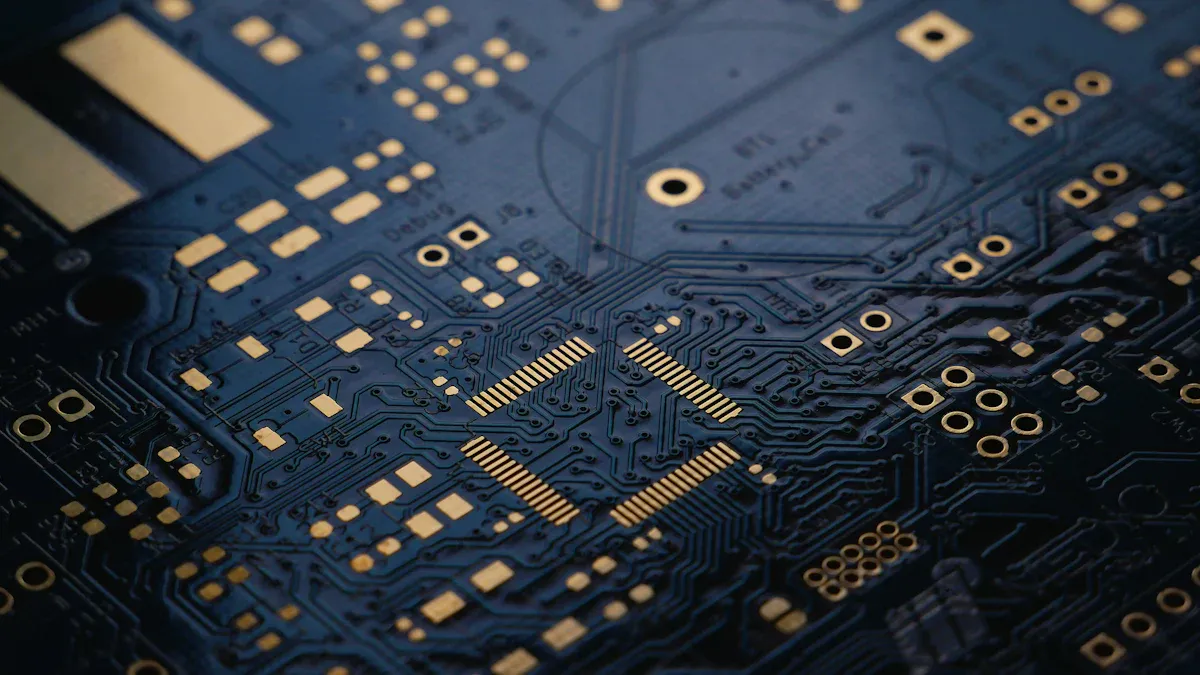
Integrated circuits (ICs) have changed how technology works today. Their flexibility and usefulness make them important in many areas. Let’s see how ICs help in gadgets, cars, and factories.
Consumer Electronics
Integrated circuits are inside the devices you use every day. From phones to smart home tools, ICs help these devices work well. They handle data, control power, and keep everything connected. For example, the chip in your phone acts like its brain. It runs apps and connects to the internet.
The need for ICs in gadgets keeps growing. Phones and tablets need faster chips for better performance. IoT devices also need energy-saving ICs. Newer semiconductor tech makes stronger ICs, allowing faster CPUs and GPUs. The spread of 5G networks increases demand for high-speed ICs, improving communication and speed.
The Global Logic IC Market is growing fast due to smart devices and IoT. This shows how important ICs are for future electronics.
Automotive Technology
Cars depend on ICs for safety, efficiency, and performance. Modern cars use many chips for different systems. For example, microcontrollers run GPS, entertainment, and safety features like ADAS. These systems use ICs to process sensor and camera data quickly and accurately.
ICs are also key in electric cars (EVs). They manage batteries, save energy, and support features like regenerative braking. Safety systems like automatic emergency braking (AEB) and stability control rely on ICs to work properly.
|
Application Area |
Description |
|---|---|
|
Safety Features |
ICs enable AEB and ESC, making cars safer. |
|
Advanced Driver-Assistance Systems (ADAS) |
ICs process sensor data for better vehicle safety. |
|
Reliability and Standards |
ICs meet strict rules, ensuring safety and durability in cars. |
The move to EVs and self-driving cars creates new uses for ICs. As cars get smarter, the need for advanced ICs will grow.
Industrial Automation
In factories, ICs make machines work automatically and efficiently. They control robots and systems that manage tasks. For example, one IC-based controller can run several robots, making work easier and faster.
Automation with ICs reduces the need for people, improving safety and productivity. High-performance ICs allow better control of machines and save energy. These systems also cut costs by reducing downtime and using energy wisely.
|
Evidence Description |
Key Insights |
|---|---|
|
Integrated Robotics and Advanced Motion Control |
One controller can run many robots, improving efficiency. |
|
Industrial Control Systems |
Advanced ICs improve flexibility, productivity, and lower costs. |
ICs also help predict problems before they happen. By studying sensor data, ICs find issues early, preventing breakdowns. This keeps machines running smoothly and avoids delays.
As industries use smarter tools, ICs will stay important for improving automation and efficiency.
Computing and Data Processing
Integrated circuits (ICs) are crucial for modern computing. They are the core of devices like laptops, servers, and supercomputers. These chips handle everything from simple math to complex tasks. Without ICs, today’s fast-growing computing technology wouldn’t exist.
ICs make computers faster and use less energy. One method, called power gating, lowers energy waste in unused chip parts. Another method, multiple supply voltage (MSV), gives different voltages to chip sections. This saves energy while keeping performance high. Studies show MSV can save about 39.41% of power. These ideas make ICs better for the environment.
|
Feature |
What It Does |
|---|---|
|
Power Gating |
Cuts energy waste in high-performance systems. |
|
Voltage Techniques |
Uses MSV to assign voltages and save energy. |
|
Power Savings |
Saves around 39.41% energy with MSV methods. |
|
Performance Metrics |
Tracks system efficiency using MPI and IPC measurements. |
In data processing, ICs allow faster and more accurate work. They support parallel processing, where many tasks run at once. Tools like instructions per cycle (IPC) and message-passing interface (MPI) measure how well systems perform. High IPC means tasks are done efficiently, which is important for AI and big data.
Every time you use a computer or phone, ICs are at work. They power processors for apps and games. They also manage memory for quick data access. In cloud computing, ICs handle huge amounts of data for services like streaming and storage. Their speed and reliability make them essential in today’s tech world.
ICs are also used in supercomputers. These powerful machines do trillions of calculations each second. They solve problems in weather, medicine, and space research. By being fast, efficient, and reliable, ICs help computers achieve amazing things.
Tip: Next time you use a device, remember the tiny ICs inside. They work hard to give you a smooth experience.
Integrated circuits have changed electronics by making devices smaller and faster. They are important for new ideas in many industries, like gadgets and computers. The World Semiconductor Trade Statistics Organization says semiconductor sales hit $574 billion in 2022. This shows how important they are for technology and the economy.
Big innovations often depend on better IC technology. Things like digital tools and teamwork worldwide make ICs even more valuable. As industries grow, ICs will keep improving systems to be smarter and more connected.
Note: Integrated circuits are more than parts; they are the base of today’s digital world, powering the technology you use daily.
FAQ
What is the main purpose of an integrated circuit?
An integrated circuit (IC) puts many electronic parts into one chip. It does tasks like handling data, boosting signals, or managing power well. ICs help make devices smaller, quicker, and more dependable.
How do integrated circuits improve energy efficiency?
ICs are designed to use less power. They work with low voltage and smart switching to save energy. This makes them perfect for gadgets that run on batteries or need to save power.
Tip: Choose gadgets with energy-saving ICs to use less power and keep batteries lasting longer.
Can integrated circuits be repaired if damaged?
No, ICs cannot be fixed because their parts are packed tightly on a chip. If an IC breaks, it must be replaced with a new one. This design makes them reliable but hard to repair.
Why are ICs important in modern electronics?
ICs are the base of today’s technology. They run phones, computers, cars, and even medical tools. Their small size and strong performance drive progress in many fields.
What is the difference between digital and analog ICs?
Digital ICs work with 0s and 1s, while analog ICs handle smooth signals like sound or light. Mixed-signal ICs do both jobs for gadgets like smartphones and IoT devices.
|
Type of IC |
What It Does |
Example Devices |
|---|---|---|
|
Digital ICs |
Handles binary data |
Computers, gaming systems |
|
Analog ICs |
Manages smooth signals |
Audio devices, sensors |
|
Mixed-Signal ICs |
Works with both signal types |
Smartphones, IoT devices |
Note: Mixed-signal ICs are flexible and used in many modern gadgets.