Navigating Raw Material Price Increases: Efficient Inbound Inspection Strategies
Understanding the Impact of Raw Material Price Increases In recent years, global raw material prices have seen significant fluctuations, affectin
Understanding the Impact of Raw Material Price Increases
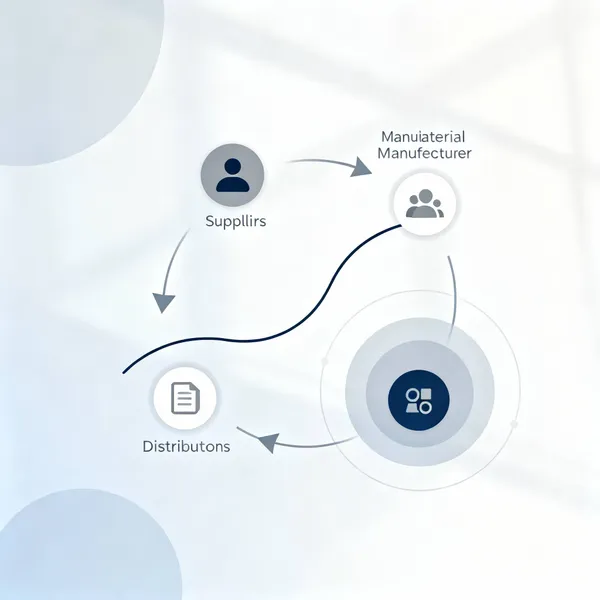
In recent years, global raw material prices have seen significant fluctuations, affecting various industries, particularly electronics manufacturing. Price increases can be attributed to a combination of factors including supply chain disruptions, heightened demand in technology sectors, and geopolitical tensions. As these price hikes impact the Bill of Materials (BOM) costs, manufacturers must adapt their procurement strategies accordingly.
For instance, the NIST reports that the prices of essential components have risen due to increased demand and limited supply, necessitating a thorough understanding of how these changes affect overall production costs.
Strategies for Effective Supplier Negotiation
When negotiating with suppliers during periods of price increases, it is crucial to adopt strategies that foster transparency and collaboration. Here are some effective negotiation tactics:
- Maintain open lines of communication with suppliers to discuss price trends and expectations.
- Prepare data on market conditions and competitor pricing to strengthen your negotiating position.
- Explore alternative suppliers or materials to mitigate risks associated with price volatility.
Successful negotiations often hinge on the ability to present a clear understanding of the market dynamics affecting pricing, which can lead to mutually beneficial agreements.
Optimizing BOM for Cost Efficiency
Optimizing your BOM is essential in response to raw material price changes. This involves analyzing existing components and identifying opportunities for cost reduction. Tools such as Octopart and ic-online.com can assist in managing BOM effectively by providing real-time data on component availability and pricing.
| Process Step | Input | Output | Quality Checkpoint |
|---|---|---|---|
| Analyze BOM | Current BOM data | Identified cost-saving opportunities | Cost reduction targets |
| Evaluate Components | Market pricing information | Optimized component list | Component availability |
| Implement Changes | Revised BOM | Updated procurement strategy | Supplier compliance |
Selecting Components in a Volatile Market
In a volatile market, selecting components for PCBA (Printed Circuit Board Assembly) requires careful consideration of various factors. Begin by evaluating multiple sourcing options to ensure competitive pricing and availability. Long-term contracts can provide stability amid fluctuating prices, while staying updated on component availability and lead times is crucial for maintaining production schedules.
- Assess current market conditions and component availability.
- Identify alternative suppliers with competitive pricing.
- Consider long-term contracts to secure pricing and availability.
- Review official datasheets from manufacturers like Texas Instruments and Analog Devices for component specifications.
Implementing SMT (Surface Mount Technology) Best Practices
Utilizing SMT can significantly mitigate the impact of raw material price increases. Best practices include:
- Adopting flexible manufacturing processes to quickly adapt to material changes.
- Implementing stringent quality control measures to ensure component integrity.
- Regularly reviewing supplier performance and material costs to maintain competitive advantage.
Insights from manufacturers like Infineon and STMicroelectronics can further enhance SMT practices, contributing to more efficient production processes.
- Scope: This article discusses strategies for negotiating supplier orders amid price increases, focusing on inbound inspection processes.
- Evidence discipline: Claims are supported by industry standards and best practices from recognized organizations.
- Practical engineering lens: Emphasizes real constraints and verification steps to ensure quality and compliance.
- Update guidance: Recommend checking the latest datasheets and vendor notes to stay informed about component specifications.
Monitoring Market Trends and Supplier Performance
To effectively manage supplier relationships and procurement strategies, it is essential to monitor market trends in raw materials. This involves assessing supplier performance by tracking delivery times, quality of components, and compliance with industry standards. Organizations like IPC and IEEE provide guidelines that can assist manufacturers in evaluating supplier performance and ensuring adherence to quality standards.
FAQ
- What are the main factors driving raw material price increases?
- Global supply chain disruptions.
- Increased demand in electronics and technology sectors.
- Geopolitical factors affecting supply.
- How can I effectively negotiate with suppliers during price increases?
- Maintain open lines of communication.
- Be prepared with data on market trends.
- Explore alternative suppliers or materials.
- What tools can help optimize my BOM in response to price changes?
- BOM management software like Octopart.
- Cost analysis tools and calculators.
- Collaboration platforms for supplier engagement.
- How do I select components for PCBA amid fluctuating prices?
- Evaluate multiple sourcing options.
- Consider long-term contracts for stability.
- Stay updated on component availability and lead times.
- What best practices should I follow for SMT in a volatile market?
- Use flexible manufacturing processes.
- Implement quality control measures.
- Regularly review supplier performance and material costs.
- Where can I find reliable data on raw material prices?
- Industry reports from NIST and IPC.
- Market analysis articles on IC-Online.
- Supplier price lists and updates.