Practical Guide to the AMS1117-3.3 Voltage Regulator: From Concept to Implementation
Key Features of the AMS1117-3.3 The AMS1117-3.3 is a low dropout linear voltage regulator that outputs a fixed 3.3V voltage from a higher input v
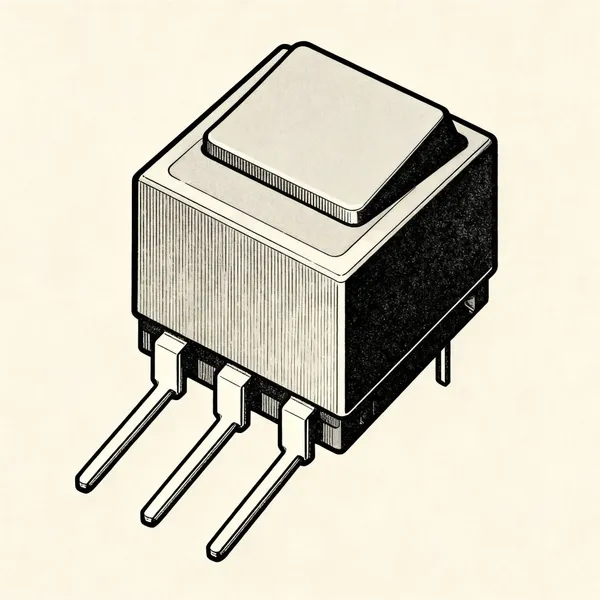
Key Features of the AMS1117-3.3
The AMS1117-3.3 is a low dropout linear voltage regulator that outputs a fixed 3.3V voltage from a higher input voltage. Understanding its features can help in selecting the right component for your project.
- Low dropout voltage for efficient operation.
- Output current capability up to 1A.
- Integrated thermal shutdown and current limiting features.
- Available in adjustable and fixed output versions.
- Common package types for SMT applications.
Understanding the Datasheet and Specifications
Before integrating the AMS1117-3.3 into your design, reviewing its datasheet is crucial. The official datasheet provides comprehensive specifications, including:
- Critical parameters to examine in the official datasheet.
- Input and output voltage ranges for the AMS1117-3.3.
- Thermal characteristics and power dissipation considerations.
- DigiKey for complete technical details.
- Comparison with similar voltage regulators.
Step-by-Step Guide to Using the AMS1117-3.3
Implementing the AMS1117-3.3 in your design involves several critical steps. Here’s a structured approach:
- Select the appropriate input voltage and load conditions.
- Design the PCB layout for optimal performance, ensuring short traces.
- Integrate the AMS1117-3.3 into your existing PCBA.
- Test and validate the output voltage under load conditions.
- Avoid common mistakes such as inadequate thermal management.
- Verify input voltage is at least 1.1V above output.
- Select input and output capacitors as per the datasheet.
- Ensure proper PCB layout with short ground paths.
- Check thermal dissipation requirements for your application.
- Confirm load current does not exceed 1A.
Real-World Applications of the AMS1117-3.3
The AMS1117-3.3 is versatile and widely used in various applications:
- Battery-powered devices for efficient voltage regulation.
- Microcontroller and FPGA power supplies.
- Consumer electronics and automotive systems.
- Integration in SMT designs for compact PCB layouts.
- Case studies demonstrating successful implementations.
Sourcing the AMS1117-3.3: BOM and Supplier Options
When sourcing the AMS1117-3.3, consider the following: If you’re sourcing parts, you can optionally check current availability on ic-online.com.
- Where to find the AMS1117-3.3 in BOMs for your projects.
- Comparison of leading suppliers: DigiKey, Mouser, LCSC, and Arrow.
- Considerations for bulk purchasing and lead times.
- Evaluating supplier reliability and component authenticity.
- Cost factors and budget considerations for sourcing.
| Supplier | Best for | Traceability/Authenticity | MOQ/Lead Time |
|---|---|---|---|
| DigiKey | Wide selection and fast shipping | High verification standards | Low MOQ, quick lead times |
| Mouser | Excellent for prototyping | Trusted component sourcing | Flexible MOQ, reasonable lead times |
| Arrow | Bulk orders and industrial applications | Strong traceability practices | Higher MOQ, longer lead times |
Selection Guidance for the AMS1117-3.3
Choosing the right variant of the AMS1117-3.3 is essential for optimal performance:
- How to choose between fixed and adjustable versions based on your application needs.
- Identifying the right package type for your design, especially for SMT.
- Evaluating thermal management requirements to prevent overheating.
- Considerations for high-frequency applications.
- Future-proofing your design with scalable solutions.
FAQ
- What is the maximum output current of the AMS1117-3.3?
- The AMS1117-3.3 can provide up to 1A of output current. Ensure your design accounts for thermal dissipation at this current.
- What is the dropout voltage of the AMS1117-3.3?
- The typical dropout voltage is around 1.1V at full load. This means the input voltage must be at least 1.1V higher than the output voltage.
- How do I incorporate the AMS1117-3.3 into my PCB design?
- Follow the guidelines in the datasheet for layout recommendations. Ensure adequate trace thickness for current handling. Place input and output capacitors close to the regulator pins.
- Where can I find the official datasheet for the AMS1117-3.3?
- What are common applications for the AMS1117-3.3?
- Commonly used in microcontroller power supplies. Ideal for battery-operated devices requiring low dropout. Used in various consumer electronics for voltage regulation.
- What should I consider when sourcing the AMS1117-3.3?