RJ 45 Ethernet The Simple Key to Fast Internet
A close look at an ethernet cable reveals its crucial plastic connector. This component is the rj-45 connector, the unsung h
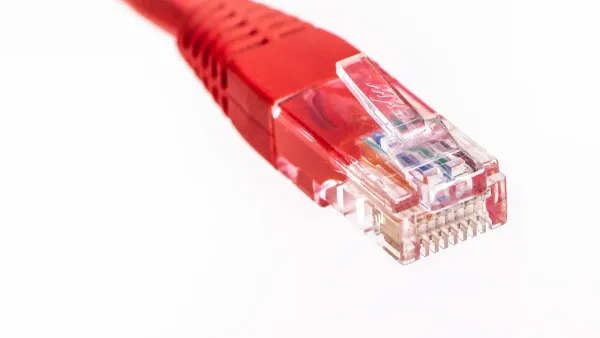
A close look at an ethernet cable reveals its crucial plastic connector. This component is the rj-45 connector, the unsung hero of a wired connection. The simple rj45 connector is a key part of any networking setup, making fast ethernet possible. This single connector design is the foundation for reliable networking.
The rj-45 is the standardized connector for all ethernet networking. Every rj45 is essential for the cable connection. The rj45 design of the rj 45 ethernet system ensures reliable networking. This rj-45 makes the entire system work.
Key Takeaways
- The RJ-45 connector is a small plastic part. It helps your internet cable connect to devices. This makes fast internet possible.
- The RJ-45 has eight pins inside. These pins connect wires in a special order. This order helps send and receive data quickly.
- A small tab on the RJ-45 keeps it locked in place. This stops the cable from coming loose. A secure connection means your internet stays fast and steady.
- The RJ-45 can also deliver power to devices. This is called Power over Ethernet (PoE). It means some devices only need one cable for both internet and power.
Anatomy of the RJ45 Connector
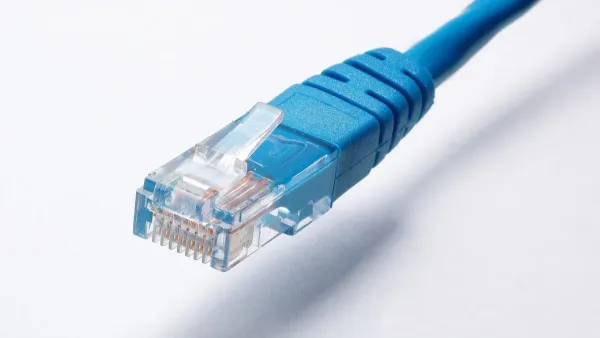
The physical design of the rj-45 connector is the foundation of its success in modern networking. This section explores the electromechanical makeup of the rj45 connector. Understanding its parts shows why this specific connector is essential for a fast ethernet connection. The rj-45 is more than plastic; it is a precise interface for data transmission. Every rj45 connector on an ethernet cable ensures a stable link. The design of the rj-45 makes it a reliable connector for any ethernet cable.
The RJ45 8-Pin Design
Inside every rj-45 connector, there are eight small pins. These pins are the electrical contacts that touch the wires inside an ethernet cable. To avoid confusion and ensure compatibility, the Telecommunications Industry Association (TIA) and Electronic Industries Alliance (EIA) created standards for structured cabling. This effort produced two important wiring schemes for the rj45 connector: T568A and T568B.
The main difference between these standards is the position of the orange and green wire pairs. In T568A, the green pair handles data transmission, while the orange pair receives data. The T568B standard reverses this, using the orange pair for transmission and the green pair for receiving data. While T568B is more common today, T568A is still required for all U.S. government federal contracts. The rj45 uses these standards to manage data flow through the ethernet cable. The rj-45 connector works because of this organization. This rj45 is a smart connector. The rj-45 connector is a key part of the ethernet cable. The rj45 is a simple connector.
Note: The pinout table below shows how the rj-45 organizes wires for data transmission. The rj45 uses specific pins for sending and receiving data.
| Pin Number | T568A Signal (Color) | T568B Signal (Color) |
|---|---|---|
| 1 | Transmit + (White/Green) | Transmit + (White/Orange) |
| 2 | Transmit - (Green) | Transmit - (Orange) |
| 3 | Receive + (White/Orange) | Receive + (White/Green) |
| 6 | Receive - (Orange) | Receive - (Green) |
The Secure Locking Tab
Another key feature of the rj-45 connector is its locking tab. This small plastic lever provides a secure physical connection when the rj45 is plugged into a port. The tab clicks into place, preventing the ethernet cable from accidentally pulling out. A loose cable can interrupt the signal and cause a total loss of connection. The locking tab on the rj-45 ensures the eight pins maintain constant contact. This simple mechanical feature is vital for signal integrity in any networking setup. The rj45 connector provides a reliable connection. This rj-45 makes the cable secure. The rj45 is a dependable connector. The rj-45 is a strong connector. The rj45 is a great connector.
Enabling High-Speed Ethernet

The standardized physical form of the rj-45 connector is a marvel of engineering, but it does not work alone. The true speed of an ethernet connection comes from the partnership between this universal connector and the specific ethernet cable it terminates. The rj-45 acts as the gateway, while the internal construction of the cable serves as the highway for data transmission. This section explores how the rj-45 enables high-speed data and power delivery, making it a cornerstone of modern ethernet networking.
Pairing with Cable Categories
An rj-45 connector looks the same whether it is on a slow or a fast cable. The performance of the networking setup depends on the category of the ethernet cable used. These categories, like Cat5e, Cat6, and Cat6a, define the cable's ability to handle speed and bandwidth. The rj-45 is the consistent interface, but the cable's internal design dictates the ultimate data throughput.
The primary difference between cable categories lies in their internal construction. Higher-category cables have stricter standards for wire twisting and shielding. For example, many Cat5e cables use an Unshielded Twisted Pair (UTP) design. In contrast, a Cat7 cable uses a Shielded Foil Twisted Pair (SFTP) structure. This involves individual shielding for each wire pair and an overall cable shield. This enhanced shielding protects the data transmission from electromagnetic interference (EMI) and crosstalk, which is crucial for maintaining signal integrity at higher speeds. The rj-45 connector reliably connects these wires to the network device.
Tip: Higher bandwidth allows more data to move at once, similar to having more lanes on a highway. A higher category cable provides a wider highway for your data.
The table below shows how different cables deliver different performance levels, all using the same rj-45 connector.
| Cable Type | Max Speed (at 100m/328ft) | Bandwidth |
|---|---|---|
| Cat5e | 1 Gbps | 100 MHz |
| Cat6 | 1 Gbps (10 Gbps up to 55m) | 250 MHz |
| Cat6a | 10 Gbps | 500 MHz |
For even more demanding applications in data centers or high-performance local area networks, Cat7 and Cat8 cables offer speeds that push the limits of copper wiring. A Cat7 cable can achieve 10 Gbps with a bandwidth of 600 MHz, while a Cat8 cable is designed for speeds that rival fiber optics. Each rj-45 on these advanced cables must meet precise specifications to handle the increased performance. The rj-45 is a critical component for every connection.
Power over Ethernet (PoE)
The versatility of the rj 45 ethernet system extends beyond just data. Power over Ethernet (PoE) is a revolutionary technology that allows a single ethernet cable to deliver both data and electrical power to compatible devices. This is possible because the rj-45 has eight pins, and standard ethernet transmission often leaves some pairs of wires unused. PoE technology utilizes these spare pairs or sends power over the data pairs to power devices. The rj-45 is essential for this dual functionality.
This capability dramatically simplifies the installation of network devices. A device with PoE support needs only one ethernet cable for both its network connection and its power source. This eliminates the need for a separate power adapter and a nearby electrical outlet. Common devices that use PoE include:
- IP security cameras
- VoIP (Voice over IP) phones
- Wireless access points
- Smart home touchscreen controllers
PoE technology is governed by standards from the Institute of Electrical and Electronics Engineers (IEEE). These standards ensure safety and interoperability. A PoE switch is intelligent; it performs a "handshake" with a connected device to determine if it needs power. If a non-PoE device is plugged in, the switch will not send power, preventing any damage. The rj-45 facilitates this negotiation.
Different PoE standards deliver different amounts of power, making the technology suitable for a range of devices. The rj-45 connector is the physical interface for all of them.
| Standard | IEEE Standard | Max. Power to Device |
|---|---|---|
| PoE | 802.3af | 12.95W |
| PoE+ | 802.at | 25.5W |
| PoE++ (Type 3) | 802.3bt | 51W |
| PoE++ (Type 4) | 802.3bt | 71W |
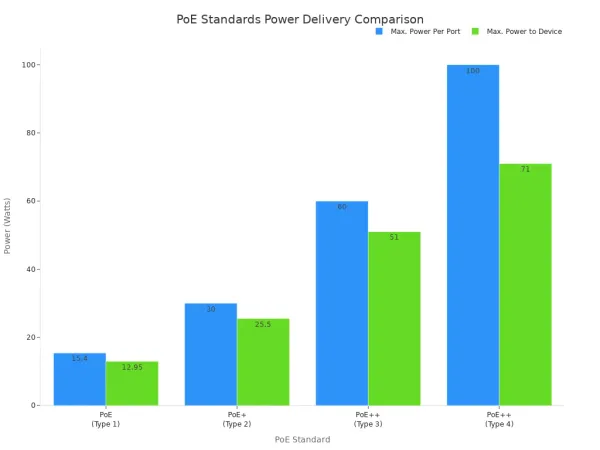
Just like a standard data-only connection, PoE has a maximum distance of 100 meters (328 feet). The rj-45 ensures a solid link for both data and power across this distance. The rj-45 is a robust connector. The rj-45 is a reliable connector. The rj-45 is a functional connector. The rj-45 is a powerful connector. The rj-45 is a key part of ethernet networking.
The Versatility of the RJ-45
The rj-45 connector is far more than a simple plug for home internet. Its standardized design makes it a highly versatile electronic component, adaptable to countless environments beyond the office. The rj-45 is a cornerstone of modern data transmission across commercial and industrial sectors. This section explores some of the common uses of rj45 connectors, showing how this single interface powers a diverse range of technologies. The rj45 is a key part of ethernet networking.
Commercial and Industrial Uses
In demanding industrial settings, the rj45 connector is essential for automation. It establishes vital communication links for factory systems.
- It connects programmable logic controllers (PLCs) and Human-Machine Interfaces (HMIs).
- These connections ensure seamless control and prevent costly downtime.
The rj-45 also plays a critical role in healthcare IT. Medical facilities rely on the rj-45 for connecting patient monitoring systems and diagnostic cardiology devices. The connector helps link imaging equipment and electronic medical record systems for reliable data sharing. Even the automotive industry uses the rj 45 ethernet standard. BMW first used an ethernet cable for diagnostics in 2008. In retail, the rj45 provides a stable wired connection for Point-of-Sale (POS) systems, ensuring reliable transaction processing. The rj-45 is a dependable connector for this networking setup.
Data centers use high-density rj-45 patch panels to manage large-scale local area networks. These panels organize the massive number of ethernet cable connections needed for servers and switches, providing a stable and clear networking infrastructure. The rj45 makes this organization possible.
Specialized RJ 45 Ethernet Connectors
To meet the needs of harsh environments, engineers developed specialized versions of the rj-45 connector. An IP67-rated rj45 connector offers advanced protection. The "6" signifies it is completely dust-tight, while the "7" means it can withstand temporary immersion in water. This rugged rj45 features:
- A robust mechanical design using metal alloys or high-grade plastics.
- Sealed connections with rubber gaskets to prevent water and dust entry.
- Corrosion-resistant materials for long-term durability.
Another specialized type is the toolless rj45, or field-termination plug. This connector allows for rapid installation without a crimping tool, making it ideal for fast deployments. For high-vibration environments like aerospace, military-grade connectors such as the Amphenol RJ Field series offer a secure rj-45 connection system that protects the ethernet transmission from shock and impact. Each specialized rj45 connector ensures the ethernet cable maintains a solid link for data. The rj-45 is a truly adaptable connector.
The rj 45 ethernet system relies on the humble rj-45 connector. This rj45 connector is a key electronic component for all ethernet networking. The rj45 is a simple rj45. The rj45 is a good rj45. The rj45 is a strong rj45. The rj45 is a fast rj45. The rj45 is a reliable rj45. The global market for this connector is growing, showing the rj-45 remains vital. This single rj-45 connector design supports every ethernet cable, from a basic cable to an advanced ethernet cable. It enables a stable data connection and powers devices. The rj-45 is the foundation of modern networking, ensuring a fast ethernet data link for any cable. This connector is the key to a good cable connection.
FAQ
What is the main job of an RJ-45 connector?
The RJ-45 connector is a standardized electronic interface. Its primary job is to create a physical link. It connects the copper wires inside an ethernet cable to the port on a network device, allowing electrical data signals to flow to and from the device's integrated circuits.
Are all RJ-45 connectors the same?
The basic 8-pin design is standard, but specialized versions exist. Some connectors have metal shielding to protect data signals from electrical interference. Others are ruggedized with IP67 ratings. These special designs ensure reliable electronic communication in harsh industrial or outdoor environments.
Can a user plug an RJ-45 into a phone jack?
No, they are different electronic components. An RJ-45 connector has eight pins for complex data signals. A smaller telephone jack uses an RJ-11 connector with fewer pins for voice signals. The RJ-45 plug will not fit properly or function in a standard phone jack.
Why does the RJ-45 have a locking tab?
The locking tab is a crucial mechanical feature. It ensures the connector's eight pins maintain constant contact inside the port. This secure physical connection prevents signal loss. A stable link is essential for the reliable transmission of high-speed data between a device's internal circuits.