Short Circuit Protection Systems and Their Role in Preventing Catastrophic Failures in Modern Electronics
You need short circuit protection to keep electronics safe from harm. If you do not have a good system, short circuits can start fires.
You need short circuit protection to keep electronics safe from harm. If you do not have a good system, short circuits can start fires. They can also destroy equipment and cause big safety problems. Real events show why protection matters:
-
In businesses, strong circuit breakers and enclosures stopped big power loss and damage.
-
Special monitoring systems in factories found electrical problems early and lowered accidents.
-
Checking wiring and breakers at home often stopped fires by making upgrades.
-
Early detection systems in factories could have stopped big power failures and work delays.
You are important when picking the right system. Protection helps stop short faults, keeps power steady, and saves lives. Every system you build or fix needs strong protection, especially where safety is most important. If you skip protection, you could lose power and cause big damage.
Key Takeaways
-
Short circuit protection helps stop dangerous electrical problems. These problems can cause fires, damage equipment, and hurt people.
-
Fuses and circuit breakers are common tools. They quickly turn off power during short circuits. This keeps systems and people safe.
-
Modern protection uses smart IC chips. These chips react fast and have many safety features in one small part.
-
Good insulation, grounding, and regular checks help stop short circuits. They also keep power steady and safe.
-
Following safety rules and using the right protection saves money. It also stops accidents and keeps systems working well.
Short Circuit Protection
What Is a Short Circuit?
A short circuit happens when electricity finds an easy path. This path has very little resistance. A lot of current moves through it very fast. The normal power flow gets messed up. The system cannot handle all the extra current. You might see your lights blink or flicker. Sometimes you smell something burning. Your circuit breaker might trip a lot. These things mean your system has a problem.
Many things can make a short circuit happen. Here are some common causes:
-
Water or other liquids touch wires and make new paths for power.
-
Connections in outlets or switches get loose.
-
Old or broken appliances can fail and cause a short.
-
Cable covers can wear out as time passes.
-
Big electrical surges can build up and hurt the system.
When you see these dangers, you must act quickly. A short circuit can make things overheat or catch fire. It can even break your equipment completely. Your system needs strong short circuit protection to keep power safe.
Why Protection Matters
Every electronic system needs protection to stop short circuits. When a short circuit happens, the current goes up fast. Wires and devices can get very hot. If you do not have protection, fires can start and spread. Things that burn easily can catch fire from the heat. You could get shocked, burned, or even electrocuted if you touch bare wires.
Note: Arc flash is a very dangerous event from electrical faults. It makes a lot of heat and bright light. You can get bad burns, eye damage, or lose your hearing from an arc flash.
Your system needs things like fuses, circuit breakers, and ground fault devices. These tools stop power when a short circuit happens. They keep your equipment safe and help stop fires. Checking your system often helps you find problems early. You should always use devices that follow safety rules. This keeps your system working well and your power steady.
You protect more than just machines. You also protect people, buildings, and the whole power system. Good short circuit protection saves lives and stops big damage. Every system you build or use should have strong protection. You cannot ignore these dangers. Make protection the most important thing in every power system.
Types of Protection
Fuses and Circuit Breakers
You must pick the right protection for your power system. Fuses and circuit breakers are used most often. Both stop short circuits and overloads before they hurt things. Here is what they do:
-
Circuit breakers find faults with heat or magnets. When a fault happens, the breaker opens its contacts using stored energy or magnets.
-
When the contacts open, an electric arc appears. The breaker must put out this arc safely. Some use air, oil, gas, or a vacuum to do this.
-
You can reset circuit breakers after they trip. You do not need to buy a new one.
-
Fuses are simple. If too much current flows, the fuse melts and stops the circuit. You have to replace the fuse after it works.
Here is a table that shows their main differences:
|
Aspect |
Fuses |
Circuit Breakers |
|---|---|---|
|
Cost |
Low |
Higher |
|
Response Time |
Fast |
Slightly slower |
|
Design |
Simple, no moving parts |
More complex, moving parts |
|
Reusability |
Single-use |
Reusable |
|
Maintenance |
Minimal, needs replacement |
Needs testing and maintenance |
|
Protection Features |
Basic |
Advanced (GFCI, AFCI, settings) |
|
Suitability |
Homes, small businesses |
Industry, large power systems |
|
Downtime |
More, must replace fuse |
Less, just reset breaker |
You can also look at this chart to compare how fast they work:
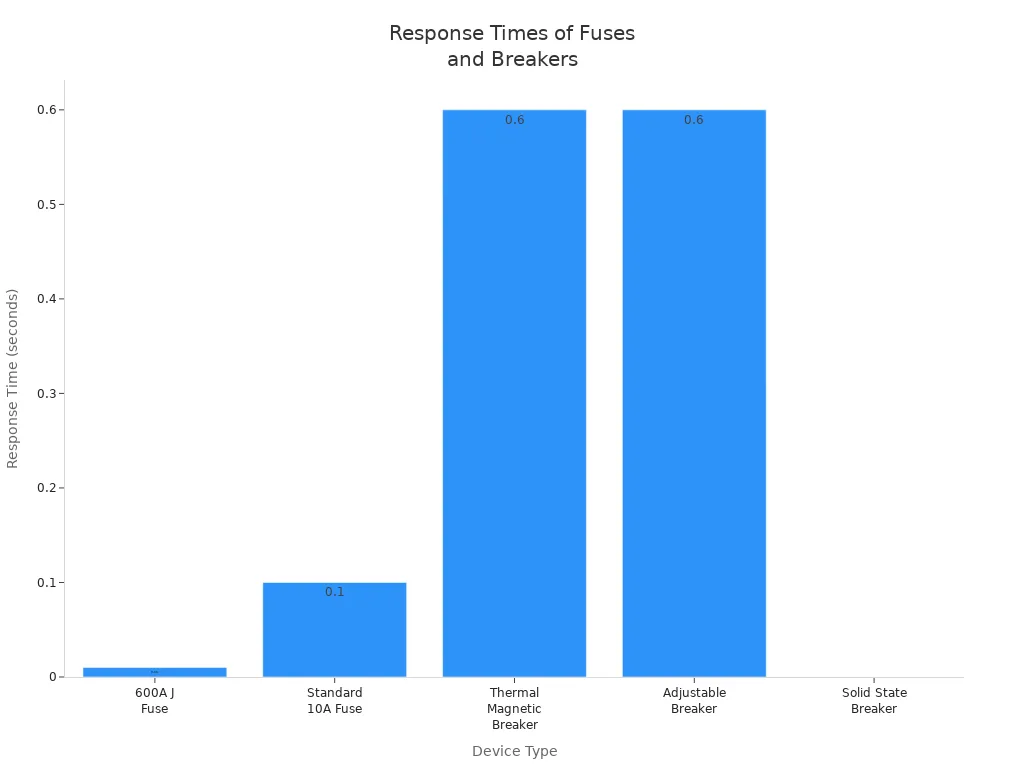
Protective Relays and MCCBs
Protective relays and molded case circuit breakers (MCCBs) are used in bigger power systems. Protective relays sense faults and send signals to open breakers quickly. MCCBs let you change settings for current and time. This helps protect your system from short circuits and overloads. MCCBs are good for factories and big buildings where you need strong protection.
Modern IC Solutions
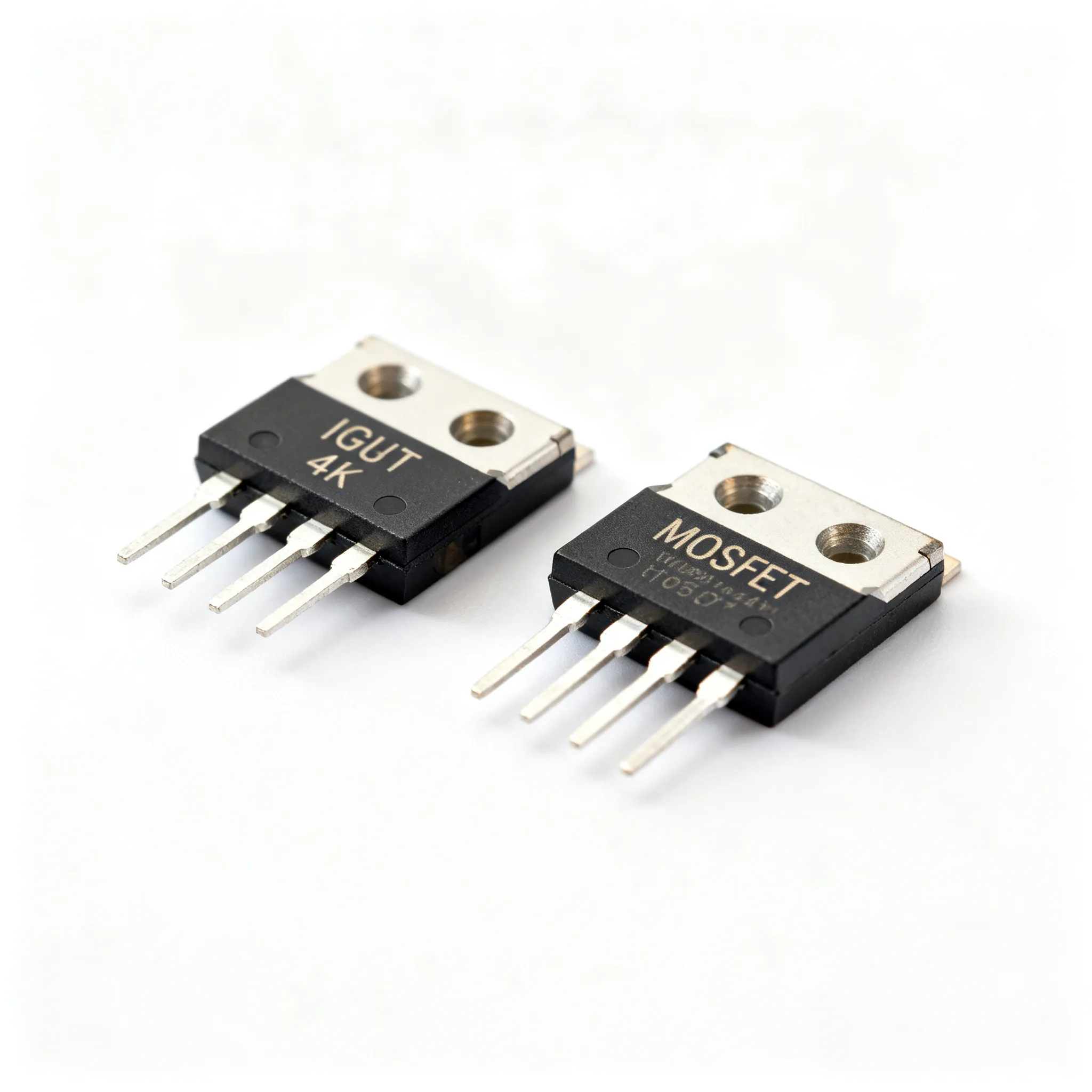
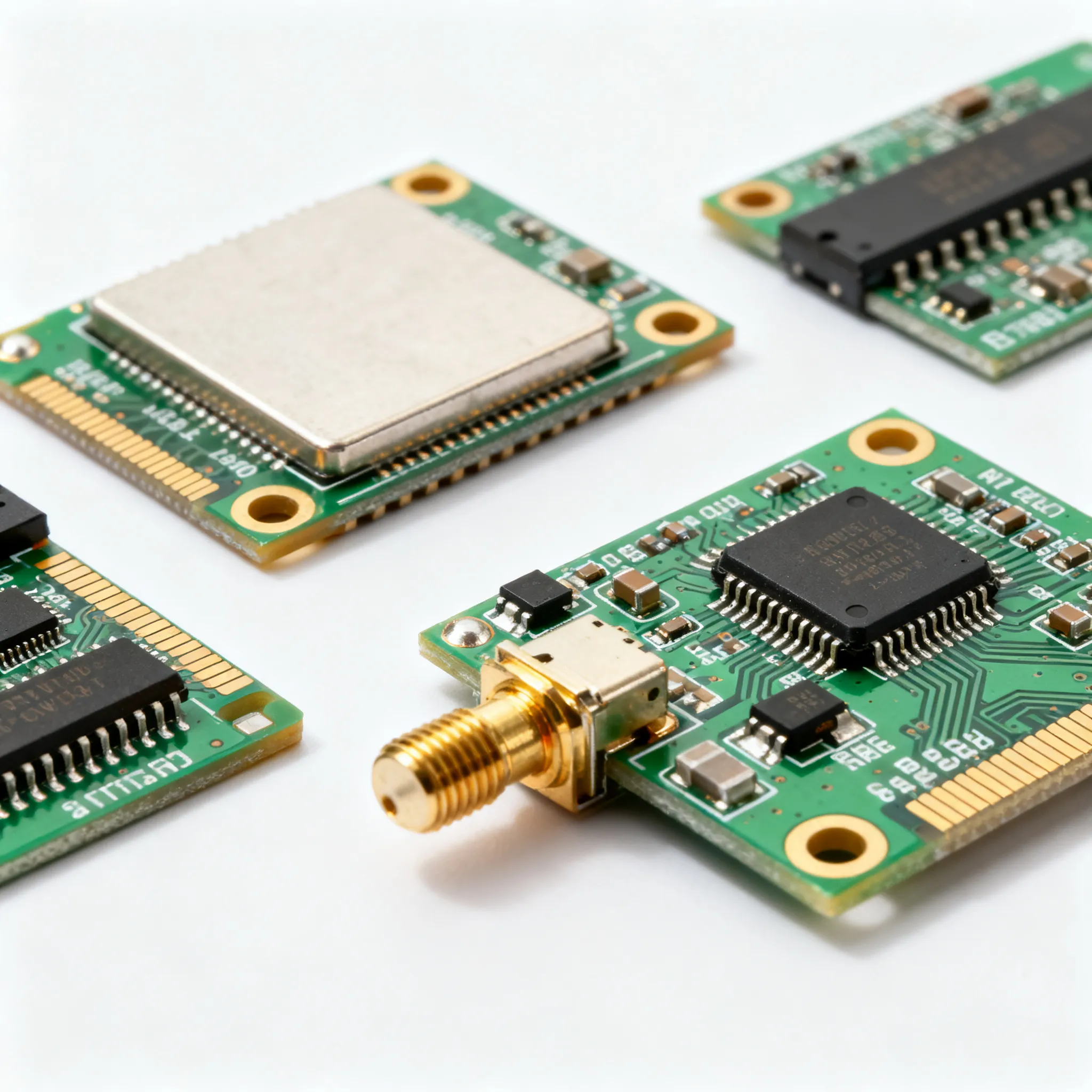
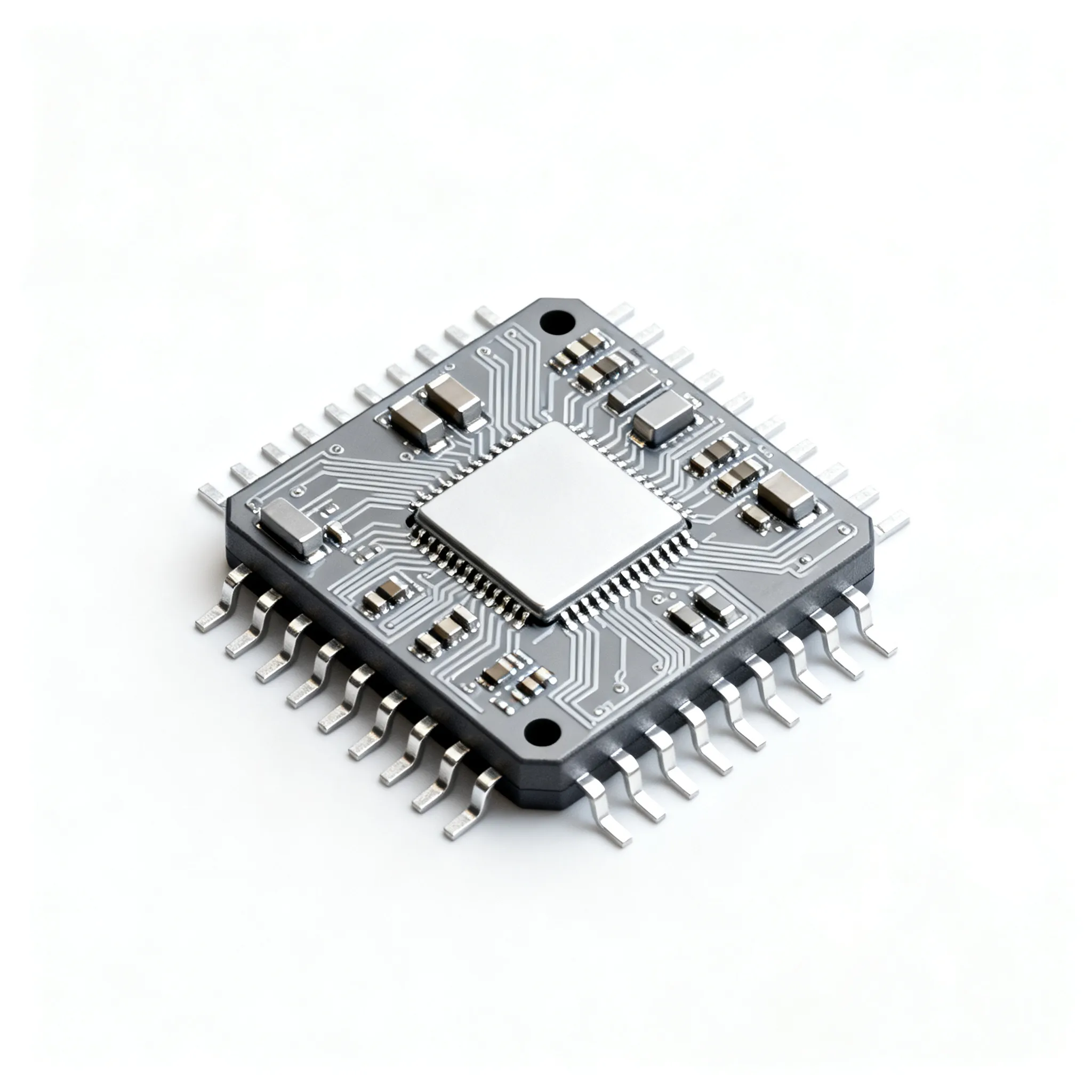
Today, you can use advanced ICs for short circuit protection. These chips have many features in one small part. You get current sensing, thermal shutdown, overvoltage protection, and power limit functions. Some ICs, like the MAX17613, let you set current limits and watch your system. They help you follow safety rules and make your design smaller and safer. IC-based protection works much faster than old mechanical devices. You see these in cars, smart devices, and renewable energy systems. They help keep your power system safe, steady, and efficient.
Safety in Electronic Design
Insulation and Grounding
Every electronic system needs good insulation and grounding. Insulation covers wires and cables to stop damage. It also keeps conductors from touching each other. This helps stop short circuits and keeps power steady. Grounding connects part of your system to the earth. This makes one spot safe to touch. It also helps prevent shocks. For example, a toaster uses insulation to keep the metal case safe. If a hot wire touches the case, grounding and insulation work together to protect you.
-
Good insulation keeps wires safe from water, bugs, and heat.
-
Grounding, like single-point grounding, stops shocks and ground loops.
-
Bonding all metal parts keeps electricity flowing safely.
-
Using strong materials for grounding and bonding makes things safer.
-
Correct wiring, tight cables, and regular checks help stop short circuits.
You need to do these things to build a safe and strong power system.
Short Circuit Analysis
Short circuit analysis shows how your power system acts during faults. This helps you see if your equipment can handle high currents. It also helps you set up protection devices the right way. You can use different ways and rules for this job:
|
Method/Aspect |
Description |
|---|---|
|
Used to pick circuit breakers and check short circuit currents. |
|
|
IEC 60909 |
International rule for short-circuit analysis in three-phase AC systems. |
|
Impedance-based network models |
Show how the system, generators, and faults work together. |
|
Superposition (Complete) Method |
Looks at voltage support from generators with power electronics. |
|
Software Tools |
Use hand or computer math to follow the rules. |
|
Fault Contributions |
Think about all sources like generators, motors, and utilities. |
|
Purpose |
Make sure equipment, relay settings, and safety rules are right. |
You should do these checks to make sure your protection works and your power system stays safe.
Compliance and Standards
You have to follow strict rules and get certifications to keep your power system safe. These rules help you choose the right devices and stay up to code. Here are some important rules:
|
Standard/Certification |
Description |
Relevance to Short Circuit Protection |
|---|---|---|
|
Lists fuse needs for many uses. |
Makes sure fuses stop faults fast and last long. |
|
|
UL 248 series |
North American fuse safety rule. |
Tests and checks fuses for safe short circuit stops. |
|
ISO 8820 |
International fuse rule for cars. |
Protects car circuits from short circuits. |
|
CE Marking |
EU safety and environment mark. |
Shows you follow EU protection rules. |
|
TUV, CQC, CSA |
World certifications for quality and safety. |
Proves fuse safety in many places. |
You should not skip checks like short-circuit current rating or miss markings. Always size your protection devices right and write down your system ratings. By doing these things, you help protect your whole system and keep it safe and strong.
Consequences and Best Practices
Risks of Inadequate Protection
If your system does not have good protection, you face big dangers. Short circuits can make arcing faults that last until a breaker or fuse stops the flow. Even fast protection cannot always stop arcs from causing explosions. Hot metal and gases can burn people or break equipment. Arc flashes might hurt your eyes forever. Sometimes, sharp pieces fly out and can hit you or others. If you open a box during a fault, hot gas and metal can burn you. Using strong enclosures and protection devices helps keep these dangers inside.
Here are some risks you should know about: Electric shock can hurt or kill you. Fires can start if wires are bad or circuits get too full. Explosions can happen, especially if there are things that catch fire easily. Arc flashes can burn you badly. Digital electronics might stop working, which can cause data loss or break equipment.
You might also lose a lot of time and money. Some factories have stopped working for weeks after arc flashes. Data centers sometimes use backup power, which costs more and makes service worse. Oil refineries have lost millions from fires and long stops. Legal trouble, lost trust, and late deliveries can make things even worse.
Implementation Challenges
It can be hard to build a strong protection system. Many things make this job tricky. You need to pick the right devices and follow safety rules. You must protect sensitive parts from voltage spikes and surges. You also need to keep your power system safe from getting too much current or short circuits.
Here are some ways to help you: 1. Use transient voltage suppressors to stop spikes. 2. Add varistors to limit surge currents. 3. Follow rules like IPC-2221 and IEC 60664. 4. Keep high and low voltage areas apart on your board. 5. Leave enough space between wires to stop arcing. 6. Pick materials that can handle high voltage and heat. 7. Use heat sinks and thermal vias to move heat away. 8. Make power lines wider to lower resistance. 9. Use current-limiting devices like fuses and circuit breakers. 10. Put temperature sensors on important parts to watch for overheating. 11. Do not use sharp corners on traces in high-voltage spots. 12. Write down your design and safety steps carefully.
Best Practice Examples
You can learn from real-life examples of good protection. In factories, engineers use molded case circuit breakers and relays to protect big power systems. They check wires and devices often to find problems early. Data centers use advanced ICs for quick action and better monitoring. They also keep backup systems ready so they do not lose service. Oil refineries use strong enclosures and follow strict safety rules to keep workers and equipment safe.
Tip: Always test your protection system before using it. Regular checks help you find weak spots and fix them quickly.
You should plan for protection when you design your power system. Pick the right devices, follow the rules, and keep your system in good shape. This keeps your equipment safe, lowers risks, and saves money over time.
You get lots of good things when you use strong short circuit protection in your power projects. Protection keeps your power safe and helps stop fires. It also makes your system work better and more often. Modern integrated protection ICs help you handle power problems, save space, and keep things running longer. You can also save money by using fewer parts and making it easier to follow safety rules.
-
Protection guards your power from surges, too much current, and faults.
-
Advanced protection ICs put current limit, power limit, and thermal protection all in one chip.
-
Protection with safety certifications makes your power system safer and easier to pass tests.
To follow the rules, do these things:
1. Check the short circuit rating for each power device. 2. Make sure all power parts meet or go above the panel rating. 3. Label your power panel with the right rating. 4. Use the maker’s data to check power device ratings.
If you need help, RMS Energy gives advice on power protection and system checks. Always make protection the most important thing in every power project.
FAQ
What is the main purpose of short circuit protection?
You use short circuit protection to stop too much current from flowing. This keeps your devices safe and helps prevent fires or damage. Good protection also keeps people safe from electric shock.
How do you know if your system needs better protection?
You might see frequent breaker trips, flickering lights, or smell burning. These signs mean your system could need better protection. Always check your wiring and devices if you notice these problems.
Can you reset a fuse after it blows?
No, you cannot reset a fuse. You must replace it with a new one. Circuit breakers, on the other hand, let you reset them after they trip.
Why do modern electronics use IC-based protection?
Modern electronics use IC-based protection because it reacts quickly and fits in small spaces. You get features like current sensing, thermal shutdown, and power limiting in one chip. This helps your devices last longer and work safely.