The Ultimate Guide to HiSilicon AI SoC Heat Dissipation
Effective thermal management solutions for HiSilicon AI SoCs require tailored cooling solutions. These solutions must match
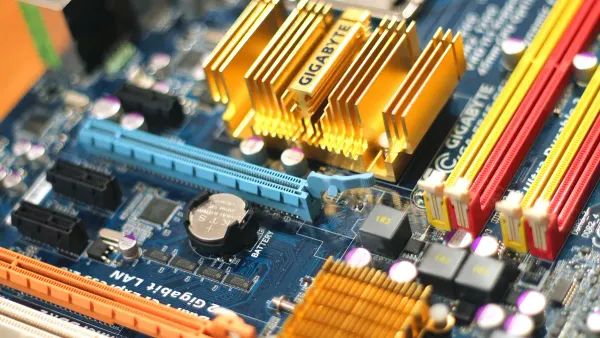
Effective thermal management solutions for HiSilicon AI SoCs require tailored cooling solutions. These solutions must match the specific SoC's power, application, and form factor. The challenge is balancing the immense performance of these AI SoCs with the critical need for proper thermal cooling to prevent thermal throttling. This ensures long-term reliability and peak performance. The growth of AI SoCs highlights the importance of superior thermal cooling and thermal management solutions.
Did You Know? Over 55% of electronic failures stem from inadequate thermal management and heat buildup, making effective thermal solutions for SoCs vital for device longevity and performance.
This practical thermal design guide provides the necessary thermal solutions for these powerful SoCs. It addresses the core heat challenges to unlock the full performance potential of HiSilicon AI SoCs through optimal thermal cooling.
Key Takeaways
- Proper cooling is very important for HiSilicon AI chips. It stops them from getting too hot and slowing down.
- Heat comes from parts like the CPU and GPU working hard. AI tasks make these parts work even harder for a long time.
- Cooling methods include using heat sinks, fans, or even liquids. The best method depends on how much heat the chip makes.
- Good thermal design helps chips last longer. It also makes sure they always work at their best speed.
- Testing the cooling system is important. This makes sure the chip stays cool even when it is working very hard.
A PRACTICAL THERMAL DESIGN GUIDE
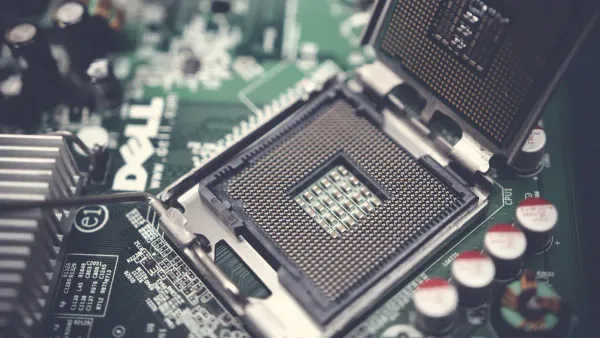
A successful thermal design guide starts with understanding the source of the problem. Effective thermal management solutions depend on identifying where heat originates within HiSilicon AI SoCs. This analysis is the first step toward creating robust cooling systems.
HEAT SOURCES IN AI SOCS
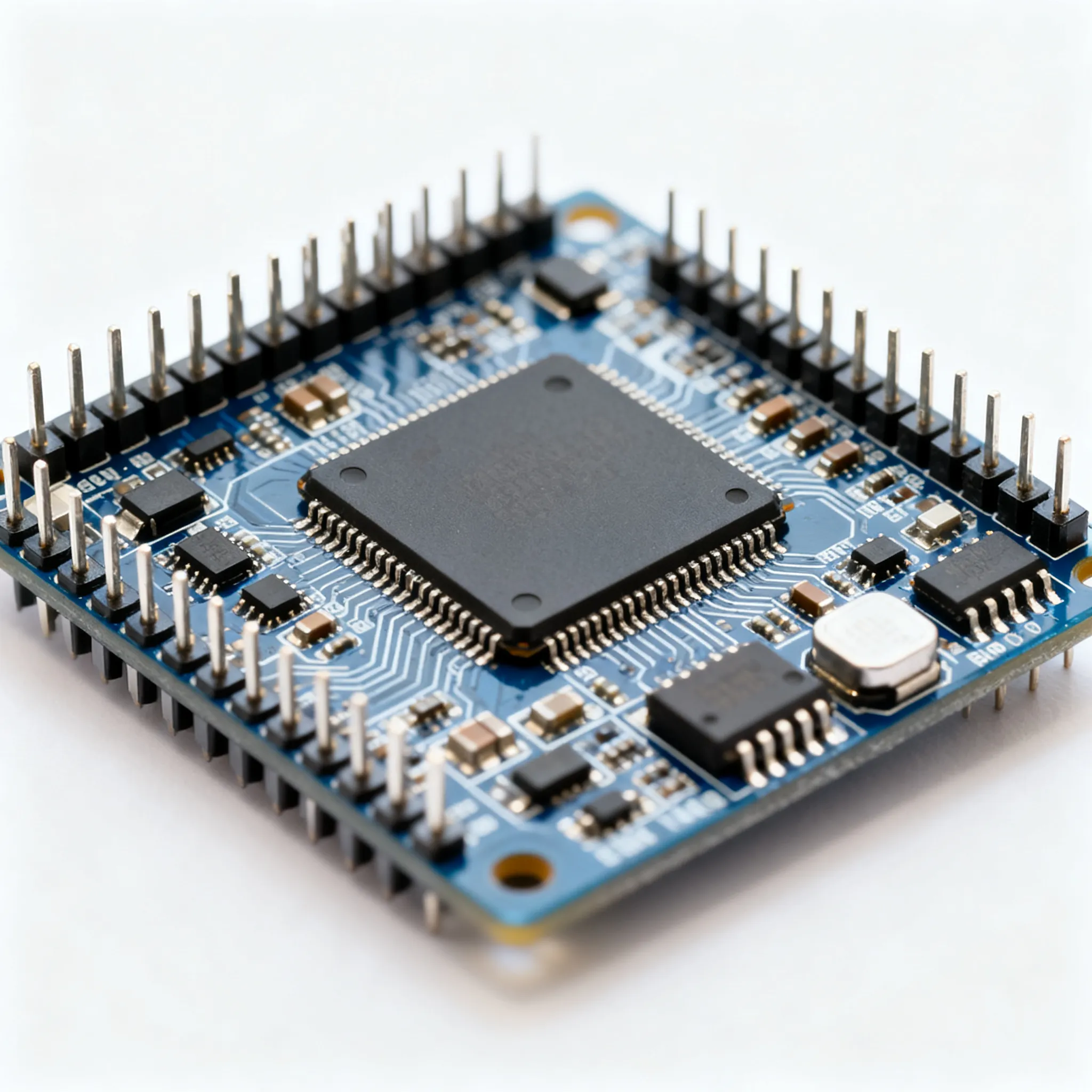
The primary source of heat in AI SoCs is the constant switching of millions of transistors. Key components like the CPU, GPU, and the specialized Neural Processing Unit (NPU) are major heat generators. These units perform the intense computing required for AI tasks. Their collective activity produces significant thermal output, making efficient cooling essential for all systems.
IMPACT OF AI AND ML WORKLOADS
AI and ML workloads create sustained, high-intensity computing demands. Unlike short bursts of activity, these workloads keep the SoCs operating at high capacity for long periods. This leads to continuous heat generation that challenges thermal management. For example, under continuous inference workloads, some SoCs manage heat better than others. The Kirin 9000E can sustain a higher core frequency of around 2.7GHz. In contrast, a competing SoC like the Snapdragon 870 often operates below 2.5GHz to manage its thermal output. This shows how workloads directly impact performance.
THERMAL DESIGN POWER (TDP)
Thermal Design Power (TDP) is a critical metric for designing cooling solutions. It represents the maximum heat a component generates that its cooling system must dissipate. High-performance computing SoCs for AI data centers have very high TDPs. For instance, the Huawei Ascend 910C AI SoC has a power consumption of approximately 310 watts. This high energy figure demands advanced thermal cooling, often including liquid cooling, to maintain optimal performance and energy efficiency in high-performance computing devices. Proper thermal management is key to handling such energy levels.
THE RISKS OF POOR THERMAL MANAGEMENT
Inadequate thermal management leads to severe consequences. The most immediate risk is thermal throttling, where the SoC intentionally reduces its performance to lower heat output. This directly compromises computing power and efficiency. Over the long term, the damage is even more significant. High temperatures drastically shorten the lifespan of electronic components.
⚠️ Critical Warning: For every 10°C increase in operating temperature above its rating, an electronic component's lifespan can be reduced by 50%. This rule highlights the urgent need for powerful cooling, including liquid cooling systems, to protect the investment in advanced AI hardware. Without proper liquid cooling and thermal solutions, the reliability of AI systems is at risk.
ESSENTIAL THERMAL PRINCIPLES
Understanding fundamental thermal principles is essential for designing effective cooling solutions for HiSilicon AI SoCs. A successful thermal strategy for these powerful SoCs relies on managing heat transfer through three primary mechanisms. Proper thermal management for SoCs requires a deep knowledge of these principles. This knowledge enables the creation of efficient cooling systems, including advanced liquid cooling setups.
CONDUCTION
Conduction is the transfer of heat through direct physical contact. Heat moves from the hot AI SoC die, through the thermal interface material, and into the heat sink. The material's ability to conduct heat is measured by its thermal conductivity. Materials with higher values transfer heat more efficiently. This is a core concept for the thermal cooling of SoCs.
| Material | Thermal Conductivity (W/mK) |
|---|---|
| Aluminum 6061 | 150 - 201 |
| Copper C110 | 390 |
Copper's superior thermal conductivity makes it a premium choice for high-performance cooling solutions for SoCs, while aluminum offers a good balance of performance and cost. This is a key consideration for any thermal design, including liquid cooling systems.
CONVECTION
Convection moves heat away from a surface using fluid flow, such as air or a specialized liquid. Natural convection relies on hot air rising, while forced convection uses fans or pumps to accelerate the cooling process. Forced convection generally provides greater heat transfer. It moves more fluid to carry absorbed heat away from the SoCs. This is why many systems for SoCs use fans. However, in some compact electronics, a conduction-based model with natural convection can offer superior cooling. This is a critical factor for the thermal design of SoCs. Advanced liquid cooling for SoCs leverages forced convection for maximum thermal performance.
RADIATION
Radiation releases thermal energy as electromagnetic waves. A heat sink with high surface emissivity (its effectiveness in emitting energy) can radiate a significant amount of thermal energy. In some electronic arrays, thermal radiation can account for 33% of the total heat transfer. This makes surface finish an important part of a cooling strategy. This principle is vital for the passive cooling of SoCs. It complements both standard and liquid cooling methods. The right thermal design for SoCs considers all cooling paths.
THERMAL RESISTANCE AND BUDGETING
Thermal budgeting treats the cooling path as an electrical circuit. Each component, from the SoC die to the ambient air, has a thermal resistance. The goal is to minimize the total thermal resistance to keep the SoC's temperature below its maximum limit.
A lower total thermal resistance allows for more efficient heat dissipation, ensuring the SoC operates within a safe thermal envelope. This is the ultimate goal of any cooling design, from simple air cooling to complex liquid cooling.
Engineers must budget this resistance across the entire thermal solution to ensure reliable cooling for the SoCs. Effective thermal budgeting is the foundation of a successful liquid cooling or air cooling system.
PRACTICAL COOLING STRATEGIES
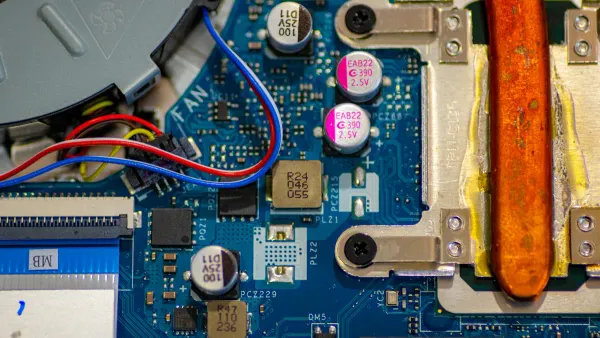
Applying thermal principles requires practical strategies. The right cooling approach for HiSilicon AI SoCs depends on the device's power, size, and application. A successful design moves from theory to a tangible solution that ensures peak performance. This involves selecting and combining passive, active, and board-level thermal management solutions. For the most demanding AI workloads, advanced thermal solutions like data center liquid cooling become necessary.
PASSIVE COOLING FOUNDATIONS
Passive cooling relies on conduction, convection, and radiation without using fans. This method is ideal for low-power SoCs in silent or sealed devices. The effectiveness of passive cooling depends heavily on the SoC's Thermal Design Power (TDP). SoCs with a lower TDP are better candidates for fanless designs. For example, CPUs with a TDP between 10W and 65W can often work in fanless PCs, but anything higher usually requires active cooling.
The architecture of the SoC plays a major role. ARM-based SoCs are designed for efficiency, making them suitable for passive cooling in many scenarios.
| Architecture | Typical TDP Range | Key Characteristics |
|---|---|---|
| ARM | 2W to 15W | Designed for low-power embedded use; efficient sleep states. |
| x86 | 6W to 35W | Higher base clock speeds; greater multi-threading capabilities. |
These TDP ranges show why passive cooling is a viable starting point for many edge AI devices built with energy-efficient SoCs.
HEAT SINK SELECTION
The heat sink is the cornerstone of most thermal solutions. Selecting the right one involves balancing material, fin design, and size.
- Material: Copper (≈400 W/m·K) offers superior thermal conductivity but is heavier and more expensive than aluminum (≈205 W/m·K). Aluminum provides a great balance of cost and performance for many applications.
- Fin Type: The fin design impacts how well a heat sink interacts with air. Extruded heat sinks are cost-effective and work well with good airflow. Skived heat sinks have much thinner, denser fins. This design increases surface area by 30-50%, making them excellent for high-density cooling in compact spaces with limited airflow.
- Sizing: The heat sink must be large enough to dissipate the heat from the SoCs but small enough to fit the product's form factor. For space-constrained edge AI devices, geometry optimization and specialized fin structures are critical.
The choice between fin types often comes down to the environment. Skived fins provide lower thermal resistance, making them superior for passive cooling setups.
| Parameter | Skived Aluminum | Skived Copper | Extruded Aluminum |
|---|---|---|---|
| Fin thickness (mm) | 0.25–0.5 | 0.25–0.5 | 1.5–3.0 |
| Fin spacing (mm) | 0.5–1.0 | 0.5–1.0 | 1.5–5.0 |
| W/m²K per fin area | 10–15 W/m²K | 12–18 W/m²K | 5–9 W/m²K |
This data shows skived fins offer a higher heat transfer rate per area, a key advantage for high-density cooling systems.
ACTIVE COOLING METHODS
Active cooling uses energy to move heat away from the SoCs. This is necessary when passive methods are insufficient for high-TDP AI chips. While fans are common, other advanced thermal solutions exist.
Thermoelectric Coolers (TECs): These solid-state devices, also known as Peltier devices, use electricity to create a temperature difference. A TEC can cool a component below the ambient temperature. They are used in everything from portable coolers to the thermal management of EV batteries. For high-power SoCs, a TEC combined with a heat sink or liquid block provides powerful spot cooling.
Synthetic Jet Actuators: These devices produce pulsating jets of air without any moving parts like fan blades. They offer several advantages for compact electronics:
- Precise Airflow: They can direct cooling to specific hotspots on a chip.
- High Efficiency: They achieve higher heat transfer with less airflow than fans.
- Quiet Operation: They can reduce system noise by allowing main system fans to run at lower speeds.
- Reliability: No moving parts means less wear and tear over time.
These methods provide powerful cooling options beyond traditional fans, enabling unique and reliable product designs.
FAN IMPLEMENTATION BASICS
Fans are the most common active cooling method. Selecting the right fan requires understanding two key metrics:
- Airflow (CFM): Cubic Feet per Minute measures the volume of air a fan can move. High CFM is good for open spaces with low resistance.
- Static Pressure (mmH2O): This measures a fan's ability to push air through obstacles. High static pressure is critical for densely packed systems with heat sinks and filters.
Engineers use a Fan Performance Curve to find the right balance. This graph helps match a fan to the system's specific resistance (impedance) to find an optimal operating point. For densely packed AI hardware, a centrifugal fan (blower) with high static pressure is often better than an axial fan with high CFM.
🎧 Design Constraint: Noise, measured in decibels (dBA), is a critical factor. Higher RPMs increase both cooling and noise. The goal is to achieve the required thermal performance at an acceptable noise level.
LIQUID COOLING OPTIONS
For the most powerful HiSilicon AI SoCs, especially in data centers, air cooling reaches its limits. Liquid cooling offers superior thermal performance. A liquid, like water or a dielectric fluid, has a much higher heat capacity than air. This allows it to absorb and transport heat more effectively.
There are two primary types of liquid cooling solutions:
- Direct-to-Chip Cooling: A liquid flows through a cold plate mounted directly onto the SoC. This is one of the most common liquid cooling systems for high-performance CPUs and GPUs. It is a core technology for data center liquid cooling.
- Immersion Cooling: The entire server or board is submerged in a non-conductive liquid. This method provides the ultimate thermal performance and is used for extreme high-density cooling applications.
Implementing liquid cooling systems requires careful engineering to manage pumps, tubing, and coolant. However, the superior efficiency of liquid cooling unlocks the full potential of high-TDP AI SoCs. The liquid cooling capabilities of these systems are unmatched by air.
THERMAL INTERFACE MATERIAL (TIM) SELECTION
A Thermal Interface Material (TIM) fills microscopic air gaps between the SoC and its heat sink. Air is a poor conductor of heat, so a good TIM is essential for effective thermal transfer. The goal is to create a minimal Bond Line Thickness (BLT), as a thinner layer reduces thermal resistance.
Common TIM types include:
| TIM Type | Ideal Use Case | Typical BLT |
|---|---|---|
| Thermal Paste/Grease | General purpose, high performance. | 15 µm to 50 µm |
| Thermal Pads | Filling larger, uneven gaps. Easy to apply. | 70 µm to 2 mm |
| Phase Change Materials | High-reliability applications. Solid at room temp, liquid at operating temp. | 15 µm to 50 µm |
Phase change materials offer excellent long-term reliability. They resist the "pump-out" effect that can degrade thermal paste performance over many heating and cooling cycles. This makes them a strong choice for enterprise and industrial systems where longevity is key.
PCB-LEVEL THERMAL STRATEGIES
Effective thermal management starts at the Printed Circuit Board (PCB) level. The PCB itself can be designed to help dissipate heat from the AI SoC.
- Thermal Vias: These are small, copper-plated holes drilled under the SoC. They act as pipes, conducting heat from the chip down to large copper planes within the PCB's inner layers. Using a high-density array of copper-filled microvias is a powerful technique for cooling BGA-packaged SoCs. A 10-layer board with over 200 thermal vias can achieve 30% lower thermal resistance.
| Via Parameter | Recommendation |
|---|---|
| Via Diameter | 0.1–0.2mm (microvias) |
| Via Pitch | ≤1.5× via diameter |
| Copper Fill | Electroplated solid copper |
- Copper Pours: Using large, solid areas of copper for ground or power planes turns the PCB into a heat spreader. These pours pull heat away from the SoC and distribute it over a wider area. This simple technique can lower thermal resistance by up to 40% compared to using only thin traces. These solutions are fundamental to modern high-density cooling designs.
VALIDATION AND BEST PRACTICES
Designing a cooling solution is only half the battle. Validation ensures the chosen thermal management solutions work effectively in the real world. This phase confirms that the cooling design maintains optimal performance and reliability for HiSilicon AI SoCs. Proper validation turns a theoretical design into a proven success for complex systems.
THERMAL STRESS TESTING
Thermal stress testing pushes SoCs to their limits to verify the cooling system's effectiveness. Engineers run intensive software benchmarks to generate maximum heat. While tools like 3DMark measure graphics performance, they also provide critical thermal data. Its graphs show CPU frequency and temperature over time. This data reveals if the cooling solution prevents the SoCs from thermal throttling under heavy loads, which is essential for sustained performance. This testing validates the entire thermal design.
REAL-TIME TEMPERATURE MONITORING
Continuous monitoring provides direct insight into the thermal behavior of SoCs. Engineers use specific tools to read internal sensor data. For many HiSilicon SoCs, a simple command-line tool offers access to this vital thermal information.
The
ipctoolprovides a direct way to check the chip's temperature.# ipctool --temp 50.69
Advanced systems may use APIs to stream raw thermal data for more complex thermal management. Accessing this data is fundamental for any dynamic cooling strategy.
DESIGN FOR MANUFACTURING (DFM)
DFM principles ensure that a thermal solution is not just effective but also manufacturable at scale. This involves designing the cooling components for easy and consistent assembly. Good DFM for thermal systems considers tolerances for TIM application and heat sink mounting. It guarantees that every unit produced delivers the same high-level cooling performance. This step is crucial for the commercial success of products using high-power SoCs.
LONG-TERM RELIABILITY
Effective thermal management is the key to long-term product reliability. Consistent cooling prevents the slow degradation of electronic components caused by excess heat. A well-validated cooling design ensures the SoCs operate within their safe temperature range over many years. This protects the hardware investment and maintains system performance throughout the product's lifespan. Reliable thermal management solutions are non-negotiable for enterprise-grade systems.
A universal approach for cooling HiSilicon AI SoCs is ineffective. This thermal design guide shows that successful thermal management solutions for SoCs depend on a systematic process. The right thermal cooling solutions manage heat effectively.
The process for optimal thermal cooling for SoCs involves four key steps:
- Analyze the thermal load of the SoCs.
- Design tailored cooling solutions.
- Implement the thermal cooling plan.
- Validate the cooling performance.
Mastering thermal management unlocks the full performance of AI SoCs. This thermal design guide provides the necessary cooling solutions. Excellent thermal cooling and heat solutions ensure the longevity of high-performance AI SoCs. This is the goal of thermal cooling for all SoCs.
FAQ
Why is data center liquid cooling superior for AI SoCs?
Data center liquid cooling offers unmatched thermal performance. Liquid absorbs thermal energy better than air. This superior cooling maintains lower temperatures for SoCs under intense AI workloads. The efficiency of data center liquid cooling and its thermal solutions enables peak computing performance in high-performance computing systems.
What is the first step for a thermal cooling design?
The initial step involves analyzing the thermal load of the SoCs. Engineers must understand the thermal output from specific AI workloads. This thermal analysis guides the selection of all cooling solutions, from basic thermal pads to advanced data center liquid cooling systems for high-density cooling.
Can liquid cooling improve energy efficiency?
Yes, liquid cooling systems significantly boost energy efficiency. Fans in air cooling systems consume substantial energy. Liquid cooling requires less power to achieve superior thermal results. This reduction in energy use lowers operational costs for high-performance computing devices and large-scale systems.
How does high-density cooling manage powerful AI workloads?
High-density cooling systems are essential for modern AI data centers. These thermal solutions manage immense heat from clustered SoCs. Effective high-density cooling, including data center liquid cooling, prevents thermal throttling. This ensures sustained computing power for demanding AI workloads and complex thermal challenges.
What makes thermal management vital for SoCs?
Proper thermal management is critical for the reliability of SoCs. Effective cooling prevents overheating. This protection extends the lifespan of all electronic systems. A robust thermal cooling strategy, including liquid cooling solutions, ensures consistent performance and protects the hardware investment from thermal damage.