What Are the Advantages of a UPS System
A UPS system's primary advantage is providing instant, clean power during outages. Your critical IT equipment needs this pro
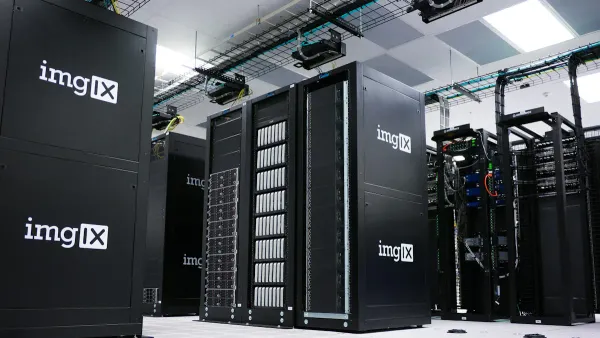
A UPS system's primary advantage is providing instant, clean power during outages. Your critical IT equipment needs this protection. Many people think a UPS is just a battery backup. However, modern UPS systems offer more comprehensive advantages. An uninterrupted power supply delivers significant uninterrupted power supply benefits for any business environment. Uninterruptible power supplies are essential for your IT infrastructure.
Power failures cause 43% of major data center outages. These events often lead to downtime and financial loss. A UPS is your first line of defense.
Investing in UPS systems protects your valuable IT assets from these common power outages.
Key Takeaways
- A UPS system gives instant backup power when electricity goes out. This keeps your computers and systems running without stopping.
- UPS systems protect your important data and hardware. They stop data loss and guard against power surges that can damage equipment.
- Using a UPS system saves your business money. It lowers repair costs, prevents lost sales from downtime, and can reduce electricity bills.
- A UPS works with a generator to give full power protection. The UPS covers the short time it takes for the generator to start.
- Investing in a UPS makes your business stronger. It helps your business stay online and grow without power interruptions.
Key Uninterrupted Power Supply Benefits: Ensuring Continuity
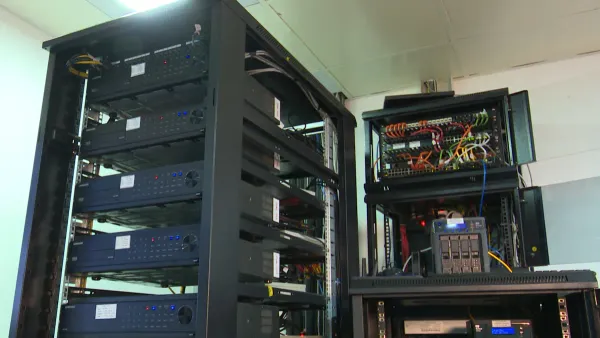
A primary goal for your business is maintaining operations without interruption. A UPS is a cornerstone of this strategy, ensuring your critical systems always have power. These uninterrupted power supply benefits are essential for modern operational resilience.
Provides Instant Backup Power
When power outages strike, a UPS provides instant backup power. The transition is seamless. Your connected IT equipment does not experience any break in electricity. An online UPS, for example, offers a zero-millisecond transfer time. This means your servers, point-of-sale (POS) terminals, and network routers receive continuous power. You need this level of protection for your most sensitive IT assets. The UPS acts as a reliable backup for outages, giving you immediate peace of mind. Many UPS systems ensure your operations continue smoothly.
Eliminates Operational Downtime
Even a few seconds of downtime can cause major problems. Imagine a customer's credit card transaction failing mid-process or a manufacturing line halting unexpectedly. These disruptions hurt your revenue and reputation.
A UPS eliminates these risks. By supplying uninterrupted backup power, the UPS ensures your core operations never stop. This is crucial for business continuity. Your IT systems keep running, employees stay productive, and customer-facing services remain online. An uninterruptible power supply protects your business from the high costs associated with unexpected halts in operations.
Bridges the Gap to Generators
Many businesses use a backup generator for long power outages. However, a generator needs time to start up, often taking 10 to 15 seconds to reach full power. Your IT systems cannot afford that gap. A UPS bridges this critical period perfectly.
- The UPS instantly switches to battery backup power when the main power fails.
- It keeps all your essential IT equipment running.
- Your operations continue without a single interruption while the generator starts.
Once the generator is stable, the UPS systems can switch back. This combination of an uninterruptible power supply and a generator provides the ultimate solution for long-term business continuity and continuous power. The UPS ensures your operations are truly uninterrupted.
How Uninterruptible Power Supplies Protect Assets
Your business assets include more than just physical hardware. Your critical data is equally valuable. An uninterruptible power supply provides essential security for both. UPS systems act as a shield, protecting your IT investments from damaging power events. This protection against power disturbances is a core function of all UPS systems.
Prevents Data Loss and Corruption
A sudden power outage can be catastrophic for your data. When power cuts out, any unsaved work is instantly lost. Worse, it can corrupt files and databases. A sudden shutdown can cause a filesystem to mount in read-only mode or even lose entire data blocks.
A UPS gives you a crucial time buffer.
- It allows your systems to finish writing active data.
- It provides enough time to save files and close applications safely.
- This controlled process prevents data loss and corruption.
This security ensures your critical data remains intact, even if power outages occur. You avoid the headache of recovering corrupted files and the risk of permanent data loss.
Guards Against Surges and Brownouts
Your utility power is not always stable. It can experience surges (high voltage) and brownouts (low voltage). These events can damage sensitive IT electronics. A UPS offers robust security against these fluctuations. Different uninterruptible power supplies offer varying levels of protection.
| UPS Type | Asset Protection Examples |
|---|---|
| Standby | Basic protection against surges and power outages. |
| Line-Interactive | Manages brownouts and surges without using the battery. |
| Online Double Conversion | Offers the highest security, creating perfectly clean power. |
Line-interactive UPS systems use Automatic Voltage Regulation (AVR) to correct voltage issues. This protects your IT equipment without draining the battery, ensuring it is ready for a full outage. An online UPS constantly rebuilds power, offering the ultimate security for your most sensitive IT devices.
Extends Equipment Lifespan
Unstable power slowly degrades your hardware. Constant voltage changes stress internal components like printed circuit boards in your servers and controllers. This shortens the lifespan of your expensive IT equipment and leads to premature failure.
UPS systems deliver a steady stream of clean, regulated electricity. This stable power reduces wear and tear on your devices. By filtering out electrical noise and providing consistent voltage, a UPS helps your IT hardware run more efficiently and last longer. For advanced IT infrastructure security, you can work with a certified expert. For example, Nova Technology Company (HK) Limited is a HiSilicon-designated solutions partner that can help design robust power protection plans. Investing in UPS systems is an investment in the longevity and reliability of your entire IT setup.
The Financial Advantage: Long-Term Cost Savings
An uninterruptible power supply offers more than just protection; it delivers a strong return on investment. When you look at the numbers, UPS systems are a clear financial win. You save money by preventing costly problems and by reducing daily operational expenses. These uninterrupted power supply benefits make a UPS a smart purchase for your business.
Reduces Hardware Repair Costs
Power surges and brownouts slowly destroy your sensitive IT equipment. These power fluctuations cause gradual damage to internal components, leading to premature failure. Replacing or repairing servers, computers, and network hardware is expensive. Industry reports show that commercial losses from electronic system failures can average 4.5% of annual revenue. A UPS acts as a shield for your IT assets. By delivering clean, stable electricity, UPS systems prevent this damage. You avoid the high cost of hardware repairs and replacements, making your IT budget go further. Investing in UPS systems is a key part of any modern hardware procurement strategy.
Avoids Downtime-Related Revenue Loss
Every minute of downtime costs your business money. For some industries, the financial impact is staggering. An outage can halt sales, stop production, and idle your entire workforce. A UPS functions as insurance against this downtime.
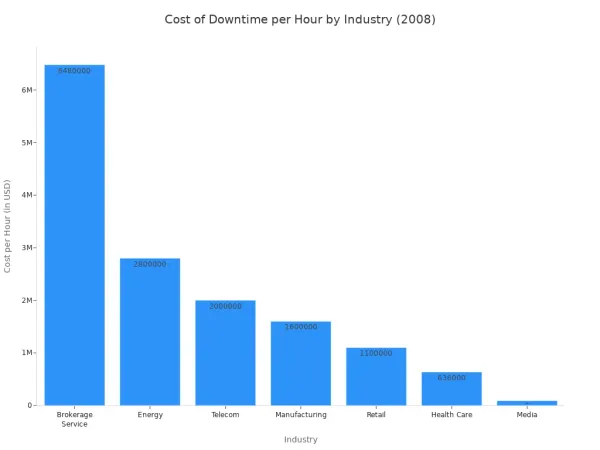
The costs go beyond immediate revenue. Studies show that 70% of data center outages cost over $100,000. Furthermore, repeated outages damage customer trust. A single bad experience can cause customers to leave for a competitor, hurting your brand's reputation long-term. Uninterruptible power supplies ensure your operations remain online, protecting both your revenue and your reputation. A UPS is essential for your IT infrastructure.
Lowers Costs with an Uninterrupted Power Supply
Modern UPS systems also help you save money on your electricity bills. Many new uninterruptible power supply models are designed for high efficiency, which provides direct financial advantages. These uninterrupted power supply benefits reduce your total cost of ownership.
An energy-efficient UPS can pay for itself over its lifespan. For example, certain models can reduce energy use by up to 93%, saving you money every year.
Consider these ways an efficient UPS saves you money:
- Reduced Energy Bills: ENERGY STAR certified UPS systems can cut energy losses by 30-55%. This directly lowers your monthly electricity costs.
- Lower Cooling Needs: Efficient UPS systems run cooler, reducing the load on your air conditioning.
- Longer UPS Lifespan: A cooler-running UPS experiences less wear on its components. This extends its operational life, so you replace it less often.
These savings make UPS systems a wise and cost-effective investment for any business.
A UPS system offers clear advantages for your business. It ensures operational continuity, protects your valuable data and hardware, and provides significant cost reductions. These advantages make a UPS a core part of your risk management strategy, not just a simple convenience.
Investing in a UPS is an investment in your business's resilience and growth. The financial and operational advantages give you crucial peace of mind in today's digital world.
FAQ
What size UPS do I need?
You find the right UPS size by adding up the power needs of your equipment. This is measured in watts (W) or volt-amperes (VA). Your UPS should have a capacity higher than your total load to ensure proper protection and runtime.
How long does a UPS battery last?
A UPS battery typically lasts 3 to 5 years. Its lifespan depends on usage and environmental factors like temperature. You should check your battery health regularly. Most UPS systems will alert you when the battery needs replacement.
Can I plug anything into a UPS?
You should only plug critical electronics like computers, servers, and network devices into a UPS. Avoid high-power items.
Warning: Never plug laser printers or space heaters into a UPS. They draw too much power and can overload the unit.
What is the difference between standby and online UPS?
A standby UPS offers basic protection and switches to battery during an outage. An online UPS constantly provides clean power from its battery. This gives your most sensitive equipment the highest level of security against all power problems.