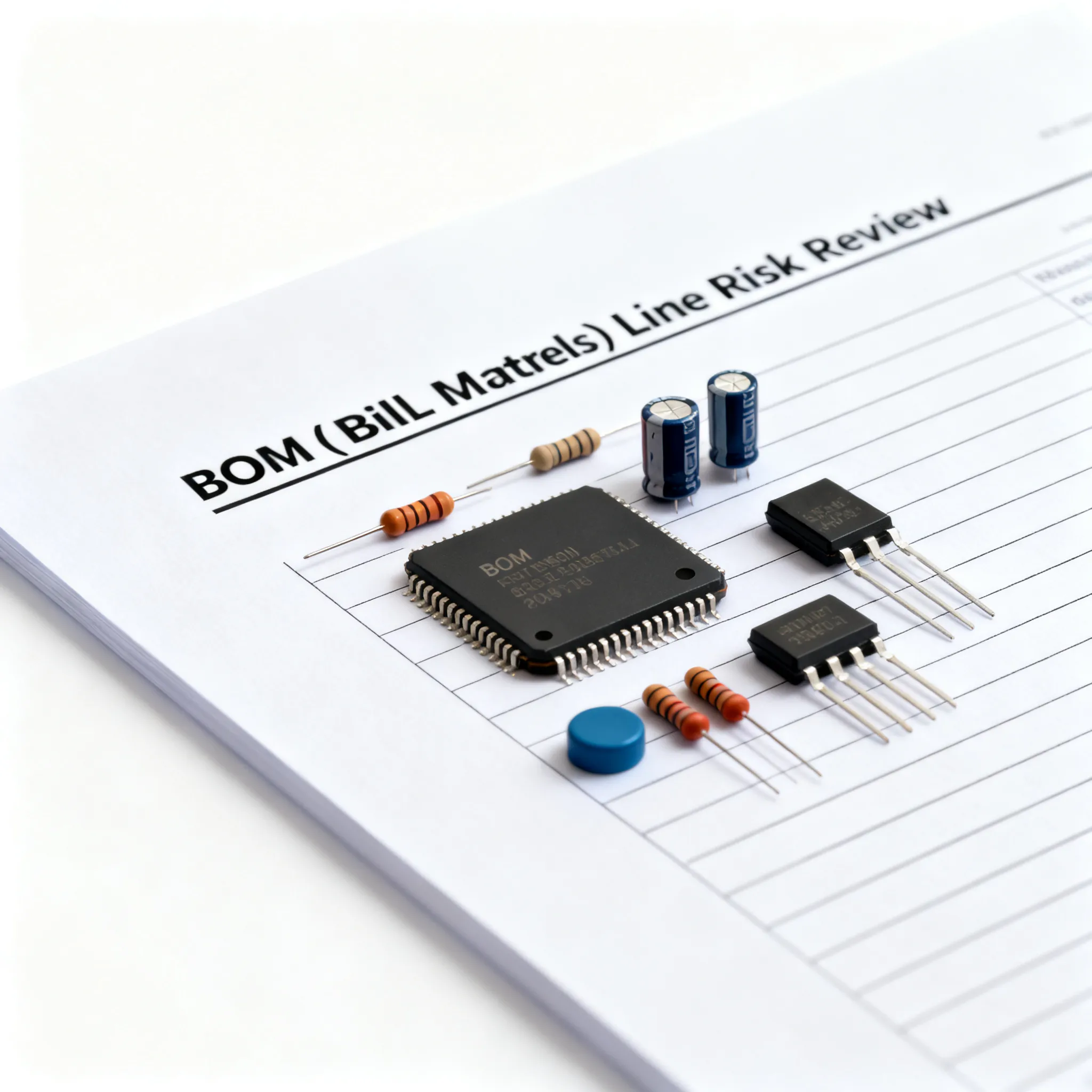
What Does PDT Stand For in Relay Technology
You may have seen the term pdt full form relay while searching for electronic components. Many people misunderstand what PDT
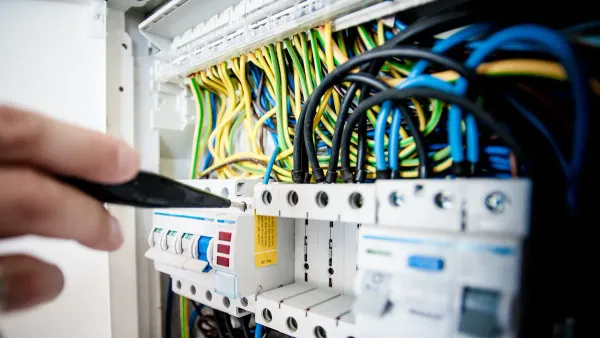
You may have seen the term pdt full form relay while searching for electronic components. Many people misunderstand what PDT means in relay technology. In online forums, you can find users asking about DPDT relays, showing that confusion exists.
- There are discussions about DPDT relays.
- Questions often mix up DPDT and PDT.
- Some people believe PDT is a standard relay type.
Understanding the correct terminology helps you select the right relay for your project.
Key Takeaways
- PDT is often confused with DPDT, but it is not a standard relay term. Always verify relay types to avoid mistakes.
- Understanding relay contact types like SPDT and DPDT is crucial for selecting the right relay for your project.
- DPDT relays can control two circuits simultaneously, making them ideal for applications like motor direction control.
- Always check the relay's datasheet for specifications like voltage rating and contact arrangement to ensure compatibility with your circuit.
- Using correct terminology in relay discussions helps prevent misunderstandings and ensures effective communication among engineers.
PDT Full Form Relay Meaning
What Is PDT
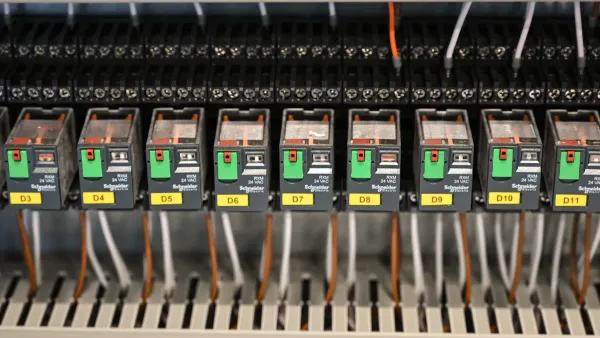
You might wonder what pdt full form relay means when you see it in datasheets or online discussions. In the world of electronics, you often see many types of relays, each with its own contact arrangement. The term "PDT" appears in some places, but you will not find it in official relay standards or handbooks. If you look in the Engineers' Relay Handbook or the standards from the National Association of Relay Manufacturers, you will not see "PDT" listed as a recognized contact type.
Most relay experts agree that pdt full form relay is not a standard term. Instead, people often use it by mistake when they mean something else. You might see "PDT" used when someone wants to talk about a relay with a certain contact arrangement, but this can cause confusion. In electronics, using the correct contact terms helps you pick the right relay for your circuit.
When you choose a relay, you need to know how many circuits it can switch and how the contacts work. The most common contact types are SPDT (Single Pole Double Throw) and DPDT (Double Pole Double Throw). These terms tell you how many contacts the relay has and how they connect. If you see "PDT" in a product listing, you should check the datasheet or ask the supplier for more details. This helps you avoid mistakes in your electronic projects.
Note: Always check official relay standards like EN 50005:1976 or the Engineers' Relay Handbook for the correct contact terminology.
PDT vs DPDT
You may see pdt full form relay used in place of DPDT, but these two are not the same. DPDT stands for Double Pole Double Throw. This means the relay has two separate circuits, and each circuit has two possible contact positions. You can use a DPDT relay to control two different signals at the same time. This is very useful in integrated circuits and other electronic devices.
Let’s look at the differences between SPDT and DPDT relays in the table below:
| Feature | SPDT Switch | DPDT Switch |
|---|---|---|
| Number of Circuits | 1 | 2 |
| Number of Connections | 3 (NO, NC, Common) | 6 (2 NO, 2 NC, 2 Common) |
| Operation | Single circuit control | Simultaneous control of two circuits |
| Typical Applications | Simple switching tasks | Switching two independent signals |
You can see that a DPDT relay has more contacts than an SPDT relay. Each pole in a DPDT relay has a set of contacts: one normally open (NO), one normally closed (NC), and one common. This gives you a total of six contacts in a DPDT relay. When you activate the relay, both sets of contacts switch at the same time. This lets you control two circuits with one relay coil.
- You use DPDT relays for switching two independent signals.
- For example, one circuit can send a low-level signal for processing, while the other drives a relay for another device.
If you see pdt full form relay in a catalog or online, remember that it is not a standard relay type. Always look for the correct contact arrangement, such as SPDT or DPDT, to make sure you get the right relay for your project. Using the right contact terminology helps you avoid confusion and ensures your electronic circuits work as expected.
Relay Types Explained
SPDT and DPDT
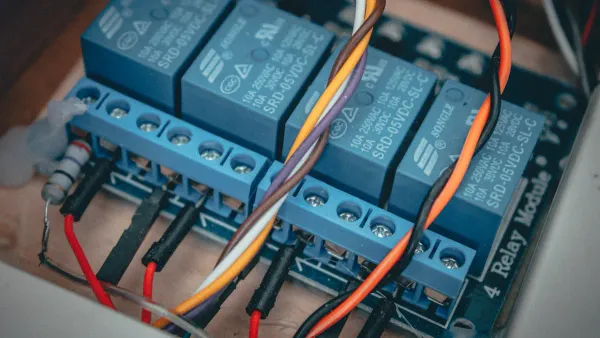
You will often see SPDT and DPDT relays in electronic circuits. SPDT stands for Single Pole Double Throw. This relay has one set of contacts that can connect to either of two outputs. You can use it to switch between a main and backup power source or to reverse the direction of a motor. DPDT means Double Pole Double Throw. This relay has two sets of contacts, so you can control two circuits at the same time.
Here is a table to help you compare SPDT and DPDT relays:
| Characteristic | SPDT | DPDT |
|---|---|---|
| Number of Poles | 1 | 2 |
| Number of Throws | 2 | 2 |
| Circuits Controlled | 1 | 2 |
| Terminals | 3 | 6 |
| Applications | Single circuit control | Dual circuit control |
| Operation | One circuit at a time | Two circuits simultaneously |
You will find that SPDT relays have three terminals: common, normally open contact, and normally closed contact. DPDT relays have six terminals, with each pole having its own set of contacts. In control systems, you might use a DPDT relay to split signals between an alarm and a PLC input. This setup gives you redundancy and higher reliability.
Tip: When you need to control more than one circuit or want backup control, choose a DPDT relay for your project.
Other Relay Variants
Besides SPDT and DPDT, you will find many other relay types in electronics. General-purpose relays are common in both industrial and consumer devices. Power relays handle high current, making them useful for switching motors or large loads. Reed relays use a special contact design that allows fast switching and less wear, which is great for logic circuits and sensor interfaces.
You may also see solid-state relays. These use semiconductors instead of moving contacts, so they switch faster and last longer. Time-delay relays add a delay before the contact changes state, which helps in timing applications. Force-guided contact relays are important in safety systems because they prevent both the normally open and normally closed contacts from closing at the same time.
- Electromechanical relays use electromagnetic coils to move contacts.
- Solid-state relays work well in high-performance environments.
- Reed relays are best for fast, low-power switching.
Each relay type has a unique contact arrangement and purpose. When you select a relay, always check the contact type and make sure it fits your electronic circuit needs.
Common Misconceptions
PDT in Relay Context
You may have seen the term PDT used when talking about relays, but this can cause confusion. Many people think PDT is a standard relay type, but experts do not list it as an official term. In educational materials, experts explain that PDT stands for "Pole Double Throw." This usually refers to a single pole double throw (SPDT) relay. You should always use clear terminology when you talk about relay types. This helps you avoid mistakes when choosing a relay for your circuit.
- Experts point out that using the correct contact terms is important.
- They say you should compare a PDT relay with a single pole single throw (1PST) relay based on your needs.
- If you see PDT in a datasheet, check if it means SPDT or something else.
When you select a relay, look at the contact arrangement. Each relay has a different number of contacts and ways to connect circuits. Using the right contact type helps your electronic project work as planned. If you are not sure, ask the supplier or check the relay’s datasheet.
Note: Always use the terms SPDT or DPDT when you describe relay contact types. This keeps your communication clear.
Programmable Data Terminal Confusion
Sometimes, you might see PDT used in a different way. In some industries, PDT stands for Portable Data Terminal. This is not related to relays or contacts in electronics. A portable data terminal is an electronic device with a screen and a barcode reader. People use these devices in stores, warehouses, and hospitals to scan items and access databases.
- Portable data terminals connect to software using wireless technology.
- They help workers manage inventory or track products in real time.
- These devices do not have relay contacts or switch circuits.
If you work with electronic components, remember that PDT in this context does not mean a relay or a contact type. Always check the context to avoid mixing up terms. When you talk about relays, focus on the contact arrangement and use the correct names.
Practical Applications
DPDT Relay Uses
You can use a DPDT relay in many electronic projects. This relay helps you control more than one circuit at the same time. In industrial automation, you often see DPDT relays used for important tasks. Here are some common uses:
- Change motor direction: You can use a DPDT relay to switch the connections of a motor. This lets you make the motor spin forward or backward. Many engineers use this method in robotics and conveyor systems.
- Switch between different loads: A DPDT relay allows you to select between two loads. You can also add a light or display to show which load is active. This helps you manage power in complex circuits.
You often find DPDT relays in control panels, automation systems, and integrated circuits. These relays make it easy to switch contacts and control devices safely.
Selecting the Right Relay
When you choose a relay for your project, you need to look at several factors. Picking the right relay keeps your circuit safe and working well. The table below shows what you should check:
| Criteria | Description |
|---|---|
| Surge Current Durability | Can the relay handle high inrush current without damage? |
| Voltage Rating | Is the relay rated for the voltage in your circuit? |
| Operating Environment | Will the relay work in your temperature, humidity, and vibration conditions? |
| Isolation Between Control & Load | Does the relay protect your control circuit from high voltage or current on the load side? |
| Multiple Contacts | Do you need to control several circuits or a special sequence at the same time? |
You may need a solid state relay for fast switching or a power relay for high current loads. If you want to avoid moving parts, a solid state relay works well in sensitive circuits. For switching heavy loads, an electromagnetic relay or power relay is a good choice.
Before you buy a relay, you should always check the relay’s datasheet. Engineers test relays under real conditions to make sure they work as needed. You should look at the type of load, the contact material, and the contact arrangement. Always check the maximum switching capacity and durability curves. This helps you pick a relay that fits your project and keeps your electronic components safe.
Tip: Always match the relay’s contact type and rating to your circuit’s needs. This prevents damage and keeps your integrated circuits working smoothly.
You now know that using the wrong form when talking about relays can cause confusion. Many people mix up the form of PDT and DPDT, but only DPDT is a standard relay form. If you use the wrong form, you may face problems in your electronic components or integrated circuits. Always check the form and contact type before you buy a relay. Using the correct form helps you avoid mistakes and keeps your project safe.
- Using the wrong relay form or contact name can lead to misunderstandings among engineers.
- You should always check the relay’s form, contact arrangement, and installation.
- Make sure the form matches your circuit and the contact is secure.
Tip: Always verify the relay form, contact type, and installation to prevent failures in your electronic components.
FAQ
What does PDT mean in relay technology?
You may see PDT in relay discussions, but it is not a standard relay term. Most people confuse it with DPDT, which stands for Double Pole Double Throw. Always check datasheets to confirm the correct relay type for your project.
How do you choose between SPDT and DPDT relays?
You should look at your circuit’s needs. Use SPDT relays for switching one circuit. Choose DPDT relays if you need to control two circuits at the same time. Always match the relay type to your application.
Is PDT the same as a time delay relay?
No, PDT does not mean time delay relay. A time delay relay adds a delay before switching contacts. PDT usually appears by mistake when people mean DPDT or SPDT. Always check the relay’s function before using it in your circuit.
Can you use DPDT relays in integrated circuits?
Yes, you can use DPDT relays in integrated circuits. They help you control two separate signals at once. You often find them in automation, robotics, and control panels for switching tasks.
Why is using the correct relay terminology important?
Using the right relay terms helps you avoid mistakes. You can select the correct relay for your electronic components. This keeps your circuits safe and working as planned.