What is an RTC and Why is it Important in Electronics
A real-time clock, or RTC, is essential for understanding what is an RTC and provides a reliable way to keep track of time i

A real-time clock, or RTC, is essential for understanding what is an RTC and provides a reliable way to keep track of time in electronic devices. You can count on a real-time clock to maintain accurate time, even when your device powers off. Many electronics, like computers and embedded systems, use RTCs to schedule tasks and record events. You avoid manual errors, enjoy enhanced accuracy, and get real-time data collection:
- Automated clock-ins and clock-outs boost precision.
- Digital systems eliminate mistakes from manual tracking.
- Real-time data supports exact timekeeping.
Key Takeaways
- A Real-Time Clock (RTC) keeps accurate time in electronic devices, even when powered off. This ensures reliable scheduling and event logging.
- RTCs use low power, allowing them to run for years on a small battery. This feature is crucial for maintaining time during power outages.
- Different types of RTCs exist, including those with battery backup and supercapacitor modules. Each type serves unique needs in electronic systems.
- Accurate timekeeping from RTCs supports synchronization across devices, which is essential for data integrity and event coordination.
- Choosing the right communication interface, like I2C or SPI, helps integrate RTCs into your projects effectively, enhancing performance and ease of use.
What is an RTC?

Real Time Clock Basics
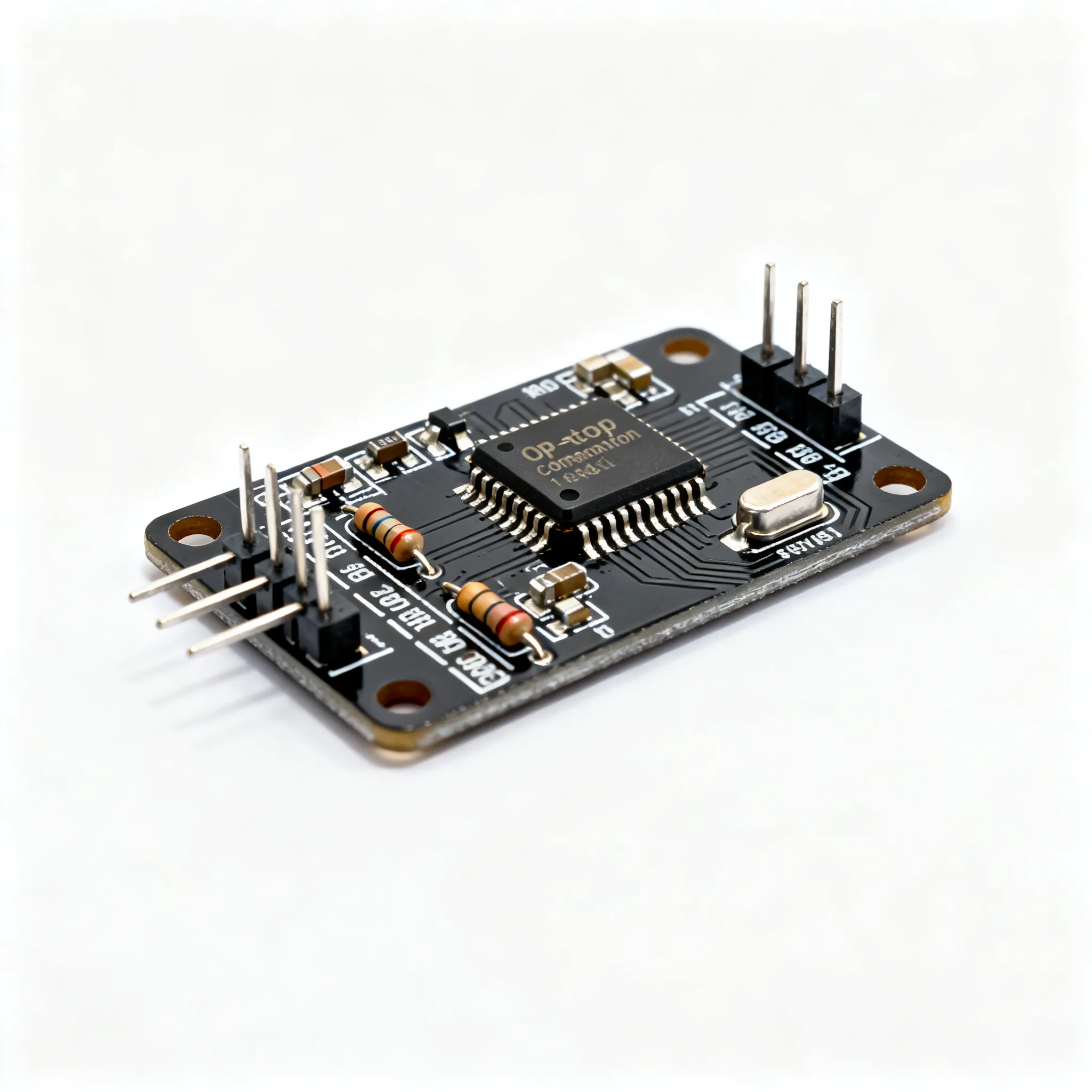
When you ask what is an rtc, you look for a clear answer about its role in electronics. A real time clock is a dedicated integrated circuit (IC) that keeps track of time and date. You find this component in many electronic devices, from computers to smart appliances. The rtc ic uses a crystal unit and an oscillator circuit to generate accurate time data. This setup allows your device to know the exact time, even if you turn it off or lose power.
You can see different types of real-time clocks in electronic systems. Here are some common examples:
- Real Time Clock with Radio: Receives time information from digital radio signals, like LTE or network time protocols.
- Real Time Clocks in Software: Uses timing signals from quartz crystals or ceramic resonators when hardware RTCs are missing.
- Real Time Clock in the Past: Older systems used AC mains to keep time.
You also find specialized rtc module types, such as binary counters, elapsed time counters, and timer clock peripherals. Each type serves a unique purpose in electronic circuits.
Note: Most commercial real-time clocks offer high accuracy. For example, a typical crystal RTC can achieve ±100 to ±20 parts per million, while temperature-compensated models can reach less than 5 parts per million. Some, like the DS3231, provide ±3.5ppm accuracy across a wide temperature range.
Core Function
You rely on a real-time clock to provide stable and accurate timekeeping in your devices. The core function of an RTC goes beyond just counting seconds. It manages the current time, date, and sometimes even calendar functions. Unlike a general-purpose timer, which only measures short intervals, an RTC maintains the correct time and date for long periods, even when the main power is off.
Here is a table that shows how the core function of a real-time clock compares to a general-purpose timer:
| Feature | Real-Time Clock (RTC) | General-Purpose Timer |
|---|---|---|
| Core Function | Provides stable and accurate timekeeping | Measures time intervals with high precision |
| Concerned with Date/Time | Yes | No |
| Precision | Generally to the second | Microseconds or less |
| Power Consumption Concern | Yes, designed to minimize drain | No, operates while the system is running |
| Stability | Maintains time even when powered off | Not concerned with long-term stability |
You use an RTC to keep your device's clock running smoothly. It helps you schedule tasks, timestamp events, and synchronize activities across different systems. The table below highlights the main functions of a real-time clock in electronics:
| Function | Purpose | Use Cases |
|---|---|---|
| Accurate Timekeeping | Keeps track of the current time and date even when powered off. | Timestamping events, scheduling tasks. |
| Maintaining a Calendar | Tracks the current date, including day, month, and year. | Scheduling recurring events, handling calendar functions. |
| Battery Backup for Timekeeping | Allows operation and timekeeping even when main power is off. | Ensuring uninterrupted timekeeping in low-power systems. |
| Synchronization and Timestamping | Provides a reliable time reference for coordinating activities across devices. | Synchronizing data acquisition, timestamping events. |
| Power Management and Wake-Up Events | Triggers interrupts or wake-up signals for low-power states. | Powering down non-essential components, enabling periodic wake-ups. |
| Time-of-Day Functions | Retrieves the current time in hours, minutes, and seconds. | Displaying current time, controlling time-based functions. |
| Time-Stamping Data for Logging and Records | Adds timestamps to data or events for accurate logging. | Logging sensor data, ensuring accuracy in financial transactions. |
| Avoiding Date and Time Drift | Maintains accurate timekeeping over extended periods. | Ensuring long-term accuracy without manual adjustments. |
| Facilitating Time-Dependent Security Functions | Provides accurate time reference for security operations. | Enforcing time-based access restrictions, generating authentication tokens. |
| Enabling Time-Critical Applications | Essential for applications requiring precise timing. | Coordinating tasks in automation, scheduling time-sensitive operations. |
You benefit from using a real-time clock because it ensures your electronic devices always know the correct time. This accuracy supports everything from simple alarms to complex data logging and security features.
How Real-Time Clocks Work
Main Components
When you look inside a real-time clock, you find several important parts that work together to keep time. You see these components in many electronic devices and integrated circuits. Here are the main parts you will find in a standard rtc module:
The rtc ic acts as the brain of the module. It controls how the clock works and stores the time and date. The oscillator circuit creates a steady signal that helps the clock count seconds. The crystal unit, usually a 32768 Hz watch crystal, sets the exact frequency for the oscillator. This combination gives you a stable clock source and ensures high accuracy with very low power use.
You also find extra features in some rtc modules. These can include parallel or serial interface options, ultra-low-power operation, and supervisory functions like alarms and battery switchover. These features help you connect the real time clock to other electronic systems and keep it running even when the main power goes out.
Tip: The oscillator in your rtc module needs careful design. Temperature changes and electrical noise can affect its accuracy. Good circuit layout helps keep the oscillator stable and reduces timekeeping errors.
Timekeeping Operation
You rely on the rtc ic to keep track of time, even when your device loses power or enters low power mode. The real-time clock uses very little current, often as low as 0.25µA during normal operation. When your system shuts down, the standby current drops even more. This ultra-low power use lets the rtc module run for years on a small battery.
Here is a table that shows how different types of real-time clocks handle power loss:
| RTC Type | Power Source | Timekeeping During Power Loss |
|---|---|---|
| Self-powered RTC | Built-in battery | Maintains time during power failure; battery needs replacement |
| Supercapacitor module | Uninterrupted source | Loses time and settings during power loss; no battery needed |
You see that a self-powered rtc module uses a built-in battery to keep time when the main power is off. You need to replace the battery after a few years. A supercapacitor module does not need battery replacement, but it loses time and settings if power is lost.
The oscillator circuit and crystal unit work together to generate a stable frequency. This frequency lets the rtc ic count seconds, minutes, hours, and days. You get accurate time and date information for your electronic device. The rtc module also provides alarms and wake-up signals, helping your system save power and run tasks at the right time.
Note: You use a real-time clock in electronics to make sure your device always knows the correct time. This helps you schedule tasks, log data, and keep your system running smoothly.
RTC Applications

Embedded Systems
You see embedded systems everywhere, from smart thermostats to industrial controllers. These systems rely on a real-time clock to keep accurate time and perform important functions. When you use an embedded device, you benefit from precise timekeeping and reliable scheduling. The rtc ic inside the device helps you track events and manage tasks. You find that the rtc module supports many features in embedded systems.
- Timekeeping and Logging: You use embedded systems in healthcare and automotive devices to record events. The real time clock ensures you get accurate logs for patient care or vehicle diagnostics.
- Task Scheduling and Synchronization: You depend on embedded systems to run tasks at specific times. For example, smart irrigation systems use a real-time clock to water plants at the right moment.
- Time-Sensitive Communication: You rely on embedded systems for communication in GPS devices. The rtc ic helps synchronize actions, so your device sends and receives data at the correct time.
You notice that embedded systems in industrial automation need precise timekeeping. The rtc module lets you schedule tasks and time-stamp data. You optimize battery life because the rtc ic wakes up the system only when needed. You also use the rtc module to analyze and troubleshoot problems by checking accurate time-stamped logs.
Tip: When you design embedded systems, you should choose a real-time clock with low power consumption. This helps your device run longer and keeps time even during power loss.
Microprocessor Systems
You find microprocessor systems in computers, smart appliances, and many other electronics. These systems use a real-time clock to maintain accurate time and date. You rely on the rtc ic for event scheduling and data logging. The rtc module gives your device the ability to wake up from low power mode and perform tasks at set times.
- Accurate Time and Date: You use microprocessor systems to keep track of time for scheduling and logging.
- Event Scheduling: You depend on the rtc ic to trigger events at precise moments, such as turning on a display or starting a recording.
- Low Power Alarm Wake-Ups: You benefit from the rtc module because it allows your device to save energy. The system wakes up only when it needs to log data or perform a scheduled task.
You see that the real time clock is essential for what is an rtc in microprocessor systems. You get reliable timekeeping, better power management, and accurate event tracking. This helps you design electronics that work efficiently and meet your needs.
Synchronization and Timekeeping
Accurate Timekeeping
You depend on accurate timekeeping in every electronic device you use. The rtc ic inside your device works hard to deliver precise time, even when the main power is off. Accurate time is essential for scheduling, logging, and managing events. You see that timekeeping relies on several factors. The table below shows what affects timekeeping in an rtc module:
| Factor | Description |
|---|---|
| Quartz Crystal Oscillator | Provides stability and precision by vibrating at a steady frequency. |
| Temperature Compensation | Adjusts for temperature changes to keep the frequency stable. |
| Low Power Consumption | Lets the rtc ic run longer on backup power. |
| Calibration | Fine-tunes the rtc module for better accuracy. |
| Battery Backup | Keeps timekeeping active during power loss. |
| Digital Counting and Dividing | Reduces errors by counting oscillations digitally. |
| Alarms and Corrections | Helps maintain accurate time by triggering updates. |
| Automatic Leap Year and DST | Handles calendar changes for correct timekeeping. |
| External Synchronization | Updates the rtc module with signals from outside sources. |
| Aging Compensation | Adjusts for changes in the crystal over time. |
Temperature changes can affect timekeeping. When the temperature shifts, the frequency of the oscillator changes. This can cause the rtc module to drift from accurate time. You may notice more synchronization errors if the temperature varies a lot. Devices use compensation methods to keep timekeeping precise.
Tip: You can improve timekeeping by choosing an rtc module with temperature compensation and regular calibration.
System Synchronization
You need synchronization to make sure all parts of your electronic system work together. Synchronization lets devices share the same time reference. This is important for data logging, event ordering, and security. The rtc module provides a stable time base for synchronization across devices.
- Real-time clocks give every device a consistent time reference.
- Synchronization helps coordinate actions and log events in the right order.
- You maintain data integrity in distributed systems with good synchronization.
The table below explains how accurate timekeeping impacts synchronization in electronic systems:
| Aspect | Impact on System Synchronization |
|---|---|
| Consistency and Coherence | Ensures timestamps and time-based decisions are consistent across nodes. |
| Event Ordering | Helps in correctly ordering events to maintain logical consistency. |
| Data Integrity | Aids in conflict resolution and maintaining integrity in concurrent operations. |
| Fault Detection and Recovery | Facilitates efficient fault detection and aids in debugging processes. |
| Security and Authentication | Provides a reliable basis for verifying authenticity in transactions. |
You see that synchronization depends on accurate timekeeping. The rtc ic helps you keep all devices in sync. When you use synchronization, you can trust that your system will work smoothly. You avoid errors, keep your data safe, and make sure every event happens at the right time.
Note: Synchronization is key in electronics. Without it, devices cannot communicate or work together properly. You rely on the rtc module to keep synchronization strong and timekeeping accurate.
RTC Features
Battery Backup
You need your electronic devices to keep time, even when the main power goes out. The battery backup feature in a rtc ic makes this possible. When your device loses power, the rtc ic automatically switches to battery mode. This switch happens instantly, so you never lose track of time. The rtc module uses very little energy in backup mode, which helps the battery last for many years.
Here is a table that shows how battery backup works in a rtc module:
| Feature | Description |
|---|---|
| Automatic Switch-over | The rtc ic switches to battery power when main power is lost. |
| Low Power Consumption | The rtc module uses very little power, so the battery lasts a long time. |
| Memory Maintenance | The rtc ic keeps its memory active, so you do not lose time or settings during power loss. |
You can trust a rtc module to keep the current time, even if you unplug your device. Many rtc modules use lithium coin-cell batteries. These batteries often last up to 10 years, depending on how you use your device and the environment. You benefit from this feature because you do not need to reset the clock after every power interruption.
Tip: You should check the battery in your rtc module every few years to make sure your device always keeps the right time.
Communication Interfaces
You connect your rtc module to other parts of your system using communication interfaces. These interfaces let your microcontroller or processor talk to the rtc ic and read the time. The most common interfaces are I2C and SPI. You often use these in projects with arduino boards.
- I2C is simple and lets you add many devices to the same bus. You can connect several sensors and a rtc module to your arduino with just two wires.
- I2C gives you flow control and error handling, which helps your rtc ic work well in busy systems.
- SPI is faster and supports full-duplex communication. You can send and receive data at the same time, which is useful for real-time tasks.
- SPI needs more wires and chip select lines, so it can be harder to set up with many devices.
Here is a table that highlights key features of these interfaces:
| Feature | Description |
|---|---|
| Speed | SPI is faster than I2C, which helps in real-time applications. |
| Simplicity | I2C is easier to use and set up, especially with arduino projects. |
| Full-duplex Communication | SPI allows you to send and receive data at the same time. |
| Scalability | I2C supports many devices on one bus, while SPI needs more chip select lines for each device. |
| Low Latency | SPI has less delay, which is good for time-sensitive tasks. |
You often choose I2C for arduino projects because it is simple and flexible. You pick SPI when you need higher speed or more precise timing. Both interfaces help your rtc module work smoothly with your electronics.
Note: When you design a system, you should think about how many devices you want to connect and how fast you need to transfer data. This helps you pick the best interface for your rtc ic.
You rely on real-time clocks to keep your electronic devices running smoothly and on time. RTCs help you log events, schedule tasks, and maintain data integrity, even during power loss.
- RTCs support accurate timekeeping in embedded systems and consumer electronics.
- They improve energy efficiency and reliability in devices like wearables and IoT gadgets.
- Precise time tracking helps meet industry standards in fields such as finance and automation.
When you design or use electronics, remember that RTCs make your technology smarter and more dependable.
FAQ
What is the main purpose of an RTC in smart devices?
You use an RTC to keep accurate time in smart devices. This helps your device schedule tasks, log data, and maintain system events. The RTC works even when your device powers off, so you never lose track of time.
How does ntp help synchronize time in electronics?
You rely on ntp to synchronize clocks in electronic systems. ntp stands for network time protocol. It sends time signals over networks. Your smart devices use ntp to match their clocks with global time servers, which keeps all your devices in sync.
Why do smart devices need both RTC and ntp?
You need both RTC and ntp for the best time accuracy. The RTC keeps time when your device is offline. When your device connects to the internet, ntp updates the RTC. This combination gives your smart devices reliable and precise timekeeping.
Can you use ntp in embedded systems without internet access?
You cannot use ntp directly without internet access. ntp, or network time protocol, needs a network connection to reach time servers. In this case, your embedded system depends on the RTC for local timekeeping until it can connect and update.
How do RTCs and network time protocol work together in smart electronics?
You use RTCs for local timekeeping in smart electronics. When your device connects to a network, network time protocol (ntp) updates the RTC. This teamwork ensures your smart devices always show the correct time, even after power loss or network changes.