Why Cap Banks Matter in Contemporary Power Systems
You rely on stable electricity every day, but hidden helpers like the cap bank make that possible. Capacitor banks store and
You rely on stable electricity every day, but hidden helpers like the cap bank make that possible. Capacitor banks store and release energy, which helps correct power factor and keeps voltage steady in your home or business. When you use a capacitor bank, you can cut energy losses dramatically—studies show up to 90% less loss with just two sections.
| Key Findings | Description |
|---|---|
| Reactive Power Compensation | Capacitor banks provide reactive power compensation, reducing energy losses. |
| Optimal Number of Sections | Three to four sections can nearly eliminate reactive power losses. |
| Load Curve Impact | Two sections can reduce losses by 90% across different load patterns. |
Regulatory standards encourage you to adopt these solutions to improve efficiency and support renewables.
Key Takeaways
- Capacitor banks improve energy efficiency by reducing energy losses, potentially saving you up to 90% in losses with the right setup.
- Installing capacitor banks stabilizes voltage levels, protecting your equipment and ensuring reliable power supply.
- Using capacitor banks can lower your electricity bills by improving power factor and reducing penalties from utility companies.
- Regular maintenance of capacitor banks is essential to avoid costly repairs and ensure optimal performance.
- Capacitor banks support renewable energy systems by managing reactive power and enhancing overall grid stability.
Cap Bank Basics
What Is a Capacitor Bank
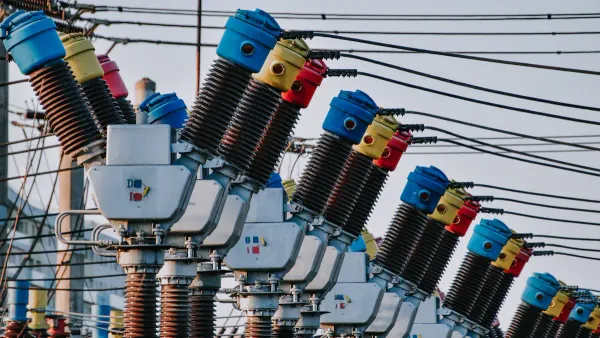
You can think of a capacitor bank as a group of capacitors connected together to store and release electrical energy. These banks help you manage the flow of electricity in power systems. Engineers use different configurations to build capacitor banks, such as delta, star, and double star connections. Each setup has its own strengths. For example, a delta connection works well for voltages below 12 kV and gives you the most reactive power in a small space. A star connection blocks certain unwanted currents but needs higher insulation. Double star connections fit all power levels and voltages and make it easier to spot problems inside the bank.
Capacitor banks also come with built-in safety features. You will find pressure monitoring devices and internal fuses inside many banks. These parts protect your system by stopping faults before they cause damage.
Tip: Choosing the right configuration for your capacitor bank can improve both safety and efficiency in your electrical system.
How Cap Banks Work
A cap bank helps you control the quality of electricity in your home, school, or business. When you use a capacitor bank, it stores energy and releases it when needed. This process helps balance the flow of electricity and keeps the voltage steady.
Capacitor banks work differently in single-phase and three-phase systems. Here is a quick comparison:
| Feature | Single-Phase Capacitors | Three-Phase Capacitors |
|---|---|---|
| Design | One capacitor | Three identical capacitors |
| Application | Homes and offices | Motors, transformers, generators |
| Function | Improve power factor | Reduce voltage distortion |
| Capacitance | Smaller values | Larger values for bigger systems |
You will often see capacitor banks working with other grid technologies. For example, smart meters and energy storage systems can connect with capacitor banks to help manage energy use and improve billing accuracy. In rural areas, these combinations help balance different types of energy and make the whole system more reliable.
Power Factor Correction and Power Quality
Improving Power Factor
You can improve power factor in your electrical system by using capacitor banks. When you connect a cap bank near your equipment, it supplies reactive power compensation. This process helps balance the reactive power that inductive loads, like motors and transformers, consume. You will see this most often in factories and large buildings. If you have a low power factor, your system uses more current, which increases losses and raises your electricity bill.
- Capacitor banks act as reactive current generators, helping you offset the reactive power from inductive loads.
- Installing capacitor banks near the Point of Common Coupling (PCC) boosts power factor between your facility and the grid.
- Low power factor leads to higher kVA demand and more distribution losses, which means you pay more for electricity.
You can use automatic power factor correction systems to keep your power factor at the best level. These systems monitor your load and switch capacitor banks on or off as needed. This keeps your system efficient and helps you avoid penalties from your utility company.
Note: Improving power factor with capacitor banks not only saves money but also makes your electrical system safer and more reliable.
Enhancing Voltage Stability
Capacitor banks help you keep voltage levels steady in your power system. When you add a capacitor bank, it injects reactive power into the network. This support is important for maintaining voltage, especially when you have many inductive loads or when your system faces sudden changes in demand.
You must place capacitor banks carefully. If you install them without considering harmonics, you may face voltage distortion or even equipment failure. Nonlinear loads, such as electric vehicle chargers and renewable energy sources, can create harmonics that interact with capacitor banks. Integrated voltage VAR control studies help you find the best spots for capacitor banks and avoid problems with voltage stability.
If you use capacitor banks with harmonic filters, you can prevent resonance and protect your equipment. This is especially important as more renewable energy and electric vehicles connect to the grid.
Reducing Energy Losses
You can cut energy losses in your system by installing capacitor banks. When you improve power factor, the total current in your wires drops. This means less energy gets lost as heat, and you use electricity more efficiently.
- Improving power factor lowers the total current in your system.
- You save energy and pay less on your bills.
- Loss reduction happens in the distribution network because a higher power factor decreases transmission losses.
Capacitor banks also boost power quality. They stabilize voltage, prevent equipment damage, and reduce the risk of outages. By balancing supply and demand, especially with renewable energy sources, capacitor banks make your grid more stable and reliable.
| Benefit | Description |
|---|---|
| Voltage Stability | Keeps voltage steady and protects equipment |
| Power Quality | Reduces outages and improves reliability |
| Energy Efficiency | Cuts losses and lowers energy costs |
| Reactive Power Compensation | Balances reactive power for better performance |
You will find that capacitor banks are essential for energy storage and frequency control in microgrids. The design and placement of each capacitor bank affect reliability, cost, and lifetime. If you choose the right configuration, you can extend the life of your system and keep your power quality high.
Types of Capacitor Banks
Fixed Capacitor Banks
You can use fixed capacitor banks when your system needs a steady amount of reactive power. These banks stay connected to the power distribution network all the time. You often see them in places where the load does not change much, such as small factories or lighting systems. Fixed capacitor banks help you improve power factor and boost power quality without much effort. They have a simple design, so you do not need complex controls. You just install them and let them work. If your system has stable loads, fixed capacitor banks give you a reliable way to reduce energy losses and keep voltage steady.
Switched Capacitor Banks
Switched capacitor banks give you more control. You can turn them on or off based on your system’s needs. This type of capacitor bank uses switches or automatic controllers to match the changing load. You will find switched capacitor banks in larger buildings, industries, or places with lots of motors. When your load goes up, the bank adds more capacitors. When your load drops, it removes them. This keeps your power factor high and your voltage stable, even when your demand changes. Switched capacitor banks help you avoid overcompensation, which can cause problems in your system.
Tip: Switched capacitor banks work well in systems with variable loads. They help you save energy and protect your equipment.
Applications in Industry and Renewables
You will see capacitor banks in many industries and renewable energy projects. In factories, they support large motors and machines, making sure your power quality stays high. In wind and solar farms, capacitor banks play a key role. They help manage reactive power and keep voltage stable, which is important for connecting these sources to the grid.
| Study Focus | Findings |
|---|---|
| Reactive Power Management | Capacitor banks help in managing reactive power in renewable energy systems, particularly in wind and solar installations. |
| Voltage Stability | The study shows significant improvement in voltage profiles when capacitor banks are utilized. |
| Energy Loss Reduction | The implementation of capacitor banks leads to a remarkable reduction in Total Energy Loss (TEL). |
You benefit from using capacitor banks in renewable energy systems in several ways:
- They correct power factor and support power quality.
- They compensate for the lack of reactive power from wind and solar generators.
- They help reduce energy losses and lower carbon emissions.
- They make your system more reliable and sustainable.
Capacitor banks improve energy efficiency by reducing losses from voltage drops. They also help you meet sustainability goals and increase the market value of your projects. When you use a cap bank in your renewable installation, you make your power distribution system stronger and more eco-friendly.
Economic and Operational Benefits
Cost Savings
You can save money by using capacitor banks in your power distribution system. When you install a cap bank, you improve power factor correction and reduce wasted energy. Lower energy losses mean you pay less on your electricity bill. Many utility companies offer incentives or lower rates if you keep your power factor high. You also avoid penalties for poor power quality.
| Benefit | How It Saves Money |
|---|---|
| Lower energy loss | Reduces monthly electricity costs |
| Fewer penalties | Avoids extra charges |
| Incentives | Earns rebates from utilities |
Capacitor banks help you get more value from every dollar you spend on electricity. You can use the savings to invest in other parts of your business or school.
Equipment Longevity
You extend the life of your electrical equipment when you use capacitor banks. These banks stabilize voltage levels and reduce stress on motors, transformers, and other devices. Reliable power-factor correction keeps your system running smoothly. Harmonic mitigation from high voltage capacitor banks lowers the risk of sudden failures and costly repairs.
When you keep voltage steady, your equipment works under optimal conditions. This means fewer breakdowns and less downtime.
You benefit from capacitor banks in several ways:
- Improve power factor
- Stabilize voltage levels
- Reduce stress on electrical equipment
Capacitor banks protect your investment and help you avoid unexpected expenses.
Return on Investment
You get a strong return on investment when you choose capacitor banks for your power distribution system. The initial cost pays off quickly through lower energy bills and fewer repairs. You also see long-term benefits from better power quality and improved reliability.
Many businesses recover their investment in less than two years. You can track savings by comparing your energy costs before and after installing a capacitor bank. The improved power quality supports your operations and helps you meet sustainability goals.
Smart investments in capacitor banks make your electrical system more efficient and future-ready.
Design and Maintenance
Placement Strategies
You need to place capacitor banks in the right spots to get the best results. The location and size of each bank affect how well your system works. If you put a capacitor bank in the wrong place, you might not see much improvement. You should look at several factors before you decide where to install a bank.
| Factor | Description |
|---|---|
| Loss reductions | You can lower energy losses by placing capacitors where they help the most. |
| Voltage profile improvement | Good placement helps keep voltage levels steady across your network. |
| Loading improvement | You can increase the capacity of your system to handle more load. |
| Power factor correction | Placing banks in the right spot improves power factor and cuts operating costs. |
| Capacitor sizing and location | The size and location of each bank matter for the best performance. |
If you size your capacitor banks properly, you prevent utility penalties and reduce real power losses. Many facilities add 15-20% extra capacity when they first install banks. This lets you grow your system later without replacing everything. You also improve reliability by reducing stress on your equipment.
- You lower real power losses.
- You avoid penalties for low power factor.
- You prepare for future growth.
Harmonic Mitigation
You must control harmonics to keep your system safe and efficient. Harmonics are unwanted currents that can damage equipment and shorten its life. You can use several methods to reduce harmonics:
- Add reactors and chokes to smooth the flow of electricity.
- Use 12-pulse drives with phase shift transformers to cancel out harmonics.
- Install passive filters for a low-cost solution, but watch for resonance at partial loads.
- Use active filters to measure and cancel harmonics in real time.
- Choose low harmonic drives to avoid the problem, though they need more space.
You should design filters carefully to avoid resonance. Start with the lowest harmonic and place filters where the system’s short circuit impedance stays steady. Adding shunt filters and reactors helps tune your system away from harmful interactions.
Tip: Harmonic mitigation protects your equipment and keeps your power quality high.
Preventive Maintenance
You need to check your capacitor banks regularly to keep them working well. Always follow the maintenance schedule from the manufacturer. The frequency of inspections depends on your local conditions, such as temperature and humidity. The type of controller you use also affects how often you should inspect your banks.
- Check for harmonics, which can overload capacitors.
- Watch for changes in load that might cause resonance.
- Replace capacitors that lose capacitance or show signs of failure.
- Disconnect banks during power outages to prevent surges.
You should handle high-voltage capacitors with care. Use insulated gloves and safety glasses. Discharge capacitors safely before working on them. Keep your workspace clean and dry to avoid accidents.
Regular maintenance helps you avoid costly repairs and keeps your system reliable.
Capacitor banks give you powerful tools to improve your electrical system. You boost energy efficiency, stabilize voltage, and support renewable energy. You also lower costs and make your network more reliable.
| Key Benefit | Why It Matters |
|---|---|
| Power Quality | Keeps your equipment safe |
| Energy Efficiency | Saves you money |
| Grid Stability | Handles changing energy demands |
| Scalability | Prepares your system for the future |
- You help your community use cleaner energy.
- You make smart choices for long-term savings.
- You build a network ready for tomorrow’s challenges.
Consider capacitor banks as a smart step toward a stronger, more efficient power system.
FAQ
What does a capacitor bank do in a power system?
A capacitor bank helps you improve power factor and keep voltage steady. You use it to reduce energy losses and make your electrical system work better.
How often should you check your capacitor bank?
You should inspect your capacitor bank every few months. Look for signs of damage or changes in performance. Regular checks help you avoid costly repairs.
Can you use capacitor banks with renewable energy sources?
Yes, you can use capacitor banks with wind and solar systems. They help you manage reactive power and keep voltage stable when you add renewables to your grid.
What happens if you install a capacitor bank in the wrong place?
If you put a capacitor bank in the wrong spot, you may not see much improvement. You could also face problems like voltage distortion or equipment damage.