Benchmarking the 282105-1: Performance Insights for Electronics Engineers
Introduction In the rapidly evolving world of electronics, choosing the right components is critical to the success of any project. The [sku:282105-1] is an essential component for electronics enginee
Introduction
In the rapidly evolving world of electronics, choosing the right components is critical to the success of any project. The 282105-1 is an essential component for electronics engineers looking to optimize performance and reliability in their designs. With the global semiconductor industry projected to reach $595.2 billion by 2026, the stakes have never been higher. This article delves into the specifications, applications, and best practices for using the 282105-1, providing valuable insights for engineers aiming to stay ahead in the industry.
Technical Overview
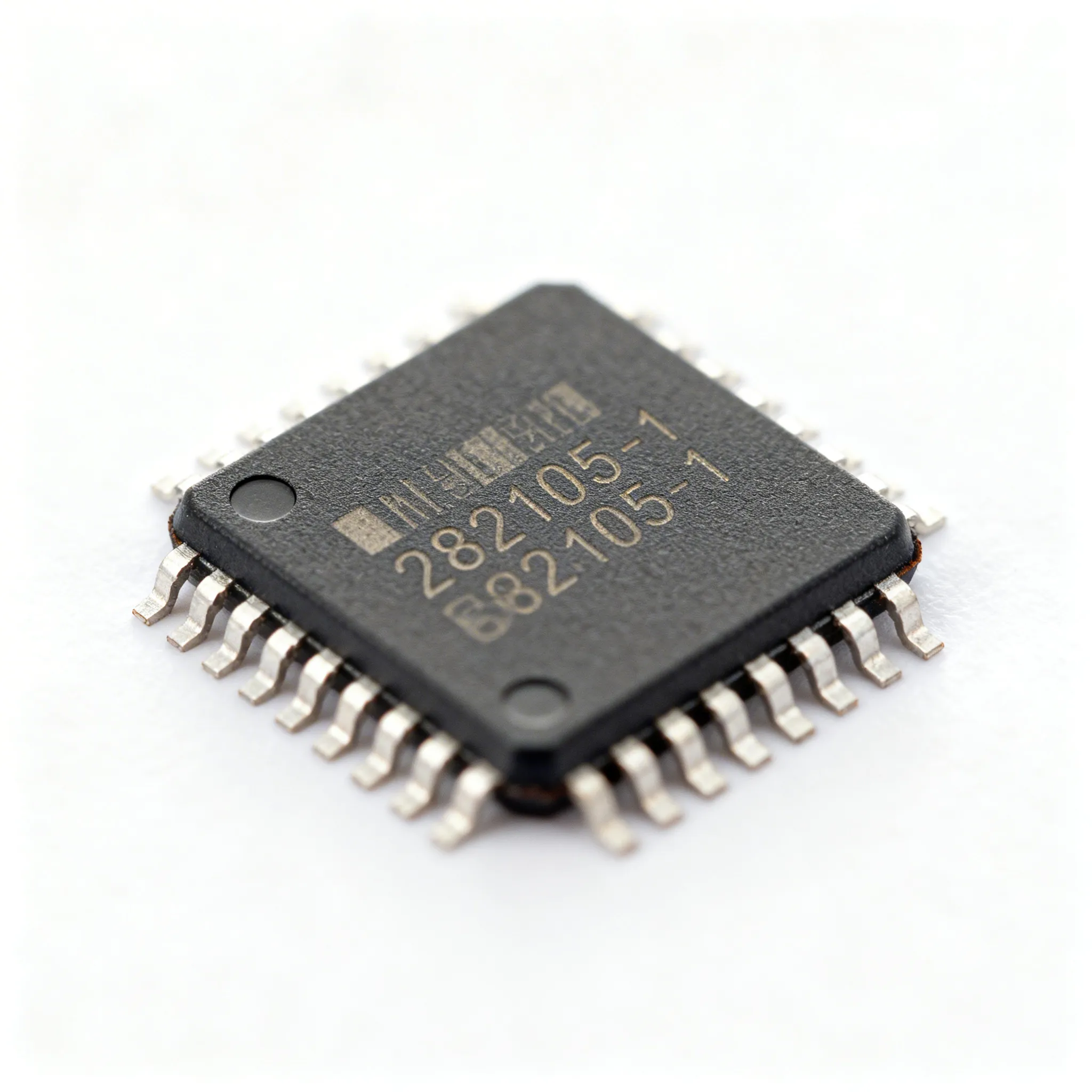
The 282105-1 is a versatile electronic component designed to meet the rigorous demands of modern electronic applications. At its core, this component functions as a connector, facilitating reliable electrical connections in various devices. The quality of these connections is paramount, especially in high-performance applications where signal integrity is critical. By leveraging advanced materials and precision engineering, the 282105-1 ensures minimal signal loss and robust connectivity, which are essential for maintaining the efficiency and longevity of electronic systems.
Understanding the principles behind the 282105-1 involves recognizing its role in the broader context of electronic design. Connectors like the 282105-1 are integral to the functionality of circuits, acting as the bridge between different components. Their design influences the overall performance of the device, affecting factors such as resistance, capacitance, and inductance. Therefore, selecting the right connector involves a careful consideration of these electrical characteristics, alongside thermal and mechanical properties.
Detailed Specifications
| Parameter | Specification | Units | Notes |
|---|---|---|---|
| Voltage Rating | 250 | V | Maximum operating voltage |
| Current Rating | 10 | A | Maximum current capacity |
| Contact Resistance | 20 | mΩ | Resistance across contacts |
| Insulation Resistance | 1000 | MΩ | Resistance between contacts |
| Dielectric Withstanding Voltage | 1000 | V | Voltage to withstand without breakdown |
| Operating Temperature | -40 to 85 | °C | Temperature range for operation |
| Number of Contacts | 10 | - | Total contacts available |
| Contact Material | Phosphor Bronze | - | Material used for contacts |
| Plating | Gold | - | Contact surface plating |
| Housing Material | Thermoplastic | - | Material of the connector housing |
| Parameter | Specification | Units | Notes |
|---|---|---|---|
| Thermal Shock Resistance | Compliant | - | Withstands rapid temperature changes |
| Vibration Resistance | 10-500 Hz, 0.75 mm | - | Frequency range and displacement |
| Mechanical Shock Resistance | 50 g | - | Acceleration in g-force |
| Durability | 500 Cycles | - | Number of mating cycles |
| Mounting Type | Through Hole | - | Method of mounting |
| Connector Type | Receptacle | - | Type of connector |
| Flammability Rating | UL94 V-0 | - | Flame retardant rating |
| Weight | 2.5 | g | Weight of the component |
| Application | Performance Benefits | Notes |
|---|---|---|
| Consumer Electronics | Enhanced Signal Integrity | Ideal for high-speed data transfer |
| Automotive | High Temperature Tolerance | Suitable for engine compartments |
| Industrial Machinery | Durability and Reliability | Withstands harsh environments |
| Telecommunications | Low Signal Loss | Reduces interference in communication systems |
| Medical Devices | Precision and Safety | Ensures reliable operation in critical applications |
Design Considerations
When integrating the 282105-1 into a design, several factors must be considered to ensure optimal performance. First, the electrical characteristics such as voltage and current ratings should match the application's requirements. Overloading the connector can lead to overheating and failure. Engineers should also consider the environmental conditions the connector will be subjected to, including temperature extremes and exposure to chemicals or moisture.
Thermal management is another critical aspect, especially in applications where the connector may be subjected to high currents. Adequate heat dissipation mechanisms should be in place to prevent thermal overload. Additionally, mechanical stability is crucial for maintaining connection integrity. This includes ensuring that the connector is securely mounted and that there is minimal risk of mechanical stress that could lead to disconnection.
Another important consideration is the compatibility of the connector with other components in the system. This includes ensuring that the connector's pin configuration and contact material are suitable for the intended signals and power levels. Finally, the overall cost and availability of the 282105-1 should be factored into the design process, as these can impact the project's budget and timeline.
Step-by-Step Guide
- Identify Requirements: Begin by determining the electrical, thermal, and mechanical requirements of your application. This will guide the selection process for the 282105-1.
- Review Datasheet: Carefully examine the datasheet to understand the specifications and limitations of the 282105-1. Pay close attention to voltage, current, and temperature ratings.
- Design Circuit: Incorporate the 282105-1 into your circuit design, ensuring that it is compatible with other components and meets the design requirements.
- Prototype Assembly: Assemble a prototype using the 282105-1 to test the performance in a real-world scenario. This helps identify any potential issues before full-scale production.
- Conduct Testing: Perform thorough testing to evaluate the electrical and thermal performance of the 282105-1 under various conditions. Make adjustments as necessary.
- Finalize Design: Based on testing results, finalize the design and prepare for production. Ensure all specifications are met and documented.
- Procure Components: Source the 282105-1 from reliable suppliers. Consider factors such as lead times and cost to ensure timely delivery.
- Production and Deployment: Proceed with production and deployment, continuously monitoring the performance of the 282105-1 in the field to ensure reliability.
Common Issues & Solutions
- Issue: Connector Overheating
Solution: Ensure that the current rating of the 282105-1 is not exceeded. Implement adequate thermal management strategies, such as heat sinks or improved airflow. - Issue: Signal Loss
Solution: Verify that the connector is properly mated and that the contact surfaces are clean. Consider using connectors with better signal integrity specifications if needed. - Issue: Mechanical Failure
Solution: Check for proper mounting and ensure that the connector is not subjected to excessive mechanical stress. Use strain reliefs to protect the connection. - Issue: Corrosion
Solution: Use connectors with appropriate plating (e.g., gold) to resist corrosion. Ensure that the environment is controlled to minimize exposure to corrosive elements. - Issue: Mismatched Pin Configuration
Solution: Double-check the pin configuration during the design phase. Use connectors that match the required pin layout and ensure compatibility with other components.
Applications & Use Cases
The 282105-1 finds applications across a wide range of industries, thanks to its robust performance and versatility. In consumer electronics, it is used to facilitate high-speed data transfer, ensuring that devices such as smartphones and laptops operate efficiently. In the automotive sector, the connector's high-temperature tolerance makes it suitable for use in engine compartments, where it can withstand harsh conditions.
In industrial machinery, the 282105-1 provides the durability and reliability needed to operate in challenging environments. This makes it ideal for use in heavy machinery and factory automation systems. Telecommunications applications benefit from the connector's low signal loss, which is essential for maintaining clear communication in network infrastructure. Finally, in medical devices, the precision and safety features of the 282105-1 ensure reliable operation in critical applications where failure is not an option.
Selection & Sourcing Guide
When selecting the 282105-1, it is important to consider the specific requirements of your application. Factors such as electrical ratings, environmental conditions, and mechanical stability should guide your choice. For sourcing, visit IC Online to explore available options and ensure that you are getting genuine components from authorized distributors.
FAQ
- What is the voltage rating of the 282105-1?
The voltage rating is 250 V, which is the maximum operating voltage for this connector. - Can the 282105-1 be used in high-temperature environments?
Yes, it has an operating temperature range of -40 to 85 °C, making it suitable for high-temperature applications. - What is the contact material used in the 282105-1?
The contacts are made from phosphor bronze with gold plating for improved conductivity and corrosion resistance. - How many mating cycles can the 282105-1 withstand?
The connector is rated for 500 mating cycles, ensuring durability in repeated use. - Is the 282105-1 suitable for use in automotive applications?
Yes, its high temperature tolerance and robust design make it ideal for automotive applications. - Does the 282105-1 have a flammability rating?
Yes, it has a UL94 V-0 flammability rating, indicating good flame retardant properties. - What is the current rating of the 282105-1?
The current rating is 10 A, which is the maximum current capacity for this connector. - Can the 282105-1 be used in telecommunications applications?
Yes, its low signal loss makes it suitable for telecommunications applications where signal integrity is crucial. - What is the weight of the 282105-1?
The weight of the connector is 2.5 grams, which is lightweight for easy integration into various designs. - Where can I source the 282105-1?
You can source the 282105-1 from authorized distributors like IC Online.
Conclusion
The 282105-1 is a reliable and versatile connector that meets the demands of various applications across different industries. By understanding its specifications and application considerations, engineers can effectively integrate it into their designs to enhance performance and reliability. As the electronics industry continues to grow, components like the 282105-1 will play a pivotal role in advancing technology and driving innovation.