Evaluating RF Module Prices: A 2026 Market Outlook for Engineers
Expert guide on Evaluating RF Module Prices: A 2026 Market Outlook for Engineers. Technical specs, applications, sourcing tips for engineers and buyers.
Introduction
In the rapidly evolving world of electronics, Radio Frequency (RF) modules have become indispensable components across various applications, from telecommunications to consumer electronics. As we look ahead to 2026, understanding the market dynamics, including pricing, specifications, and applications, is crucial for engineers tasked with integrating these components into new designs. With global semiconductor revenue reaching $595.2 billion in 2026, as reported by the Semiconductor Industry Association, the demand for RF modules is poised to grow. This article delves into the specifications, design considerations, and market insights necessary for evaluating RF module prices effectively.
Technical Overview
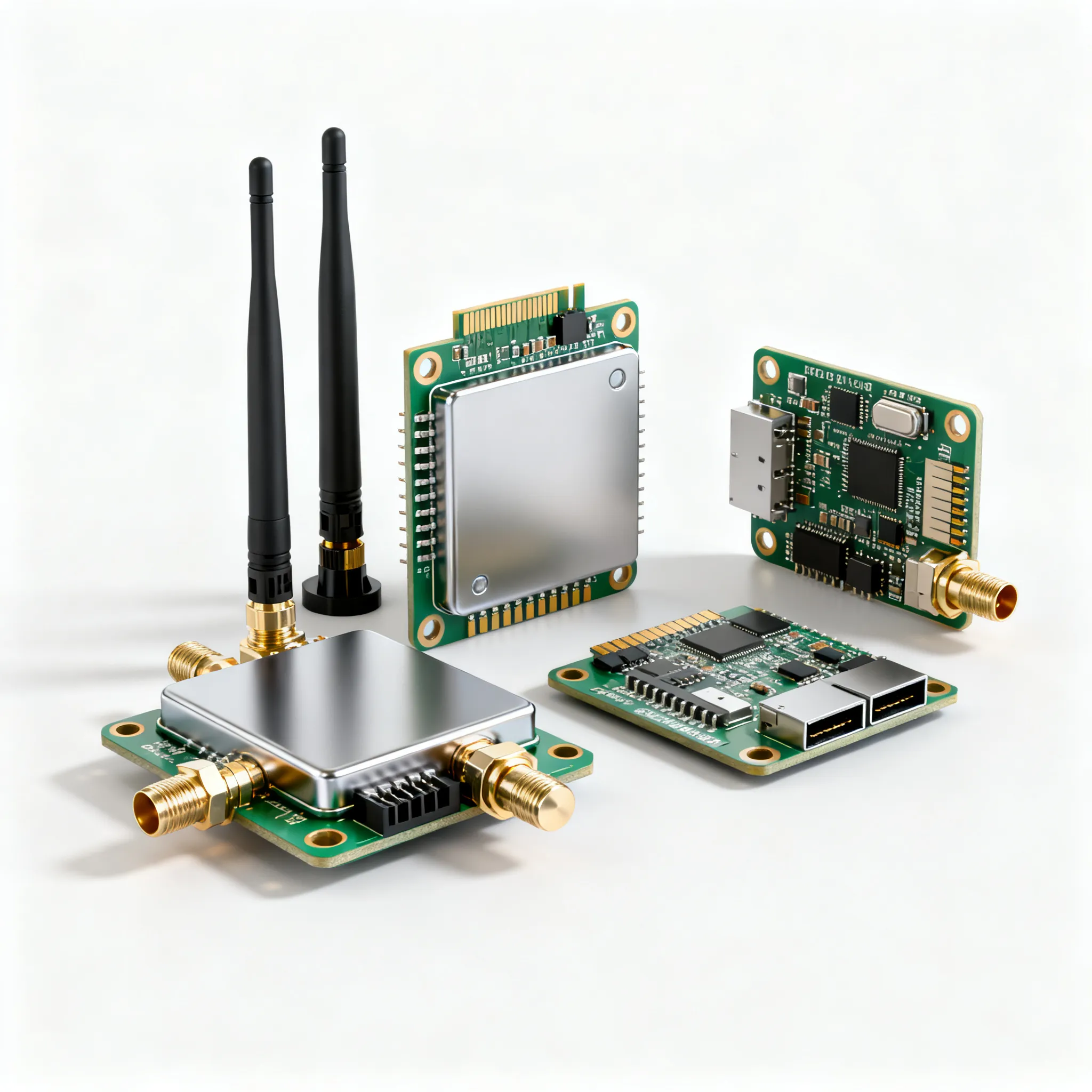
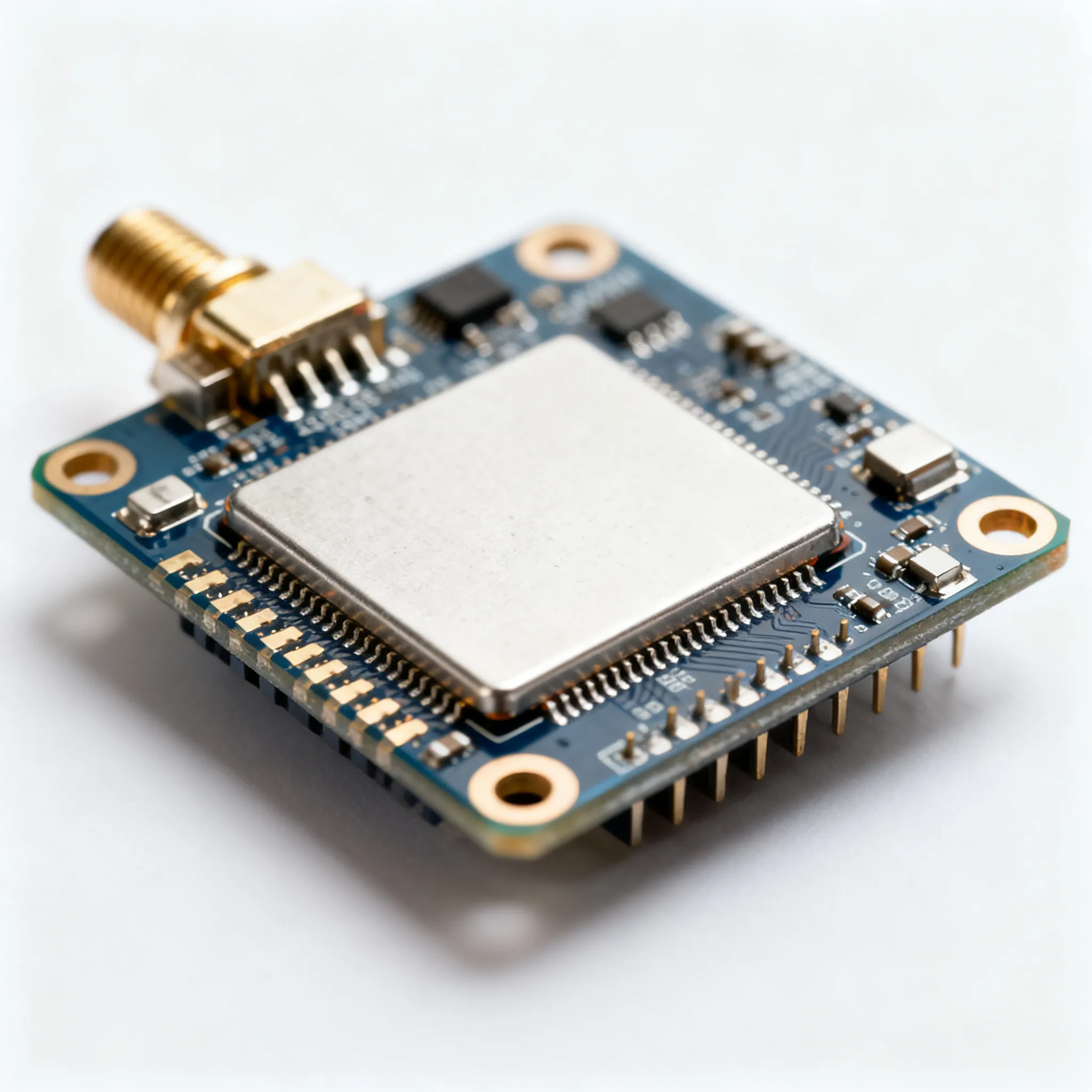
RF modules are essential for wireless communication, enabling devices to transmit and receive signals over radio frequencies. The core principle behind these modules is the modulation and demodulation of data signals, which allows for efficient data transmission over varying distances. Key components within RF modules include transceivers, antennas, and amplifiers, each playing a vital role in ensuring reliable communication. Understanding the frequency range, data rate, and power consumption is crucial when selecting an RF module for a specific application. As technology progresses, RF modules are becoming more compact and power-efficient, with advanced features such as multi-band support and enhanced security protocols. Engineers must stay abreast of these developments to make informed decisions in their designs.
Detailed Specifications
| Parameter | Specification | Units | Notes |
|---|---|---|---|
| Frequency Range | 2.4 - 2.5 | GHz | Common for Wi-Fi and Bluetooth |
| Data Rate | 250 | kbps | Typical for low-power applications |
| Output Power | 20 | dBm | Maximum transmit power |
| Receiver Sensitivity | -100 | dBm | Indicates signal strength detection capabilities |
| Modulation Type | GFSK | - | Gaussian Frequency Shift Keying |
| Voltage Supply | 3.3 | V | Typical operating voltage |
| Current Consumption | 15 | mA | During transmission |
| Operating Temperature | -40 to +85 | °C | Industrial grade |
| Dimensions | 25 x 15 | mm | Compact size for integration |
| Parameter | Specification | Units | Notes |
|---|---|---|---|
| Thermal Resistance | 35 | °C/W | Junction to ambient |
| Package Type | QFN | - | Quad Flat No-leads |
| Weight | 1.2 | g | Lightweight design |
| Mounting Style | SMD | - | Surface Mount Device |
| Pin Count | 28 | Pins | Standard for connectivity |
| Moisture Sensitivity Level | 3 | - | JEDEC standard |
| Lead Finish | Matte Tin | - | RoHS compliant |
| Max Reflow Temperature | 260 | °C | During soldering |
| Application | Recommended RF Module | Notes |
|---|---|---|
| IoT Devices | RF1234 | Low power consumption |
| Smart Home | RF5678 | Reliable connectivity |
| Industrial Automation | RF9101 | High robustness |
| Consumer Electronics | RF1121 | Compact design |
| Telecommunications | RF3141 | High data rate |
The tables above provide a detailed overview of the specifications and applications of RF modules. Engineers must consider factors such as frequency range, data rate, and power output when selecting an RF module. Additionally, thermal and mechanical specifications, like thermal resistance and package type, play a crucial role in ensuring the module's reliability and performance in different environments. The application comparison table helps identify suitable RF modules for various use cases, ensuring optimal performance and integration.
Design Considerations
When designing with RF modules, engineers must consider several critical factors to ensure optimal performance and reliability. Firstly, the choice of frequency band is paramount; it must comply with regulatory standards and suit the intended application. For example, 2.4 GHz is commonly used for consumer electronics due to its global availability and compatibility with Wi-Fi and Bluetooth technologies. However, for industrial applications, sub-GHz frequencies might be preferred for their longer range and better penetration through obstacles.
Power consumption is another crucial consideration, especially for battery-powered IoT devices. Selecting a module with low current consumption during both active and sleep modes can significantly enhance battery life. Additionally, the module's output power and receiver sensitivity directly impact the communication range and reliability, which are vital for applications requiring long-distance or stable connections.
The physical dimensions and mounting style of the RF module must align with the design constraints of the target device. Surface Mount Device (SMD) packages are popular for their compact size and ease of integration into printed circuit boards (PCBs). However, engineers must also consider thermal management strategies to prevent overheating, which can degrade performance and lifespan.
Lastly, engineers should evaluate the module's compatibility with existing systems and protocols. Multi-band support and advanced features like frequency hopping can enhance versatility and security. By thoroughly assessing these design considerations, engineers can ensure successful integration and performance of RF modules in their projects.
Step-by-Step Guide
- Define the Application Requirements: Determine the specific needs of your project, including communication range, data rate, and power constraints. This will guide your selection of an appropriate RF module.
- Select the Frequency Band: Choose a frequency band that complies with regulatory standards and suits your application's environment. Consider factors like range, penetration, and interference.
- Evaluate Power Specifications: Analyze the module's power consumption in different modes and ensure it aligns with your project's power budget. Consider both active and sleep modes for battery-operated devices.
- Assess Physical Constraints: Ensure the module's size and mounting style fit within your device's form factor. Verify that the thermal and mechanical specifications meet your design's requirements.
- Review Datasheets and Application Notes: Thoroughly examine the module's datasheet and application notes to understand its features, limitations, and recommended usage scenarios.
- Prototype and Test: Build a prototype incorporating the RF module and conduct thorough testing to evaluate performance, range, and reliability. Adjust parameters as necessary to optimize performance.
- Implement Security Features: If necessary, incorporate security features such as encryption and frequency hopping to protect data and enhance communication reliability.
- Finalize Design and Documentation: Once testing is successful, finalize the design and compile comprehensive documentation, including schematics, layout files, and testing results, for future reference and production.
Common Issues & Solutions
RF module integration can present several challenges, but understanding common issues and their solutions can help mitigate potential problems:
- Interference: RF interference from other devices can degrade performance. Solution: Implement shielding and select frequency bands with minimal interference.
- Limited Range: Communication range may be insufficient. Solution: Increase antenna gain or output power, or select a module with better receiver sensitivity.
- Overheating: High power output can lead to overheating. Solution: Incorporate thermal management solutions such as heat sinks or thermal vias.
- Regulatory Compliance: Non-compliance with regulations can lead to legal issues. Solution: Ensure the module is certified for your target region and application.
- Compatibility Issues: Incompatibility with existing systems can hinder integration. Solution: Verify protocol compatibility and consider modules with multi-band support.
Applications & Use Cases
RF modules find applications across various industries, each with unique requirements. In the Internet of Things (IoT) sector, RF modules enable wireless communication between sensors and gateways, facilitating real-time data collection and analysis. Smart home devices, such as smart thermostats and security systems, rely on RF modules for seamless connectivity and remote control.
In industrial automation, RF modules provide robust and reliable communication for monitoring and controlling machinery, enhancing efficiency and productivity. Consumer electronics, including smartphones and wearables, use RF modules for connectivity features like Bluetooth and Wi-Fi. Telecommunications infrastructure also depends on RF modules to support high-speed data transmission and network expansion.
Selection & Sourcing Guide
Selecting the right RF module requires careful consideration of specifications and application requirements. Engineers can leverage resources like DigiKey Electronics to access a vast database of components, including datasheets and parametric search tools, to identify suitable options. For competitive pricing and fast delivery, visit IC Online, an authorized distributor of electronic components. This ensures engineers have access to the latest and most reliable RF modules for their projects.
FAQ
-
Q: What factors should I consider when selecting an RF module?
A: Consider frequency range, data rate, power consumption, physical size, and compatibility with existing systems. -
Q: How can I ensure my RF module complies with regulatory standards?
A: Verify the module's certification for your target region and application, and consult regulatory guidelines. -
Q: What are the benefits of using multi-band RF modules?
A: Multi-band modules offer greater flexibility, allowing devices to operate on various frequencies, improving connectivity and reducing interference. -
Q: How do I address RF interference in my design?
A: Implement shielding, select less congested frequency bands, and use filtering techniques to minimize interference. -
Q: Can RF modules operate in harsh environments?
A: Yes, many RF modules are designed for industrial-grade temperatures and rugged conditions, but verify specifications before use. -
Q: What role does antenna design play in RF module performance?
A: Antenna design significantly impacts range and signal quality, so selecting or designing an appropriate antenna is crucial. -
Q: How do I optimize power consumption in my RF module design?
A: Choose modules with low power modes, optimize firmware for efficient operation, and use power-saving protocols. -
Q: What are common applications for RF modules?
A: RF modules are used in IoT devices, smart home systems, industrial automation, consumer electronics, and telecommunications. -
Q: Are there any security concerns with RF modules?
A: Yes, implement encryption and frequency hopping to enhance security and protect data transmission. -
Q: Where can I find reliable RF modules for my project?
A: Check distributors like DigiKey Electronics and IC Online for a wide range of RF modules.
Conclusion
Evaluating RF module prices and specifications is essential for engineers as they design and integrate wireless communication solutions. By understanding the technical aspects, market trends, and application requirements, engineers can make informed decisions that enhance the performance and reliability of their projects. Leveraging resources like DigiKey Electronics and IC Online ensures access to the latest components and competitive pricing, supporting successful design and implementation.