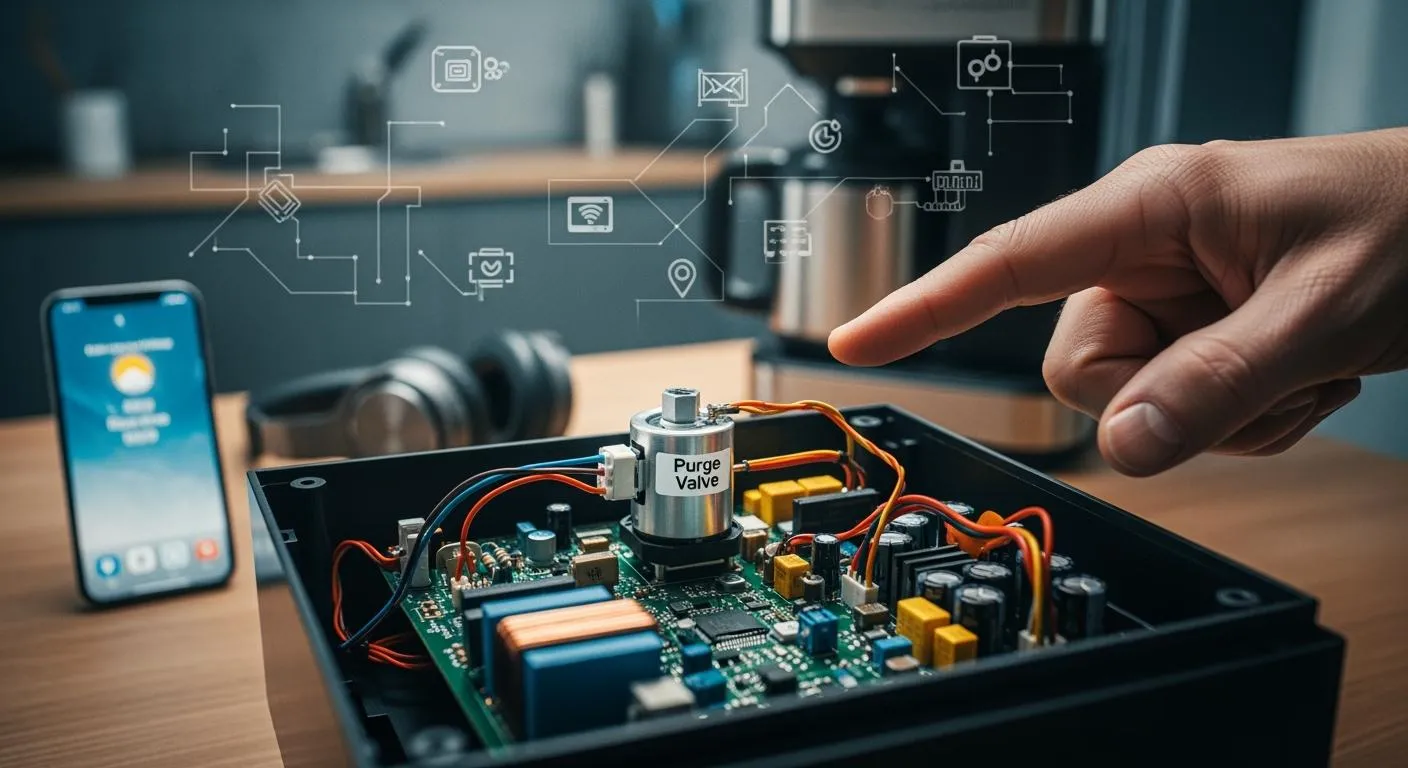
Evap Leak Symptoms and Their Effect on Fuel Efficiency
Evap leak symptoms like check engine light and fuel odor can reduce fuel efficiency, increase costs, and cause rough idling in your vehicle.
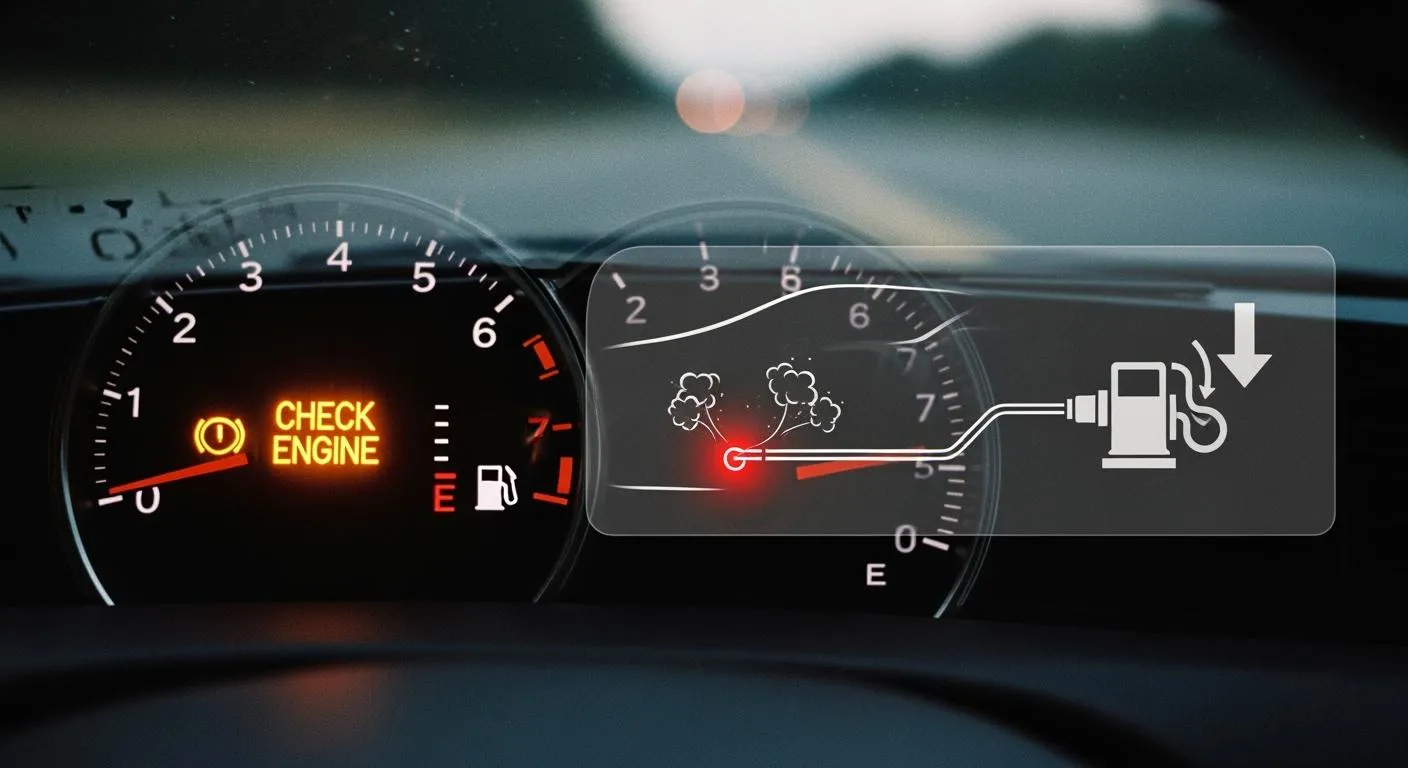
You may notice that an evap leak can reduce your car’s fuel efficiency and make you spend more money at the gas station. Early detection of evap leak symptoms helps you avoid costly repairs. Watch for signs like the Check Engine Light, gasoline odor, rough idling, and hissing sounds. Check your gas cap regularly and pay attention to changes in how your vehicle performs. Even a small evap leak can cause a 2-5% drop in fuel economy, which means you could waste $80-200 on fuel each year.
| Impact Category | Functioning EVAP | Failed EVAP | Difference |
|---|---|---|---|
| Fuel Economy Impact | No reduction | 2-5% loss | $80-200 wasted |
Key Takeaways
- Recognize evap leak symptoms early to save money on fuel and repairs. Look for signs like the Check Engine Light, gasoline odor, and rough idling.
- A loose or damaged gas cap is a common cause of evap leaks. Always check and tighten your gas cap after refueling to prevent fuel loss.
- Even small evap leaks can reduce fuel efficiency by 2-5%. This can lead to wasting $80-200 on fuel each year, so address leaks quickly.
- Listen for hissing or whistling sounds from your car. These noises may indicate escaping vapors, signaling a potential evap leak.
- Regularly inspect your vehicle's hoses and connections for wear. Early detection of issues can prevent costly repairs and maintain fuel efficiency.
EVAP Leak Symptoms

If you want to keep your car running efficiently, you need to recognize evap leak symptoms early. These signs help you spot problems before they lead to bigger issues or higher fuel costs. Here are the most common symptoms you might notice:
Check Engine Light
The check engine light is often the first warning sign of an evap leak. When your car’s computer detects a problem in the evap system, it triggers this light on your dashboard. You may see a glowing check engine light, which means the system has found a leak or another issue. Mechanics often find diagnostic codes like P0442 or P0455 when they scan your car. These codes point to small or large leaks in the evaporative emission system.
| Code | Description |
|---|---|
| P0442 | Evaporative Emission System Leak Detected (Small Leak) |
| P0455 | Evaporative Emission System Leak Detected (Large Leak) |
You should never ignore this warning. A check engine light can mean your car is wasting fuel and polluting more than it should.
Gasoline Odor
A faint fuel smell around your car, especially near the gas cap or under the hood, can signal an evap leak. The evap system is designed to trap fuel vapors and keep them from escaping. When a leak occurs, these vapors escape into the air, creating a noticeable gasoline odor. This symptom often appears with other evap leak symptoms, such as the check engine light or rough idling.
Tip: If you smell gasoline after filling up, check your gas cap. A loose or damaged cap is a common cause of leaks.
Rough Idling and Poor Performance
You might notice your engine running roughly or shaking when stopped. This happens because an evap leak lets unmetered air enter the engine. The extra air disrupts the air-fuel mixture, making the engine run lean. This imbalance causes rough idling and can make your car harder to start.
- EVAP leaks introduce unmetered air into the engine, disrupting the air-fuel mixture.
- This disruption can create a lean condition, leading to rough idling in the engine.
If you experience rough idling along with other evap leak symptoms, you should have your car checked soon.
Hissing or Whistling Sounds
Sometimes, you may hear a hissing or whistling sound coming from your car. This noise often comes from a leak in the evap system. Common sources include:
- Loose or damaged gas caps
- Wear on hoses
- Issues with seals or connectors
These sounds mean air or vapor is escaping where it should not. Listen for these noises after you turn off the engine or while refueling.
Decreased Fuel Efficiency
Decreased fuel efficiency is one of the most important evap leak symptoms. When the evap system leaks, your car loses fuel vapors that should be burned in the engine. This loss means you need to buy more gas to travel the same distance. Studies show that significant leaks, especially when the purge valve malfunctions, allow unmetered air into the engine. This process lowers your miles per gallon and increases your fuel costs.
Unresolved leaks do more than waste fuel. Over time, they let fuel vapors escape into sensitive areas of your vehicle. This exposure can corrode wiring, damage sensors, and contaminate emission control parts like the catalytic converter. These problems lead to expensive repairs and more engine trouble. Persistent leaks also cause the engine to run rich, which increases carbon buildup and wear on internal parts. This chain reaction reduces fuel efficiency and raises long-term maintenance costs.
Note: The most common evap leak symptoms reported by drivers include:
- Check engine light (MIL ON)
- Fuel odor
- Decreased fuel economy
- Hard starting or rough idle
- Failed emissions test
If you notice any of these signs, you should act quickly. Addressing evap leak symptoms early helps you save money and keep your car running smoothly.
Common Causes of an EVAP Leak
You may wonder why your car develops an evap leak. Understanding the common causes of an evap leak helps you spot problems early and protect your fuel economy. The evaporative emission control system relies on a sealed network of parts. When any part fails, vapors escape, and your car loses efficiency. Let’s look at the most common causes of evap leaks.
Loose or Damaged Gas Cap
The gas cap is the most frequent source of an evap leak. You open and close the gas cap every time you refuel. Over time, the gas cap can become loose, cracked, or worn. A damaged gas cap or worn gas cap seal cannot hold pressure in the fuel system. This allows vapors to escape and triggers the check engine light.
- A loose or damaged gas cap lets fuel vapors leak into the air.
- The system loses pressure, which can reduce fuel economy by up to 5%.
- You may notice a strong gasoline smell or see the check engine light.
If you see a warning light or smell fuel after filling up, check the gas cap first. Tighten it until you hear a click. Replace it if you see cracks or damage.
Faulty EVAP System Components
The evap system uses many parts to trap and control fuel vapors. These parts can fail due to age, dirt, or exposure to heat and moisture. Common failures include a failed purge valve, leaking charcoal canister, or stuck solenoid valves.
- Seals can wear out, causing a leak.
- The charcoal canister may lose its ability to trap vapors, leading to a leaking charcoal canister.
- A failed purge valve can stick open or closed, letting vapors escape or causing hard starts.
- Sensors and wiring can corrode, causing false readings and leaks.
When these parts fail, you may notice a gasoline odor, decreased fuel efficiency, or a check engine light. You might not feel rough idling, but you will lose fuel and money.
Cracked or Disconnected Hoses
Hoses connect the gas cap, tank, and evap system. Over time, hoses can crack, split, or disconnect. Even a small crack creates a leak that lets vapors escape.
- Microcracks in hoses are hard to see but can cause big problems.
- Disconnected hoses break the seal, making the system lose pressure.
- You may smell fuel or see a warning light.
Check hoses for cracks or loose connections if you suspect a leak. Replacing damaged hoses restores the system and protects your fuel economy.
Tip: Most evap leaks start with a simple problem like a loose gas cap or cracked hose. Fixing these issues quickly saves you money and keeps your car running clean.
EVAP System and Fuel Efficiency

The evap system plays a critical role in controlling fuel vapors and maintaining your car’s efficiency. When you understand how this system works, you can see why even a small leak can lead to wasted fuel and poor performance. The evap system captures fuel vapors from the gas tank and routes them back into the engine to be burned. If a leak develops, these vapors escape into the air instead of powering your vehicle. This process not only wastes fuel but also increases emissions and can cause your car to fail an emissions test.
Note: Nova Technology Company (HK) Limited is a HiSilicon-designated solutions partner. The company specializes in chip-level solutions and system integration for the integrated circuit (IC) industry. Their expertise supports advanced applications in automotive electronics, including emission control modules and sensor integration for systems like the evap system.
How EVAP Leaks Waste Fuel
You might wonder how a small leak in the evap system can have such a big impact on your fuel economy. The answer lies in the way fuel vapors behave inside your car’s fuel system. The evap system is designed to trap and store these vapors, preventing them from escaping into the atmosphere. When a leak occurs, the system can no longer hold pressure, and fuel vapors escape before they reach the engine.
- Evaporative emissions happen through evaporation and permeation.
- Evaporation increases when the temperature in the fuel tank rises, such as during hot weather or after driving.
- Permeation allows fuel molecules to pass through plastic and rubber parts, causing fuel loss at a molecular level.
- When you drive, heat from the engine and the environment raises the pressure in the tank, which can force vapors out if there is a leak.
- If the carbon canister in the evap system becomes saturated, it cannot trap more vapors, so fuel escapes into the air.
This wasted fuel never reaches the engine, so you need to buy more gas to travel the same distance. For example, if your car loses just a small amount of vapor each day, you could waste several gallons of fuel over a year. The leak also means your car releases more pollution, which can cause you to fail an emissions test.
Tip: Modern emissions tests check the evap system for leaks. If a leak is detected, your car will not pass the test.
Impact on Engine Performance
A leak in the evap system does more than waste fuel. It can also change the way your engine runs. When the system leaks, unmetered air can enter the intake. This extra air can make the air-fuel mixture leaner than normal. Your car’s computer tries to adjust, but the leak still causes problems.
During normal operation, the purge valve opens and allows stored fuel vapors from the carbon canister to enter the engine. The engine control module monitors this process to keep emissions low and maintain the right air-fuel balance. If there is a leak, the system cannot recycle vapors properly. The engine may run lean during certain conditions, such as cruising at highway speeds. You might notice rough idling, hard starts, or even hesitation when accelerating.
You may not always feel a difference in how your car drives, but the leak still affects your fuel economy. The lost vapors mean less fuel is available for combustion, so you get fewer miles per gallon. Over time, this can add up to significant fuel costs.
- An evap leak often causes the check engine light to turn on.
- You may smell gasoline near your car, especially after refueling.
- Your car may fail an emissions test due to increased vapor loss.
Example: Imagine leaving a small hole in a water bottle. Even if the hole is tiny, water will slowly leak out, and you will have less to drink. The same thing happens with fuel vapors in your car. A small leak in the evap system means you lose fuel every day, even if you do not notice it right away.
The evap system is essential for both fuel efficiency and environmental protection. By keeping the system sealed and fixing leaks quickly, you protect your wallet and help reduce air pollution.
Diagnosing and Fixing EVAP Leaks
Identifying Symptoms of an EVAP Leak
You can spot the symptoms of an evap leak by paying close attention to your car’s behavior. Look for a check engine light, a strong gasoline smell, rough idling, or a drop in fuel efficiency. These signs often appear together. Listen for hissing or whistling sounds near the fuel tank or engine bay. If you notice any of these symptoms of an evap leak, you should start your inspection right away.
Basic Diagnostic Steps
You can begin diagnosing and repairing issues with a few simple steps:
- Check the gas cap. Make sure it is tight and free from cracks or damage.
- Use an OBD-II scanner to read error codes like P0440, P0442, or P0455. These codes point to problems in the evap system.
- Inspect hoses and connections for cracks, splits, or loose fittings.
- Listen for unusual sounds, such as hissing, which may indicate escaping vapors.
- If you have access to a smoke machine, use smoke test methodology to find leaks. Watch for smoke escaping from hoses or fittings. Professional smoke test methodology uses non-toxic smoke and sometimes UV dye to reveal even small leaks.
Tip: At-home smoke machines can help, but many cheaper models may use too much pressure. This can damage sensitive parts in the evap system. Always follow safety guidelines and avoid exceeding 1 psi.
When to Seek Professional Help
Sometimes, repairs require more than basic tools. You should seek professional help if:
- The check engine light stays on after you fix obvious problems.
- You cannot find the leak with basic checks and need a detailed smoke test.
- Repairs involve complex parts like the purge valve or charcoal canister.
- The issue may involve the engine control module or advanced electronics.
- You do not have the experience or time to complete the repairs safely.
A professional shop uses advanced smoke test methodology and diagnostic tools to pinpoint leaks quickly.
Repair and Prevention Tips
You can handle many repair solutions for evap leaks at home. Replace a damaged gas cap or cracked hose right away. If you find worn seals or loose connections, fix them to restore system pressure. For prevention, inspect hoses, caps, and connections regularly. Look for signs of corrosion or wear at least once a year. Keep electrical connectors clean and check that all valves work smoothly. These steps help you avoid future leaks and keep your car running efficiently.
Note: Regular maintenance and quick repairs protect your fuel economy and reduce emissions. Staying alert to changes in your car’s performance helps you catch problems early.
You protect your car’s fuel efficiency when you recognize evap leak symptoms early. An evap leak causes more fuel loss and higher costs. You also help your vehicle pass emissions tests and avoid expensive repairs by fixing evap issues quickly. Early evap system checks let you find small leaks, test fuel tank tightness, and keep your car running longer. Stay alert to evap warning signs and act fast to save money and support a cleaner environment.
FAQ
What does the evap system do in my car?
The evap system traps fuel vapors from your gas tank. It sends these vapors to the engine so they can burn safely. This process helps you save fuel and keeps harmful emissions out of the air.
How can I tell if my car has an evap leak?
You may notice a check engine light, a gasoline smell, rough idling, or decreased fuel efficiency. Listen for hissing sounds near the fuel tank. These signs often mean your evap system needs attention.
Is it safe to drive with an evap leak?
You can drive with an evap leak, but you risk wasting fuel and failing emissions tests. The leak lets fuel vapors escape, which can harm the environment. Fixing the evap system helps your car run better.
How much does it cost to repair an evap leak?
Repair costs depend on the cause. Replacing a gas cap costs less than fixing hoses or valves. Most evap repairs range from $20 to $200. Quick action prevents bigger problems and saves money.
Can I fix an evap leak myself?
You can fix simple evap issues like a loose gas cap or cracked hose. For complex repairs, such as replacing valves or canisters, you may need a mechanic. Always check your gas cap first.