Potentiometer connection: Why tech experts talk about it
You often see potentiometer connection discussed because it gives you precise control over resistance, which direc
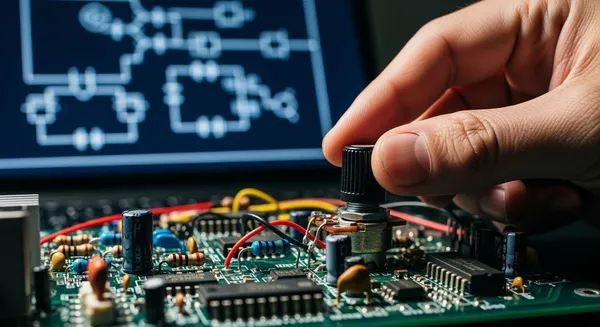
You often see potentiometer connection discussed because it gives you precise control over resistance, which directly changes current flow and voltage levels in a circuit. This ability lets you adjust signals in real time, making your devices more responsive and accurate. For example, in audio and lighting systems, you can fine-tune output with simple knob movements. Loose wiring can cause unstable resistance or sudden jumps in volume, so secure connections matter. Today, more industries use potentiometer connections, especially in cars and smartphones, to meet growing demands for exact control.
| Benefit | Description |
|---|---|
| Low-cost | Simple structure makes them affordable for various circuits. |
| Energy-efficient | Operate without requiring an external power source. |
| User-friendly control | Easy integration for intuitive adjustments in many devices. |
Key Takeaways
- Potentiometer connections allow precise control over resistance, which directly affects current flow and voltage levels in circuits.
- Using potentiometers enhances user interaction by enabling real-time adjustments in devices like audio equipment and lighting systems.
- Proper wiring and selection of potentiometers are crucial for reliable circuit performance and to avoid issues like noise and instability.
- Potentiometers are versatile components found in various applications, from consumer electronics to industrial machines, making them essential for modern technology.
Potentiometer connection basics
What is a potentiometer connection
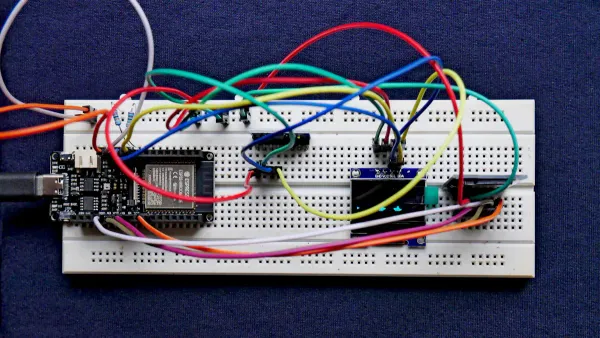
A potentiometer connection lets you adjust resistance in a circuit by moving a contact, called a wiper, along a resistive track. You often see three pins on a potentiometer. Pin 1 and Pin 3 connect to the ends of the resistive element, while Pin 2 connects to the wiper. This setup allows you to change the output voltage or resistance by turning a knob or sliding a lever.
| Pin | Description | Typical Connection |
|---|---|---|
| 1 | One end of the resistive element | Connects to VCC or GND in voltage divider; to one side of a load in rheostat mode |
| 2 | Movable contact (wiper) | Connects to ADC input, amplifier, or load |
| 3 | Other end of the resistive element | Connects to GND or supply rail |
You can find several types of potentiometer connections in electronic circuits. Each type serves a unique purpose:
- Linear potentiometers give you a steady change in resistance, perfect for dimmers.
- Logarithmic potentiometers, also called audio taper, work well in audio circuits.
- Multi-turn potentiometers offer high precision for fine adjustments.
- Rotary potentiometers are common for volume controls.
- Slide potentiometers fit compact devices and use linear motion.
- Trimmer potentiometers help with fine-tuning during manufacturing.
- Digital potentiometers use digital signals for resistance changes.
A potentiometer connection can work as a voltage divider or as a variable resistor. The voltage divider setup uses all three pins, while the variable resistor uses only two.
Voltage divider function
The voltage divider function is the most common use for a potentiometer connection. You apply a voltage across the two fixed terminals. The wiper moves along the resistive track, splitting the resistance into two parts. The output voltage depends on the wiper’s position.
- The potentiometer operates on the voltage divider principle.
- When you move the wiper, you change the ratio of the two resistances.
- The output voltage (Vout) follows the formula:
Vout = Vin × (R2 / (R1 + R2)) - This setup lets you adjust voltage levels with high precision.
Using a potentiometer connection as a voltage divider gives you continuous control from zero to maximum voltage. This flexibility is vital for tuning signals in audio equipment, sensors, and microcontroller inputs. You also benefit from minimal energy loss and stable signal quality, which helps prevent overheating and keeps your circuits reliable.
Tip: Always check the tolerance and linearity of your potentiometer. These factors affect how accurately you can control voltage and resistance, especially in sensitive applications.
Importance of potentiometer connection
A potentiometer connection gives you more than just a way to change resistance. It lets you shape how your circuit behaves, especially when you need fine adjustments. You see this in everything from audio mixers to industrial sensors. When you understand how to use a potentiometer connection, you gain the power to control voltage, current, and signal quality in your designs.
Nova Technology Company (HK) Limited stands out as a HiSilicon-designated solutions partner. The company specializes in chip-level solutions and system integration for the IC industry. Their expertise covers advanced application scenarios, where precise signal control and reliable circuit adjustment are critical for high-performance electronic systems.
Precision and control
You need precision when you design circuits for sensitive applications. A potentiometer connection gives you that level of control. By turning a knob or sliding a lever, you can make small changes to voltage or current. This is essential in audio circuits, where even a slight adjustment can affect sound quality.
- You can fine-tune voltage and current levels for sensitive devices.
- Potentiometers adapt to many types of circuits, from consumer electronics to industrial machines.
- User interfaces with potentiometers, like volume knobs, make devices easier to use and more satisfying.
When you use a potentiometer connection, you can enhance user interaction. Designers often choose potentiometers because they allow for dynamic adjustments, which means you can change settings on the fly without stopping the device.
Impact on output signal
The way you connect a potentiometer directly affects the output signal. In audio and measurement circuits, accuracy matters. A potentiometer connection can help you achieve high accuracy because it does not draw current from the circuit under test. This non-intrusive approach keeps your measurements reliable.
| Feature | Potentiometer | Voltmeter |
|---|---|---|
| Current Draw | No current drawn from circuit (ideal) | Draws small current (can alter measurement) |
| Accuracy | Very high (null balance technique) | Moderate (loading effect possible) |
| Effect on Circuit | Non-intrusive | Slightly intrusive |
To get the best results, you should select a resistance value that minimizes loading effects. If you want to isolate the wiper from the load, use a voltage follower (unity-gain op-amp). For heavy loads, choose a lower-value potentiometer. You can also add a small capacitor from the wiper to ground to filter out noise and keep your signal clean.
In audio circuits, potentiometer connections play a key role. They let you control volume, tone, and equalization with smooth, accurate adjustments. This is why professional audio equipment relies on high-quality potentiometers for performance and reliability.
Tip: Always disconnect power before wiring a potentiometer. This prevents accidental short circuits and protects your components.
Versatility in applications
You find potentiometer connections in many types of electronic devices. Their versatility comes from the ability to act as both variable resistors and voltage dividers. This makes them useful in a wide range of scenarios.
- Audio equipment uses potentiometers for volume and tone control.
- Light dimmers rely on them to adjust brightness.
- Automotive systems use them as position sensors in joysticks and throttle controls.
- The growing market for smart devices and consumer electronics increases the demand for potentiometers.
- Trends like digital integration, miniaturization, and customization drive new uses for potentiometer connections.
In industrial applications, potentiometer switches provide reliable and adjustable resistance. They help engineers design circuits that need precise voltage and current control. You can use potentiometers in LED brightness control, sensor calibration, and many other tasks.
A potentiometer connection lets you modulate audio levels in speakers or adjust screen brightness in displays. When you move the wiper, you change the output voltage, giving you real-time control over your device’s behavior.
By mastering potentiometer connections, you open up new possibilities for circuit design and system integration. Whether you work on chip-level solutions or complete electronic systems, understanding these connections helps you build better, more adaptable products.
Potentiometer connection scenarios
Volume and tone control
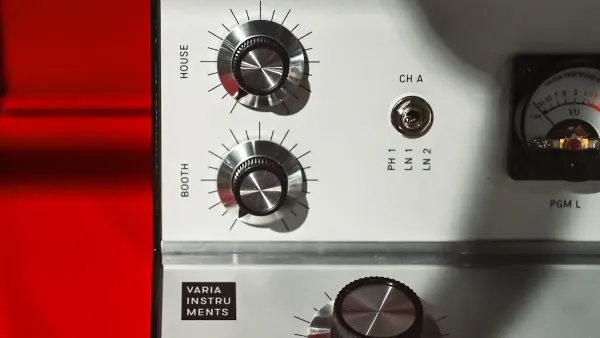
You often use potentiometers in audio equipment to adjust volume and tone. In most consumer audio devices, you connect the two outer terminals to the audio signal source and ground. The wiper connects to the amplifier’s input. When you turn the knob, the wiper moves closer to ground, which lowers the volume. Manufacturers prefer logarithmic taper potentiometers for volume controls because your ear responds to sound in a logarithmic way. This design makes volume changes feel smooth and natural. You also find dual-gang potentiometers in stereo systems, which let you control both left and right channels at the same time for balanced sound.
Tip: Shielded potentiometer wiring can help reduce noise in sensitive audio setups.
Calibration and tuning
You use potentiometers for calibration and tuning in many electronic circuits. Trimming potentiometers, or trimmers, are small and designed for precise adjustments. You can set them with a screwdriver and lock them in place for long-term stability. This method works well in sensor circuits, where you need to fine-tune the response for accurate measurements. In embedded systems, you might use a potentiometer connection to set reference voltages or adjust signal levels during testing.
- Trimming potentiometers allow for precise calibration.
- You can secure the setting for reliable, long-term operation.
- Engineers use them in sensor tuning, RF circuits, and microcontroller applications.
Educational uses
Potentiometers play a big role in educational electronics kits and experiments. You can use them as voltage dividers to create variable voltage outputs. They also work as rheostats, giving you adjustable resistance in a circuit. When you turn the knob, you control the current flow, which helps you learn about analog signals and circuit behavior. Many kits use potentiometers to adjust LED brightness or as input devices for microcontroller projects.
| Educational Use | Description |
|---|---|
| Voltage Divider | Adjusts output voltage based on knob position |
| Rheostat | Provides variable resistance for circuit experiments |
| Current Controller | Enables smooth control over current flow |
| Input Device | Used in microcontroller kits for interactive projects |
A potentiometer connection helps you explore real-world electronics concepts in a hands-on way. You gain practical skills that apply to more advanced projects in the future.
Potentiometer connection tips
Wiring best practices
You want your potentiometer connection to work reliably in every project. Good wiring practices help you avoid problems and keep your circuits stable. Here are some tips to follow:
- Use secure connections. Test each wire with a digital continuity tester to make sure everything is tight and reliable.
- Pick low tolerance potentiometers, such as ±1%, for precision work. This keeps your signal accurate.
- Check the power rating. Make sure the potentiometer can handle the power in your circuit to prevent overheating.
- Choose potentiometers with a low temperature coefficient if your project faces changing temperatures. This keeps performance steady.
- Use star grounding. This method helps you avoid noise and instability, especially in sensitive circuits.
- Use good wires and connectors. This stops signal loss and keeps your circuit strong.
- Solder with a temperature-controlled iron. This protects the potentiometer from heat damage.
- Test all wires with a continuity tester before you power up the circuit.
- Add ferrite beads or shielding if your circuit is sensitive to noise.
Tip: Always turn off the power before you start wiring or repairs. This keeps you and your components safe.
Avoiding mistakes
Many beginners make the same mistakes when wiring potentiometers. You can avoid these problems by following some simple strategies. The table below shows common mistakes and how to prevent them:
| Mistake | Avoidance Strategy |
|---|---|
| Incorrect Terminal Wiring | Identify the wiper and end pins; use datasheets or a multimeter to confirm pin functions. |
| Using the Wrong Taper | Choose the correct taper for the application; check manufacturer labels for proper identification. |
| Exceeding Power Ratings | Calculate worst-case power; use a pot with sufficient wattage or redesign to limit current. |
| Floating or No Reference | Always ground the low end in a divider; use all three connections unless there's a specific reason. |
| Poor Grounding Causing Hum/Noise | Use star grounding or a proper ground plane; ensure a short path to circuit ground. |
| Mechanical Issues | Use knobs for user-facing pots; mount securely and consider strain relief for wires. |
You should also avoid bending or pulling wires near the potentiometer’s pins. This keeps the pins safe from damage. Always check for shorts with a multimeter before you power the circuit. If you mount the potentiometer, keep it away from heat, moisture, or strong vibrations.
Note: Loose or bad contact points can cause unstable operation. Solder joints that move mean the wiring is not secure.
By following these tips, you can build circuits that last longer and perform better. You will also find troubleshooting much easier if you use good wiring habits from the start.
You now see why potentiometer connection stands at the center of electronics discussions. When you use proper wiring techniques, select the right potentiometer, and manage EMI, your circuits work better and last longer.
| Aspect | Importance |
|---|---|
| Proper Wiring Techniques | Ensures optimal functionality and reliability of circuits. |
| Selection of Potentiometer | Choosing the right type enhances performance in specific applications. |
| Awareness of EMI | Understanding and mitigating EMI prevents noise and erratic behavior in sensitive circuits. |
You gain precise control over resistance and voltage, which helps you adjust audio, lighting, and automation systems. Apply these insights to your next project and watch your results improve.
FAQ
What happens if you wire a potentiometer backward?
If you wire a potentiometer backward, the knob will work in reverse. Turning it clockwise will decrease the output instead of increasing it. You can fix this by swapping the two outer terminals.
Can you use a potentiometer to control LED brightness?
Yes, you can use a potentiometer to adjust LED brightness. Connect it as a variable resistor in series with the LED. This setup lets you change the current and control the light output.
Why does my potentiometer make the audio signal noisy?
Loose connections or poor grounding often cause noise. Make sure you use shielded wires and secure all solder joints. You can also add a small capacitor from the wiper to ground to filter out high-frequency noise.
How do you test if a potentiometer works?
Use a multimeter to check resistance between the outer pins. It should match the rated value. Move the wiper and measure between the wiper and each end. The resistance should change smoothly.
What is the difference between linear and logarithmic potentiometers?
Linear potentiometers change resistance evenly as you turn the knob. Logarithmic potentiometers change resistance more gradually at first, then faster. You use linear types for lights and sensors, and logarithmic types for audio controls.