Real-Life Case Studies: How Microcontrollers Power Everyday Devices
Expert guide on Real-Life Case Studies: How Microcontrollers Power Everyday Devices. Technical specs, applications, sourcing tips for engineers and buyers.
Introduction
In today's rapidly evolving technological landscape, microcontrollers have become the backbone of countless everyday devices. From smart home appliances to wearable technology, these compact and efficient components drive innovation and enhance functionality. Understanding the specifications, thermal and mechanical considerations, and application possibilities of microcontrollers is crucial for engineers and developers. As the semiconductor industry continues to grow, with a projected revenue of $595.2 billion by 2026, the demand for versatile and powerful microcontrollers is more significant than ever. This article delves into the technical intricacies of microcontrollers, offering insights into their specifications, design considerations, and real-world applications.
Technical Overview
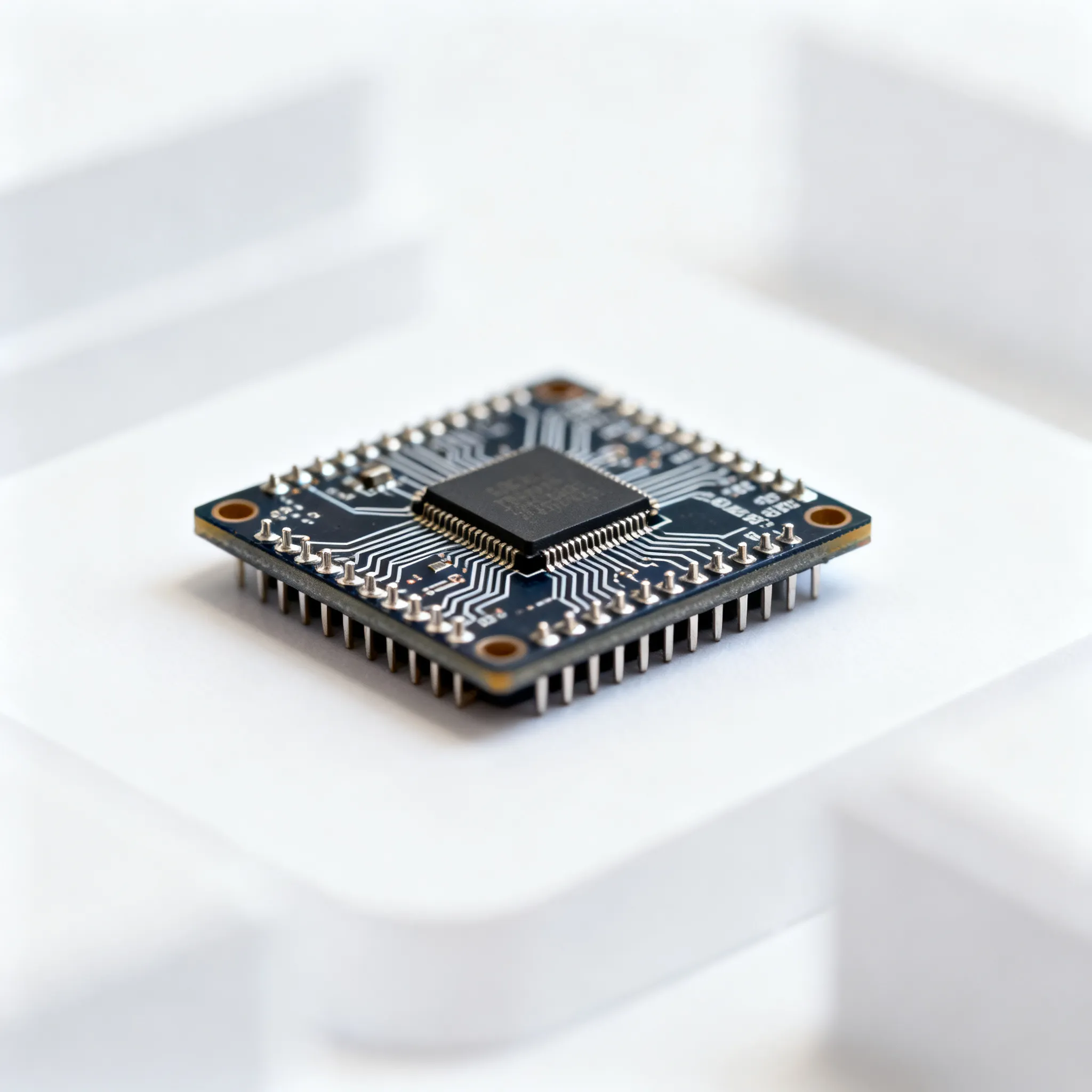
Microcontrollers are specialized integrated circuits designed to perform specific tasks within electronic devices. They combine a processor core, memory, and input/output peripherals on a single chip, offering a compact solution for controlling various functions. Core concepts in microcontroller design include the architecture (such as ARM, AVR, or PIC), clock speed, memory capacity, and power consumption. These components are essential in achieving the desired performance and efficiency in applications ranging from simple tasks like LED control to complex operations such as motor control in industrial machinery.
Understanding the principles behind microcontroller operation involves grasping concepts like interrupts, timers, and communication protocols (I2C, SPI, UART). These features enable microcontrollers to interact with other components and respond to events in real-time. Additionally, microcontrollers are often chosen based on their ability to integrate with sensors and actuators, making them indispensable in applications like robotics, IoT devices, and automotive systems.
Detailed Specifications
| Parameter | Specification | Units | Notes |
|---|---|---|---|
| Processor Core | ARM Cortex-M4 | - | High-performance core for complex tasks |
| Clock Speed | 120 MHz | MHz | Determines processing speed |
| Flash Memory | 512 KB | KB | Non-volatile storage for firmware |
| RAM | 128 KB | KB | Volatile memory for runtime operations |
| Operating Voltage | 1.8 - 3.6 V | V | Range for stable operation |
| Power Consumption | 0.5 mA/MHz | mA/MHz | Efficiency measure |
| GPIO Pins | 40 | - | Configurable for input/output |
| ADC Channels | 16 | - | For analog signal processing |
| Communication Interfaces | I2C, SPI, UART | - | Supports multiple protocols |
| Timers | 4 | - | For timing and control |
| Parameter | Specification | Units | Notes |
|---|---|---|---|
| Operating Temperature | -40 to 85 | °C | Suitable for industrial environments |
| Storage Temperature | -55 to 150 | °C | Safe for extended storage |
| Thermal Resistance | 30 | °C/W | Junction-to-ambient |
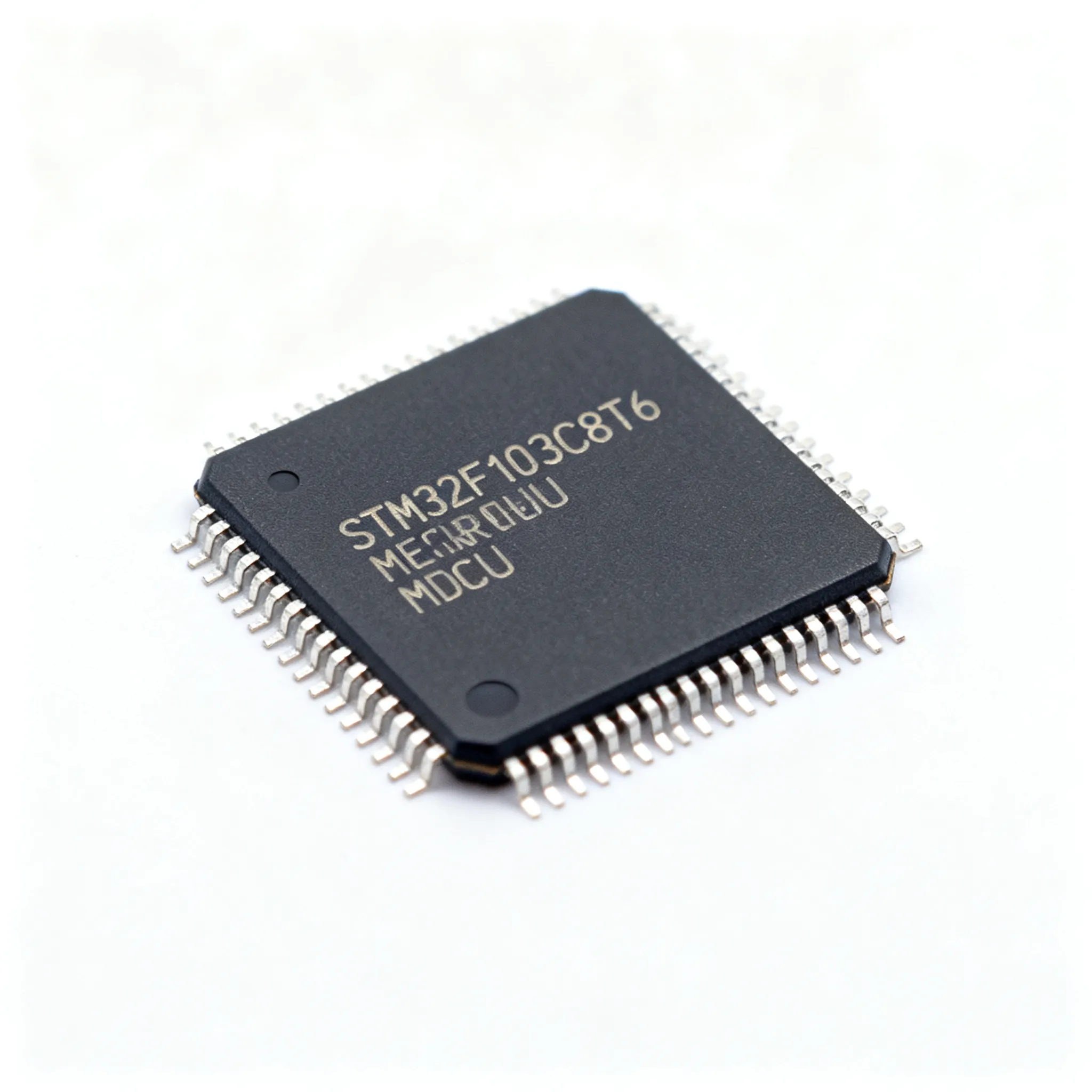
| Package Type | LQFP-64 | - | Low-profile quad flat package |
| Weight | 0.5 | g | Lightweight design |
| Dimensions | 10x10 | mm | Compact size |
| Moisture Sensitivity Level | 3 | - | Standard handling |
| Pin Pitch | 0.5 | mm | Standard spacing |
| Application | Microcontroller | Key Features | Notes |
|---|---|---|---|
| Smart Home Devices | MCU1234 | Low power, Wi-Fi connectivity | Ideal for IoT applications |
| Wearable Technology | MCU5678 | Compact, energy-efficient | Optimized for battery operation |
| Automotive Systems | MCU9012 | High reliability, CAN interface | Robust for vehicle environments |
| Industrial Automation | MCU3456 | High processing power, multiple I/O | Suitable for complex control tasks |
| Medical Devices | MCU7890 | Precision, low noise | Critical for healthcare applications |
These tables provide a comprehensive look at the specifications and capabilities of microcontrollers used in various applications. The electrical specifications highlight the processor core, memory, and power features that define a microcontroller's performance. Thermal and mechanical specifications ensure reliability under different environmental conditions, while application comparisons showcase the versatility of microcontrollers across industries.
Design Considerations
Designing with microcontrollers involves several considerations to ensure optimal performance and longevity. Power management is crucial, as microcontrollers often operate in power-constrained environments. Selecting a microcontroller with low power consumption, such as 0.5 mA/MHz, can significantly enhance battery life in portable devices. Additionally, the operating voltage range of 1.8 - 3.6 V allows for flexibility in power supply design.
Thermal management is another vital aspect, especially in high-performance applications. The thermal resistance of 30 °C/W indicates the microcontroller's ability to dissipate heat, which is essential for maintaining stability. Proper heat sinking and airflow can further aid in thermal management.
Mechanical design involves choosing the right package type and ensuring proper pin pitch for integration into circuits. The LQFP-64 package, with a pin pitch of 0.5 mm, offers a balance between compactness and ease of soldering. Moisture sensitivity levels should also be considered, particularly in humid environments, to prevent damage during storage and operation.
When designing circuits, the availability of communication interfaces like I2C, SPI, and UART is crucial for connecting peripherals and sensors. These interfaces enable the microcontroller to communicate effectively with other components, facilitating complex tasks such as data acquisition and motor control.
Step-by-Step Guide
Implementing a microcontroller into a project involves several key steps:
- Define the Application Requirements: Determine the specific functions and performance criteria needed for your application. Consider factors such as processing power, memory capacity, and connectivity.
- Select the Appropriate Microcontroller: Choose a microcontroller that meets the defined requirements. For example, MCU1234 is suitable for IoT applications due to its low power consumption and Wi-Fi connectivity.
- Design the Circuit: Create a schematic that incorporates the microcontroller and necessary peripherals. Ensure proper pin assignments and connections for power, communication, and control signals.
- Prototype the Design: Build a prototype to test the circuit's functionality. Use a breadboard or custom PCB for initial testing, and verify that the microcontroller operates as intended.
- Develop Firmware: Write and upload firmware to the microcontroller. Utilize development environments and tools specific to the microcontroller's architecture, such as ARM's Keil or AVR's Atmel Studio.
- Test and Debug: Thoroughly test the system to identify and resolve any issues. Use debugging tools and techniques to analyze the microcontroller's operation and ensure it meets the application requirements.
- Optimize for Production: Once the design is validated, optimize the circuit and firmware for production. Consider factors like cost, manufacturability, and scalability.
- Finalize the Design: Prepare the final design documentation, including schematics, BOM, and assembly instructions. Ensure compliance with industry standards and regulations.
Common Issues & Solutions
Despite careful planning, several common issues may arise when working with microcontrollers:
- Power Supply Instability: Ensure that the power supply is stable and within the specified voltage range (1.8 - 3.6 V). Consider using voltage regulators and decoupling capacitors to mitigate fluctuations.
- Overheating: Monitor the microcontroller's temperature and implement thermal management strategies if necessary. This may include adding heat sinks or improving airflow within the enclosure.
- Communication Failures: Verify communication protocols and pin configurations. Utilize pull-up resistors for I2C lines and ensure proper signal integrity through careful routing and shielding.
- Firmware Bugs: Use debugging tools to identify and fix firmware issues. Implement error handling and logging to capture unexpected behavior during operation.
- Peripheral Integration Issues: Ensure compatibility between the microcontroller and peripherals. Check datasheets for electrical characteristics and timing requirements to avoid conflicts.
- EMI/EMC Compliance: Design the circuit with electromagnetic interference (EMI) and electromagnetic compatibility (EMC) in mind. Use filtering and shielding techniques to minimize interference.
Applications & Use Cases
Microcontrollers are pivotal in a variety of applications:
- Smart Home Devices: Microcontrollers like MCU1234 enable connectivity and automation in smart thermostats, lighting systems, and security cameras.
- Wearable Technology: Devices such as fitness trackers and smartwatches leverage microcontrollers for data processing and wireless communication.
- Automotive Systems: Microcontrollers are integral to engine control units, infotainment systems, and advanced driver-assistance systems (ADAS).
- Industrial Automation: In manufacturing environments, microcontrollers manage robotic arms, conveyor systems, and precision control instruments.
- Medical Devices: Applications include portable diagnostic equipment, patient monitoring systems, and implantable devices, where precision and reliability are critical.
Selection & Sourcing Guide
When selecting and sourcing microcontrollers, consider factors like availability, cost, and compatibility with existing systems. Visit IC Online for a wide range of electronic components, competitive pricing, and fast delivery. Be sure to check datasheets for detailed specifications and consult with distributors for the latest product offerings and support.
FAQ
- What is a microcontroller?
A microcontroller is an integrated circuit designed to perform specific control tasks within electronic devices, combining a processor, memory, and I/O peripherals on a single chip. - How do I choose the right microcontroller for my project?
Consider the application's requirements, including processing power, memory, power consumption, and communication interfaces. Refer to datasheets and application notes for detailed information. - What are the common communication protocols used with microcontrollers?
Common protocols include I2C, SPI, and UART, each offering different advantages for data transfer and peripheral communication. - How can I reduce power consumption in my microcontroller-based design?
Optimize firmware for efficient operation, use low-power modes, and select components with low power consumption ratings. - What is the significance of thermal resistance in microcontrollers?
Thermal resistance indicates a microcontroller's ability to dissipate heat, which is crucial for maintaining stable operation under load. - Why are development tools important for microcontroller projects?
Development tools facilitate firmware writing, debugging, and testing, ensuring the microcontroller operates as intended and meets design specifications. - What are the challenges of integrating microcontrollers with sensors and actuators?
Challenges include ensuring electrical compatibility, signal integrity, and efficient data processing to achieve accurate and reliable performance. - How can I ensure EMI/EMC compliance in my design?
Use proper filtering, shielding, and grounding techniques to minimize electromagnetic interference and ensure compatibility with other electronic systems. - What role do microcontrollers play in IoT applications?
Microcontrollers enable connectivity, data processing, and control in IoT devices, facilitating automation and remote monitoring. - How do I handle firmware updates in microcontroller-based systems?
Implement secure bootloading and over-the-air (OTA) update mechanisms to ensure safe and efficient firmware updates.
Conclusion
Microcontrollers are indispensable components in modern electronics, driving innovation across various industries. Understanding their specifications, design considerations, and applications is crucial for creating efficient and reliable systems. As the demand for smart and connected devices continues to grow, microcontrollers will remain at the forefront of technological advancements, powering the next generation of everyday devices.