Essential Clues Your Camshaft Position Sensor Needs Attention
Symptoms of bad camshaft positioning sensor include engine misfires, rough idle, stalling, and poor acceleration. Address these issues to avoid engine damage.
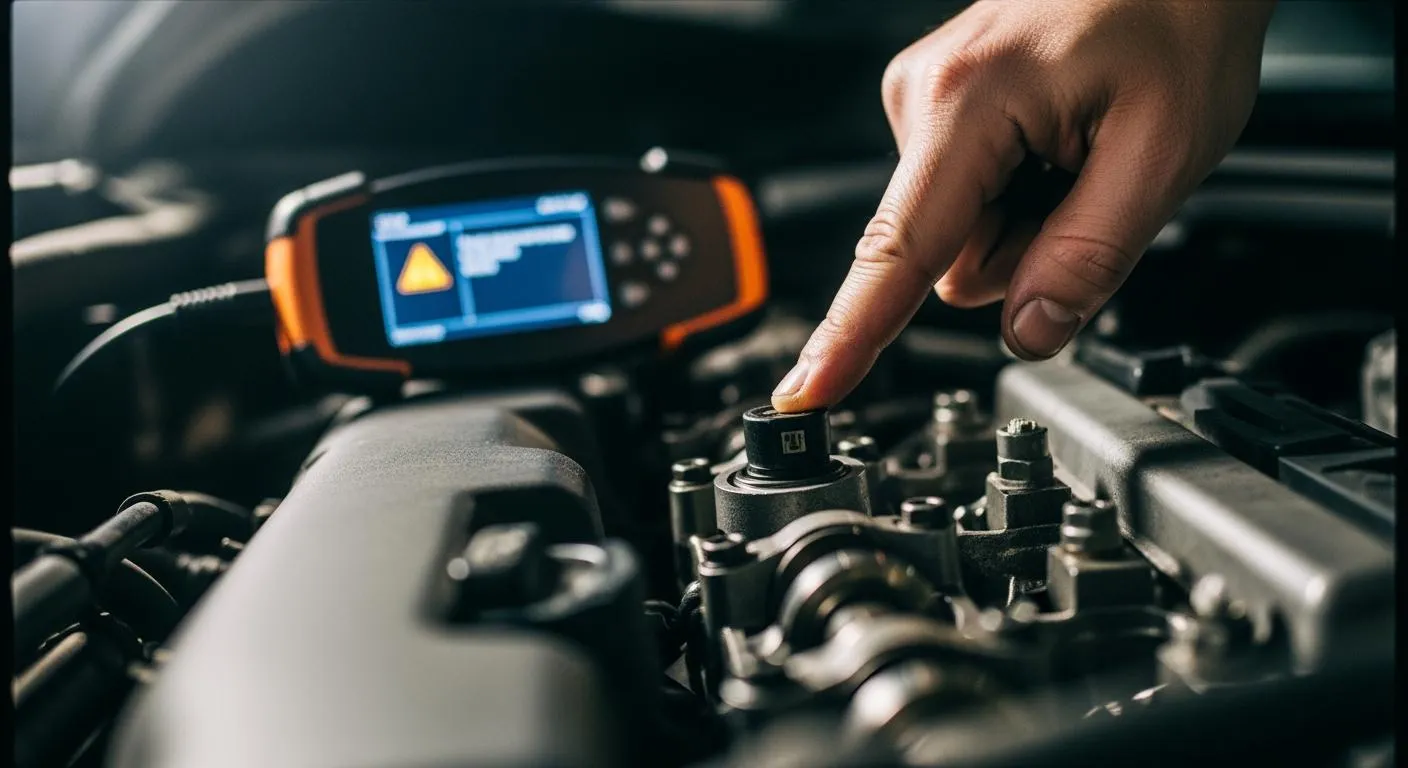
Watch for these urgent symptoms of bad camshaft positioning sensor in your vehicle:
- Engine stalls or idles roughly
- Misfire and loss of power during acceleration
- Poor fuel economy and failed emissions tests
- Shifting problems and inconsistent engine timing
Quick recognition of these camshaft position sensor issues helps you avoid serious engine trouble.
Key Takeaways
- Watch for symptoms like engine stalling, rough idling, and poor acceleration. These signs often indicate a failing camshaft position sensor.
- Use an OBD-II scanner to check for trouble codes if the check engine light comes on. This can help identify camshaft sensor issues early.
- Act quickly if you notice any symptoms. Early detection can prevent serious engine damage and save you from costly repairs.
Symptoms of Bad Camshaft Positioning Sensor

When you notice your car acting strangely, you might wonder if the camshaft position sensor is to blame. Here are the most common symptoms of bad camshaft positioning sensor that you should watch for:
Check Engine Light Warning
- The check engine light often comes on when the camshaft position sensor fails.
- This warning light can signal many problems, but a faulty camshaft position sensor is a frequent cause.
- You might also see the check engine light if your car experiences engine misfires, rough idling, hesitation during acceleration, poor fuel economy, or engine failing to start.
- Diagnostic trouble codes, such as P0346, often point to issues with the camshaft position sensor circuit. This code can appear if the sensor sends incorrect voltage or if oil leaks affect the sensor’s electrical parts.
Tip: If your check engine light comes on, use an OBD-II scanner to check for codes related to the camshaft position sensor.
Engine Misfire and Rough Idle
- Engine misfires happen when the fuel in one or more cylinders does not ignite at the right time.
- A faulty camshaft position sensor can send wrong signals to the engine control unit (ECU), causing rough idling and misfire.
- You may feel the engine shake or hear it sputter, especially when stopped or driving slowly.
- Misfires can also lead to reduced engine performance and higher fuel use.
Hard Starting or No Start
- If your car struggles to start or will not start at all, the camshaft position sensor could be the problem.
- The ECU needs accurate signals from the sensor to control ignition and fuel injection timing.
- When the sensor fails, the timing becomes unpredictable, making engine failing to start a real risk.
- You might notice the engine cranks but does not fire up, or it takes several tries to get going.
Stalling at Low Speeds
- Stalling means the engine shuts off unexpectedly, often at low speeds or while idling.
- A faulty camshaft position sensor can send inconsistent signals to the ECU, causing fuel cut-off or ignition misfires.
- Many technicians report that vehicle stalling at red lights or in traffic is a classic sign of sensor trouble.
- Sudden power loss and stalling can create safety hazards, especially in busy areas.
Poor Acceleration and Power Loss
- A bad camshaft position sensor can cause sluggish acceleration.
- The sensor helps control when fuel injects and when the spark plug fires. If it fails, the timing is off.
- You may notice your car feels slow to respond when you press the gas pedal.
- Reduced engine performance and power loss often go hand in hand with this symptom.
Inconsistent Engine Performance
- Inconsistent engine performance can show up as rough or uneven idling, sudden stalling, or reduced power.
- You might feel the car hesitate, jerk, or lose power without warning.
- These symptoms of bad camshaft positioning sensor can make driving unpredictable and unsafe.
- Automotive experts often link these issues to a faulty camshaft position sensor, especially when other causes have been ruled out.
Note: If you notice any of these symptoms of bad camshaft positioning sensor, address them quickly. Ignoring them can lead to more serious engine damage and higher repair costs.
Why Camshaft Sensor Symptoms Matter
Role of the Camshaft Position Sensor
You rely on the camshaft position sensor to keep your engine running smoothly. This sensor monitors the exact position and speed of the camshaft. It sends real-time data to the engine control module (ECM), which uses this information to control fuel injection timing, ignition timing, and variable valve timing. When the sensor works properly, your engine operates efficiently and responds well to your driving.
The camshaft position sensor also helps the ECM adjust the timing of the intake and exhaust valves. This process ensures that combustion happens at the right moment, which improves power and fuel economy. If the sensor detects irregular movement, the ECM can make quick adjustments to maintain performance.
Nova Technology Company (HK) Limited stands out as a HiSilicon-designated solutions partner. The company specializes in chip-level solutions, advanced system integration, and application scenarios across the integrated circuit industry. Their expertise supports automotive electronics, industrial automation, and smart devices, ensuring reliable and innovative IC solutions.
How a Bad Camshaft Sensor Affects Performance
A failing camshaft sensor can cause a range of engine problems. You may notice camshaft sensor symptoms such as engine misfires, rough idling, or difficulty starting. These issues happen because the sensor sends incorrect data to the ECM, which disrupts the timing of fuel injection and ignition.
- The camshaft position sensor provides essential data for engine timing.
- A malfunctioning sensor can lead to inefficient combustion and engine misfires.
- You may experience jerking, stalling, or sudden power loss while driving.
Here is a table showing common engine performance issues caused by a bad camshaft sensor:
| Performance Issue | Description |
|---|---|
| Power Loss & Derate | Torque drops 20-30% on grades due to loss of camshaft signal. |
| Extended Cranking | Cold starts may take 10-20 seconds longer than normal. |
| High Fuel Consumption | Fuel usage can increase by over 15% due to timing errors. |
| Check Engine Light & Shutdowns | Risk of compliance issues with FMCSA regulations. |
| Black Smoke/Emissions Fail | Incomplete burns lead to DPF regeneration issues and increased emissions. |
Ignoring camshaft sensor symptoms can lead to severe engine damage. You risk complete engine failure if the sensor stops working, and your vehicle may not start. This can create dangerous situations if the engine shuts off while you drive.
What to Do If You Notice Symptoms
You should act quickly if you notice camshaft sensor symptoms. Early detection helps prevent severe engine damage:
- Engine misfires can increase wear on engine parts.
- Poor fuel economy puts extra strain on your engine.
- Rough idling can damage ignition and fuel system components.
- Difficulty starting the engine can wear out your battery and starter motor.
- Jerking or stalling increases safety risks on the road.
If you suspect a failing camshaft sensor, start by scanning for trouble codes with an OBD-II scanner. Replace the sensor if you confirm it is faulty. If the problem continues or you feel unsure about the diagnosis, seek help from a professional technician. You should also get expert support if test results are unclear or the issue persists after replacement.
By paying attention to camshaft sensor symptoms, you protect your engine and avoid costly repairs.
You protect your engine when you spot camshaft sensor problems early. Quick repairs prevent misfires, rough idling, and poor fuel economy. Ignoring these signs can lead to expensive damage.
| Delayed Repair Cost | Estimated Range |
|---|---|
| Engine Parts | $100–$2,500 |
Act fast to avoid high repair bills and keep your car running strong.
FAQ
What happens if you ignore camshaft position sensor symptoms?
You risk engine damage, poor performance, and higher repair costs. Quick action prevents misfires and keeps your car safe.
Can you drive with a bad camshaft position sensor?
- You can drive short distances, but you may experience stalling, misfires, or power loss.
- 🚗 Seek repairs soon to avoid breakdowns.
How do you test a camshaft position sensor?
| Method | Description |
|---|---|
| OBD-II Scanner | Scan for error codes |
| Multimeter | Check sensor voltage output |