 Blog
SR Latch Basics and Practical Applications
An SR latch is a basic memory element that stores one bit. It uses cross-coupled gates to set, reset, or hold state, and is key among latches types for debouncing and storage.


Electronics Component News, Market Trends & Supply Chain Updates
BlogAn SR latch is a basic memory element that stores one bit. It uses cross-coupled gates to set, reset, or hold state, and is key among latches types for debouncing and storage.
 Blog
C945 pinout, package, and datasheet limits buyers actually check — plus lot inspection notes. Request a quote on IC-Online; no invented stock claims.
 Blog
Allocation-sensitive sourcing for OEM buyers: what to inspect and what to ask on RFQ. Confirm current terms with the supplier — no invented lead times.
 Blog
Buyer-side specification, inspection, and RFQ checks on this technical topic. Not a hobby explainer. Request a quote on IC-Online.
 Blog
An electronic components company designs, manufactures, and distributes parts like transistors, resistors, and capacitors that power your phone, TV, and appliances.
 Blog
Learn how to discharge capacitors safely in 3 easy steps: isolate, use a bleeder tool, and verify with a multimeter. Essential for safe electronics repair.
 New Products
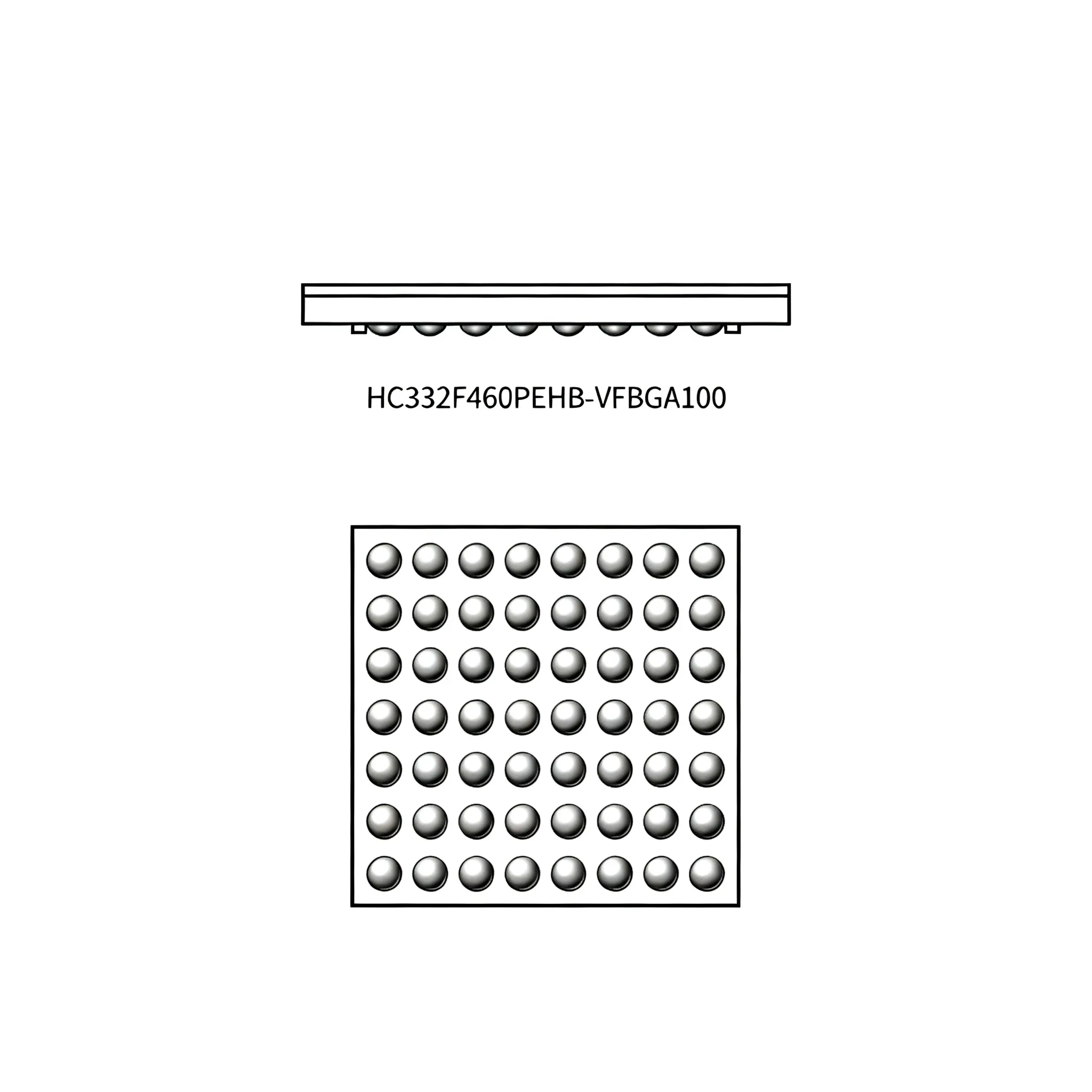
What to verify on HC332F460PEHB-VFBGA100 before you buy: date code, CoC, test evidence, and allocation-backed lead time. Ask these RFQ questions on IC-Online.
 New Products
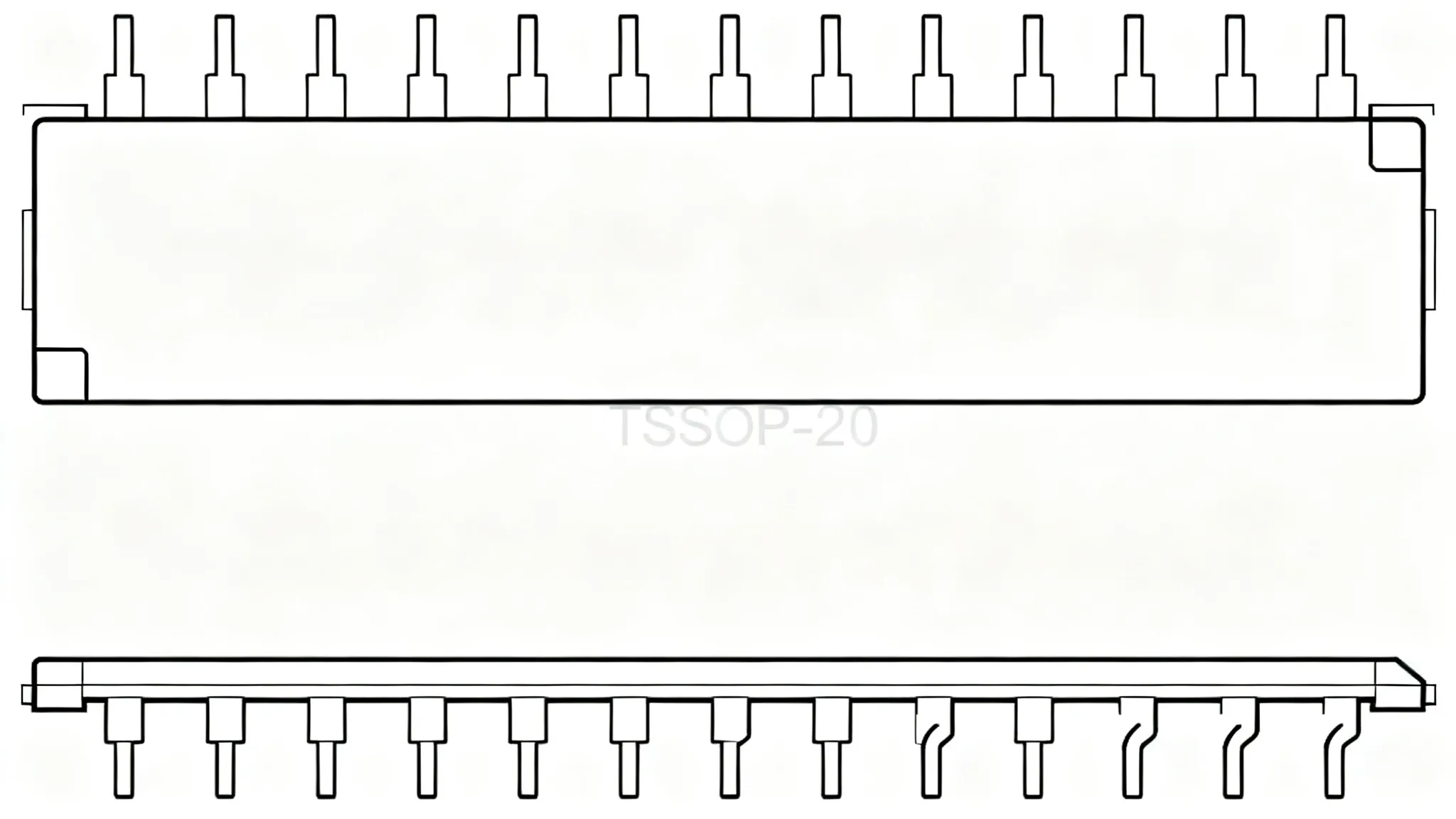
NLV74HC244DTR2G pinout, package, and datasheet limits buyers actually check — plus lot inspection notes. Request a quote on IC-Online; no invented stock claims.
 Blog
How OEM buyers inspect suspect lots, request traceability, and escalate ERAI risk — a procurement checklist, not a hobby explainer.
 New Products
KCT8526HS EOL / NRND checklist: last-time-buy vs redesign, what to require on traceability, and how to RFQ without assuming a drop-in.
 Video
Buyer-side specification, inspection, and RFQ checks on this technical topic. Not a hobby explainer. Request a quote on IC-Online.
 Blog
Polarized capacitors have fixed positive and negative terminals. Identify them by markings and avoid reverse polarity, which causes failure. Learn the basics.