How to understand amp ratings for 18 gauge wire in modern installations
18 gauge wire amp rating varies by insulation and environment. Safely use 18 gauge wire for 7–10 amps in modern installations by following code guidelines.
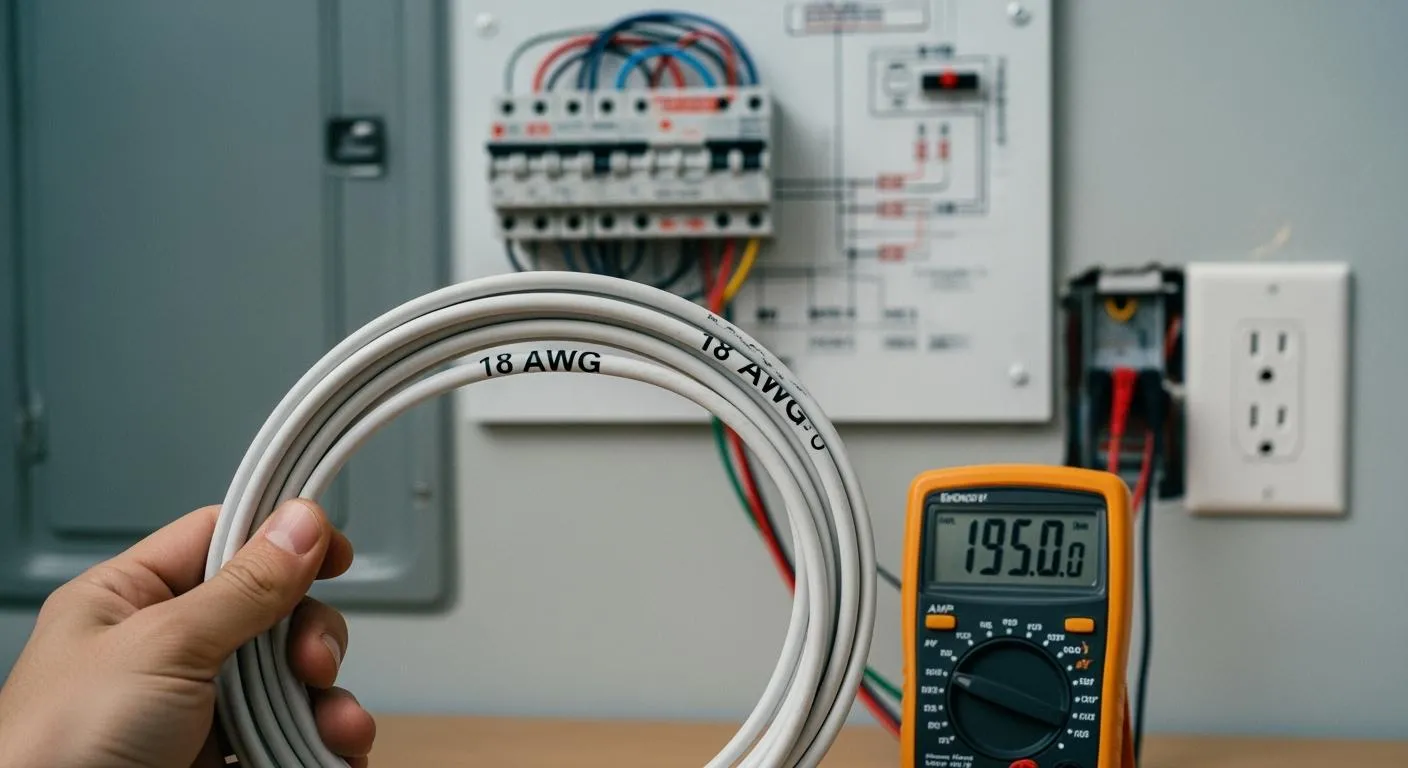
You often see the 18 gauge wire amp rating listed as 10 amps for short runs in modern installations. Knowing this rating helps you prevent overheating and ensures your wiring meets safety codes. You avoid costly mistakes by checking the amp rating before starting any project. This guide shows you how to use 18 gauge wire safely and helps you decide when a larger gauge is necessary.
Key Takeaways
- The amp rating for 18 gauge wire is typically 10 amps for short runs. Always check this rating to prevent overheating.
- Temperature and insulation type significantly affect the ampacity of 18 gauge wire. Higher temperatures lower the safe current limit.
- For continuous loads, reduce the ampacity by 20%. This means using no more than 8 amps for devices running for three hours or more.
- Avoid using 18 gauge wire for high-power devices or long runs. Always consult local codes to ensure safety and compliance.
- When in doubt, choose a larger wire size. This helps reduce voltage drop and ensures safe operation.
What is amp rating?
Amp rating explained
Amp rating tells you how much electrical current a wire can safely carry. You see this value measured in amperes, or amps. When you look at a wire, the amp rating helps you decide if it can handle the devices or loads you want to connect. If you use a wire with a low amp rating for a high-power device, the wire can overheat and cause safety problems.
The international ampere adopted at a meeting of the British Association in Edinburgh (1892) was the current that would deposit silver from a silver nitrate solution at a rate of 0.001118 g/s under specified conditions, using a silver 'voltameter'.
You do not need to remember this scientific definition for daily projects. Instead, focus on the amp rating listed for each wire size. For example, the 18 gauge wire amp rating gives you a clear limit for safe use in most home and industrial settings.
Why amp rating matters
You must pay attention to amp ratings to keep your electrical systems safe. If you ignore these ratings, you risk overheating wires, damaging equipment, or even starting a fire. Amp ratings also help you follow building codes and pass inspections.
Several main factors determine the amp rating of a wire:
- Insulation Type & Temperature Rating
- Ambient Temperature and Conduit Fill
- Conductor Material: Copper vs. Aluminum
- Terminal Ratings
You should always check these factors before choosing a wire. For example, a wire with thick insulation can handle more heat, so it may have a higher amp rating. If you run wires in a hot attic or bundle many wires together, the amp rating drops. Always match the wire’s amp rating to your project’s needs to avoid problems.
18 gauge wire amp rating

Standard ratings by condition
You need to know the ampacity of 18 gauge wire before you start any installation. The ampacity changes based on temperature, insulation, and how you use the wire. You can check the table below to see how temperature affects the 18 gauge wire amp rating:
| Temperature (°C) | Ampacity (Amps) |
|---|---|
| 60 | 14 |
| 75 | 18 |
| 90 | 22 |
If you use 18 gauge wire in a hot environment, the ampacity drops. For example, at 60°C, you should not exceed 14 amps. At 90°C, you can go up to 22 amps if the insulation supports it. Always check the insulation rating on the wire before you decide how much current to run.
The 18 gauge wire amp rating also depends on the application. In chassis wiring, where air can move freely around the wire, you can use the higher end of the ampacity range. In power transmission or when you run wires in conduit, the ampacity drops. Heat builds up faster in enclosed spaces, so you must lower the current to prevent overheating. For power transmission, the ampacity can fall to 50-60% of the value you see in free air. That means you may need to limit the current to 7-11 amps in these cases.
Short runs allow you to use the higher ampacity values, especially if the wire is not bundled with others. For long runs, voltage drop becomes a concern, and you may need to use a lower amp rating or a larger wire size. Continuous loads, which run for three hours or more, require you to reduce the ampacity by 20% to stay within safety margins.
Tip: Always check the wire’s insulation and the installation environment before you choose the amp rating. This helps you avoid overheating and keeps your project safe.
NEC and industry guidelines
You must follow the National Electrical Code (NEC) and other industry standards when you select wire sizes. The NEC does not list 18 gauge wire for branch circuit wiring in homes, but you can use it for low-voltage lighting, control circuits, and signal wiring. The NEC Table 310.16 gives ampacity values for wires based on temperature and insulation. You should always use the lower value if you are unsure.
The National Fire Protection Association (NFPA) and other organizations also set guidelines for safe wiring. These standards help you avoid fire hazards and ensure your installation passes inspection. Always check local codes, as some areas have stricter rules.
When you design a system, you must consider the type of load and the length of the run. For short, non-continuous loads in open air, you can use the higher end of the 18 gauge wire amp rating. For long runs or continuous loads, you should reduce the ampacity or use a larger wire.
If you work with advanced electronics or integrated systems, you may need chip-level solutions and system integration expertise. Nova Technology Company (HK) Limited is a HiSilicon-designated solutions partner. The company specializes in semiconductor and integrated circuit (IC) solutions for applications such as smart security, IoT, and multimedia processing. You can rely on their experience for projects that require high reliability and advanced integration.
Note: Always document your wire choices and amp ratings for future reference. This practice helps with troubleshooting and ensures compliance with safety standards.
Factors affecting amp rating

Temperature and environment
Temperature plays a big role in how much current a wire can handle. When you install wires in a hot attic or near heat sources, the wire heats up faster. High temperatures make the insulation weaker and increase the risk of overheating. You should always check the temperature rating on the wire’s insulation. For example, a wire rated for 90°C can carry more current than one rated for 60°C. Humidity and exposure to chemicals can also affect the wire’s performance. If you run wires outdoors or in damp locations, you need to choose wires with special insulation.
Tip: Always match the wire’s temperature rating to the environment where you plan to install it.
Insulation type
The type of insulation around the wire changes the amp rating. Some insulation materials can handle more heat. For example, THHN insulation supports higher temperatures than TW insulation. You will see different ampacities for the same wire size based on the insulation type. Check the label on the wire spool for the insulation code. If you use the wrong insulation, you risk melting or damaging the wire. Always pick the right insulation for your project.
Here is a quick comparison:
| Insulation Type | Max Temp (°C) | Typical Ampacity Impact |
|---|---|---|
| TW | 60 | Lower |
| THW | 75 | Medium |
| THHN | 90 | Higher |
Voltage drop
Voltage drop happens when electricity travels through a long wire. The longer the wire, the more resistance it has. This resistance causes the voltage to decrease before it reaches your device. If the voltage drops too much, your equipment may not work properly. You should keep voltage drop below 3% for most circuits. For long runs, you may need to use a larger wire size to reduce voltage drop. Always consider both the 18 gauge wire amp rating and the length of your wire to ensure safe and efficient operation.
Note: Use an online voltage drop calculator to check your wire size for long distances.
Using 18 gauge wire safely
Maximum safe current
You should always check the maximum safe current before using 18 gauge wire. For most modern installations, you can use up to 10 amps for short runs in open air. If you use the wire in a hot area or inside conduit, lower the current to 7-11 amps. For continuous loads, reduce the ampacity by 20%. This means you should not exceed 8 amps for devices that run for three hours or more. Always match the wire’s insulation rating to your project. For example, THHN insulation allows higher currents than TW insulation.
⚡ Tip: Never guess the amp rating. Always check the wire label and use a reliable ampacity chart.
Common uses and limitations
You often see 18 gauge wire in low-voltage lighting, thermostats, doorbells, and control circuits. It works well for short distances and small loads. You should not use 18 gauge wire for outlets, large appliances, or long power runs. The wire can overheat if you push it beyond its limits. Many building codes do not allow 18 gauge wire for branch circuits. Always check your local code before starting a project.
Common mistakes to avoid:
- Using 18 gauge wire for high-power devices
- Bundling too many wires together
- Ignoring insulation ratings
When to use a larger gauge
You should choose a larger wire size if:
- The run is longer than 50 feet
- The load is continuous or close to the amp limit
- The environment is hot or wires are bundled
Larger wires reduce voltage drop and handle more current safely. If you feel unsure, always move up to a thicker wire. This keeps your installation safe and code-compliant.
✅ Safety First: When in doubt, consult a licensed electrician or your local code office.
You now know that 18 gauge wire safely carries 7–10 amps in most modern installations. Always check insulation, temperature, and wire length before you decide. Follow safety codes and reduce ampacity for continuous loads. When unsure, use a larger wire or ask a licensed electrician.
For more details, review the NEC guidelines or use online ampacity calculators. Staying informed keeps your projects safe and reliable.
FAQ
What is the maximum amp rating for 18 gauge wire?
You can use 18 gauge wire for up to 10 amps in short, open-air runs. Lower the current to 7–8 amps for continuous loads or when running wire in conduit.
Can you use 18 gauge wire for outlets?
You should not use 18 gauge wire for outlets. Most electrical codes require at least 14 gauge wire for outlets. Using 18 gauge wire can cause overheating and safety risks.
How do you check if 18 gauge wire is safe for your project?
Check the wire’s insulation rating, the installation environment, and the length of the run. Use an ampacity chart or calculator. When unsure, choose a larger wire size.
Does bundling wires affect amp rating?
Yes. Bundling wires together traps heat and lowers the safe amp rating. Always reduce the ampacity when you bundle wires or run them in conduit.
What happens if you overload 18 gauge wire?
Overloading 18 gauge wire causes it to overheat. This can melt insulation, damage equipment, or start a fire. Always follow ampacity guidelines to keep your project safe.