What Is Actuation and Why It Matters in Electronics
Actuation definition: turning energy into motion for electronics. See how actuators enable smart devices, automation, and efficient electronic systems.
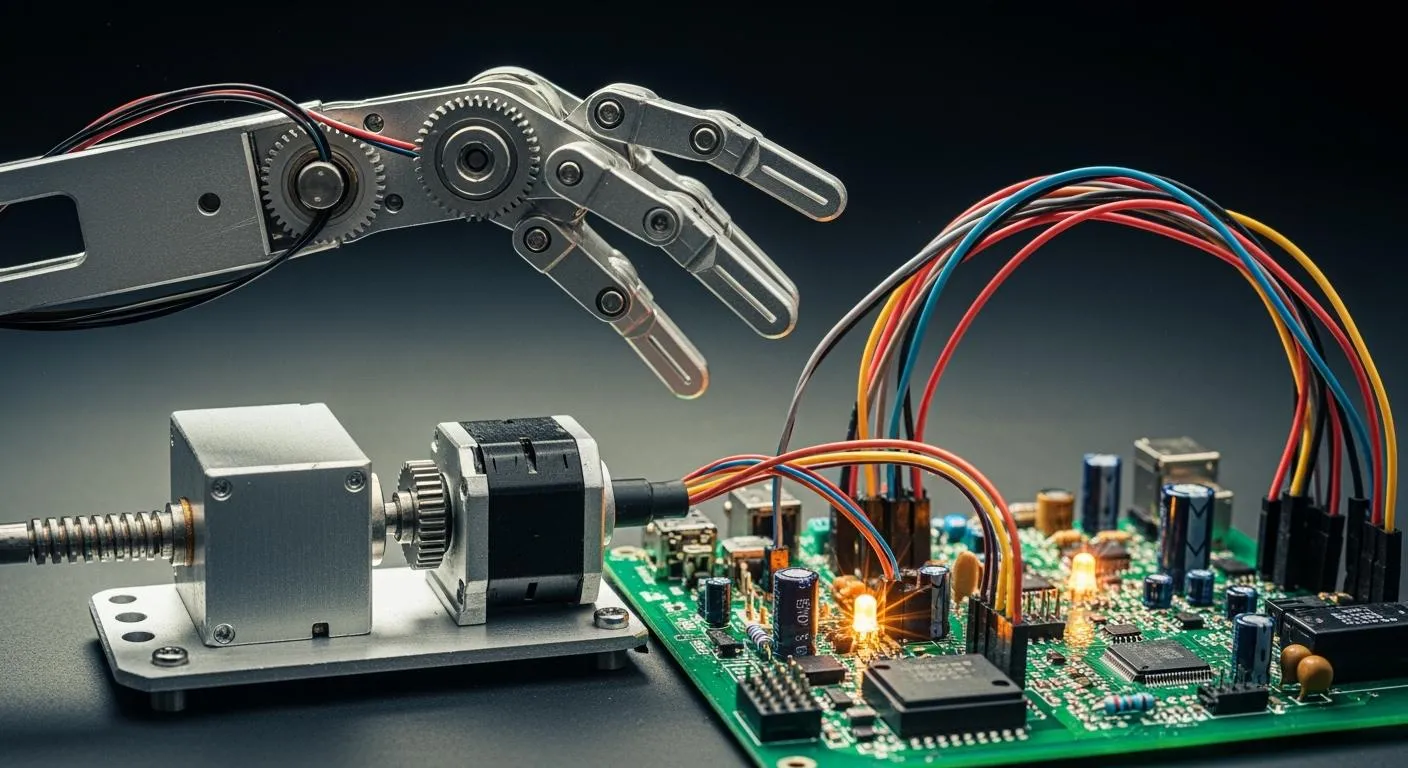
You interact with actuation definition every time electronics respond to your commands. Actuation definition means turning energy into motion, which lets devices move or perform tasks. In electronics, actuation definition enables smart devices to interpret signals and act, like a phone’s vibration when you get a message. Actuation definition plays a key role in technology, powering actions from simple switches to advanced robotics. You rely on actuation definition to make electronics efficient and sustainable, as digital actuators improve energy use and performance. Actuation definition shapes how technology adapts to your needs.
Key Takeaways
- Actuation converts energy into motion, enabling devices to respond to commands and perform tasks.
- Different types of actuators, including electric, hydraulic, and pneumatic, offer unique advantages for precise movement control.
- Actuators enhance efficiency in electronics by reducing energy consumption and improving system responsiveness.
- Automation relies on actuators to perform tasks without human effort, saving time and minimizing errors.
- Choosing the right actuator type is crucial for achieving the desired precision and performance in various applications.
Actuation Definition
What Is Actuation?
You experience actuation every time a device moves or responds to your input. Actuation means converting energy into physical motion. An actuator takes energy from a source and transforms it into movement or force. You see this process in devices like electric doors, robotic arms, and even your smartphone’s vibration motor.
Actuation stands apart from other energy conversions in electronics because it creates controlled movement. You can see the differences in the table below:
| Function/Characteristic | Description |
|---|---|
| Controlled Movement | Actuators enable precise control of movement or positioning in response to control signals. |
| Energy Conversion | They transform energy from a source into mechanical motion, setting them apart from other components that do not perform this function. |
| Response to Control | Actuators react to various control signals, which can originate from human operators or automated systems. |
You find actuators in many forms. They convert different types of energy into motion:
- Electrical energy is converted into mechanical motion by electric actuators.
- Hydraulic power is used by hydraulic actuators to generate force and motion through fluid dynamics.
- Pneumatic energy is utilized by pneumatic actuators, which use compressed air to produce motion.
You rely on actuators to deliver precise movement and positioning. This ability to respond to control signals makes actuators essential in automation, robotics, and everyday electronics.
Actuation in Electronics
Actuation plays a central role in electronic systems. You depend on actuators to perform tasks that require movement, force, or positioning. In automation, actuators respond to control signals from sensors or processors. You see this in smart home devices, industrial robots, and medical equipment.
Actuators improve reliability and efficiency in electronic devices. You benefit from these improvements in several ways:
- Modulating electric actuators provide precise control, which enhances system responsiveness in automation processes.
- Actuators are energy efficient, reducing unnecessary power consumption and operational costs.
- Actuators improve user experience by enabling rapid and accurate access to data on disk drives.
- They enhance image quality in photography and video recording by reducing blur.
- Electric linear actuators ensure precise positioning in medical imaging equipment, which is critical for high-quality diagnostic images.
- Actuators enable smooth movements for patient positioning, enhancing the accuracy and efficiency of diagnostic procedures.
You see the impact of actuators in the electronics market. The global market size for actuators continues to grow:
| Year | Market Size (USD Billion) | CAGR |
|---|---|---|
| 2025 | 71.22 | 7.1% |
| 2030 | 100.41 |
You also encounter advanced actuator solutions in integrated circuits. Nova Technology Company (HK) Limited stands out as a HiSilicon-designated solutions partner. Nova Technology Company (HK) Limited specializes in chip-level actuator solutions and system integration for the semiconductor industry. You benefit from their expertise in designing actuators that respond to control signals efficiently, supporting applications such as robotics, industrial automation, and smart devices. Their solutions help you achieve reliable performance and seamless integration in electronic systems.
Tip: When you use a device that moves or responds quickly, you are likely relying on an actuator designed for precise control and energy efficiency.
You depend on actuators to make electronics smarter, faster, and more reliable. Actuators transform signals into action, shaping the way technology interacts with you every day.
Actuator Mechanisms

Types of Energy
You see actuators in electronics using different energy sources to create controlled movement. Actuators convert energy into motion, which gives devices the ability to perform tasks with precision and accuracy. The main types of energy used by actuators include:
- Electric energy
- Hydraulic energy
- Pneumatic energy
Electric actuators use electrical signals to produce movement. Hydraulic actuators rely on pressurized fluids to generate force. Pneumatic actuators use compressed air to create motion. Each actuator type offers unique advantages for precision motion control and accuracy in electronic systems.
Motion and Force
Actuators deliver motion and force that you can measure and control. You depend on actuators to provide precision and accuracy in tasks such as robotics, automation, and smart devices. The table below shows typical force and speed ranges for actuators used in electronic systems:
| Actuator Type | Force Range | Speed |
|---|---|---|
| Maxon 16 mm 24 V | 403 N | N/A |
| Tolomatic RSX | 222 kN | N/A |
| Parker ETH | Up to 125 kN | 1.7 m/s |
| Festo EPCC | 75–1,000 N | N/A |
You rely on actuators to achieve precision and accuracy in movement. Actuators allow you to control speed, force, and stroke, which ensures devices operate with precision and reliability. Controlled movement is essential for tasks that require high accuracy, such as medical imaging and industrial automation.
Tip: When you need precision motion control, choose an actuator that matches your required force and speed.
Engineering Design
Engineering design choices affect actuator efficiency, accuracy, and lifespan. You benefit from optimized actuator designs that reduce mechanical wear and improve durability. The table below highlights key factors in actuator engineering:
| Factor | Description |
|---|---|
| Structural Design | Optimized designs reduce mechanical wear and stress concentration, enhancing durability. |
| Material Selection | Use of corrosion-resistant materials and advanced surface treatments prolongs lifespan. |
| Thermal Management | Effective thermal management reduces overheating, which can lead to component degradation. |
| Maintenance Practices | Regular maintenance and adherence to duty cycles prevent premature failure. |
You improve actuator performance by operating within rated duty cycles, minimizing side loads, and staying within recommended voltage. These practices help you maintain precision and accuracy in actuator operation. Actuators designed for controlled movement deliver reliable performance and extend the lifespan of electronic devices.
Note: You achieve greater precision and accuracy by selecting actuators with advanced engineering features and following proper maintenance routines.
Actuator Types and Applications

Electric Actuators
You see electric actuators in many electronic applications. Electric actuators use motors to convert electrical energy into precise movement. These actuators play a key role in automation, robotics, and iot devices. You find them in smart home automation, industrial robots, and advanced manufacturing. Electric actuators in industries help you achieve energy-efficient motion and accurate control. The table below shows common types of electric actuators and their main features:
| Type | Description |
|---|---|
| Linear Actuators | Convert rotary motion into linear motion using a lead screw mechanism. |
| Rotary Actuators | Use an electric motor to turn a shaft or valve, ideal for precise rotational motion. |
| Electromagnetic Actuators | Generate motion through magnetic fields, commonly used in valves and relays. |
| Servo Actuators | Integrate a servo motor with a feedback system for precise control over position and speed. |
Electric actuators offer high sensitivity and accuracy. You benefit from fast signal transmission and easy integration with electric control instruments. These actuators are energy-efficient and support centralized control in iot and robotics. However, they have a more complex structure and higher average failure rate than pneumatic actuators. They are less suitable for environments with high explosion-proof requirements.
Pneumatic and Hydraulic Actuators
You use pneumatic and hydraulic actuators in applications that need rapid or powerful movement. Pneumatic actuators use compressed air, while hydraulic actuators use pressurized fluids. These actuators are common in industry, especially in material handling, automotive systems, and aerospace. For example, you find hydraulic actuators in aircraft landing gear and wind turbine control. Pneumatic actuators excel in simple, repetitive, high-speed operations. You must follow safety guidelines, such as lockout/tagout protocols and regular system monitoring, to ensure safe operation.
Automation in Electronics
You rely on actuators to enable automation in electronics. Electric actuators provide reliable, versatile movement and precise control. You use them to move components, control machinery, and automate tasks in manufacturing and iot systems. Actuators help you transition from manual to automated processes, improving efficiency and accuracy. Energy-efficient actuators reduce power consumption and support sustainability goals. Digital actuators can achieve up to 95% efficiency, lowering greenhouse gas emissions and meeting regulatory standards.
Applications in Automation
You encounter actuators in a wide range of applications. In robotics, actuators move arms and joints, allowing robots to perform complex tasks. In home automation, actuators open windows, adjust blinds, and control smart locks. In iot, actuators manage valves, switches, and sensors for remote monitoring and control. Nova Technology Company (HK) Limited, a HiSilicon-designated solutions partner, delivers chip-level actuator solutions and system integration for the integrated circuit industry. Their smart actuator technologies support advanced applications in robotics, automation, and iot, ensuring seamless performance in modern electronic systems.
Tip: When you use iot devices or robots at home or in industry, you benefit from energy-efficient actuators that deliver precise, reliable control.
You depend on actuators to bring electronics to life, from smart locks to wearable devices. Actuators drive automation, making technology more efficient and responsive. In the next decade, you will see smarter actuators with AI, longer lifespans, and greater energy efficiency.
As you use printers, speakers, or even toothbrushes, notice how actuators quietly improve your experience. Recognizing their role helps you appreciate the innovation shaping your world.
FAQ
What is the main purpose of actuation in electronics?
You use actuation to turn energy conversion into movement. This process lets devices perform physical actions, such as opening a valve or moving a robotic arm. Actuation helps you control machines and automate many daily tasks.
How do actuators help with automating tasks?
You rely on actuators to automate tasks by responding to control signals from a controller. These devices move parts, press buttons, or adjust settings without human effort. This automation saves you time and reduces errors.
Why is improving efficiency important in actuator systems?
You want actuator systems to work quickly and accurately. Improving efficiency means devices use less energy and complete tasks faster. This leads to lower costs and better performance in smart technology and industrial applications.
What makes energy-efficient solutions valuable in electronics?
You benefit from energy-efficient solutions because they reduce power use and help protect the environment. These solutions also lower your electricity bills and support sustainable practices in advanced motors and control systems.
How does smart technology use advanced motors and control systems?
You see smart technology using advanced motors and control systems to achieve precise movement and fast response to control signals. These systems help devices adjust automatically, making your experience smoother and more reliable.