Actuators 101 What They Are and Why They Matter
Think of an actuator as the muscle of a machine. ? So, what is an actuator? It is a key component that converts energy int
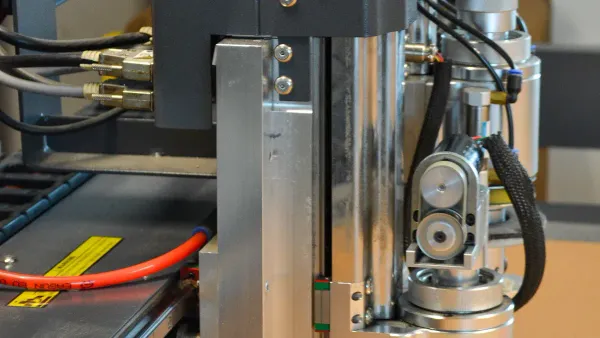
Think of an actuator as the muscle of a machine. 💪
So, what is an actuator? It is a key component that converts energy into motion, making things push, pull, or rotate. The global actuator market is growing fast, with projections reaching over USD 82.5 billion by 2030. At its core, an actuator converts energy into motion. Understanding what is an actuator is your first step into the exciting world of robotics and automation. This essential actuator makes modern technology possible.
Key Takeaways
- An actuator is a device. It changes energy into movement. It makes things push, pull, or spin.
- Actuators work in three steps. They get a signal. They change energy. They create motion.
- There are different types of actuators. They use electricity, liquid, or air for power. They can move things in a straight line or in a circle.
- Actuators are in many things. They are in factory robots. They are in your smartphone. They are in heavy machines.
- Choose an actuator based on your needs. Think about how much force you need. Think about how far it needs to move. Think about how fast it needs to go.
What Is an Actuator and How Does It Work
You now know the answer to "what is an actuator": it's a machine's muscle. But how does it actually work? The core principle is simple. An actuator takes a command and an energy source, then it converts energy into motion. This process makes things in the physical world move.
Let's break down how actuators work into three basic steps:
- Signal: The actuator receives a control signal. This signal is a command, like "move forward" or "rotate 90 degrees." The signal is often electrical, coming from a switch, a sensor, or a computer program.
- Energy Conversion: The actuator uses an energy source to act on the signal. This energy might be electricity, pressurized air, or hydraulic fluid. The actuator is the device that performs the conversion.
- Motion: The actuator produces a physical movement. This can be a straight-line push/pull action or a circular rotation. The motion accomplishes the intended task, like opening a valve or focusing a camera lens.
A Closer Look: The Electric Linear Actuator
To understand this better, let's examine a very common type: the electric linear actuator. This device is excellent at creating straight-line motion. A linear actuator converts an electric motor's rotary (spinning) motion into a push or pull movement.
So, what is an actuator made of on the inside? While designs vary, most electric linear actuators share several key components:
- Motor: This is the powerhouse, usually a DC motor. It receives electrical energy and creates a spinning motion.
- Gears: The gears connect to the motor. They control the speed of the rotation and increase the force.
- Spindle (Lead Screw): This is a long, threaded rod that spins. The motor and gears make the spindle rotate.
- Nut: The nut is threaded onto the spindle. It cannot rotate with the spindle, so it must move up and down the spindle as it turns.
- Inner and Outer Tubes: The nut is attached to an inner tube. As the nut travels along the spindle, it pushes the inner tube out or pulls it back in. This creates the linear motion you see.
- Sensors and Limit Switches: These parts provide control and feedback. Limit switches stop the motor when the actuator reaches its fully extended or retracted position. Other sensors can provide precise feedback on the actuator's position, which is critical for automation and robotics.
This system of components explains how actuators work. An electrical signal tells the motor to turn. The motor spins the gears and the lead screw. The nut travels along the screw, pushing or pulling the tube. The result is powerful and precise linear motion. This entire process is how an actuator converts energy into motion. Understanding what is an actuator and its internal mechanics is the key to unlocking its potential in any project. The feedback loop created by sensors allows for incredibly accurate and repeatable movements.
Common Actuator Types
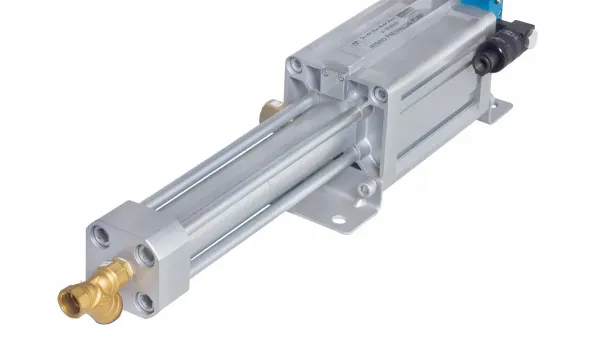
You can group actuators in several ways. This classification of actuators helps you understand their strengths and choose the right one for a job. The two most common classification of actuators are by their power source and by the type of motion they create. Let's explore these different types of actuators.
By Power Source
The energy source is a major factor in the classification of actuators. It determines the actuator's power, speed, and ideal environment.
Electric Actuators
Electric actuators are very common in modern technology. They use electricity to power a motor. The motor's power is then converted into movement.
An electric linear actuator, for example, converts an electric motor's spinning motion into a straight push or pull movement. It does this using a lead screw and nut system.
Electric actuators offer excellent precision and are quiet. You can program them for very specific and repeatable tasks. This makes them perfect for automation. However, they can be more expensive upfront and may overheat if used beyond their duty cycle. Their contained design gives them a small footprint, and they require minimal maintenance since there is no fluid to leak.
Hydraulic Actuators
Hydraulic actuators use a pressurized, incompressible liquid (usually oil) to create motion. A pump provides the pressurized fluid. This fluid pushes a cylinder to generate immense force.
- Advantages: They are incredibly powerful and robust. This makes them ideal for heavy-duty jobs requiring high force and speed, like in large construction equipment.
- Disadvantages: These systems can be messy. Fluid leaks are a common issue, creating safety hazards and requiring significant maintenance. They are also less energy-efficient because the pump often runs continuously.
Pneumatic Actuators
A pneumatic actuator works similarly to a hydraulic one. It uses compressed gas, usually air, instead of liquid. The system takes in air and compresses it to a higher pressure, which then drives the movement. A pneumatic actuator is a popular choice for factory automation.
- Advantages: They are fast, simple, and relatively inexpensive. They are great for quick, repetitive tasks.
- Disadvantages: It is difficult to achieve the precise position control you get with electric linear actuators. The compressibility of air makes their motion less rigid.
Here is a simple breakdown of these three main types of actuators.
| Actuator Type | Energy Source | Operational Principle |
|---|---|---|
| Hydraulic | Compressed fluid (oil) | Converts fluid pressure into powerful motion. Adding fluid increases pressure and force. |
| Pneumatic | Compressed air or gas | Runs on compressed air. The system compresses air to a higher pressure to drive movement. |
| Electric | Electricity | Converts electrical energy into mechanical torque using a motor, gears, and a lead screw. |
Other Power Sources
Beyond the big three, other types of actuators exist for specialized tasks.
- Thermal Actuators: These use temperature changes to create motion. For example, Shape Memory Alloy (SMA) actuators are used in medical devices like stents that expand at body temperature.
- Magnetic Actuators: These use magnetic fields to produce force. You can find them in the electrically adjustable mirrors in your car or in high-precision industrial positioning systems.
- Piezoelectric Actuators: These are masters of micro-motion. They use a special ceramic material that expands or contracts when you apply a voltage. By stacking thin layers of this material, a piezoelectric actuator can achieve extremely fine, sub-micron level positioning, which is critical in devices like atomic force microscopes.
By Motion Type
The second main classification of actuators is based on the kind of movement they produce. This is the actuator movement type. The two primary categories are linear and rotary.
Linear Actuators
Linear actuators create motion in a straight line. Think of a simple push or pull action. This is one of the most common types of motion needed in automation. As we saw earlier, an electric linear actuator often achieves this by converting a motor's rotation into straight-line movement. These linear actuators are essential for tasks that require lifting, lowering, sliding, or positioning along a straight path. You find linear actuators everywhere, from industrial CNC machines to adjustable desks and recliners at home.
Rotary Actuators
Rotary actuators produce motion in a circle. They make things turn, twist, or spin around a central point. A rotary actuator can provide either a limited angle of rotation or continuous spinning.
Many industries rely on rotary actuators. They are the "twisters" in the world of machines.
- Industrial Automation: A rotary actuator is used to operate valves in chemical plants and water treatment facilities.
- Robotics: The joints in robotic arms use rotary actuators to pivot and position tools with high precision.
- Aerospace: Rotary actuators control flight surfaces on airplanes and position landing gear systems.
Just like linear actuators, rotary actuators can be powered by electricity, hydraulic fluid, or pneumatic pressure. For example, some pneumatic rotary actuators use a rack and pinion system. Compressed air pushes a piston (the rack), which turns a gear (the pinion), creating rotation. This simple mechanism makes them a reliable choice for many applications.
Real-World Actuator Applications
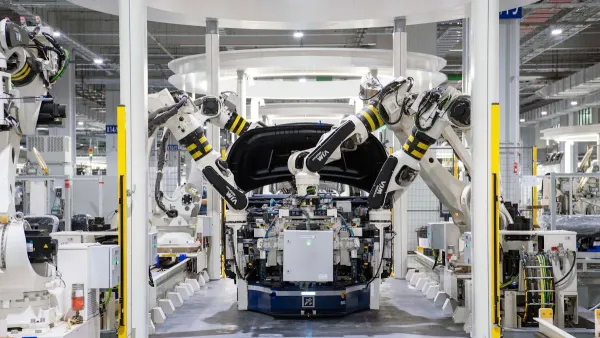
You have learned what an actuator is and the different types. Now, let's explore some real-world actuator applications. You will see that these components are the hidden heroes behind many technologies you use and see every day.
Industrial and Heavy Machinery
Actuators are the workhorses in heavy industry. They provide the immense force and precision needed for demanding jobs.
In construction, you see powerful hydraulic actuators at work. They use pressurized fluid to move the arms of excavators and the blades of bulldozers. Electric actuators also help with precise adjustments on this equipment.
In automated factories, an electric actuator is a key player. It powers robotic arms that perform tasks with incredible speed and accuracy. These robots can weld, lift, and place parts, which improves product quality. Agriculture also relies on actuators for precision farming. In modern tractors and combines, they help with:
- Steering and console adjustments
- Opening and closing grain tank covers
- Controlling harvesting blades
Consumer and Commercial Tech
The applications of actuators extend right into the devices in your pocket and home. These tiny movers make many modern conveniences possible.
When your smartphone vibrates, you are feeling a small actuator. Many phones use a Linear Resonant Actuator (LRA) to create crisp haptic feedback. Your digital camera also uses a tiny actuator for its autofocus feature. A Voice Coil Motor (VCM) moves the lens elements with extreme speed and precision to give you a sharp picture. Companies in the commercial tech space, like HiSilicon-designated (authorized) solutions partner Nova Technology Company (HK) Limited, work on the advanced systems that utilize these components.
In your home, you can find actuators in smart devices. An electric actuator can open and close automated blinds. A different type, a solenoid actuator, works to lock and unlock your smart door lock with a simple command.
Choosing the Right Actuator
Selecting the perfect actuator can seem complex, but you can simplify the process. Understanding how to choose an actuator starts with looking at your project's specific needs. You must match the device's capabilities to the job you want it to do.
Key Selection Criteria
Before you pick an actuator, you need to know what to look for. These key specifications will guide your decision.
- Force: This is the amount of weight an actuator can push, pull, or hold. You will see two types. Dynamic force is the power it has while moving, and static force is the weight it can support when still.
- Stroke Length: This tells you the total distance the actuator can move an object. You need to measure how far your part needs to travel.
- Speed: This is how fast the actuator moves. The speed you need depends entirely on your application's requirements.
Beyond these basics, you should also consider the Duty Cycle and IP Rating. The duty cycle tells you how long an actuator can run before it needs to rest. Running it too long generates excess heat, which causes wear and shortens its life. The IP rating shows how well the device is protected from dust and water, which is vital for outdoor or messy environments.
Matching Actuator to Task
Now you can think about how to choose an actuator for a specific job. Different tasks demand different strengths. For example, a high-speed automation task might make you choose between a pneumatic or an electric actuator.
| Feature | Pneumatic Actuator | Electric Actuator |
|---|---|---|
| Speed | High | Low to Medium |
| Accuracy | Low | High |
| Cost | Lower initial cost | Lower total cost |
| Noise | High | Low |
If your project needs fast, powerful motion but not perfect precision, a pneumatic actuator is a great choice. For tasks that demand high accuracy and quiet operation, like in robotics or medical devices, an electric actuator is better. You must balance performance with cost. A more expensive, high-quality actuator often saves you money over time because it is more reliable and requires less maintenance.
You now understand the core of what makes our world move. An actuator is the essential component that takes a signal and an energy source to create physical motion. These devices are the powerful "movers" inside everything from massive industrial machines to the smartphone in your hand. They push, pull, and rotate to make technology work.
Understanding these basics is your first step. You now have the foundational knowledge to explore the exciting world of automation and even start building your own projects. Keep learning, and see what you can make move! 🚀
FAQ
What is the difference between an actuator and a motor?
A motor creates rotary motion. An actuator is a complete device that converts energy into useful motion, which can be linear or rotary. Many actuators use a motor as their power source, but they also include other parts like gears and lead screws to perform a task.
What does "duty cycle" mean for an actuator?
Duty cycle tells you how long an actuator can run before it needs to rest and cool down. It is often shown as a percentage. For example, a 25% duty cycle means it can run for 15 seconds and then must rest for 45 seconds.
How do I choose the right stroke length?
To find the right stroke length, you should measure the distance an object needs to move. If you need to lift a lid 10 inches, you need an actuator with at least a 10-inch stroke length. Always choose a length that meets or exceeds your requirement.
Which type of actuator is best for home projects?
Electric actuators are often the best choice for home automation and DIY projects. They are easy to install, offer precise control, and operate quietly. You can find them in various sizes and force ratings to match your specific needs, from opening a window to building a small robot.