

Advanced SSR Control Methods with Current Sensing Relays
A user can pair a current sensing relay with solid-state relays to monitor load current. This integration provides advanced
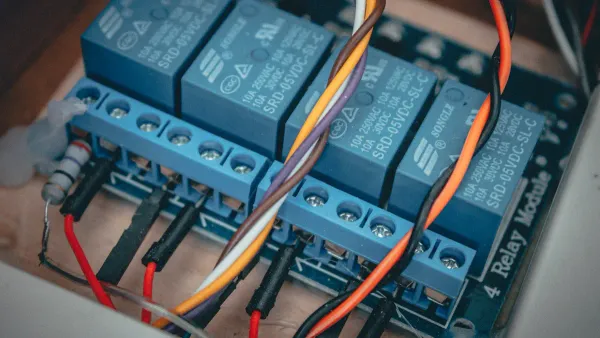
A user can pair a current sensing relay with solid-state relays to monitor load current. This integration provides advanced control and adds a layer of intelligence to the system. It enables several critical functions for improved reliability.
This setup immediately detects open-circuit failures and protects equipment from overcurrent damage. It also verifies the switching status of the solid state relays.
Using a current sensing relay to control a solid state relay is a straightforward method. This approach elevates a standard solid-state circuit into a smart, self-diagnosing component.
Key Takeaways
- Pairing a current sensing relay with a solid-state relay makes your system smarter. It helps monitor the electrical current.
- This setup helps find problems like broken wires or too much electricity. It protects your equipment from damage.
- A current sensor can tell if your solid-state relay is working right. It checks if the relay turns on and off as it should.
- You can set the current sensor to protect against too little or too much electricity. This prevents big problems before they happen.
- Choosing the right current sensor and wiring it correctly is important. This makes your system reliable and safe.
How Current Sensing Relays Augment SSRs
A current sensing relay enhances the functionality of solid state relays. The system gains diagnostic capabilities by monitoring the load current directly. This simple addition provides a foundation for advanced system control and protection. The core principle is straightforward and highly effective.
Using a Current Sensing Relay to Control a Solid State Relay
Engineers use a current sensing relay to control a solid state relay by wiring it in series with the SSR's load, not its control input. This configuration allows the sensor to measure the actual current flowing to the connected device, such as a heater or motor.
Wiring Tip: The current sensor must be placed on the load side of the solid-state circuit. This ensures it measures the current being switched by the SSR. Placing it on the low-voltage control side will not provide any useful load information.
This setup is especially valuable in applications requiring precise control, like industrial temperature control circuits. The system can verify that the load is drawing the expected current when the SSR is activated. This immediate feedback is the first step toward building a smarter, self-monitoring system. The fast switching capabilities of solid state relays are complemented by this real-time data.
Translating Current into Control Signals
A current sensing relay translates a physical current into a clean electrical signal. It achieves this using various internal methods. For example, many sensors use a Hall element, which generates a voltage proportional to the magnetic field created by the current. This method provides high precision for both AC and DC loads.
The relay contains adjustable setpoints for overcurrent and undercurrent conditions. An operator configures these thresholds based on the load's normal operating parameters. When the measured current goes above or below these setpoints, the relay's output contacts activate. This output provides a simple digital signal to a PLC or an analog voltage (e.g., 0-10V DC) to a microcontroller. This signal conversion enables a reduced response time for the main control system. The microsecond switching time of solid-state components ensures the system can react quickly. This ability to use a current sensing relay to control a solid state relay provides superior control and protection with fast switching speeds. The microsecond switching time inherent in solid-state technology makes this pairing highly effective.
Detecting Open-Circuit Load Failures
An open-circuit failure is a common yet critical issue in industrial systems. It occurs when the electrical path to a load, like a heater, is broken. This break stops the current flow. The control system might think the load is active, but it is not. This situation can lead to production defects or unsafe conditions. A current sensing relay provides a simple and effective solution to this problem.
Setting the Undercurrent Threshold
An operator first sets an undercurrent threshold on the current sensing relay. This setpoint is the key to detecting an open load. The threshold should be configured to a value slightly above zero amps but significantly below the load's normal operating current. For example, if a heater normally draws 10A, the undercurrent threshold might be set to 0.5A.
Pro Tip: Always measure the load's actual operating current before setting the threshold. This ensures the setpoint is low enough to detect a true failure but not so low that it causes false alarms from minor fluctuations.
When the SSR is commanded ON, the relay expects to see current above this 0.5A threshold. If the current remains below it, the relay identifies an open-circuit condition. This can happen for many reasons:
- Component Failure: A heating element burns out or a wire breaks from physical stress.
- External Factors: Heavy vibrations loosen a terminal connection.
- Human Error: An incorrect connection was made during maintenance.
Implementing a Fault Alert Logic
Once the relay detects an undercurrent condition, its output contacts change state. This simple digital signal is the foundation for a fault alert system. An engineer wires this output to a digital input on a PLC or other master controller. The PLC program then executes a fault logic routine. This routine can immediately trigger an alarm, preventing wasted production time or material.
For maximum effectiveness, this fault signal should integrate with the main operator interface. Modern systems can send this alert directly to an HMI or SCADA dashboard. This provides several advantages:
- Centralized Monitoring: Operators see the fault alongside other process data on one screen.
- Enhanced Visibility: A clear alarm message instantly identifies the failed component.
- Improved Response Time: Direct notifications enable quick action without checking separate panels.
This level of system integration is crucial for modern automation. Companies like Nova Technology Company (HK) Limited, a HiSilicon-designated solutions partner, specialize in designing such comprehensive HMI and data integration systems. This advanced control helps teams diagnose problems remotely and reduce downtime.
Implementing Overcurrent Protection
Overcurrent events are a primary cause of SSR failure. They can destroy the relay's output element. These events happen for several reasons. An operator might choose an incorrect SSR for the load. For example, a 10A relay cannot handle a motor's 30A startup current. Sustained overloads and external surges from motor starters or lightning also cause damaging overcurrents. A current sensing relay provides an essential layer of defense against this damage.
Setting the Overcurrent Trip Point
An operator must set the overcurrent trip point on the current sensing relay. This threshold must be configured with high precision. The goal is to allow normal operation but react instantly to a dangerous current spike. The correct setpoint depends entirely on the type of load.
- Resistive Loads: Heaters have a stable current draw. Their trip point can be set just above the normal operating current. Standards often require that heating elements be protected at not more than 60 amperes.
- Motor Loads: Motors draw a large inrush current at startup. The protection device must ignore this brief, normal spike. Therefore, the trip point is set much higher. Standards often permit a setting of 175% to 250% of the motor's full-load rating to prevent nuisance trips.
Setting the trip point correctly is a balance. It must be low enough to protect the SSR and load but high enough to accommodate normal inrush currents.
Wiring for an Automatic Protective Shutdown
Wiring the system for an automatic shutdown is a critical safety measure. This practice aligns with industrial safety standards like IEC 60204-1 and UL 508, which outline requirements for machine electrical safety. The current sensing relay’s output contacts are wired to a digital input on the PLC or master controller.
When the load current exceeds the trip point, the relay’s output changes state. The PLC receives this signal and immediately executes a shutdown command. The PLC program removes the voltage from the SSR’s control input. This action instantly opens the solid-state circuit and cuts power to the load, preventing thermal damage. After such a trip, many systems require a manual reset. This forces a technician to investigate the cause of the fault before restarting the equipment, giving them full control over system safety.
Verifying the Health of Solid State Relays

A current sensing relay does more than just protect the load. It provides the necessary feedback to verify the health of the solid-state relay itself. A control system can use this feedback to diagnose problems before they cause significant downtime. This proactive monitoring turns a simple switching circuit into a self-aware system.
Comparing Control Signal to Load Current
The core of SSR health verification is a simple logic comparison. The master controller, such as a PLC, knows the state of its own output—the control signal sent to the SSR. It compares this expected state with the actual current reported by the current sensing relay. This comparison instantly reveals whether the SSR is behaving as commanded.
This diagnostic logic can be summarized in a simple table:
| Control Signal | Load Current | SSR Status |
|---|---|---|
| ON | Expected Current | ✅ Healthy |
| ON | No Current | ❌ Fault (Failed-Open) |
| OFF | No Current | ✅ Healthy |
| OFF | Current Present | ❌ Fault (Welded-Shut) |
This continuous cross-check provides a definitive, real-time status of the entire solid-state switching operation.
Diagnosing Welded vs. Failed SSRs
Using the logic above, a system can diagnose the two most common failure modes of solid-state relays. A welded solid-state component can create a serious safety hazard, while a failed-open one can halt production. This diagnostic capability is a major advantage for systems using solid state relays.
A welded SSR occurs when the output is stuck in the ON position. The PLC commands the SSR to turn OFF, but the current sensor continues to report current flow. The PLC flags this mismatch as a welded fault.
A failed-open SSR is the opposite. The PLC commands the SSR to turn ON, but the current sensor reports zero current. This indicates the SSR is unable to close the circuit.
Common failure modes for solid state relays include:
- Fail Open: The output can no longer switch to a closed state.
- Fail Closed: The output is permanently stuck in the closed (welded) state.
- Overcurrent: High current fuses the internal semiconductors, creating a short circuit.
- Catches Fire: The device overheats during operation, which can lead to an open or closed failure.
By monitoring for these conditions, a system can automatically shut down and alert maintenance teams to the exact problem.
Selection and Integration with Solid-State Relays
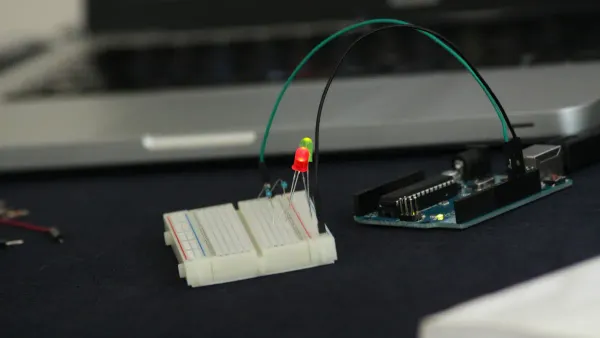
Proper component selection and correct wiring are essential for a reliable system. Choosing the right parts ensures the circuit performs as expected. Integrating them correctly guarantees safety and optimal performance.
Choosing the Right Current Sensor
An engineer must evaluate several key criteria when selecting a current sensing relay. The most important factors are the current range, response time, and output type. The current range must match the load's normal operating and potential inrush currents. Response time is critical for fast-acting protection; this includes the time to first reading and the time to stabilize on an accurate measurement. The output type, such as a normally open (N.O.) or normally closed (N.C.) contact, determines how the relay signals the master controller.
For complex systems or specialized applications, consulting with experts is a wise step. Companies like Nova Technology Company (HK) Limited, a HiSilicon-designated solutions partner, can provide guidance on selecting the ideal components for advanced control systems.
A Practical Wiring Model for the Solid-State Circuit
A practical wiring model connects the control system, the SSR, the current sensor, and the load. The goal when using a current sensing relay to control a solid state relay is to create a closed loop of information. This setup is common in industrial applications like temperature control circuits that require high reliability. The fast switching capabilities of solid state relays are enhanced by this diagnostic feedback. The microsecond switching time of solid-state components allows the system to react instantly to faults.
The following table illustrates a typical wiring scheme for a PLC-controlled system. This model helps verify the health of solid state relays.
| Component | Connection From | Connection To | Purpose |
|---|---|---|---|
| PLC Output | PLC Digital Output | SSR Control Input (Terminal 3) | Sends the ON/OFF command to the SSR. |
| SSR Control | SSR Control Input (Terminal 4) | DC Common | Completes the low-voltage control circuit. |
| AC Power | AC Line | Current Sensor Input | Provides power to the load circuit. |
| Current Sensor | Current Sensor Output | SSR Load Input (Terminal 1) | Measures current flowing to the SSR. |
| SSR Load | SSR Load Output (Terminal 2) | Load (e.g., Heater) | Switches power to the load. |
| Load Return | Load (e.g., Heater) | AC Neutral | Completes the high-power load circuit. |
| Fault Signal | Current Sensor Relay Output | PLC Digital Input | Sends a fault signal to the PLC. |
Wiring Best Practice: Always use the correct wire gauge for the load current. Use wire ferrules on stranded wires to ensure secure terminal connections and prevent failures. The ability to use a current sensing relay to control a solid state relay provides superior protection, leveraging the microsecond switching time of solid-state technology for fast switching and system safety.
Integrating a current sensor with solid state relays provides three key benefits. It enables reliable open-load detection, effective overcurrent protection, and definitive health verification for solid-state relays. This simple addition elevates a basic solid-state switch into a smart, self-diagnosing component. This advanced solid-state control improves system safety, uptime, and maintainability, adding significant value to any industrial application.
FAQ
Can a current sensor replace a fuse or circuit breaker?
No, a current sensing relay is a monitoring device, not a primary protection device. It signals a controller to take action. Fuses and circuit breakers physically interrupt the circuit. They provide essential, failsafe protection that a sensor alone cannot guarantee.
Why is fast detection important for SSRs?
Solid-state components are sensitive to overcurrent. A fast detection system is critical. The microsecond switching time of an SSR allows it to turn off almost instantly. This rapid response, triggered by a sensor, prevents permanent damage to the relay and the load.
What happens if the current sensor fails?
A failed sensor can create a blind spot in the system. The controller will not receive fault alerts. This is why engineers often design systems with redundant checks. The microsecond switching time of the SSR is only useful if the fault signal is reliable.
Does a current sensor slow down the system response?
A quality current sensor has a very fast response time. It does not negatively impact the system. The sensor's speed complements the microsecond switching time of the SSR. This pairing ensures the system can react to faults almost instantly, maintaining high performance and safety.
How does this setup improve system uptime?
This setup enables predictive maintenance. It identifies issues like failing heaters or welded SSRs before they cause a major shutdown. The microsecond switching time of the SSR protects equipment, which reduces repair needs and keeps the system operational for longer periods.


