Electronic Component Lead Times 2026: Full Guide for OEM Buyers and Component Engineers
Practical guide for buyers and engineers: Electronic Component Lead Times 2026: Full Guide for OEM Buyers and Component Engineers. Sourcing, risk, and selection notes.
Electronic Component Lead Times 2026: Full Guide for OEM Buyers and Component Engineers
Why 52‑Week MCU Lead Times Are Catching OEMs Off Guard in 2026
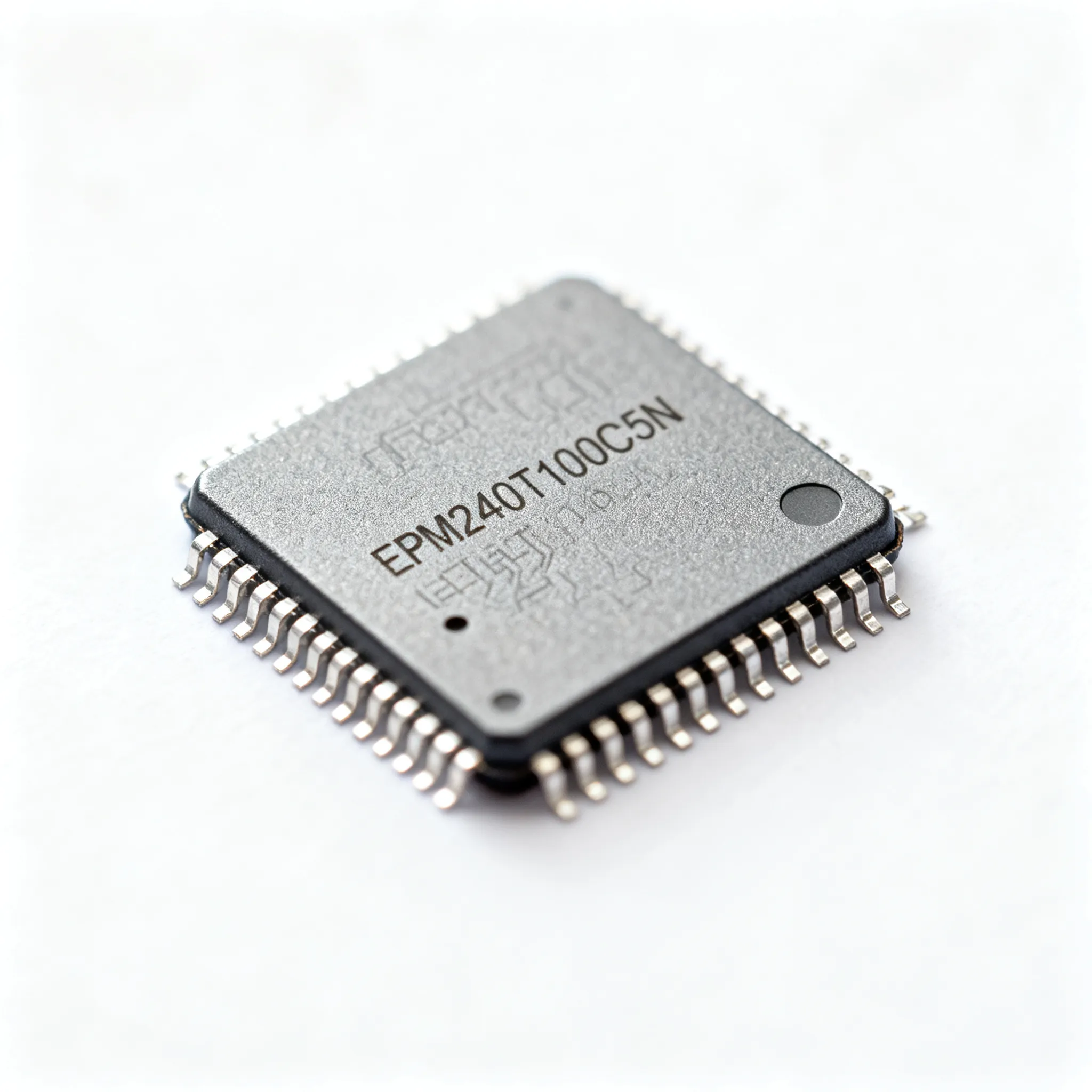
Many purchasing teams entered 2026 expecting a broad normalization of electronic component lead times. What they received instead was a quiet but persistent squeeze on advanced microcontrollers and FPGAs. As GlobX’s 2026 lead‑time analysis confirmed, standard 32‑bit automotive and industrial MCUs are still quoted at 55‑plus weeks on new production orders. Even when logic and memory segments began to cool, the foundry capacity devoted to mature‑node embedded processing stayed fully booked, leaving little slack for unexpected upside demand.
The numbers alone tell only half the story. The real surprise for OEM buyers is how quickly a single long‑lead line item can halt an entire production build when no qualified alternate exists on the bill of materials. Distributor notifications meant to curb panic buying often backfire: once buyers see allocation notices, they inflate forecasts to capture volume, feeding the very scarcity they tried to avoid. The result is a demand signal that oscillates far faster than semiconductor fabs can adjust, turning what could have been a manageable 50‑week queue into a rolling 55‑plus‑week wall.
The planning horizon has shifted permanently. Where a 12‑month forecast used to provide enough runway, leading OEMs now lock non‑cancellable, non‑returnable (NCNR) orders 18 to 24 months ahead on any part that touches a constrained fab node. Ignoring that timeline means accepting that the next production run could lose weeks of revenue waiting for a component that no distributor can pull off a shelf.
Where Today’s Lead Times Stand: A Component‑by‑Component Reality Check
The days of quoting a single universal lead‑time number across all device categories are over. GlobX’s category‑level data and ECIA’s North American sentiment surveys reveal a landscape where some families have gained breathing room while others remain pinned at multi‑year highs. Senior component engineers know that integrating these realities before design‑in is just as critical as checking parametric specs. A technically perfect part that cannot be obtained within a production window is a dead end waiting to happen.
The table below translates the latest third‑party research into a practical reference that buyers and engineers can use during BOM scrubs. None of these values are guarantees; treat them as planning ranges that must be confirmed via an allocation‑backed RFQ with each supplier.
| Component Category | Typical Quoted Lead Time Trend (2026) | Source / Sentiment | Procurement Implication |
|---|---|---|---|
| 32‑bit MCUs (automotive/industrial) | 55+ weeks on new orders; limited improvement since late 2025 | GlobX chart, ECIA IP&E bookings | Require 18‑24 month visibility; NCNR orders secure capacity |
| FPGAs (mid‑range and high‑end) | 52+ weeks; advanced nodes tighter than mature logic | GlobX analysis | Treat as allocation‑driven; qualify pin‑compatible alternatives early |
| Memory (DRAM, NAND Flash) | 26+ weeks and easing; spot supply improving | GlobX, ECIA trends | Inventory normalization expected; negotiate flexible terms |
| Power discretes (MOSFETs, IGBTs) | 20–30 weeks; demand‑surge spikes push toward upper end | GlobX analysis | Keep safety stock when served by single fab location |
| Connectors (board‑to‑board, wire‑to‑board) | 12–25 weeks; regional variance in tooling capacity | ECIA IP&E data | Verify mold‑specific lead times; dual‑source connector footprints |
| Passives (MLCCs, resistors) | 8–16 weeks broadly stable; specialty RF and high‑temp MLCCs tighter | ECIA sentiment, distributor reports | Stable for standard dielectrics; monitor high‑reliability variants |
Memory and passives are the bright spots, but the relief is not evenly distributed. Specialty RF capacitors built on legacy process lines still behave like constrained parts, and any sudden demand push in power discretes can push lead times back above 30 weeks within a quarter. The difference between a smooth build and a line‑down call often comes down to which specific MPNs populate the BOM, not which broad category they belong to.
Pivoting from Single‑Source Risk: Comparing Your Options for Long‑Lead Parts
When a critical MCU shows 55‑plus weeks delivery on a confirmed purchase order, the engineering and procurement teams have roughly four levers to pull. Each carries a different mix of cost, validation effort, and supply security. Qualifying a pin‑compatible alternate that already sits on a distributor’s shelf can turn a production crisis into a sourcing decision, while a forecast‑backed buffer built with non‑cancellable orders might let you ride out a shortage without touching the BOM. For complex assemblies where firmware and calibration lock you into an OEM architecture, certified OEM replacement parts remain the only viable path, even if they come with their own lead‑time constraints.
The following decision matrix weighs these paths against common OEM constraints.
| Strategy | Cost & Timeline | Supply Risk Reduction | Best Applied When |
|---|---|---|---|
| Qualify a pin‑compatible alternate (e.g., evaluate GD32, APM32, CH32‑class families as candidates) |
Moderate qualification effort; 4–12 weeks for firmware adaptation and electrical testing | High — creates a second direct source | A drop‑in candidate exists and can be validated without PCB respin; always verify package, pinout, and peripheral registers before committing |
| Build forecast‑backed buffer inventory | Carrying cost of 6–12 months’ stock; NCNR orders lock cash | Medium‑High — absorbs lead‑time variability | When the original part cannot be substituted and demand visibility is solid; pair with rolling 24‑month forecasts to avoid bullwhip |
| Redesign around an available MCU family | High upfront engineering; 3–6 months to new PCB and firmware | Highest — complete control over supply base | Peripheral mapping and firmware changes make alternates impractical; the redesign pays back within two production runs if the new part has stable availability |
| Rely on OEM‑certified replacement modules | Often premium pricing; lead times tied to OEM assembly schedule | Moderate — reduces integration risk but not the single‑source nature of the assembly | Complex assemblies (PLCs, VFDs, protective relays) where reverse engineering is not practical and original design files are unavailable |
Choosing a path early is what separates the teams that ship on time from those that burn engineering hours scrambling. If an alternate MCU family can be validated within a quarter, the additional firmware effort is almost always cheaper than idling a production line for 30 weeks. But if the peripheral set or real‑time behavior differs significantly, a controlled redesign around a known‑good, in‑stock family is the only way to remove the single‑source bottleneck permanently.
What Top OEMs Are Doing Differently to Buy Around the Delays
Leading procurement organizations have stopped reacting to monthly shortage alerts and started building availability into the design cycle itself. Their toolbox goes beyond simple buffer stock. They extend planning windows to 18–24 months, lock in NCNR orders on the riskiest BOM lines as soon as the annual operating plan firms up, and—critically—they pressure‑test supplier promises with operational questions that reveal real factory capacity, not polished sales decks. Asking a fabless supplier which foundry partner runs a specific mask set and what utilisation level that node is at tells you far more about delivery certainty than a generic commitment date.
These practices pair with practical sourcing steps that move from react‑to‑replenish toward design‑for‑availability: multi‑source qualification workflows, automated lifecycle monitoring, and early warning systems built on Electronic Component Supply‑Track (ECST) reports that flag allocation shifts before they become public. The table below catalogs the five actions that most frequently differentiate on‑time builds from line‑down emergencies.
| Action | When to Use | Trade‑Off |
|---|---|---|
| Extend planning window to 18‑24 months on constrained nodes | Immediately for any 32‑bit MCU or FPGA where a single foundry supplies the die | Demands long‑range forecast accuracy; errors turn into inventory drag |
| Lock NCNR orders on allocation‑prone BOM lines | At annual forecast sign‑off, before spot‑market premiums appear | Irreversible commitment; only suitable when demand visibility is high |
| Pressure‑test supplier mask‑set and foundry utilisation | During supplier business reviews or before placing a large blanket order | Requires semiconductor process knowledge; smaller suppliers may not disclose data |
| Implement multi‑source qualification as a standard gate in new‑product introduction | At design review, before PCB freeze | Adds 2‑4 weeks to design phase; pays back the first time a lead time blows out |
| Read ECST allocation reports monthly for early warning signals | Ongoing, for top‑20 by spend components | Creates administrative overhead; must be paired with a fast escalation process |
The common thread across all five actions is that they treat lead‑time management as a systems‑engineering problem, not a purchasing‑department fire drill. The firms that consistently ship on time have embedded these steps into a repeatable process that runs from initial BOM clearance through to production ramp.
What that process looks like on a weekly basis:
- Scrub the BOM against current ECIA sentiment and supplier‑provided allocation status; flag any single‑sourced line on a mature node above 90% fab utilisation.
- Run a cross‑reference search on IC‑Online for pin‑to‑pin evaluation candidates; collect datasheets and errata before committing engineering time.
- Obtain a written allocation‑backed lead‑time quote from at least two authorised distributors; compare their committed dates with the foundry’s published capacity outlook.
- If the lead time exceeds 40 weeks, initiate a parallel qualification of an alternate MCU family and begin firmware porting on an early development board.
- Place a rolling 24‑month NCNR order for the shortlisted MPNs at the next quarterly supply review, using a non‑hedged demand signal to avoid inflating factory backlog.
Lead‑Time Questions Every Senior Buyer and Component Engineer Is Asking in 2026
Q: Which component categories are still seeing the longest lead times in 2026?
A: MCUs and FPGAs remain the tightest segments. As GlobX reports, standard automotive and industrial MCUs are frequently quoted at 55+ weeks, with many FPGA families not far behind. Power discretes such as MOSFETs and IGBTs have eased into the 20–30 week range but can spike rapidly during demand surges because their backend assembly capacity is shared across multiple end markets. Connectors and most passives are broadly stable, although specialty RF capacitors and high‑temperature MLCCs still show longer waits during capacity crunches. Always confirm allocation‑backed lead time with the specific MPN rather than relying on category averages.
Q: How far ahead should OEMs realistically plan orders on constrained lines?
A: 18–24 months is the new norm for any line that touches a mature‑node or advanced‑logic fab, especially when a single foundry supplies the die. Waiting for a 12‑month forecast to place orders on a 55‑week part means that the second half of the production run will arrive only after the original delivery date has passed. OEMs that commit early with NCNR orders secure physical fab slots before the spot‑market premiums climb, and they can negotiate from a position of volume rather than emergency.
Q: Is it always worth qualifying a pin‑compatible alternate, or does redesign become unavoidable?
A: If a candidate exists that matches the pinout, supply voltage, and critical peripherals, qualifying it can turn a procurement crisis into a simple supplier switch. Evaluate families like GD32, APM32, or CH32‑class devices as potential alternates—but you must rigorously verify package dimensions, firmware register maps, and analog performance before declaring them fit. When the peripheral tree, memory map, or real‑time timing loops differ materially, a controlled redesign around an in‑stock MCU family often pays for itself within two production runs and permanently removes the single‑source risk.
Q: Do distributors’ warnings to avoid overbuying actually help, or do they make shortages worse?
A: The notification mechanism itself often amplifies the bullwhip effect. Buyers who see an allocation notice tend to inflate their forecasts to capture more supply, creating artificial demand spikes that push genuine lead times further out. The most effective countermeasure is to work directly with the manufacturer on rolling, non‑hedged forecasts that reflect true consumption rather than panic‑padded numbers, and to use supplier‑agnostic early‑warning tools like ECST reports to spot allocation shifts before the distributor email lands.
Q: Can regional diversification in sourcing significantly shorten lead times?
A: Regional diversification helps with logistics, currency exposure, and tariff mitigation, but it cannot bypass the upstream semiconductor cycle. Asia‑Pacific still accounts for 56% of global electronics revenue and houses the majority of wafer fabrication, assembly, and test facilities. Shifting final assembly to Europe or the Americas does not change the fact that the die inside a microcontroller likely started in a fab operating at over 95% utilisation. The diversification that matters is at the silicon level: qualifying a second source that uses a different fab location for the same function.
Q: What’s the first KPI a component engineer should track to catch a looming lead‑time blowout?
A: The ratio of non‑cancellable backlog to available fab capacity for the specific process node is the earliest leading indicator. When a foundry’s mature‑node utilisation crosses 95% and the sum of already‑booked NCNR orders covers 18 or more months of output, standard lead‑time quotes soon become unreliable because any expedite request enters a zero‑slack queue. Tracking this metric monthly—either from foundry utilisation reports or via aggregators like ECIA’s IP&E data—gives a 4‑ to 8‑week head start before the distributor channel reflects the squeeze.
References & Further Reading
- Electronic Component Lead Times 2026: Full Guide – GlobX — Category‑level lead‑time chart (MCUs 55+ weeks, FPGAs 52, memory 26+) and strategies for buying around delays.
- Rising Component Lead Times: 3 Steps to Stay Ahead – Matric — Analysis of distributor overbuying warnings and practical steps for OEMs in medical and industrial markets.
- OEM Electrical Replacement Parts: Complete Sourcing Guide – IFL Manufacturing — When OEM‑certified replacements are the only viable route for complex electronic assemblies.
- Market Trends / Lead Times – ECIA — North American sentiment data for IP&E components, updated regularly.
- Electronic OEM Components Sourcing Checklist – Indufacthub — Operational supplier questions that test capacity and process discipline.
- Understanding Electronic Component Specifications Before You Buy – Utkal University — Importance of matching technical specs with supply‑chain reality.
- How to Shop Electronic Components Smartly in 2026 – Alibaba.com Sourcing Guide — Practical sourcing steps and regional revenue concentration data.
The lead‑time environment in 2026 is not a return to the easy‑order days of the late 2010s, but neither is it an unmanageable crisis for teams that have embedded supply‑aware design practices. Treat every long‑lead quotation as a signal to verify, not a sentence to accept. Where you still need allocation‑backed certainty on a mixed BOM with flexible MOQs, begin by uploading your requirements through IC‑Online’s RFQ platform. A real‑time sweep against authorised distribution and verified independent stock will give you the data points you need to make a confident commit decision—without padding anyone’s backlog with false demand.