How Do Temperature Compensation in LED Output Ensure Consistent Brightness
Temperature compensation lets you keep LED brightness steady even when the environment changes. Sensors detect hea
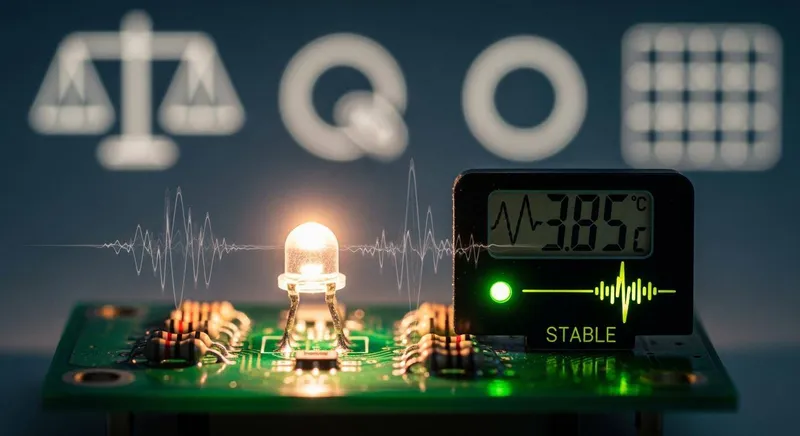
Temperature compensation lets you keep LED brightness steady even when the environment changes. Sensors detect heat, drivers respond, and current adjustment helps control the light output. If you ignore temperature shifts, LEDs can dim or flicker. Reliable brightness protects the lifespan of your LEDs. You might wonder how do temperature compensate in led output. Understanding these systems gives you better control and performance.
Key Takeaways
- Temperature compensation keeps LED brightness steady, even with changing temperatures. This ensures reliable performance and prevents flickering.
- Managing heat is crucial for LED efficiency. High temperatures can reduce brightness and lifespan, so good thermal design is essential.
- Active temperature compensation uses sensors and drivers to adjust current in real-time. This helps maintain consistent light output.
- Combining passive and active methods of temperature compensation offers the best results for LED performance and longevity.
- Using temperature compensation in LED systems protects against overheating, ensuring longer life and better color quality.
Why Temperature Affects LED Output

LED Brightness and Temperature
You may notice that temperature affects led brightness in many ways. When you use led lighting, the heat generated inside the chip can change how much light you see. LEDs work best at lower temperatures. As temperature rises, the output from the led drops. This happens because the junction temperature inside the led increases. The junction is where electricity turns into light. If the temperature gets too high, the led cannot release as much light, and the output decreases.
- LEDs are highly sensitive to temperature.
- As heat builds up, the junction temperature rises.
- The relationship between junction temperature and heatsink temperature is not always simple.
- When the junction temperature increases from 25°C to 85°C, you can see about a 10% drop in brightness and efficiency.
- At 117°C, the luminous flux can decrease by 20% compared to 20°C.
- Cooling the led chip by just a few degrees can improve performance.
You need to manage heat well to keep led lighting bright and efficient. Manufacturers set a maximum junction temperature, usually between 125°C and 150°C. If you go above this, the led will lose efficiency and may not last as long. Temperature effects on leds are a key reason why engineers design systems with good thermal management.
Common Issues from Temperature Changes
If you ignore temperature, you may face several problems with led lighting. Here are some common issues caused by heat:
- Complete failure of the led can happen if the weakest part breaks due to high temperature.
- Permanent lumen degradation means the output drops over time, sometimes by 30% or more.
- Temporary performance loss can occur at high temperatures, with output dropping by 5% to 70%.
- Color temperature changes in white leds can shift the quality of light, making it look different.
- Without temperature compensation, leds can lose brightness and voltage even if they do not show visible signs of damage.
Tip: Always check the thermal design of your led lighting system. Good heat management helps you avoid these issues and keeps your output steady.
How Do Temperature Compensate in LED Output
What Is Temperature Compensation
You need to understand what temperature compensation means when you work with led lighting. Temperature compensation in led technology is the method you use to counteract the drop in light output that happens as the led junction temperature rises. When you use leds, the junction heats up during operation. This heat causes the led output to decrease. Temperature compensation helps you keep the brightness steady, even when the temperature changes.
You usually find temperature compensation managed at the driver level. The driver uses temperature sensors to monitor the heat around the led. When the sensors detect a rise in temperature, the driver adjusts the current going to the led. This adjustment keeps the led output consistent. Without temperature compensation, you would see your led lighting get dimmer as it heats up. You might also notice color shifts or even early failure if you ignore temperature effects.
Temperature compensation is practical and important. It lets you use led lighting in places where temperature changes often, like outdoors or in factories. You get reliable performance and longer life from your leds. When you ask, "how do temperature compensate in led output," you look at how compensation systems fight the effects of heat and keep your lighting stable.
How Compensation Maintains Consistent Brightness
You want your led lighting to stay bright and reliable. Temperature compensation makes this possible by using several smart techniques. Here is how compensation works to keep led output steady:
- Temperature compensation balances the loss of light output that comes from rising junction temperatures. You get consistent brightness, even when the environment heats up.
- Passive temperature compensate methods use good thermal design. You might see aluminum housings or heat sinks that pull heat away from the led. These help manage heat physically and slow down temperature changes.
- Active temperature compensate methods use driver electronics. The driver reads data from temperature sensors and adjusts the current in real time. This keeps the led output stable, no matter how much the temperature shifts.
You also see several key parts working together in temperature compensation:
- Constant current drivers give your leds a steady current. This prevents overheating and keeps the brightness from dropping.
- Temperature sensors watch for changes in heat. When the temperature rises, the sensors tell the driver to lower the current. This action helps stabilize the led output.
- A feedback loop compares the current going to the led with a reference value. If the temperature changes, the loop adjusts the voltage to keep the current steady. This ensures your led lighting stays bright and efficient.
Note: When you use temperature compensation, you protect your leds from the harmful effects of heat. You get longer life, better color quality, and fewer failures.
If you want to know how do temperature compensate in led output, you need to look at both passive and active methods. You also need to see how sensors, drivers, and current control work together. Temperature compensate systems let you use led lighting in tough conditions without losing brightness. You can trust your leds to perform well, even when the temperature goes up or down.
Temperature Compensation Methods

You need to understand the main temperature compensation methods to keep your LED systems reliable and efficient. These methods use both electronic control and thermal management to balance heat and maintain steady output. Nova Technology Company (HK) Limited, as a HiSilicon-designated solutions partner, specializes in chip-level solutions and system integration. Their expertise covers advanced temperature control, thermal management techniques, and application scenarios in smart lighting, industrial automation, and high-performance electronics.
Sensors and Feedback Circuits
Sensors and feedback circuits play a key role in temperature compensation. You often find NTC thermistors, built-in temperature sensors, and feedback circuits in modern LED drivers. These components monitor the temperature and adjust the current to the LED. This process helps you keep the output stable and prevents flickering. The table below shows common components and their functions:
| Method/Component | Description |
|---|---|
| NTC Thermistors and Feedback Circuits | Monitor current and adjust it to maintain consistent brightness. |
| LED Driver ICs | Regulate current, reducing it as temperature rises to protect performance. |
| Built-in Temperature Sensors | Send signals to adjust current, reducing errors across temperature changes. |
You can rely on these circuits to improve performance and extend the lifespan of your LEDs.
LED Driver Adjustments
LED driver adjustments form the core of active temperature compensation. You use drivers with current feedback regulation and color sensing to monitor the output and make real-time changes. This method keeps the brightness and color temperature steady, which is important for visual comfort and energy efficiency. Driver adjustments also help you manage heat and prevent overheating, which boosts overall performance.
Passive vs Active Compensation
You can choose between passive and active temperature compensation methods. Passive compensation uses thermal management techniques like aluminum housings, heat sinks, and cooling fins. These features pull heat away from the LED, slowing down temperature changes. Active compensation uses driver electronics and sensors to adjust current instantly as the temperature shifts. The table below compares both approaches:
| Method Type | Description |
|---|---|
| Electronic Control | Uses temperature sensing circuits to adjust LED driving current automatically based on temperature. |
| Thermal Management | Involves good thermal design with components like heat sinks to manage temperature effectively. |
Passive methods offer simple, reliable heat management. Active methods give you precise control and better performance, especially in environments with rapid temperature changes.
Tip: Combining both passive and active temperature compensation methods gives you the best results for LED output, cooling, and long-term performance.
Brightness & Long-Term Performance
Does Compensation Affect Brightness?
You want your led lighting to stay bright and reliable for years. Temperature compensation plays a big role in making this possible. When you use temperature compensation, you help your led maintain a steady output even as the environment changes. Without this control, you would see the led get dimmer as temperature rises. You might also notice flickering or color shifts. These problems happen because heat builds up inside the led, raising the junction temperature and lowering the output.
Studies show that temperature compensation in led driver circuits boosts efficiency and durability. You get less heat generation, which means the led can keep its brightness for a longer time. This steady output is important for places where you need reliable lighting, like factories, offices, or outdoor spaces. You can trust your led to perform well, even when the temperature goes up or down.
Tip: Use temperature compensation to avoid sudden drops in led output and keep your lighting consistent.
Stability and LED Lifespan
You need to protect your led from heat if you want a long lifespan. Temperature compensation helps you do this by keeping the junction temperature low and stable. When you manage heat well, you prevent damage and slow down aging. This means your led will last longer and keep its output strong.
Here are some key parameters that affect led lifespan:
| Key Parameter | Description |
|---|---|
| Junction Temperature (Tj) | The temperature at the p-n junction, critical for led performance. Lower Tj correlates with longer lifespan. |
| Thermal Resistance | Must be maintained at nominal levels for reliable operation. High thermal resistance can lead to increased Tj and reduced lifespan. |
| Heat Management | Effective thermal management is essential to prevent performance degradation and extend led life. |
Modern led systems use smart technology to improve lifespan and output. You see temperature sensors, real-time monitoring, and predictive algorithms working together to control heat and keep the led safe.
| Technology | Description |
|---|---|
| LED Temp Light Systems | Incorporate temperature sensing to optimize performance and longevity by adjusting operational parameters based on temperature. |
| Real-time Monitoring | Sensors monitor temperature and adjust current flow or activate cooling mechanisms to prevent overheating. |
| Predictive Algorithms | Some systems use historical data to anticipate temperature changes, allowing for proactive adjustments to maintain optimal conditions. |
You can count on temperature compensation to give your led a stable output and a longer lifespan. This makes your lighting system more reliable and cost-effective over time.
Importance for Real-World Applications
Outdoor and Industrial Lighting
You face unique challenges when you use led lighting outdoors or in industrial spaces. High-power led systems generate a lot of heat. About 70% of the energy used by these leds turns into heat instead of light. If you do not manage this heat, the junction temperature rises. This increase can lower the efficiency and reliability of your led output. Outdoor and industrial environments often have wide temperature swings. You need strong temperature compensation to keep your led output steady and your lighting reliable.
You can see real-world examples of temperature compensation in action.
- In Burlington, VT, a parking lot switched from old fixtures to new led shoebox lights.
- After installation, the output dropped in cold weather.
- Technicians found that the vertical mounting and sensitive leds caused problems at low temperature.
- They fixed the issue by reorienting the fixtures, adding thermal pads, and upgrading to more robust leds.
- After these changes, the output stayed stable even at -22°C.
Manufacturers use several methods to test temperature compensation in led products. You can see some common methods in the table below:
| Testing Method | Description |
|---|---|
| Thermal Performance Validation | Checks how well the system handles heat across different temperature conditions. |
| Infrared Thermography | Uses cameras to find hot spots and see how heat spreads. |
| Thermocouple Measurements | Uses sensors to measure the exact temperature at the led junction. |
| Thermal Cycling Tests | Repeats heating and cooling to check for led damage or failure. |
Nova Technology Company (HK) Limited stands out as a HiSilicon-designated solutions partner. The company specializes in chip-level solutions and system integration for the IC industry. You benefit from their advanced temperature control and thermal management expertise in smart lighting and industrial automation.
Tip: Always choose led systems with proven temperature compensation for outdoor and industrial use. This ensures reliable output and longer life.
Consumer Electronics
You use leds every day in devices like smartphones and televisions. These products need consistent brightness and color, no matter the temperature. Temperature compensation circuits adjust the current sent to each led. This adjustment keeps the output steady and reduces errors, even if the device heats up during use. You get reliable performance and a longer-lasting display.
You can trust temperature compensation to protect your led devices from heat damage. This technology keeps the output stable and ensures your screens look bright and clear in any environment.
You see that temperature compensation keeps led brightness steady and extends the lifespan of your lighting systems. When you use compensation, you reduce the variation in light intensity as temperature changes. You rely on sensors and smart drivers to adjust the current and protect your led from overheating. This approach ensures your led output stays consistent in any environment. Good thermal design and compensation help you select or design reliable led systems for every application.
For more on advanced temperature compensation, explore these resources:
| Title | Description |
|---|---|
| Temperature Compensation Research Papers | Studies on temperature compensation technologies for led performance. |
| Temperature behavior and compensation of light emitting diode | Analysis of led intensity changes and compensation methods. |
| Passive Temperature-Compensating Technique for Microstructured Fiber Bragg Gratings | Techniques to reduce thermal drift in optical and led systems. |
| RGBW LED mixing temperature compensation method with high output consistency | Methods for stable led output across temperature variations. |
FAQ
How does temperature affect led brightness?
You see a drop in led brightness when temperature rises. The led junction heats up, which lowers light output. You need to monitor temperature to keep your led performing well. High temperature can also shorten the lifespan of your led.
Why do leds need temperature compensation?
You need temperature compensation to keep your led output steady. When temperature changes, the led can dim or flicker. Compensation helps you avoid these problems. It adjusts the current to match the temperature, so your led stays bright and reliable.
What happens if you ignore temperature in led systems?
If you ignore temperature, your led may overheat. You will notice a loss of brightness and possible color shifts. High temperature can damage the led. You need to manage temperature to protect your led and keep it working longer.
How do sensors help with temperature compensation in leds?
Sensors measure temperature near the led. When temperature rises, the sensor sends a signal. The system then adjusts the current to the led. This keeps the led output stable. You get consistent brightness, even when temperature changes quickly.
Can temperature compensation extend led lifespan?
Yes, you can extend led lifespan with temperature compensation. By controlling temperature, you prevent overheating. Your led stays cooler and lasts longer. You also keep the output steady. Good temperature management is key for reliable led performance.