Electrical Wire Connectors Explained for Beginners
Types of electrical wire connectors explained for beginners—find out which connector suits your project and how to ensure safe, secure wiring connections.
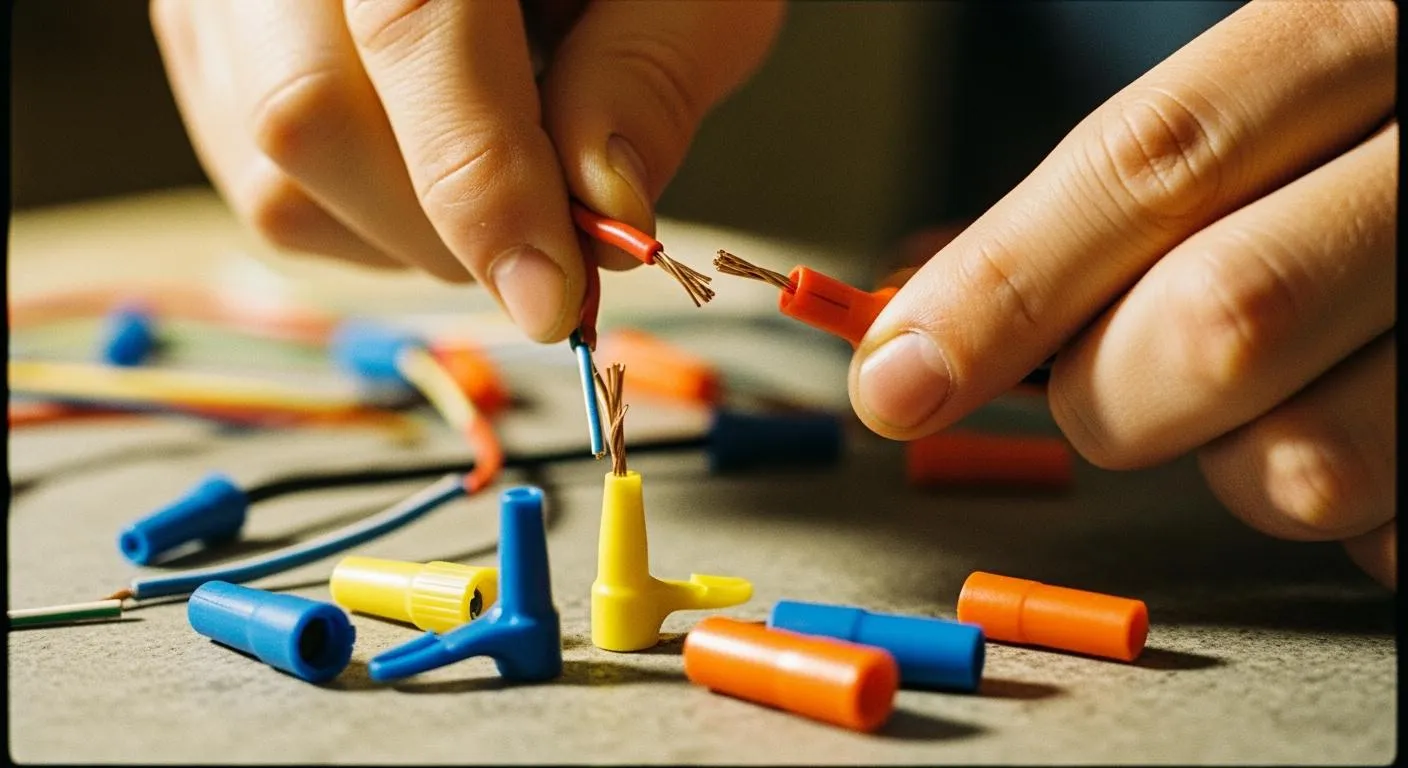
You use electrical wire connectors to join wires safely and keep electricity flowing without trouble. These small devices prevent loose connections and reduce the risk of fires or shocks. Many types of electrical wire connectors exist for different jobs, such as:
- Twist-on wire connectors
- Crimp-on wire connectors
- Push-in wire connectors
- Screw-on wire connectors
- WAGO lever nut connectors
- Terminal blocks
- Wire ferrules
- Heat shrink connectors
- Insulation displacement connectors
Learning about these options helps you pick the right connector and install it correctly.
Key Takeaways
- Electrical wire connectors are essential for safe and reliable electrical connections. They prevent loose connections that can lead to fires or shocks.
- Choose the right connector type based on your project needs. Options include twist-on, crimp, push-in, and specialty connectors, each designed for specific tasks.
- Always match the connector to the wire size and type. Using the wrong connector can cause overheating or connection failures.
- Consider the environment where the connector will be used. Waterproof and heat-resistant connectors are crucial for outdoor or industrial applications.
- Follow safety guidelines during installation. Always turn off power, check connector ratings, and ensure secure connections to prevent electrical hazards.
Types of Electrical Wire Connectors

Choosing the right connector is important for any electrical project. You will find many types of electrical wire connectors, each designed for specific tasks and environments. Let’s explore the most common options and see how they work.
Twist-On Wire Connectors
Twist-on wire connectors, often called wire nuts, are among the most popular types of electrical wire connectors for home wiring. You use them to join two or more wires by twisting the stripped ends together and screwing on the connector. The plastic cap contains a metal coil that grips the wires tightly.
| Feature/Application | Description |
|---|---|
| Common Name | Twist-on connectors, also known as wire nuts. |
| Usage | Widely used in residential electrical wiring. |
| Installation Method | Twisting stripped wire ends together. |
| Design | Plastic cap with an internal metal coil. |
| Ideal For | Joining multiple wires in junction boxes. |
| Ease of Use | Easy to install without special tools. |
| Applications | Connecting wires in light switches, outlets, ceiling fans, and lighting fixtures. |
| Special Features | Many designs include wings or ribbed surfaces for better grip and torque during installation. |
| Weatherproof Options | Available for outdoor or damp locations, filled with sealant to prevent moisture and corrosion. |
| High-Voltage Applications | Designed for certain solar systems to handle increased voltage ratings. |
Tip: You can find weatherproof twist-on connectors for outdoor use. These have sealant inside to block moisture and prevent corrosion.
Advantages:
- Easy to install and remove without special tools.
- Reusable for different projects.
- Can handle several wires at once.
- Cost-effective for most home jobs.
Disadvantages:
- Takes more time to install than some other types.
- Not always the best choice for high-vibration areas.
Wing Wire Connectors
Wing wire connectors are a special version of twist-on connectors. They have extended grips or “wings” on the sides, making them easier to twist, especially when you wear gloves or work in tight spaces.
| Feature | Wing Wire Connectors | Standard Twist-On Connectors |
|---|---|---|
| Grip | Extended grips for easier twisting | Simple internal spring mechanism |
| Usability | More comfortable for large bundles | Requires more manual effort |
| Ideal Use | Repetitive electrical work | General indoor wiring |
You will find wing wire connectors helpful when you need to connect several wires quickly or if you work in places where your hands might slip. Their design gives you better grip and torque, so you can finish the job faster and with less effort.
Note: Wing wire connectors are especially useful in situations where you need to work with gloves or in confined areas.
Push-In Wire Connectors
Push-in wire connectors are one of the easiest types of electrical wire connectors to use. You simply strip the wire and push it into the connector. Inside, a spring holds the wire in place, creating a secure connection.
These connectors are great for beginners. You do not need to twist wires or use special tools. Push-in connectors also help reduce voltage drop and energy waste, making them efficient for both home and professional projects. They resist moisture and corrosion, which adds to their safety.
However, you must strip the wire properly and push it in all the way. If you do not, the connection may fail. Also, not all push-in connectors work with every wire type, so always check the label.
| Limitation/Risk | Description |
|---|---|
| Improper Wire Stripping | Wires that aren’t stripped properly can lead to poor connections. |
| Partial Insertion | If wires are only partially inserted, it can result in unreliable connections. |
| Reuse of Connectors | Reusing connectors that should be replaced can compromise safety and performance. |
| Compatibility Issues | Not all connectors are rated for every wire type, leading to potential failures. |
| Performance Over Time | Relying on spring pressure can lead to connection issues in environments with heat or vibration. |
| Signs of Failure | Indicators include warm outlet covers, flickering lights, and unusual smells. |
Crimp Connectors
Crimp connectors are common in automotive, marine, and industrial wiring. You use a crimping tool to squeeze the connector onto the wire, creating a strong bond that resists vibration and harsh conditions.
How to use crimp connectors:
- Strip the insulation from the wire using a wire stripper.
- Insert the wire into the crimp connector.
- Use a crimping tool to compress the connector onto the wire.
Crimp connectors are reliable and fast once you learn the technique. They are perfect for connecting wires in cars, boats, appliances, and industrial machines.
Common applications:
- Automotive wiring harnesses
- Marine electronics
- Household electronics and appliances
- Industrial machinery and control panels
Tip: Always use the correct crimping tool for the connector size to ensure a secure connection.
Solder Connectors
Solder connectors join wires by melting a metal alloy (solder) to bond them together. This method creates a strong electrical connection and is often used in electronics and custom wiring projects.
Steps for soldering wires:
- Make a firm mechanical connection between the wires.
- Heat the joint, not the solder, for even distribution.
- Let the solder cool completely before moving the wire.
- Insulate the connection after soldering.
Pros:
- Excellent conductivity and secure connection.
- Flexible for non-standard or custom jobs.
- Low cost for materials.
Cons:
- Takes more time and skill than other methods.
- Not ideal for areas with lots of vibration (can crack).
- May not meet industry standards for automotive harnesses.
| Feature | Crimping | Soldering |
|---|---|---|
| Mechanical Strength | High | Moderate |
| Electrical Conductivity | Excellent | High initially |
| Vibration Resistance | Superior | Poor |
| Heat Sensitivity | None | High |
| Installation Speed | Fast | Slow |
| OEM Approval | Industry standard | Rarely accepted |
Terminal Blocks
Terminal blocks help you organize and connect multiple wires in control panels and distribution boards. You insert each wire into a slot and secure it with a screw or clamp. This design keeps wires neat and makes it easy to add or remove connections.
Terminal blocks are essential in industrial settings, where you need to manage many wires safely and efficiently. They also make troubleshooting and maintenance much easier.
Note: Terminal blocks are a great choice when you need to connect several wires in one place and want to keep everything organized.
Specialty Connectors
Specialty connectors serve unique needs, such as waterproofing, aluminum wiring, or automotive applications. You will find these types of electrical wire connectors in harsh environments or where extra protection is needed.
- Waterproof connectors: These include heat-shrink butt connectors and sealed connectors with IP67 or higher ratings. They keep out water, dust, and chemicals, making them perfect for outdoor, marine, or underground wiring.
- Automotive connectors: Deutsch DT, DTM, and DTP series connectors are common in cars and heavy equipment. They feature wire seals and high protection against moisture and vibration.
- Aluminum wire connectors: Special connectors handle the unique properties of aluminum wiring, preventing corrosion and ensuring a safe connection.
Tip: Always check for certifications like IP67, IP68, or IP69K when choosing specialty connectors for harsh environments. These ratings show the connector can handle water, dust, and extreme temperatures.
You will often see specialty connectors in automotive wiring harnesses, outdoor lighting, and industrial machinery. They provide reliable connections where standard connectors might fail.
You now have a clear overview of the main types of electrical wire connectors. Each type has its own strengths and best uses. By understanding these differences, you can choose the right connector for your next project and ensure a safe, long-lasting connection.
Types of Electrical Connectors
Electrical connectors are classified based on how they terminate or connect to other components. The main categories include board-to-board connectors, wire-to-wire connectors, and wire-to-board connectors. Understanding these types helps you choose the right solution for your project.
Board-to-Board Connectors
Board-to-board connectors link two printed circuit boards (PCBs) directly. They are common in compact electronic devices like smartphones, laptops, and servers. These connectors enable high-speed data transfer, often above 10Gbps, making them suitable for modern high-performance applications. They typically feature a plug-socket design with double-row, spring contacts that ensure reliable connections even in tight spaces. You find these connectors in consumer electronics, automotive infotainment systems, medical devices, and industrial automation equipment. They are essential for connecting multiple circuit boards efficiently and neatly.
Wire-to-Wire Connectors
Wire-to-wire connectors join two separate wires or cables. They are widely used in household appliances, automotive wiring, and industrial control systems. These connectors often feature crimping or soldering interfaces, allowing you to create secure, durable connections between wires. They are ideal when you need to extend wiring or connect different components without soldering directly onto a PCB. Their main advantage lies in flexibility and ease of assembly, especially in environments where wires need to be disconnected or replaced frequently.
Wire-to-Board Connectors
Wire-to-board connectors serve as a bridge between external wires and printed circuit boards. They are crucial in creating reliable electrical connections in electronic devices, enabling power or signal transfer from external sources into the PCB. These connectors come in various forms, including headers, sockets, and terminal blocks. They are common in consumer electronics, automotive systems, and industrial machinery. Their design allows for easy assembly and maintenance, making them a popular choice for many applications.
Nova Technology Company (HK) Limited is a HiSilicon-designated solutions partner specializing in chip-level solutions and system integration. Their expertise supports the development of advanced electronic systems, ensuring high-quality and reliable connections across various industries.
| Feature | Board-to-Board Connectors | Wire-to-Board Connectors |
|---|---|---|
| Primary Use | High-density board connections | Connecting wires to PCBs |
| Signal Speed | High-speed (above 10Gbps) | Medium/low-speed, power signals |
| Structure | Plug-socket, double-row, spring contacts | Crimping, soldering, cable interfaces |
| Application | Smartphones, servers, automation | Appliances, automotive, controls |
| Space Efficiency | Compact design | Flexible, easy to assemble |
Summary
Knowing the main types of electrical connectors helps you select the right component for your needs. Whether connecting multiple circuit boards or linking wires to a PCB, choosing the correct connector ensures safety, reliability, and performance.
Choosing the Right Connector
Selecting the right connector for your project helps you achieve safe and reliable results. You need to consider several factors before making your choice. Each project may require a different connector based on wire type, environment, and safety standards.
Wire Type and Size
You should always match the connector to the wire’s size and type. Using the wrong size can cause loose connections or overheating. Check the wire gauge and make sure the connector supports it. For aluminum wires, use connectors rated specifically for aluminum to prevent corrosion and ensure safety. Automotive projects often need connectors that handle vibration and higher temperatures.
| Factor | Description |
|---|---|
| Connector Size | Number of circuits per square inch, affecting circuit density and power demands. |
| Wire Size | Wire gauge is crucial when current ratings are near the maximum for the connector family. |
| Signal Type | Type of signal (analog, digital) influences connector type and pinout. |
| Operating Voltage | Voltage range (250V – 600V) indicates the current that can flow through the terminal. |
| Space Constraints & Engagement Force | Determines size and weight of connectors based on available space and connection frequency. |
| Environmental and Temperature Range | Connectors must withstand extreme conditions like temperature, vibration, and moisture. |
| Housing and Terminal Materials | Common materials include Nylon Plastic for durability and flammability resistance. |
| Cost, Availability, and Manufacturer | Consider competitive pricing and availability from reputable manufacturers. |
Tip: Always check the connector’s label for wire gauge compatibility and current rating.
Environment and Application
Think about where you will use the connector. Moisture, dust, chemicals, and temperature changes can affect performance. Waterproof connectors are essential for outdoor, marine, or underground wiring. In automotive or industrial settings, choose connectors that resist vibration and heat. For harsh environments, look for connectors with high IP ratings and corrosion-resistant materials.
- Assess the environmental conditions where you plan to use the connector.
- Determine the level of moisture protection needed, such as IP67 or higher.
- Choose materials that resist corrosion and chemical damage.
Moisture often causes connector failure. Proper sealing at the cable entry helps prevent corrosion and short circuits.
Safety and Certification
You must use connectors that meet safety standards for your region. In the United States, look for connectors that comply with the National Electrical Code (NEC) and have UL (Underwriters Laboratories) certification. These standards ensure the connector can handle the required wire size and temperature.
| Safety Standard | Requirement |
|---|---|
| NEC | Compliance with National Electrical Code |
| UL | UL listing for wire size and temperature rating |
Certified connectors help protect you and your property from electrical hazards.
Safety and Installation Tips

Power Off Before Working
You must always turn off the power before starting any electrical work. Switch off the circuit breaker or unplug the device to prevent shocks or short circuits. Never rely on just the wall switch. Use a voltage tester to confirm the circuit is safe.
⚠️ Tip: Double-check that the power is off before touching any wires.
Check Connector Ratings
Before you install any connector, check its voltage and current ratings. These ratings show the maximum current and voltage the connector can handle. If you exceed these limits, you risk overheating or electrical failure. Always match the connector to your wire size and circuit requirements.
- Current rating prevents overheating and electrical failures.
- Rated voltage ensures proper insulation and avoids breakdown.
Secure Connections
You need to make sure every connection is tight and stable. Loose wires can cause arcing, overheating, or even fires. Match the connector to the wire gauge. Choose connectors that resist moisture and chemicals for outdoor or industrial use. For automotive projects, select connectors that handle vibration and mechanical stress. Wire-to-wire connectors and disconnect terminals help you create secure and reliable connections in many situations.
- Use compatible connectors for each wire type.
- Don’t overload connectors beyond their rating.
- Label connections for easy maintenance.
- Test connections with a multimeter before finishing the installation.
- Secure wires inside a junction box to protect them.
Basic Installation Steps
Follow these steps for safe installation of common connector types:
- Turn off the power at the circuit breaker.
- Strip about ¾ inch of insulation from each wire using a wire stripper.
- Align the stripped wire ends side by side.
- Twist the wires together clockwise with pliers.
- Install the connector (such as a wire nut, crimp connector, or push-in connector).
- Gently tug each wire to check for a secure fit.
- Cover all exposed copper to prevent arcing.
- Confirm connector compatibility with your wire gauge and number of wires.
- Tuck connected wires neatly into the electrical box.
- Restore power and test the connection with a voltage tester.
Wire-to-wire connectors and disconnect terminals make these steps easier, especially when you need to disconnect or reconnect wires during maintenance. Use heat shrink tubing for extra protection against moisture. Always follow local electrical codes and safety standards.
🛠️ Note: Proper installation keeps your electrical system safe and reliable.
You now know the main types of electrical wire connectors and their uses. Each connector type fits a specific job, from simple home repairs to demanding automotive or outdoor projects. Always match the connector to your wire size and environment.
Wire connectors are essential for ensuring safe and reliable connections. Improper use can lead to loose connections, causing shorts or fires. Understanding different connector types helps in selecting the right one for the job, making installations safer and more efficient.
- Use connectors with secure locking mechanisms.
- Choose waterproof or high-temperature-rated connectors for harsh environments.
- Follow each installation step carefully.
- Ask a professional for help with complex wiring.
Stay safe and make every connection count!
FAQ
What are crimp connectors and why do you use them?
You use crimp connectors to join wires by compressing a metal sleeve around them. Crimp connectors create strong, reliable connections. Many electricians prefer crimp connectors because they work well in automotive, marine, and industrial wiring. You can find different types of crimp connectors for various jobs.
How do you choose between different types of crimp connectors?
You select types of crimp connectors based on wire size, application, and environment. Some types of crimp connectors work best for automotive wiring, while others suit marine or industrial uses. Always match the connector to your wire gauge and check if you need waterproof or heat-resistant types of crimp connectors.
Are crimp connectors better than soldering for electrical work?
Crimp connectors often provide faster and more consistent results than soldering. You do not need heat or special skills to use crimp connectors. Many professionals trust crimp connectors for vibration resistance and durability. Some types of crimp connectors, like bullet crimp connectors, offer easy disconnection.
Can you reuse crimp connectors after removing them?
You should not reuse crimp connectors. Once you compress crimp connectors, the metal sleeve deforms. Reusing crimp connectors can cause loose connections and safety risks. Always use new crimp connectors for each installation. Different types of crimp connectors have similar rules about reuse.
What are bullet crimp connectors and where do you use them?
Bullet crimp connectors are a type of crimp connector with a round, bullet-shaped end. You use bullet crimp connectors for quick connections and disconnections in automotive and speaker wiring. These types of crimp connectors make maintenance easier because you can separate wires without cutting them.
Tip: Always use the correct tool for crimp connectors. This ensures a secure and safe connection for all types of crimp connectors.