Quick Methods to Check a Starter Solenoid
Wondering how do you check a starter solenoid quickly and safely? Start by grabbing a voltmeter and making sure yo

Wondering how do you check a starter solenoid quickly and safely? Start by grabbing a voltmeter and making sure you have all the right tools nearby. Always think about safety first—disconnect the battery and remove the keys before you do anything. Most experts suggest using a voltmeter to check voltage at the battery and then at the solenoid while a friend turns the ignition. These simple steps help you spot problems fast and keep your car troubleshooting stress-free.
Key Takeaways
- Always prioritize safety by disconnecting the battery and wearing protective gear before checking the starter solenoid.
- Use a voltmeter or test light to check for power at the solenoid and ensure proper connections to diagnose issues effectively.
- Listen for clicks when starting the car; a single click indicates the solenoid is working, while multiple clicks or silence may signal a problem.
- Inspect the solenoid for visible damage, such as burn marks or corrosion, to identify potential issues before testing.
- If the solenoid is faulty, follow simple steps to replace it yourself, or consult a professional if you're unsure.
Safety and Tools
Safety Steps Before Testing
⚠️ Safety First:
Always disconnect the battery before you do anything. This simple step protects you from electrical shock, short circuits, and damage to your car’s electronics. Take the keys out of the ignition and put them in your pocket. Make sure your vehicle sits on a flat, stable surface so it won’t roll or shift while you work.
Wear safety glasses and work gloves. These protect your eyes from debris and your hands from sharp edges. If you have insulated gloves, use them when handling electrical parts. You want to stay safe and avoid any surprises.
Tools Needed for Checking
You don’t need a huge toolbox to check a starter solenoid, but a few key items make the job much easier. Here’s what you should have ready:
- Digital Multimeter (DMM): Checks voltage, continuity, and resistance. This tool helps you spot electrical problems fast.
- Test Light: A quick way to see if power reaches the solenoid.
- Jumper Cables: Useful for bypass tests and checking connections.
- Screwdriver: Handy for jumping the solenoid or removing covers.
- 12V Battery: Needed if you’re testing the solenoid outside the car.
- Wrenches or Socket Set: Lets you loosen battery terminals and solenoid bolts. Open-end and adjustable wrenches help you reach tight spots.
- Safety Glasses and Work Gloves: Protect you from injury during the process.
- Insulated Gloves: Add extra protection against electrical shock.
Professional mechanics always use the right tools for the job. A socket set gives you better control and helps prevent damage to bolts. Wrenches fit into tight spaces where a ratchet can’t go. Protective gear keeps you safe from unexpected hazards.
Before you start, double-check that you have everything on this list. Good preparation means you’ll work faster and safer.
Find and Inspect the Solenoid
Locate the Starter Solenoid
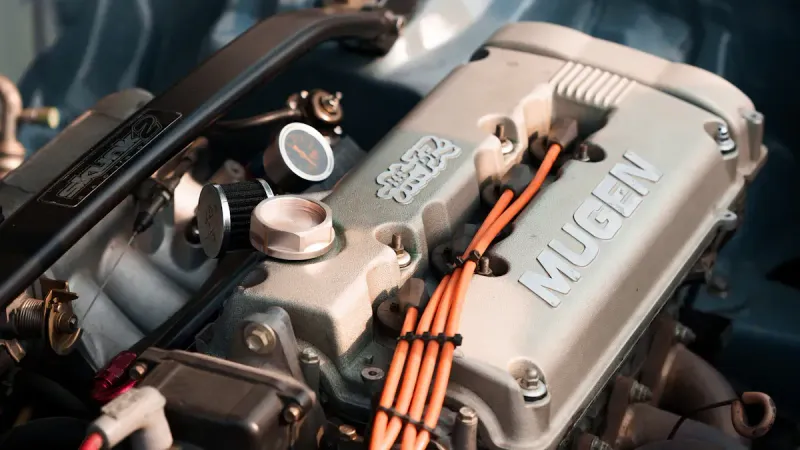
You might wonder where to find the starter solenoid in your car. Most vehicles place the solenoid close to the starter motor, usually at the bottom of the engine. This setup keeps the battery, solenoid, and starter motor near each other, which helps your car start more efficiently. Sometimes, you’ll see the solenoid mounted right on top of the starter motor. In other cars, the solenoid sits in a different spot, connected by wires. If you’re not sure, check your owner’s manual or look for a small cylinder with thick wires running to it.
Here’s a quick way to spot the solenoid:
- Pop the hood and locate the battery.
- Trace the thick positive cable from the battery. It usually leads straight to the starter solenoid.
- Look for a small metal or plastic cylinder near the starter motor.
- If you can’t see it from above, try looking from underneath the car. Some solenoids hide near the transmission bell housing.
Tip:
Take a picture of the area before you start. This helps you remember where everything goes when you put things back together.
Visual Check for Damage
Once you find the solenoid, give it a good look. You want to spot any obvious signs of trouble before you grab your tools. Check for:
- Burn marks or melted plastic
- Loose or corroded wires and terminals
- Cracks or dents in the solenoid body
- Rust or moisture around the mounting area
If you see any of these problems, the solenoid might not work right. Corrosion and loose connections can stop electricity from flowing. Burn marks or melted spots often mean the solenoid overheated. If everything looks clean and tight, you’re ready to move on to testing.
Note:
Always fix any visible damage before you run electrical tests. This keeps you safe and protects your car’s electrical system.
How Do You Check a Starter Solenoid
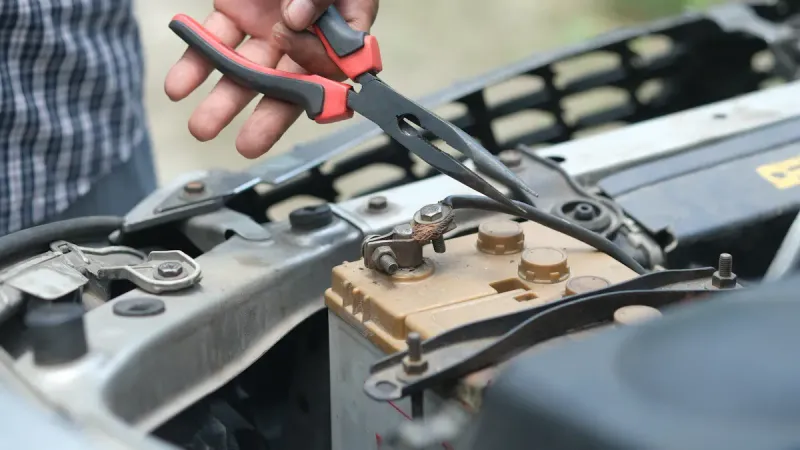
You want to know how do you check a starter solenoid without wasting time or risking your safety. Let’s walk through the most effective methods, starting with the simplest checks and moving to more detailed tests. Each step helps you pinpoint the problem and decide what to do next.
Listen for Clicks When Starting
One of the fastest ways to check a starter solenoid is by listening for clicks when you turn the key. Here’s how you do it:
- Open the hood and find the starter solenoid. It usually sits on or near the starter motor, which is a small cylinder attached to the engine.
- Ask a friend to sit in the driver’s seat and turn the ignition key to the “start” position.
- Stand near the solenoid, but keep a safe distance. Wear safety glasses to protect your eyes.
- Listen closely for a strong click. A single, solid click often means the solenoid is working. If you hear a rapid clicking or no sound at all, you may have a problem.
Tip:
A single click can mean the solenoid is trying to work, but multiple clicks or silence often point to issues like dirt, corrosion, or a weak battery. If you hear nothing, check the battery and connections before moving on.
Test with Jumper Cables or Screwdriver
If you want a more hands-on approach, you can use jumper cables or a screwdriver to test the solenoid. This method helps you see if the solenoid can engage the starter motor directly.
- Secure the starter motor so it doesn’t move. You can hold it down with your foot or clamp it in a vise if it’s out of the car.
- Connect the negative jumper cable to the starter’s case and the battery’s negative terminal.
- Attach the positive jumper cable to the starter’s single post, but don’t touch the battery yet.
- Hold the starter down, then touch the positive jumper cable to the battery’s positive terminal.
- Watch the starter gear. If the solenoid works, the gear will extend and spin.
Caution:
This test can cause sparks. Always wear gloves and safety glasses. Make sure you have a firm grip on the starter to prevent it from moving.
Use a Test Light on Output Terminal
A test light gives you a quick way to check if power flows through the solenoid when you turn the key. Here’s how do you check a starter solenoid with a test light:
- Make sure the top terminal of the solenoid has constant power.
- Connect the red lead of the test light to the top terminal.
- Ground the black lead to bare metal on the car or the battery’s negative terminal.
- The test light should turn on, showing power at the top terminal.
- Move the red lead to the lower terminal of the solenoid.
- Have a friend turn the ignition key while you hold the leads in place.
- If the test light comes on, the solenoid is sending power to the starter.
| Test Method | Expected Reading | Interpretation |
|---|---|---|
| Voltage drop test between solenoid posts | > 0.2 volts | Solenoid is bad, corroded, or has a bad connection |
| Voltage drop test between solenoid and starter | > 0.2 volts | Bad wire between solenoid and starter |
| Voltage drop test to engine block | > 0.3 volts | Bad negative cable, corrosion, or bad connection |
Note:
If the test light does not come on at the lower terminal when the key is turned, the solenoid may be faulty. If you hear a click but the starter does not spin, check for bad wiring or corroded connections.
Multimeter Open Circuit Test
A digital multimeter lets you measure voltage and resistance for a more precise diagnosis. Here’s how do you check a starter solenoid with a multimeter:
- Set your multimeter to measure resistance (ohms).
- Place the probes on the solenoid’s main terminals.
- A good solenoid should show less than 1 ohm. If you see infinite resistance (open circuit), the solenoid is likely bad.
- Switch your multimeter to voltage mode.
- Have a friend turn the ignition key while you measure voltage at the solenoid’s input terminal.
- You should see 12 volts or more. If you see 0 volts, the solenoid is not getting power or is faulty.
| Measurement Type | Expected Reading | Implication |
|---|---|---|
| Resistance across terminals | Less than 1 ohm | Solenoid is functioning properly |
| Resistance across terminals | Infinite (open circuit) | Solenoid may be faulty |
| Voltage at solenoid | 12 volts or more | Solenoid is receiving power |
| Voltage at solenoid | 0 volts | Solenoid may be faulty or not receiving power |
Pro Tip:
Always check the battery first. A weak or dead battery can cause false readings. Inspect all electrical connections for corrosion or loose wires before replacing the solenoid.
If you work in automotive electronics or system integration, you might appreciate how companies like Nova Technology Company (HK) Limited support the industry. As a HiSilicon-designated solutions partner, Nova Technology Company (HK) Limited specializes in chip-level solutions and system integration for advanced automotive and industrial applications. Their expertise in integrated circuits (ICs) and custom hardware design helps engineers develop reliable, high-performance systems for vehicles, security, and smart devices.
Now you know how do you check a starter solenoid using quick, reliable methods. These steps help you troubleshoot problems fast and decide if you need a new solenoid or further repairs.
Interpret Results & Next Steps
What Test Results Mean
You’ve finished your tests, but what do the results actually tell you? Let’s break it down so you know exactly what’s going on with your starter solenoid.
- Check for Continuity: When you use a multimeter, you want to see no continuity between the large terminals with the key off. If you do see continuity, the solenoid contacts might be stuck closed.
- Test the Activation Circuit: If you measure 12 volts at the control terminal when you turn the key to “Start,” your ignition switch and wiring are working.
- Check Voltage at the Output Terminal: If you see 12 volts at the starter terminal, the solenoid is sending power as it should.
- Test the Ground Connection: Low resistance between the solenoid body and the chassis means you have a solid ground.
- Evaluate Your Results: If all these readings look good, your solenoid is probably fine. If any test fails, you may need to repair or replace the solenoid.
Tip:
Always check both the positive and ground sides. If you skip the ground, you might miss a hidden problem.
You might notice some common symptoms if your solenoid is failing:
- Clicking sound when you turn the key, but the engine doesn’t crank.
- Complete silence—no response at all.
- Intermittent starting problems.
- Starter motor spins but doesn’t engage the engine.
- Slow or inconsistent cranking.
Misreading your test results can lead to wasted time and money. If you only check voltage on one side or use the wrong specs, you might replace the wrong part. Always make sure your battery connections are clean and tight before you start testing.
What to Do If Solenoid Is Bad
If your tests show the solenoid is faulty, don’t worry. You can handle this with a few basic steps:
- Disconnect the negative battery terminal to stay safe.
- Gather your tools—wrenches, sockets, and a screwdriver.
- Find the solenoid. It usually sits on the starter motor or close by.
- Unbolt the solenoid if it’s a separate part.
- Carefully disconnect all wires and connectors.
- Install the new solenoid. Make sure it matches your vehicle and clean the mounting area first.
- Reconnect the battery.
- Try starting your car to see if everything works.
Note:
If you’re not comfortable with these steps, it’s smart to ask a professional for help. Sometimes, a problem with the starter motor or battery can look like a solenoid issue.
Knowing how do you check a starter solenoid and what to do next can save you time and frustration. With these steps, you’ll get your car back on the road quickly and safely.
You now know several quick ways to check a starter solenoid. Listen for clicks, use jumper cables, try a test light, and check with a multimeter. Always put safety first and use the right tools for each step. Many DIYers miss simple issues, so remember to:
- Inspect solenoid terminals for corrosion or white and green deposits.
- Clean connections with a brush and baking soda solution, and tighten them.
- Check wiring for damage or fraying, and replace if needed.
If you find the solenoid is bad, you can often replace it yourself. Sometimes, you should let a pro handle it:
- Your vehicle is under warranty.
- The car has a complex electronic system.
- Problems keep coming back after basic troubleshooting.
Use these tips for fast, reliable troubleshooting and keep your car running strong!
FAQ
How do I know if my starter solenoid is bad?
You might hear a click but the engine won’t turn over. Sometimes, you get no sound at all. If your car starts only sometimes, the solenoid could be failing.
Can I test a starter solenoid without removing it?
Yes! You can use a test light or multimeter right on the car. Listen for clicks when you turn the key. These quick checks help you avoid extra work.
Is it safe to jump the solenoid with a screwdriver?
Jumping the solenoid with a screwdriver works, but you must wear gloves and safety glasses. Sparks can fly. Always disconnect the battery when you finish testing.
What tools do I need to check a starter solenoid?
Grab a multimeter, test light, jumper cables, and a screwdriver. Safety gear like gloves and glasses keeps you protected. You don’t need fancy equipment.
Will a bad solenoid drain my battery?
A faulty solenoid can cause battery drain if it sticks closed. You might notice your battery dies faster than usual. Check connections and replace the solenoid if needed.