Maximizing Efficiency in IoT Devices: Real-World Applications of Microcontrollers
Introduction The Internet of Things (IoT) has revolutionized various industries by enabling devices to communicate and operate more intelligently. A
Introduction
The Internet of Things (IoT) has revolutionized various industries by enabling devices to communicate and operate more intelligently. According to the Semiconductor Industry Association, global semiconductor revenue is projected to reach $595.2 billion in 2026, reflecting a 19% year-over-year increase. This growth is partly driven by the increasing demand for efficient IoT devices, where microcontrollers play a pivotal role in maximizing performance and minimizing power consumption.
Technical Overview
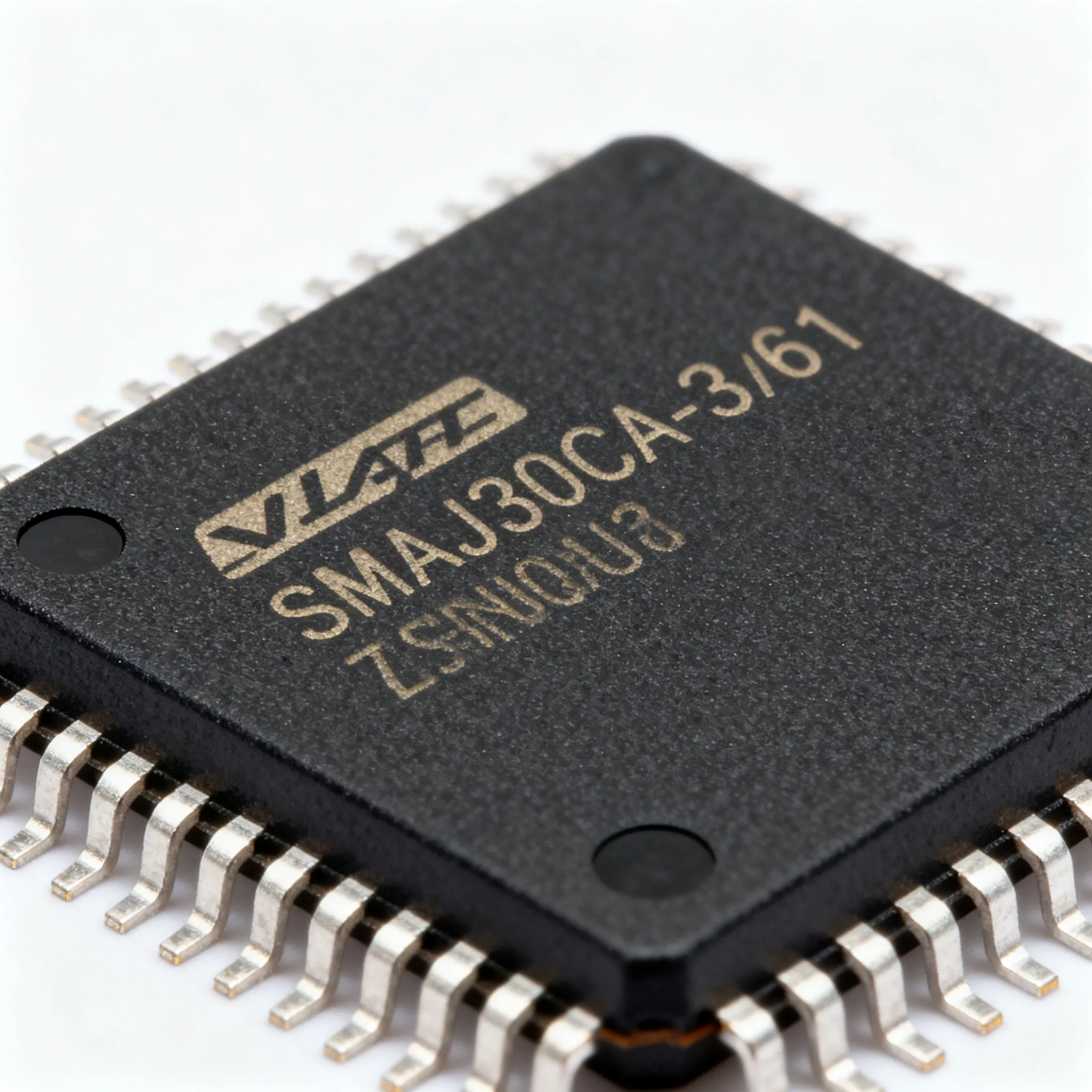
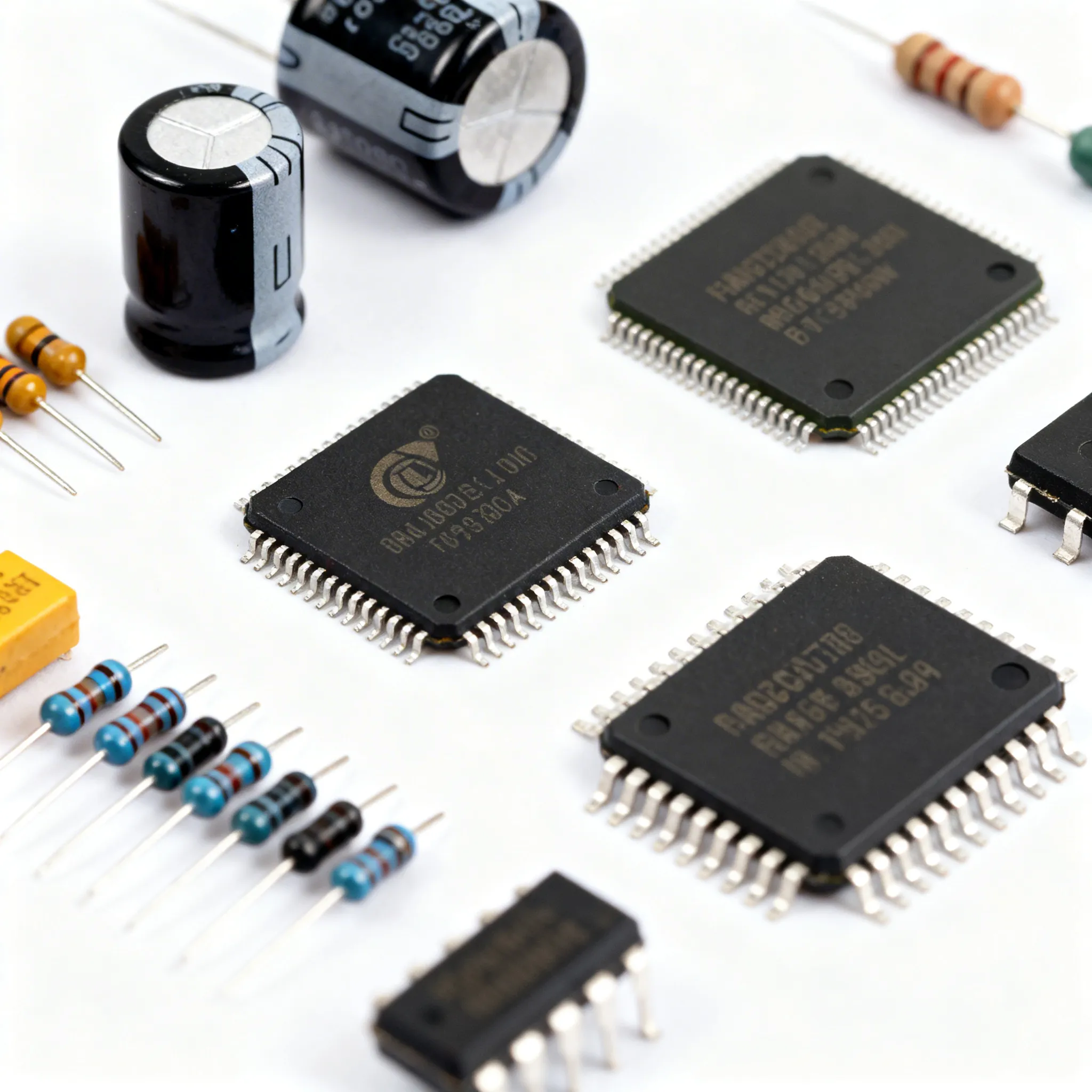
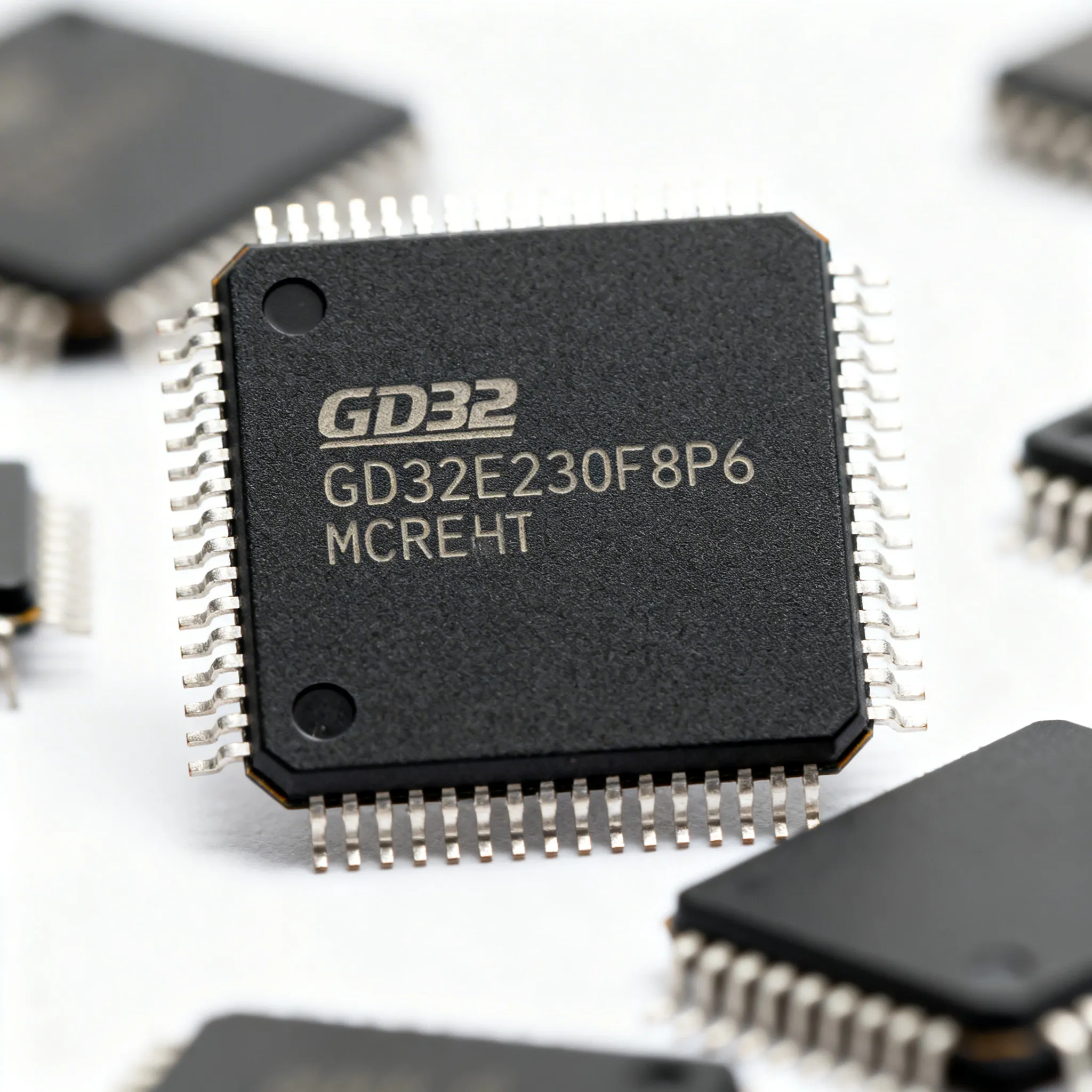
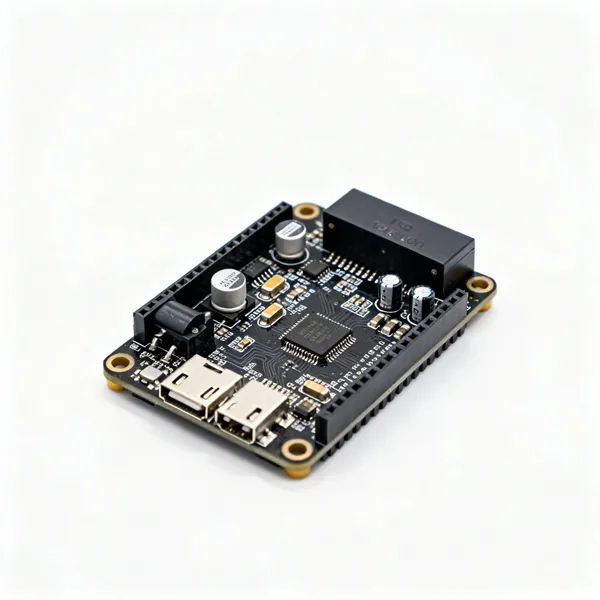
Microcontrollers are the brains behind IoT devices, integrating a processor core, memory, and programmable input/output peripherals. Their architecture typically includes a central processing unit (CPU), flash memory, RAM, and communication interfaces like I2C, SPI, and UART. These components work together to process data, control connected peripherals, and communicate with other devices or networks.
Modern microcontrollers, such as the ARM Cortex-M series, offer a balance between performance and power efficiency. They are designed to handle complex computations while consuming minimal energy, making them ideal for battery-operated IoT devices. Features like low-power modes, wake-up timers, and energy-efficient peripherals further enhance their suitability for IoT applications.
Key Specifications Table
| Specification | Description |
|---|---|
| CPU Architecture | ARM Cortex-M4 |
| Flash Memory | 512 KB |
| RAM | 128 KB |
| Operating Voltage | 1.8V to 3.6V |
| Interfaces | I2C, SPI, UART |
| Low Power Mode | Yes, with wake-up timer |
Applications & Use Cases
Smart Home Devices
Microcontrollers are integral to smart home devices such as thermostats, lighting systems, and security cameras. They enable these devices to process sensor data and make intelligent decisions, like adjusting the temperature based on occupancy or time of day.
Wearable Technology
Wearables like fitness trackers and smartwatches rely on microcontrollers for data processing and communication. The low power consumption of modern microcontrollers extends battery life, ensuring devices can operate for extended periods without frequent recharging.
Industrial IoT
In industrial settings, microcontrollers are used in predictive maintenance systems, where they collect and analyze data from machinery to predict failures. This application not only enhances operational efficiency but also reduces downtime and maintenance costs.
Healthcare Devices
Microcontrollers are essential in medical devices such as glucose monitors and portable ECG machines. They provide the necessary processing power to analyze patient data in real-time, improving the accuracy and reliability of health monitoring.
Selection & Sourcing Guide
When selecting a microcontroller for your IoT application, consider factors such as processing power, memory capacity, power consumption, and available interfaces. Evaluate the specific requirements of your application and choose a microcontroller that aligns with your performance and budgetary constraints. For sourcing and procurement, consider using IC Online, a trusted distributor offering competitive pricing and fast delivery.
FAQ
What is the difference between a microcontroller and a microprocessor?
A microcontroller integrates a CPU, memory, and peripherals on a single chip, designed for specific control tasks. In contrast, a microprocessor is primarily a CPU used in general-purpose computing systems, requiring external components for operation.
How can I reduce power consumption in my IoT device?
Utilize low-power modes and timers, reduce clock speeds when high performance is not needed, and optimize your code to minimize unnecessary processing.
What programming languages are commonly used for microcontrollers?
C and C++ are the most commonly used programming languages for microcontrollers due to their efficiency and control over hardware resources.
How do I choose the right microcontroller for my project?
Assess the processing requirements, available memory, power constraints, and necessary interfaces for your application. Choose a microcontroller that meets these specifications while considering future scalability.
Can microcontrollers support wireless communication?
Yes, many microcontrollers include integrated wireless communication modules such as Bluetooth, Wi-Fi, or Zigbee, or can interface with external communication modules.