What is a resonator? The secret behind sound and waves
Have you ever felt a deep bass note vibrate through your chest at a concert? ? You experienced a form of resonanc
Have you ever felt a deep bass note vibrate through your chest at a concert? 🎸 You experienced a form of resonance in action.
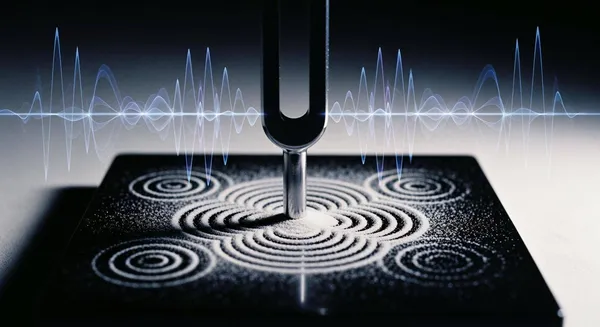
So, what is a resonator? A resonator is an object that holds and amplifies energy. It vibrates strongly at its own special, natural frequency. This ability to capture and boost energy makes the resonator essential in many technologies. The market for this technology shows significant growth.
| Metric | Value |
|---|---|
| Market Size (2024) | $1.16 billion |
| Projected Market Size (2030) | $1.7 billion |
| CAGR (2024-2030) | 6.5% |
What is a resonator's secret? It's all about matching vibrations to build powerful energy.
Key Takeaways
- A resonator is an object that holds and makes energy stronger. It vibrates very well at its own special speed.
- Resonators work by finding an object's natural rhythm, matching it, and then building up a lot of energy.
- You can find resonators in many everyday things, like musical instruments, car exhaust systems, and microwave ovens.
- Resonators are important because they help us control energy. They can make desired signals stronger and get rid of unwanted noise.
- Resonance can be good, like in music, but it can also be bad, like when it causes bridges to break.
What is a Resonator and How Does It Work?

To understand what is a resonator, you can think about pushing someone on a swing. You quickly learn that pushing at random times does not work well. You need to find the right rhythm. This simple idea is the key to how a resonator works. It all comes down to three steps: finding an object's rhythm, matching it, and building up powerful energy.
Natural frequency: An object's rhythm
Every object has a rhythm it prefers to vibrate at. This is its natural frequency. Imagine a playground swing. It has a specific time it takes to swing back and forth. This timing is its natural frequency. You cannot force it to swing much faster or slower. Its length and the force of gravity set this rhythm.
This principle applies to everything. The material and shape of an object determine its unique vibrational character.
- A guitar string's thickness and tension set its natural frequency.
- A tuning fork's frequency depends on the metal it is made from.
- Even complex electronic components have precise natural frequencies based on their structure.
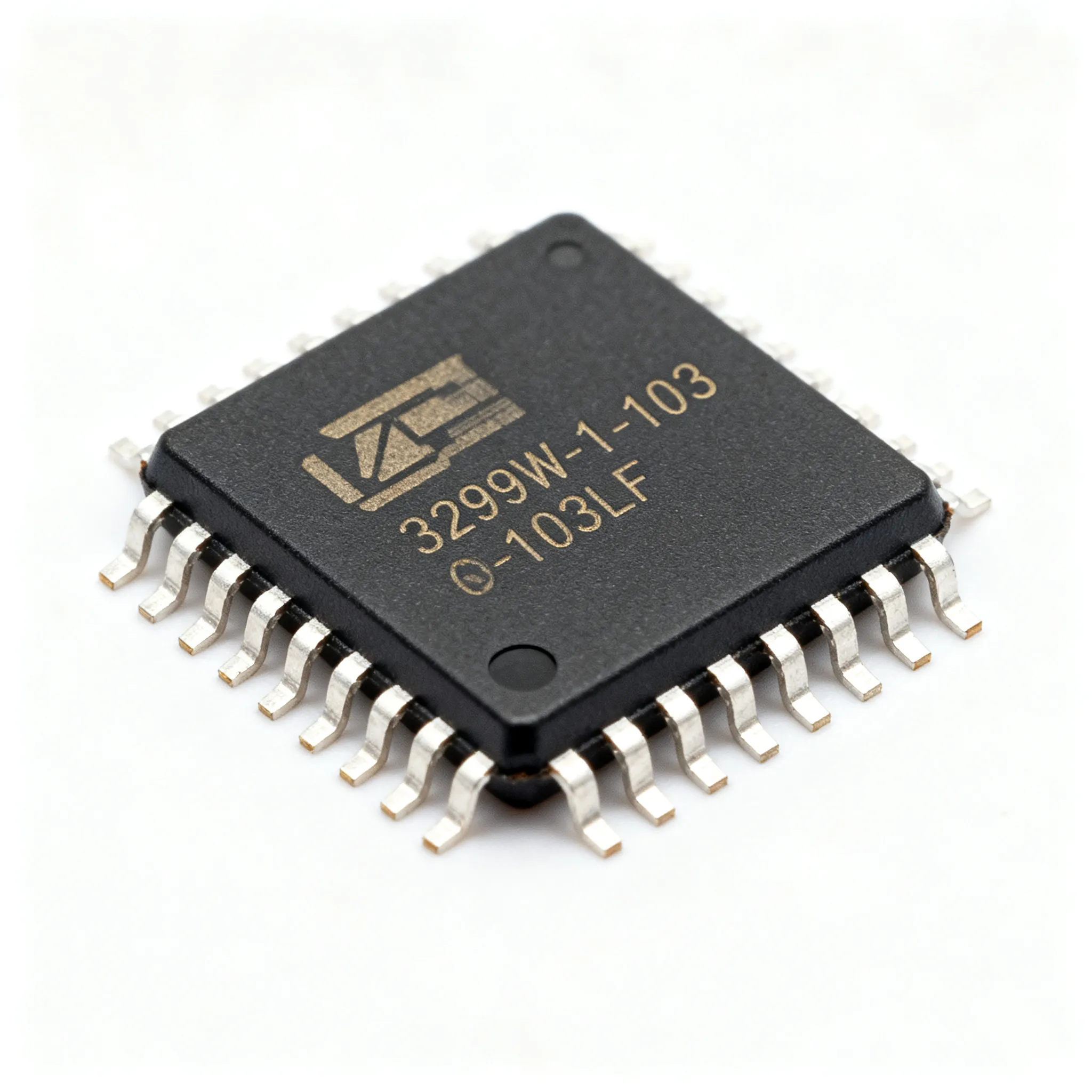
In advanced electronics, this concept is critical. Piezoelectric resonators, for example, are tiny components that convert electrical energy into mechanical vibrations. Their performance depends entirely on the material properties that define their natural frequencies. Companies in the integrated circuit (IC) industry rely on this. For instance, Nova Technology Company (HK) Limited, a HiSilicon-designated solutions partner, specializes in creating chip-level solutions where precise control over these material-dependent frequencies is essential for system integration and performance.
Resonance: Matching the frequency
Resonance happens when you apply a force to an object at its exact natural frequency. Let's go back to the swing. When you push the swing just as it reaches the top of its arc and starts to move forward, you are matching its natural frequency. Your small pushes add energy efficiently. The swing goes higher and higher.
This perfect timing allows for a massive transfer of energy. Your radio uses this principle to tune into a station.
Your radio's internal circuit, often an inductor-capacitor (LC) circuit, is a resonator. When you turn the dial, you change the circuit's natural frequency. When that frequency matches the frequency of a radio station, the circuit resonates. It absorbs the energy from that specific station, allowing you to hear it clearly while ignoring all other frequencies.
This is the secret to what is a resonator: it selectively grabs energy from waves that match its internal rhythm.
Amplification: The powerful result
The final step is amplification. When an object resonates, the vibrational energy builds up dramatically. Each push on the swing adds more energy, causing the amplitude of the swing to grow. The same thing happens with sound and light waves.
The classic example is an opera singer shattering a wine glass.
- The wine glass has a natural frequency because of its shape and the properties of glass.
- The singer sings a note that exactly matches this frequency.
- The sound waves transfer energy to the glass, causing it to vibrate.
- Because the frequencies match, the glass absorbs the sound energy very efficiently. The vibrations grow larger and larger until the stress becomes too great, and the glass shatters.
This buildup of energy is not always destructive. It is incredibly useful. Lasers use an optical resonator—a cavity with mirrors—to trap and amplify light. The light bounces back and forth, building in intensity until it becomes a powerful, focused beam. In the quantum world, tiny mechanical resonators are used to store delicate quantum information as vibrational energy, protecting it from outside noise. Understanding what is a resonator is understanding how to build and control energy.
Everyday Examples of a Resonator

Resonators are not just in labs; you encounter them every day. They work silently to create music, quiet your car, and even heat your food. You can find these clever devices in instruments, technology, and nature itself.
Musical instruments: The acoustic guitar
When you strum an acoustic guitar, you hear resonance in action. The hollow body of the guitar is a type of Helmholtz resonator. The air inside vibrates to amplify the sound from the strings.
- The air inside the body compresses and expands, much like when you blow across a bottle opening.
- Guitar makers tune this air cavity to a low frequency. This enhances the deep notes from the lower strings.
- This process does not create new energy. It efficiently transfers the string's vibration into the air as sound.
An electric guitar works differently. It has a solid body and uses electronic pickups to capture string vibrations. It needs an amplifier to be heard. The acoustic guitar, however, uses its resonating body to produce a rich, natural sound all on its own.
Automotive tech: The car exhaust
Your car's exhaust system also uses a resonator to control sound. Engineers use a Helmholtz resonator to target and cancel specific, annoying frequencies.
A common target is "drone," a low humming noise you might hear while cruising at a steady speed. The resonator is precisely shaped to vibrate and cancel out that exact sound wave, making your ride quieter.
This technology removes unwanted noise without using heavy mufflers that can restrict exhaust flow. A well-designed exhaust improves engine performance by helping gases escape more easily, which can increase power and reduce engine stress.
Kitchen science: The microwave oven
Inside your microwave oven is a powerful resonator called a magnetron. It contains small cavities that resonate to generate microwaves. These waves then cook your food. A common myth is that microwaves are tuned to a special resonant frequency of water. This is incorrect. The 2.45 GHz frequency is simply an allocated industrial band. The waves cause molecules in your food, including water, to rotate and create heat through friction.
Natural phenomena: The Earth's hum
Our entire planet earth acts as a giant resonator. The space between the surface of the Earth and the ionosphere forms a massive cavity. Lightning strikes around the planet constantly excite this cavity. This creates a set of extremely low-frequency peaks known as the Schumann resonances. These faint electromagnetic waves are the natural, resonant hum of our planet. The Earth is a dynamic system, and this resonance is one of its fundamental properties.
Why Resonators Matter
You now know what resonators are and where to find them. But why are they so important? Resonators give you precise control over energy. They allow you to amplify the signals you want and eliminate the noise you do not. This dual ability makes them fundamental tools in science and technology.
Amplifying and selecting waves
A resonator’s primary job is to select a specific frequency and boost its energy. This allows you to isolate a single signal from a sea of background noise. Your watch or computer uses this principle to keep perfect time.
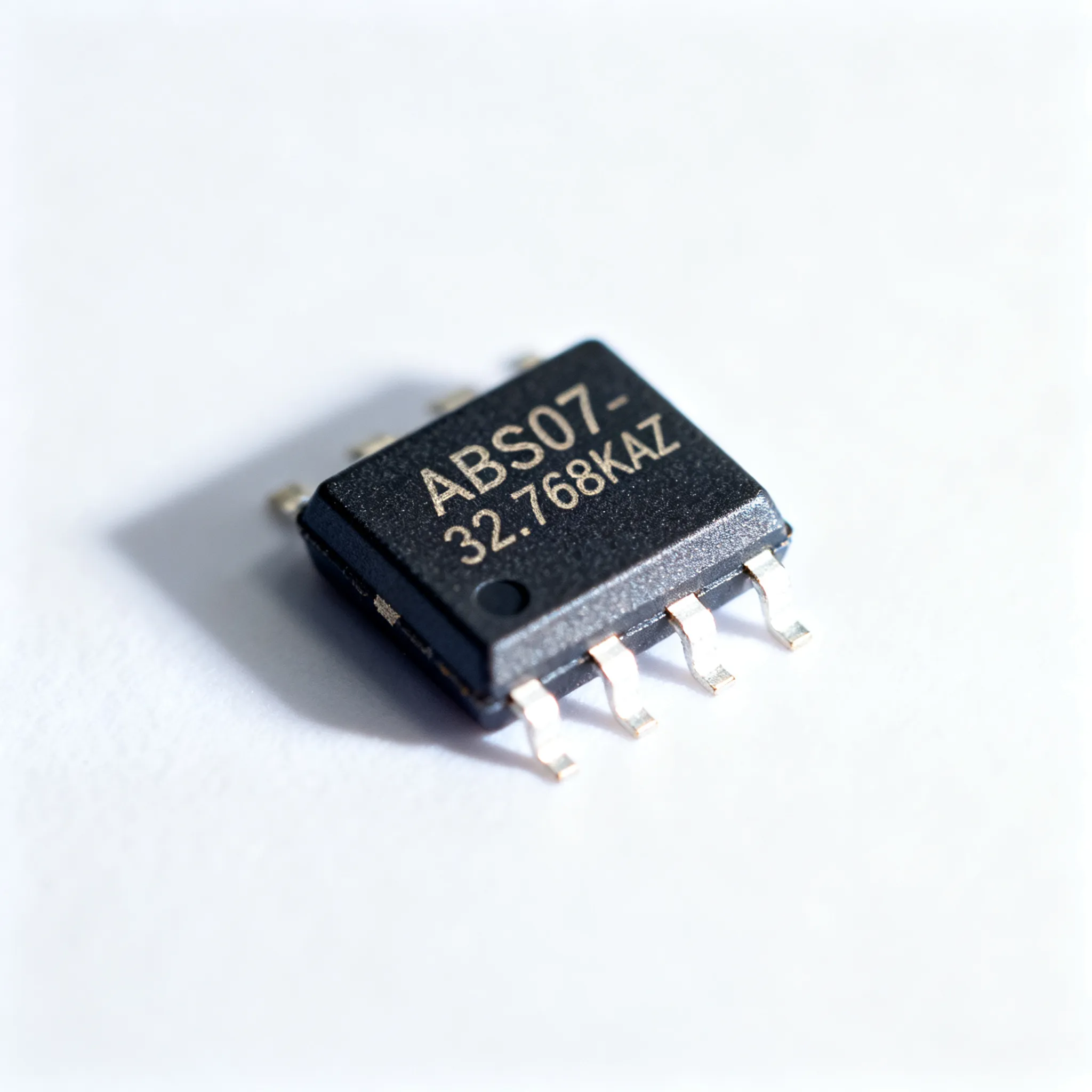
Inside these devices, a tiny quartz crystal acts as a resonator. An electric current makes the crystal vibrate at an incredibly stable frequency, often 32,768 times per second. This vibration creates a precise electrical signal that acts as a clock, telling your device when to perform operations. The crystal's high stability and low power use make it perfect for this task.
This same idea of selective amplification is crucial in medical imaging.
- An MRI machine uses a powerful magnetic field and radiofrequency pulses.
- These pulses are tuned to the resonant frequency of hydrogen nuclei in your body.
- The nuclei absorb and re-emit this energy, which a receiver coil detects.
- By detecting these tiny signals, the machine builds a detailed image of your internal tissues.
New resonator technologies are making MRI scans even better by enhancing signal strength and improving image clarity.
Filtering and canceling noise
Resonators can also work in reverse. They can absorb and cancel out unwanted frequencies. You experience this with noise-canceling headphones.
- A microphone on the headphone detects ambient noise.
- Internal electronics instantly create an opposite, "anti-phase" sound wave.
- A speaker plays this new wave, which destructively interferes with the outside noise.
This process effectively silences low-frequency sounds like the hum of an airplane engine. Engineers use this same concept to solve noise problems in many fields. They design resonators for building acoustics to control echoes and for car mufflers to cancel out engine drone. This makes our environments quieter and more comfortable.
You now see what a resonator is: a system that captures and amplifies specific energy. This principle shapes your world, from the hum of our planet Earth to the emotional energy you feel from art. The Earth itself is a giant world resonator. Scientists even find that random energy can enhance signals, showing the deep power of this concept. From the planet's vibrations to your own experiences, you can find how focused energy makes waves useful.
FAQ
What is the difference between frequency and resonance?
Frequency is an object's natural rate of vibration. Resonance is what happens when you apply energy at that exact frequency. You can think of frequency as the rhythm and resonance as the powerful result of matching that rhythm.
Can anything be a resonator?
Yes, almost any object can act as a resonator. Every object has a natural frequency. If you apply energy that matches this frequency, you can make the object resonate. The object's size, shape, and material determine how well it resonates.
Is resonance always a good thing?
No, resonance can be destructive. While useful in musical instruments, it can cause problems in structures.
Engineers must design bridges and buildings to avoid resonating with forces like wind or earthquakes. Uncontrolled resonance can lead to structural failure, like the shattering wine glass example.
How do resonators work with light? 💡
Optical resonators, like those in a laser, use mirrors to trap light. The light bounces back and forth, building in intensity. This process amplifies the light waves, creating a powerful and focused beam. You use this technology in many devices.