 Blog
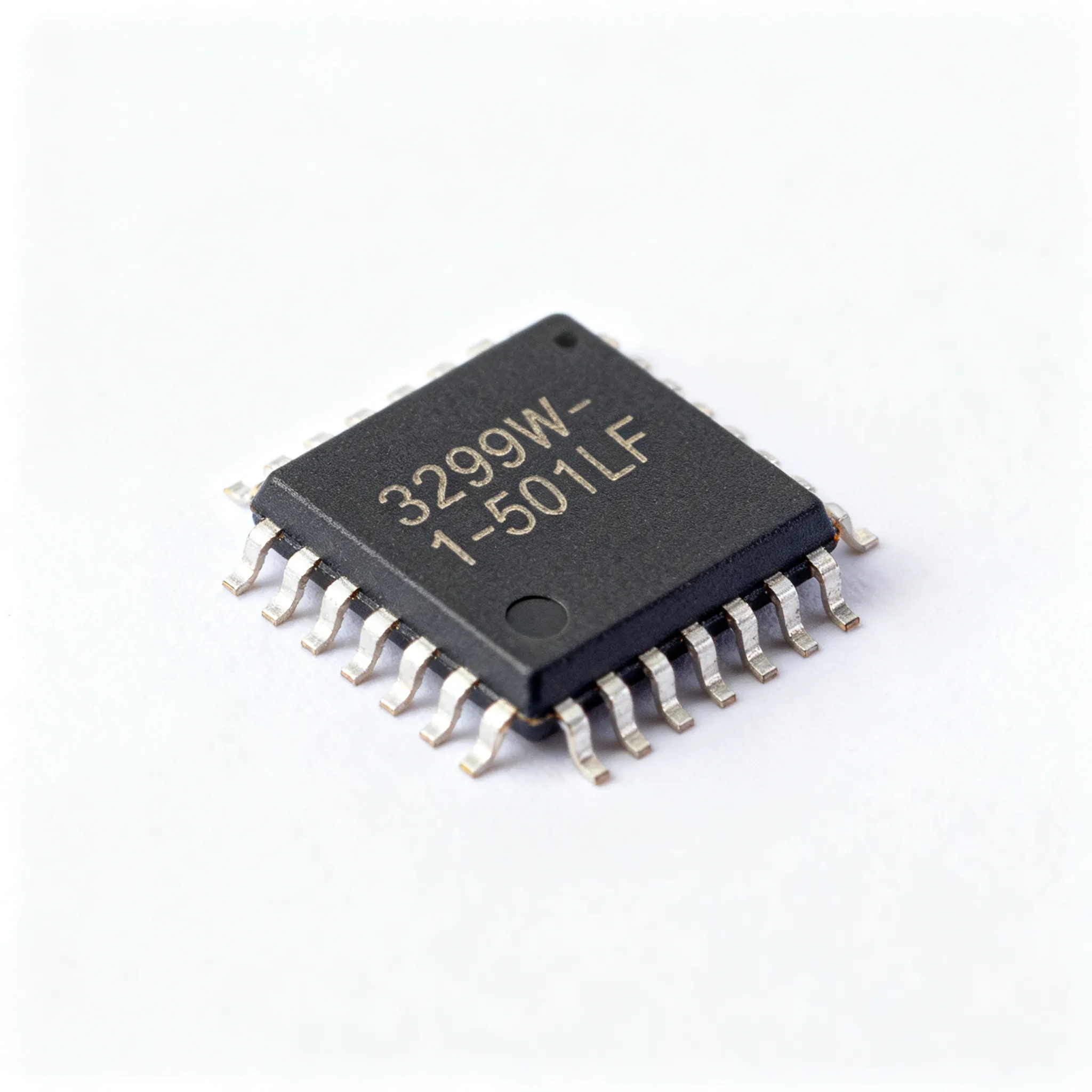
3299W-1-501LF: Package, Pinout, and How Buyers Verify Incoming Lots
3299W-1-501LF pinout, package, and datasheet limits buyers actually check — plus lot inspection notes. Request a quote on IC-Online; no invented stock claims.


Electronics Component News, Market Trends & Supply Chain Updates
Blog3299W-1-501LF pinout, package, and datasheet limits buyers actually check — plus lot inspection notes. Request a quote on IC-Online; no invented stock claims.
 Blog
Learn how to fix EVAP leak by checking electronic hardware: scan codes, test purge and vent valves, inspect wiring, and confirm with a smoke test.
 Blog
DVI vs DVI-D: DVI-D sends digital video only, while DVI-I carries analog and digital. Match your connector to your devices to avoid no-signal issues.
 Blog
Practical guide for buyers and engineers: How OEM Buyers Can Navigate the Semiconductor Shortage with Smarter Sourcing Strategies. Sourcing, risk, and selection notes.
 Blog
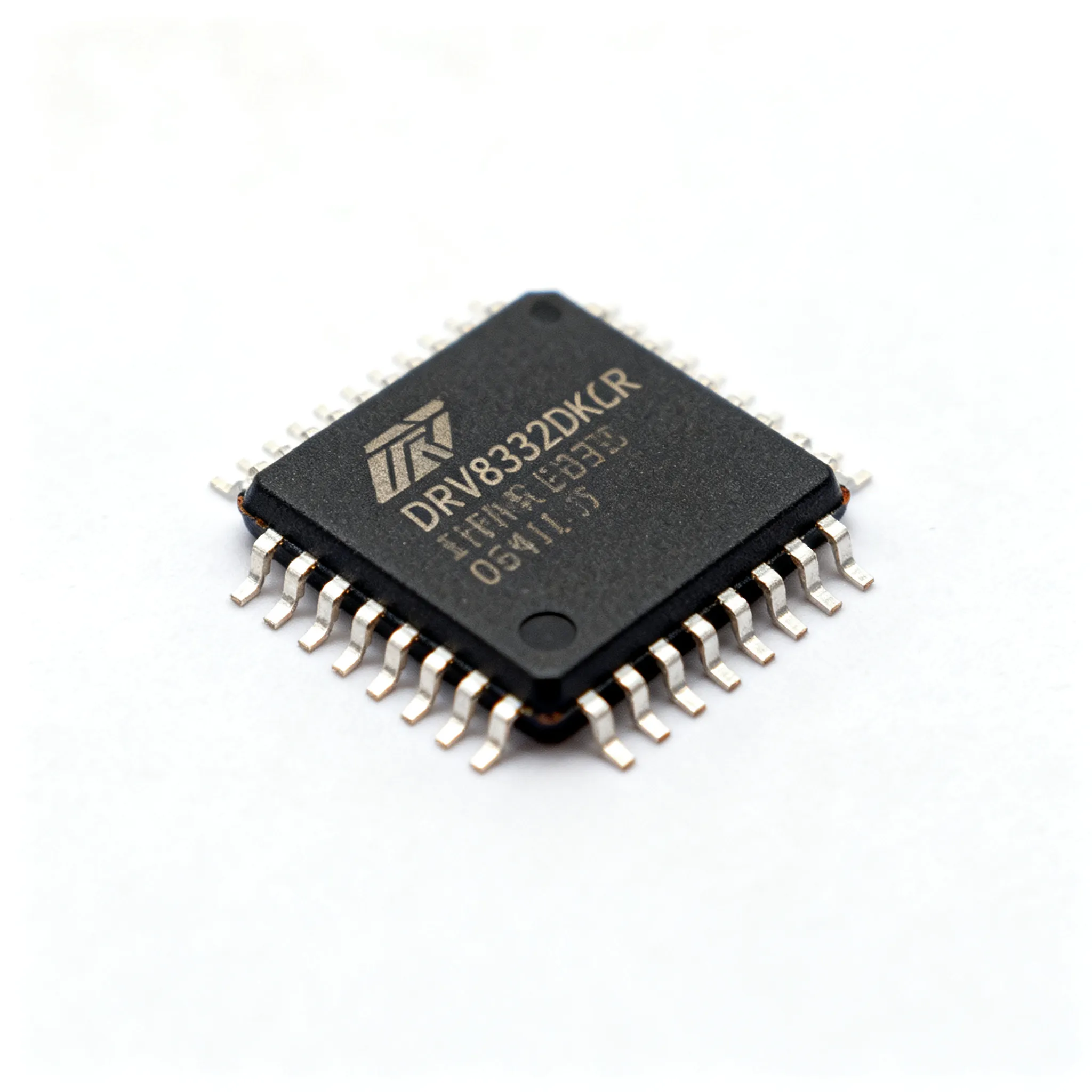
DRV8332DKDR lifecycle and obsolescence risk checklist. What to verify before redesign or last-time-buy — without assuming drop-in replacements.
 Blog
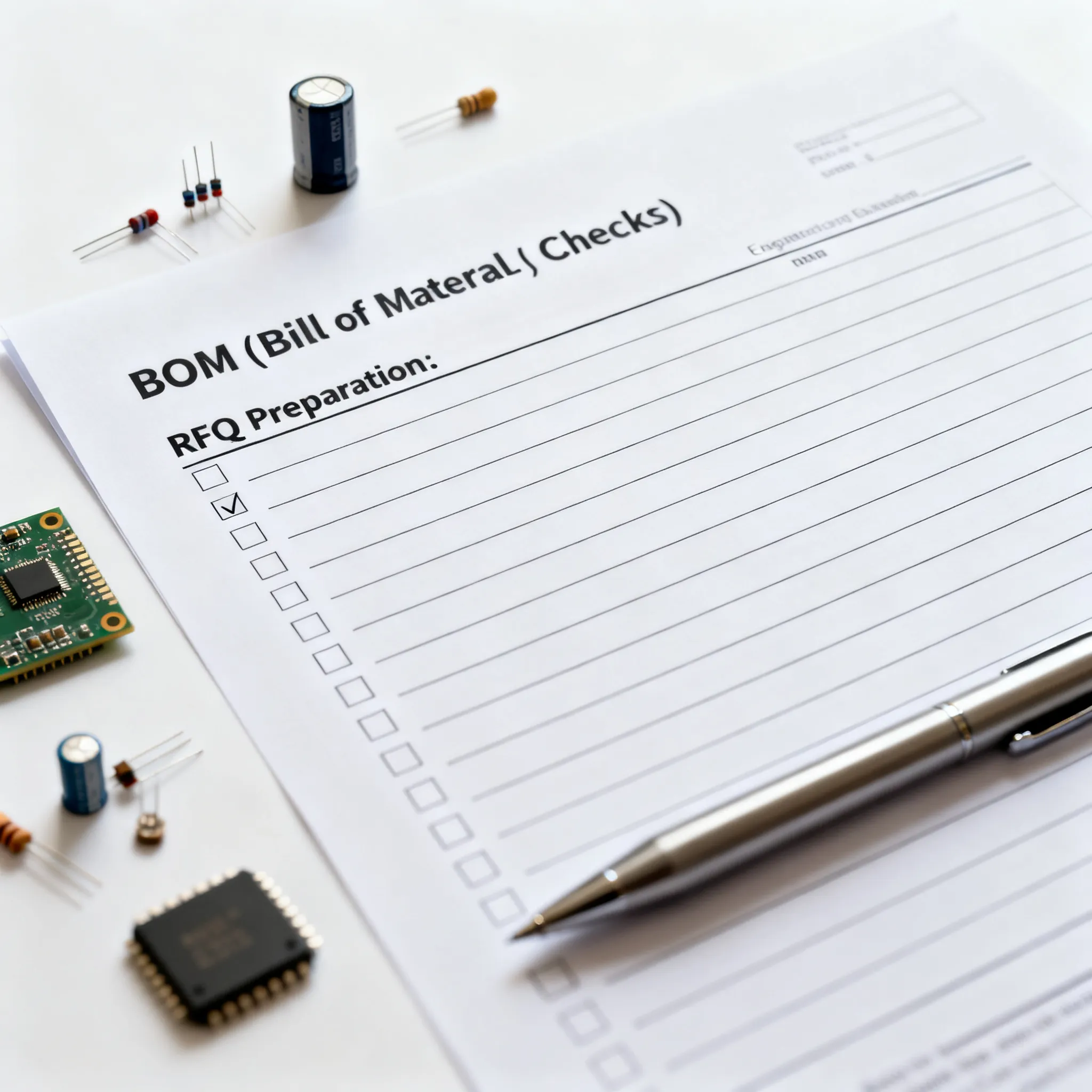
BOM and RFQ best practices for electronic component procurement. Upload your BOM or request a quote for mixed lines and flexible MOQ.
 Blog
A throttle potentiometer is a variable resistor that senses throttle position and outputs a proportional voltage. Understand its role in electronics.
 Blog
The electrolytic cap symbol uses a straight line for positive and a curved line for negative, with a plus sign confirming polarity. This guide explains how to read it correctly.
 Blog
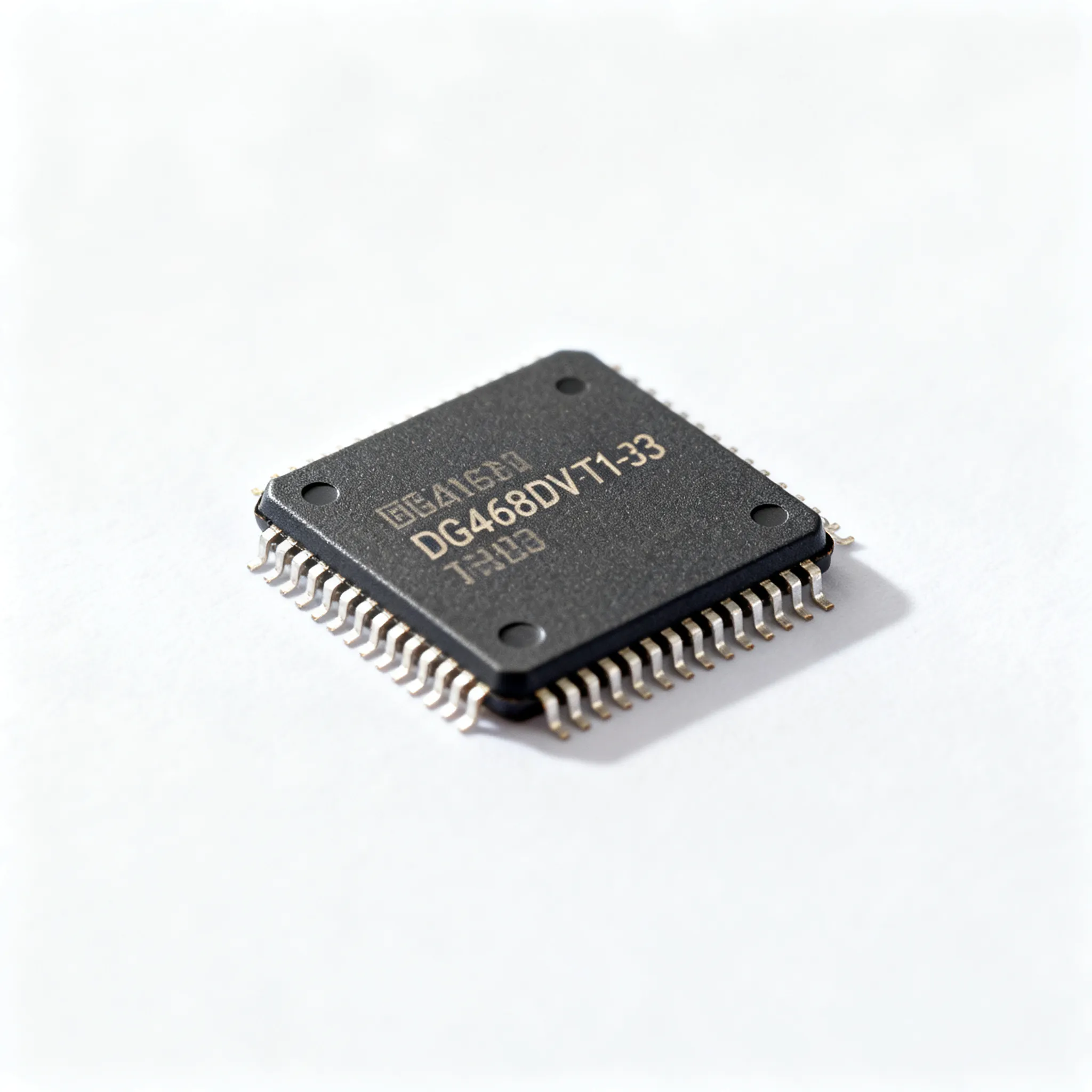
DG468DV-T1-E3 datasheet essentials, pinout overview, key specs, and design/sourcing checks for engineers and buyers. Request a quote on IC-Online.
 Blog
Practical guide for buyers and engineers: Quality, Reliability and Packaging FAQs: Expert Answers for OEM Buyers and Component Engineers. Sourcing, risk, and selection notes.
 Blog
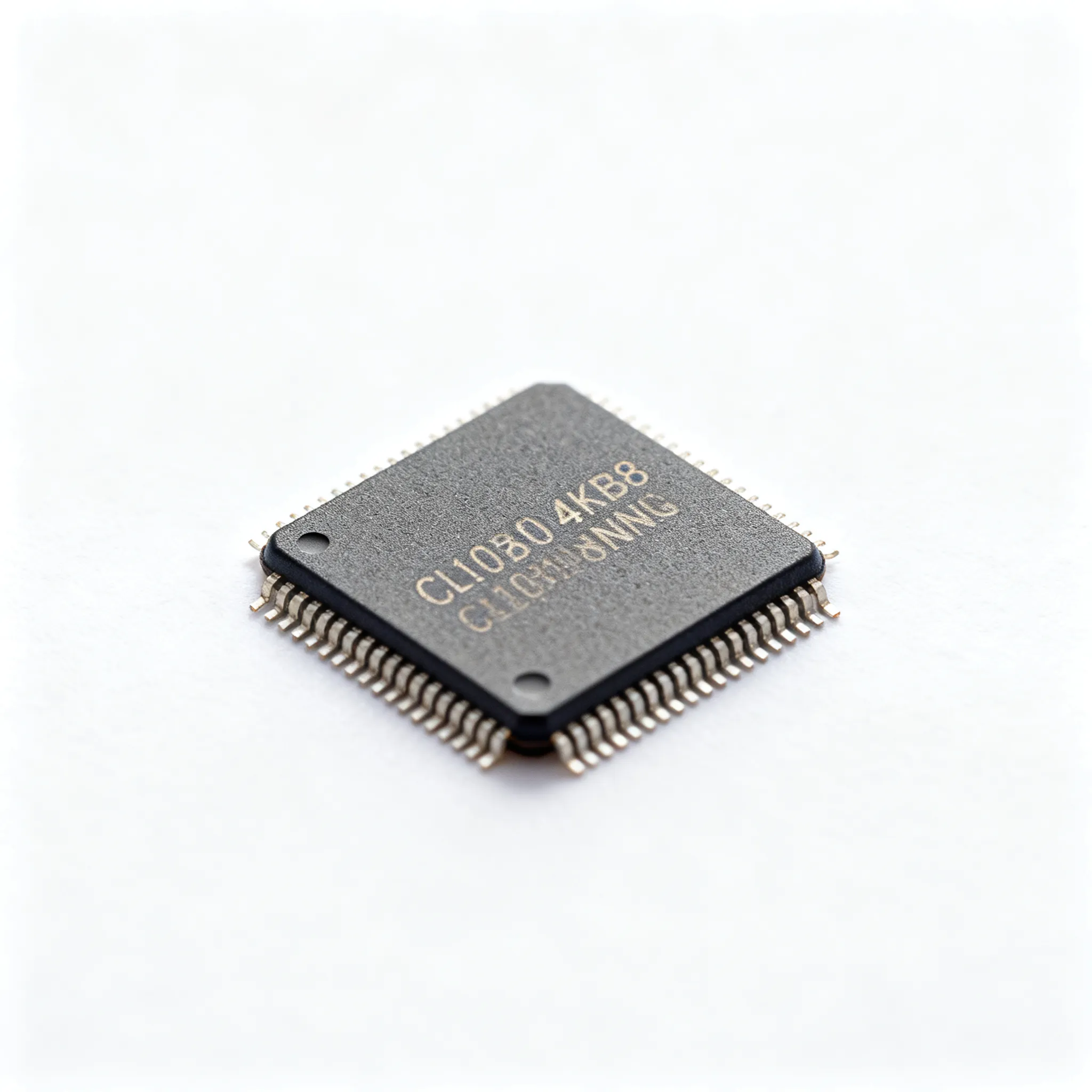
Assess CL10B104KB8NNNC sourcing risks before you buy. RFQ questions on traceability, date codes, testing, alternatives, and supply continuity for...
 Blog
A potentiometer works by moving a wiper along a resistive strip to adjust resistance and voltage. This simple mechanism enables volume control, calibration, and position sensing.